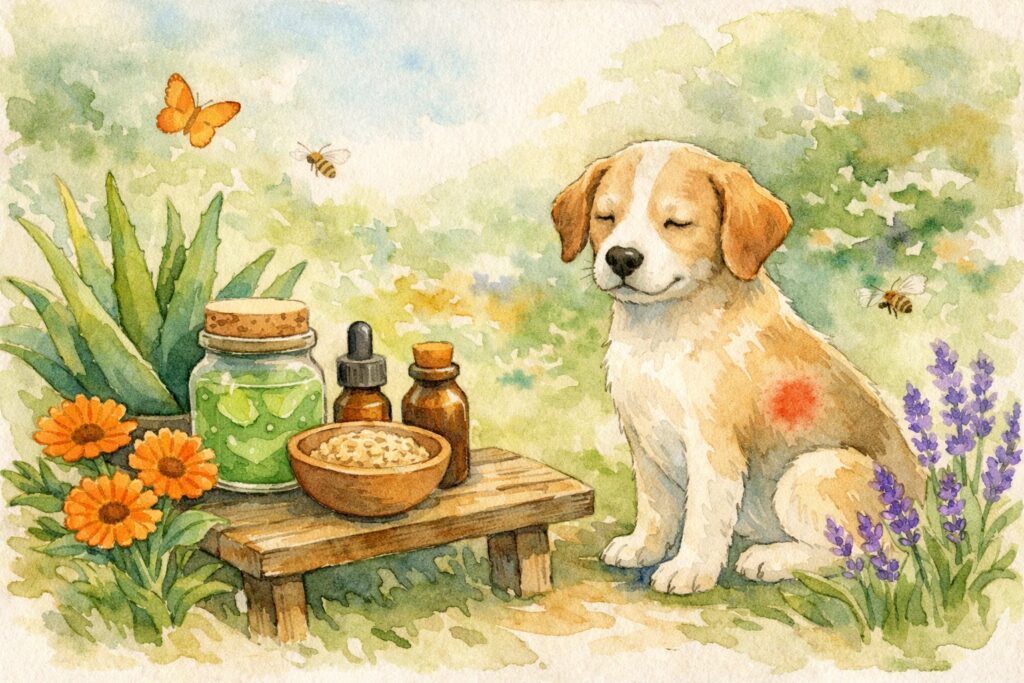
You want fast, safe ways to help your dog when a hot spot appears. Here are eight natural steps you can try at home to calm itching, clean the area, and support healing—no need to jump straight to strong meds.
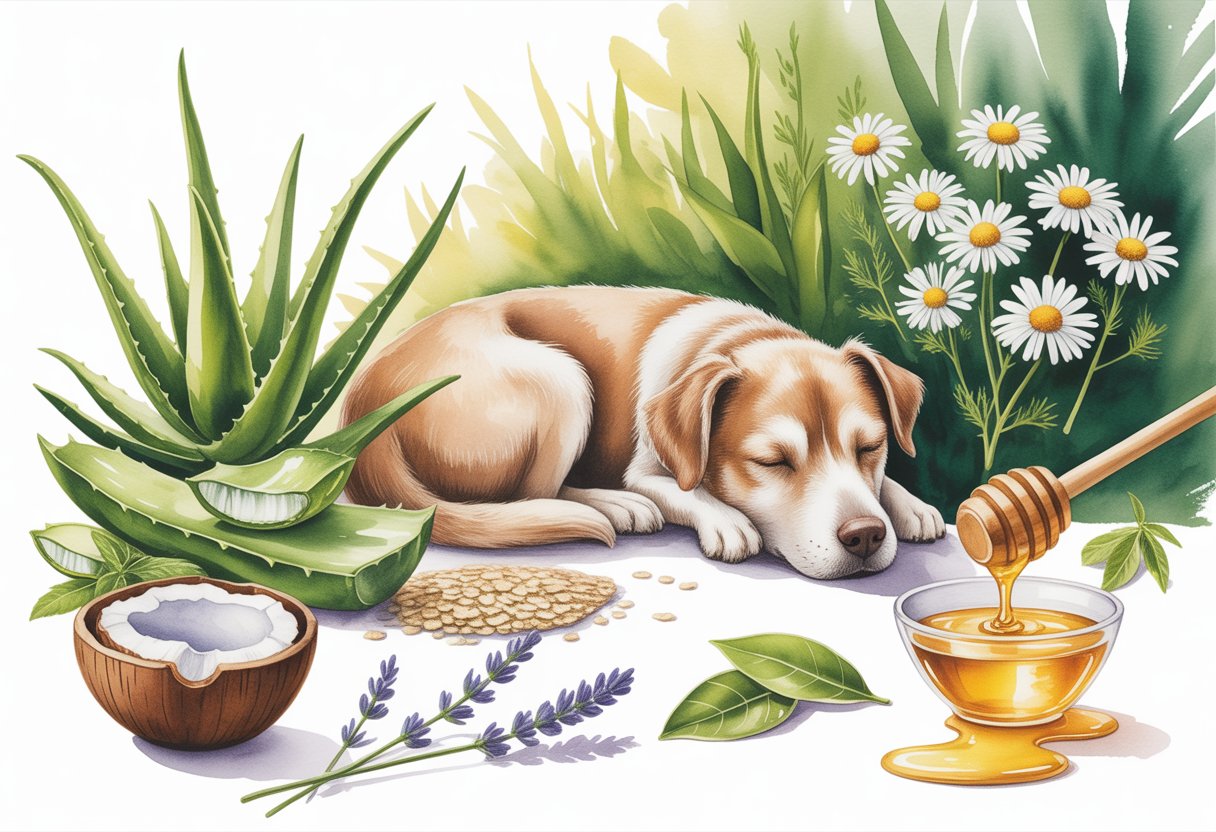
You’ll get clear, vet-informed options—like gentle cleansing, soothing compresses, plus simple topical treatments—to help reduce pain and speed up recovery. It’s practical advice so you can act quickly, avoid repeat flare-ups, and know when it’s time to call your vet.
Clean the affected area with a mild antiseptic solution
Start by clipping hair around the hot spot so you can actually see and reach the wound. Use blunt-tipped scissors and go slow—nobody wants a nicked pup.
Wash the area with warm water and a mild antiseptic like diluted povidone-iodine or a veterinary chlorhexidine solution. Grab a clean cloth or gauze, wipe away debris and crusts, but don’t scrub hard.
Pat the area dry with a clean towel and let it air out for a minute. Keeping the spot dry helps knock down bacteria and speeds healing.
If your vet says repeat cleaning is needed, dab on the antiseptic again. Watch for signs of pain or more redness; if skin looks worse, stop and reassess.
If the wound is deep, draining pus, or just not getting better in a day or two, get your dog to the vet. Sometimes you really do need prescription antibiotics or a pro’s touch.
Apply cold compresses to reduce inflammation and itching
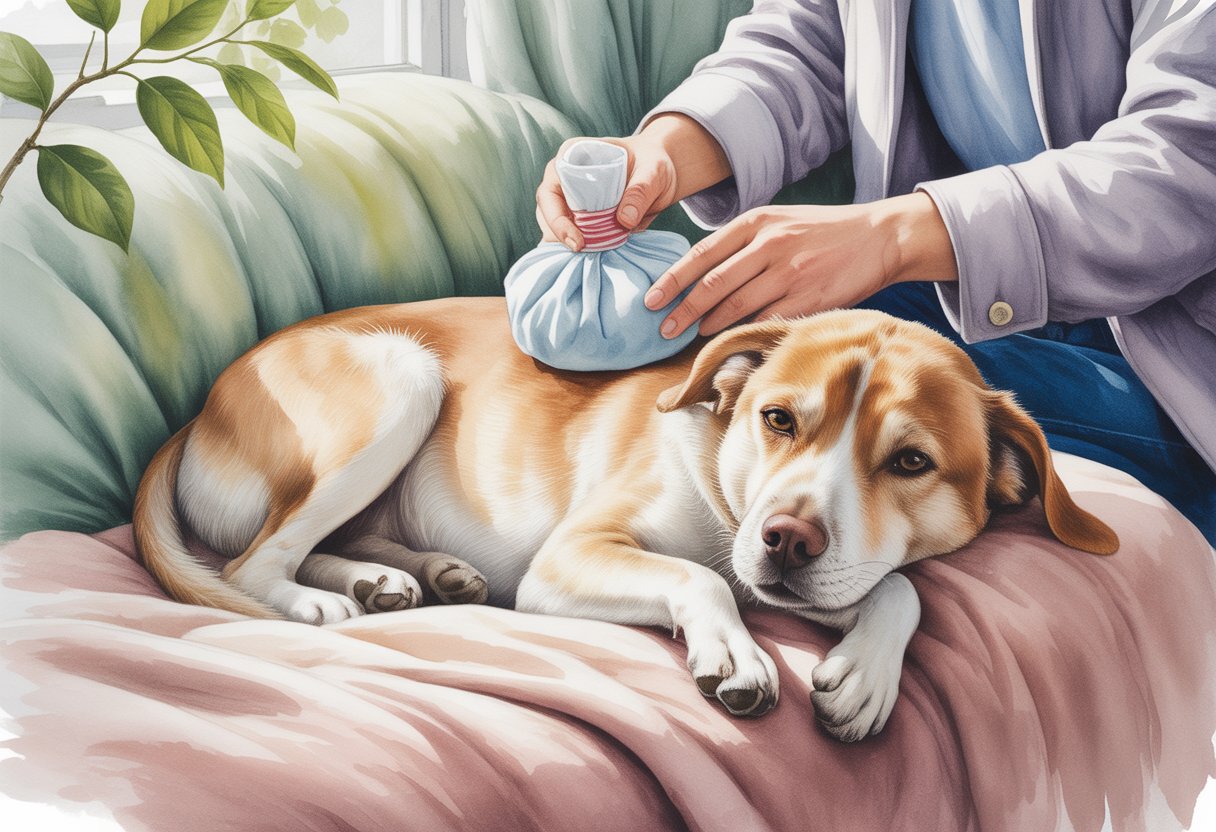
A cold compress can calm a hot spot pretty fast. Grab a clean cloth or ice pack, wrap it in a thin towel, and place it on the area for about 10 minutes.
Keep the compress firm, but don’t freeze your dog’s skin off. Check the skin every few minutes and pull the compress away if your dog looks uncomfortable.
You can repeat this every few hours while the hot spot still feels warm or irritated. Use cool water or a gel pack—skip the bare ice, that’s just asking for trouble.
Afterward, gently dry the area. If you notice pus, a bad smell, or the redness spreading, it’s time to call your vet.
Use coconut oil to soothe and moisturize the skin
A thin layer of virgin coconut oil on a clean, dry hot spot can help lock in moisture and soothe irritation. Coconut oil’s fatty acids support the skin’s barrier and feel nice on dry skin.
Warm a little between your fingers, then gently massage it in. Once or twice a day is plenty—don’t glob it on, or you’ll just trap dirt and hair.
If your dog’s skin gets worse, or the spot looks infected or weepy, stop using coconut oil. Deep infections, big hot spots, or feverish pups need a vet before you keep going with home stuff.
Test a small patch first, especially for sensitive or acne-prone dogs. Keep things clean and watch how it goes; pairing coconut oil with vet advice usually works best.
Apply aloe vera gel to promote healing and reduce irritation
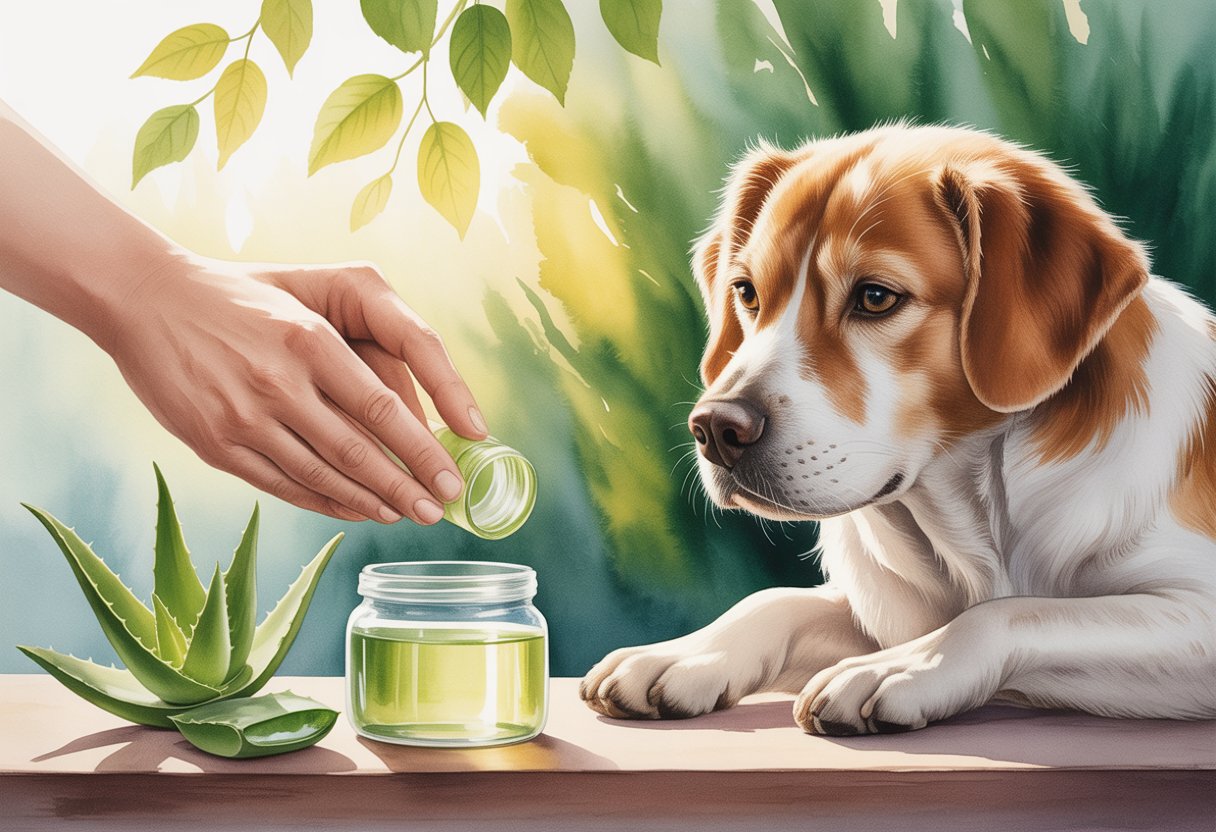
Pure aloe vera gel can really soothe your dog’s hot spot and cut down on redness and itch. Aloe’s got mild anti-inflammatory and moisturizing perks—less tight, less irritated skin.
First, clean the area with a mild saline rinse or a vet-approved cleanser and pat it dry. Then use a thin layer of fresh, pure aloe vera gel—avoid anything with alcohol, fragrances, or essential oils.
Watch your dog after applying aloe. If they start licking or chewing the spot, you might need a cone or a loose bandage until things calm down.
If the hot spot looks infected, gets bigger, or just won’t improve after a few days, it’s time for a vet visit.
Use chamomile tea compresses for natural anti-inflammatory effects
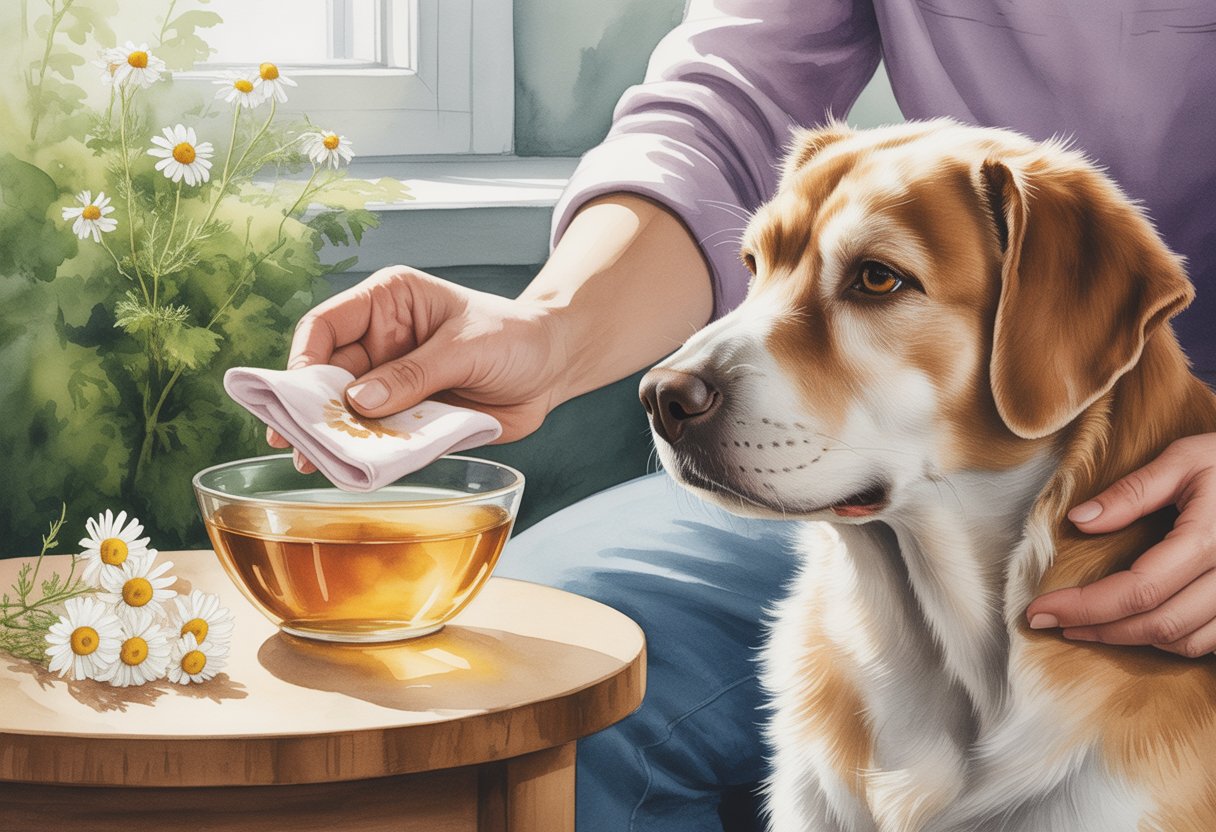
Chamomile’s got compounds that can reduce inflammation and soothe irritated skin. You can use cooled chamomile tea as a gentle compress.
Brew a weak chamomile tea, let it cool, and soak a clean cloth. Gently press it onto the hot spot for 5–10 minutes—two or three times a day is good.
Don’t rub or scrub the sore spot. If your dog licks at the compress, an Elizabethan collar might be your new best friend.
If you see more redness, swelling, or a rash, stop using chamomile. And if there’s pus or the spot won’t heal, get your vet involved.
Apply calendula ointment to aid skin repair
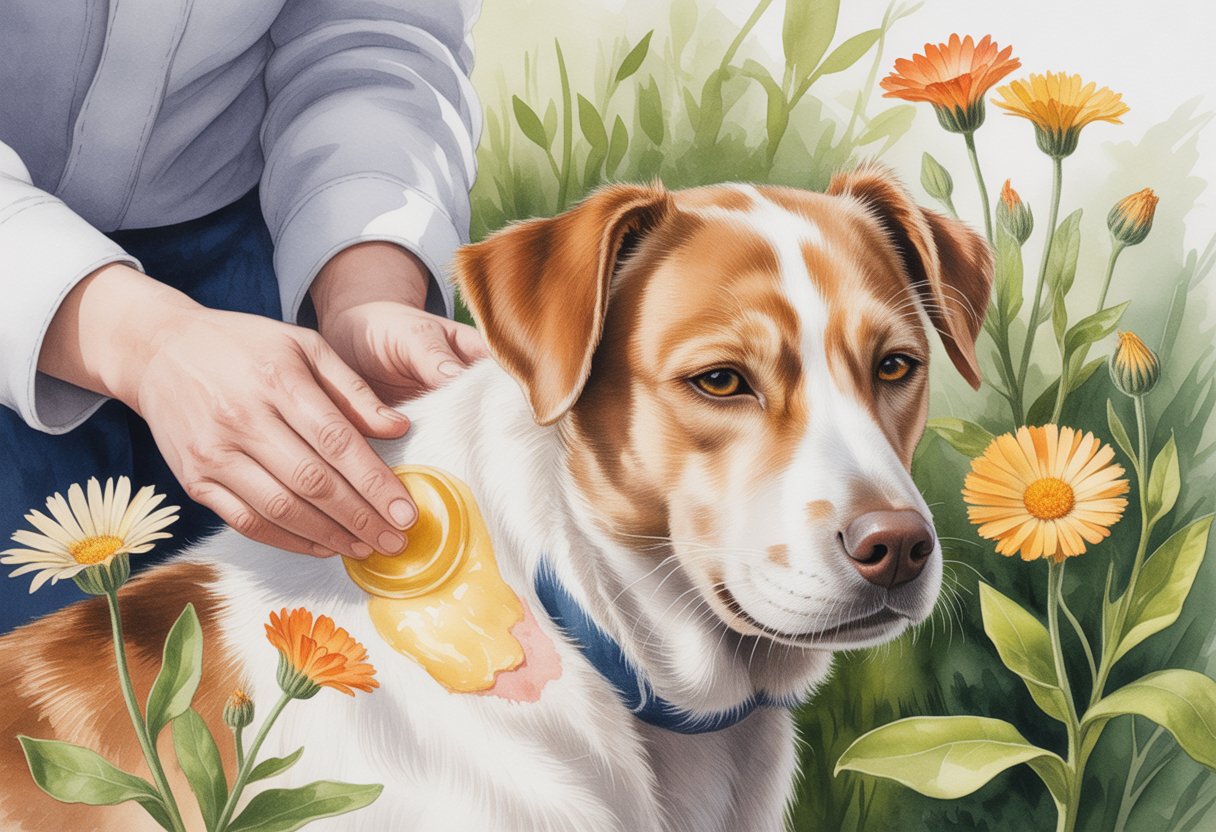
Calendula ointment can help soothe and support healing on hot spots. It’s got mild anti-inflammatory and antimicrobial properties but doesn’t pack harsh chemicals.
Clean and dry the area, then apply a thin layer of ointment. Use a gentle touch—if your dog seems in pain, take a break.
Put it on once or twice daily. Only use a loose bandage if your vet says it’s okay.
Watch for swelling, pus, or a nasty smell—those mean infection, and you’ll need your vet. If you’re cautious, do a patch test first to check for sensitivity.
Let your vet know about any new topical stuff, especially if your dog’s on meds or has deep wounds.
Use diluted apple cider vinegar as an antibacterial rinse
Apple cider vinegar (ACV) can work as a mild antibacterial and antifungal rinse for hot spots. Mix one part ACV with one part water—don’t go stronger, or you’ll sting your dog’s skin.
Apply it gently with a spray bottle or soft cloth. Let the area air dry or pat it dry with a towel.
Skip ACV if the skin is raw, bleeding, or super sensitive. If your dog acts like it hurts or the area gets worse, stop and call your vet.
Use the rinse once or twice a day until things look better. Always test a small area first, just to be safe.
Store the diluted mix in a labeled container. If it gets cloudy or smells funky, toss it.
Keep the dog’s fur trimmed around the hot spot for better air circulation

Trim fur around the hot spot so air can get to the skin. Shorter hair helps the area dry out and keeps bacteria from thriving.
Use blunt-ended scissors or pet clippers—don’t risk cutting the skin. Move slowly, and keep your dog calm (treats help); have someone hold your pup if needed.
Clear away loose hair and mats that rub or tug at the sore. Less irritation makes cleaning and treatment easier.
Trimming lets you actually see the wound and spot changes like spreading redness or oozing. Check the area daily, and maybe snap a photo to track healing.
If the spot is big, deep, or your dog fights you on trimming, call your vet. Sometimes it’s just easier (and safer) to let a pro handle it.
Understanding Dog Hot Spots
Hot spots are red, wet, and painful skin sores that usually start from something small. Here’s what causes them, how to spot them early, and why you can’t just ignore them.
Common Causes in Dogs
Hot spots usually pop up when your dog licks, chews, or scratches one spot over and over. This often starts from skin irritation—flea bites, ticks, or insect stings are classic triggers.
Allergies to food, pollen, or dust mites make dogs itch more, which can kick off a hot spot. Sometimes moisture trapped in thick fur after swimming or rain gives bacteria a cozy place to grow.
Poor grooming, ear infections, or even achy joints that make your dog lick a spot can all lead to sores. Puppies and long-haired breeds get hot spots more often, probably because their fur hides the early warning signs.
Symptoms and Early Warning Signs
You’ll probably notice sudden, intense licking or chewing in one area. The skin gets red, moist, and might ooze clear or pus-like fluid.
Fur around the spot often falls out or mats from the moisture. Hot spots hurt, and your dog might flinch if you touch the area.
Feel for heat at the site and sniff for a foul odor—signs bacteria are moving in. Small scabs, open sores, or broken skin mean it’s gone past just irritation.
Catching these signs early makes treatment way easier.
Risks of Untreated Hot Spots
If you let a hot spot go, it can get a lot worse—and fast. Bacteria spread under the skin, causing bigger sores and a miserable dog.
Chronic or repeated hot spots might mean there’s an underlying allergy, parasite, or immune problem that needs a vet. Bad infections can require strong antibiotics, and sometimes even sedation and surgical cleaning. Jumping on it early saves everyone a lot of trouble.
Tips for Preventing Hot Spots
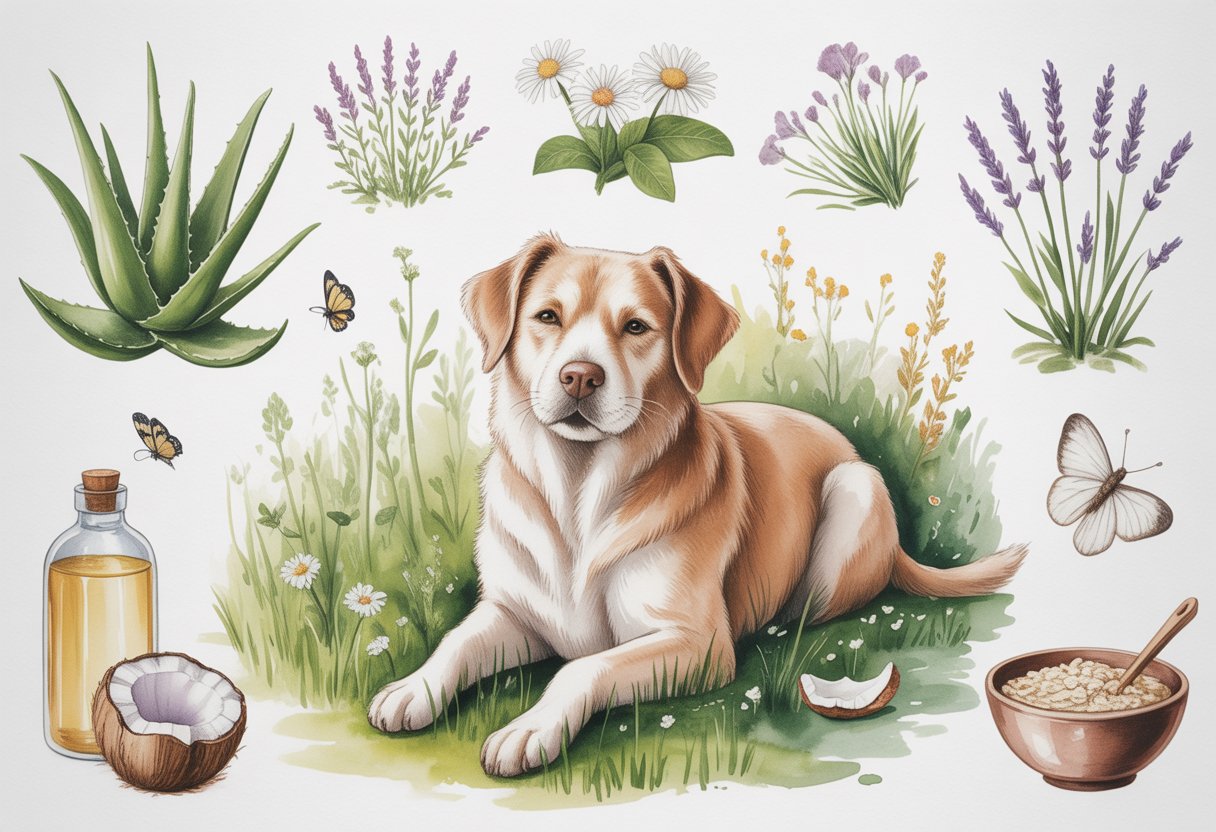
Keep your dog’s skin clean, dry, and free of irritants to prevent hot spots. Focus on grooming routines and address environmental or diet issues that cause scratching and licking.
Routine Grooming Practices
Brush your dog at least two or three times a week. This helps get rid of loose hair, dirt, and mats that trap moisture against the skin.
If your dog has long hair, daily brushing might be best. A monthly trim from a groomer—especially around the neck, ears, and underarms—can really help since hot spots love those areas.
Only bathe your dog when necessary, using a gentle shampoo your vet recommends. Most dogs only need a bath every four to eight weeks, unless your vet says otherwise.
After a bath, dry the coat well with a towel. If your dog doesn’t mind, a low-heat blow dryer works too and helps prevent moisture from getting trapped.
While grooming, take a close look at your dog’s skin and coat. Watch for any red, wet, or irritated spots.
If you find a small damp area, clip the hair around it. You can apply a vet-recommended topical spray if you notice the same trouble spots popping up again.
Keep your dog’s nails trimmed. Short nails mean fewer chances for self-inflicted scratches that could turn into hot spots.
Environmental and Dietary Factors
Control fleas and ticks with year-round prevention that actually fits your dog’s weight and health. Just a couple of bites can set off scratching and, honestly, that’s usually how hot spots start.
Treat bedding and living areas often. Toss bedding in hot water once a week, and don’t forget to vacuum carpets and furniture to keep allergens down.
Adjust your dog’s diet to help their skin. Go for food with a named meat listed first, and make sure it has omega-3s—fish oil works, or you can add a supplement if your vet gives the okay.
If you’re worried about food allergies, talk to your vet about an elimination diet. Guessing usually doesn’t get you far.
Cut down on exposure to things like lawn chemicals, harsh detergents, or scratchy fabrics. After your dog’s been outside in wet or muddy spots, rinse and dry their paws and belly to wash off pollen, salt, and whatever else they might’ve picked up.