
You want your dog to stop scratching and feel comfortable again. This article shares practical, safe home treatments you can actually try.
You’ll find simple options for home use—like soothing baths, gentle topicals, diet tweaks, and flea prevention steps—that might ease itching while you sort out what’s really going on.
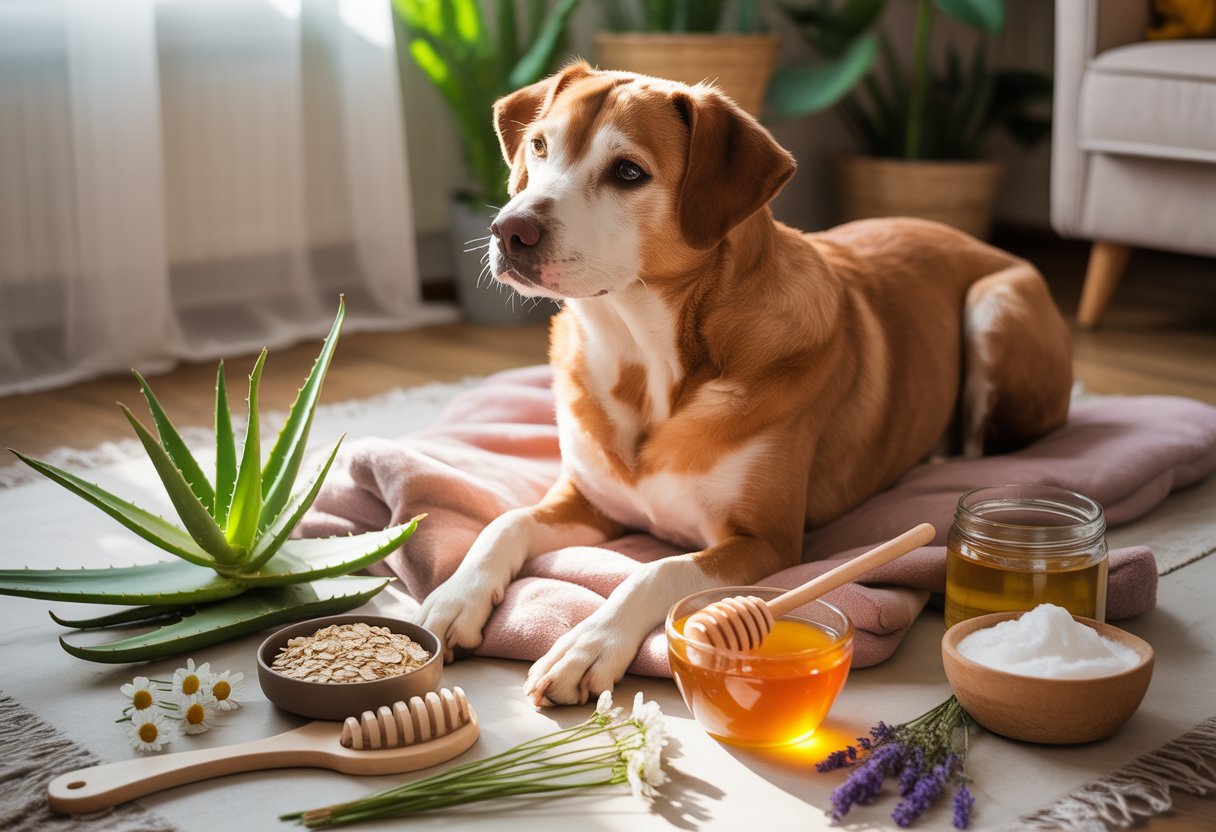
You’ll get clear advice on when a home remedy helps and when you really need a vet. There are also safety tips so you don’t accidentally make things worse.
Hopefully, these choices let you act with a bit more confidence for your dog’s comfort.
Colloidal oatmeal baths
Colloidal oatmeal calms itchy, dry skin by coating and moisturizing it. You can make your own by grinding plain oats into a fine powder—think baby powder texture.
Fill a tub or basin with warm (not hot) water and stir in the oatmeal until it looks milky. Let your dog soak for 10–15 minutes, or just dab the water onto trouble spots if your dog hates baths.
Oatmeal’s gentle anti-inflammatory and moisturizing effects can help reduce redness and flaking. If you see irritation get worse, stop.
Pat your dog dry softly—skip harsh shampoos right after. You can repeat this every few days, but ask your vet before making it a habit for chronic itching.
Aloe vera gel application
Start by cleaning the area with warm water or mild soap to get rid of dirt and loose hair. That way, the gel actually reaches the skin.
Use pure aloe vera gel—either straight from the plant or a bottle with no alcohol, fragrance, or weird additives. Those extras can sting.
Smooth a thin layer onto the itchy spot once or twice a day. Rub gently, and don’t force it into broken skin.
Watch your dog for any reaction over the next day or two—things like more redness, swelling, or extra itching. If you see that, stop and call your vet.
Aloe helps soothe and moisturize, but it won’t fix fleas, allergies, or infections. If the itch keeps coming back, you need the vet’s help.
Chamomile tea soaks
Chamomile tea soaks can calm mild, itchy spots on your dog’s skin. Chamomile’s gentle anti-inflammatory and soothing effects might ease redness and irritation.
Brew a weak chamomile tea and let it cool to room temperature. Dab it on with a clean cloth or pour it gently over the area, but skip the eyes and open wounds.
Let the tea sit for a few minutes, then pat the area dry. You can do this once or twice a day for short-term relief.
If the skin looks worse or you spot infection, stop right away. Always check with your vet before trying home remedies if your dog is on meds, pregnant, or has sensitive skin.
If the itching is bad, sticks around, or comes with hair loss, it’s time for a vet visit.
Coconut oil massage
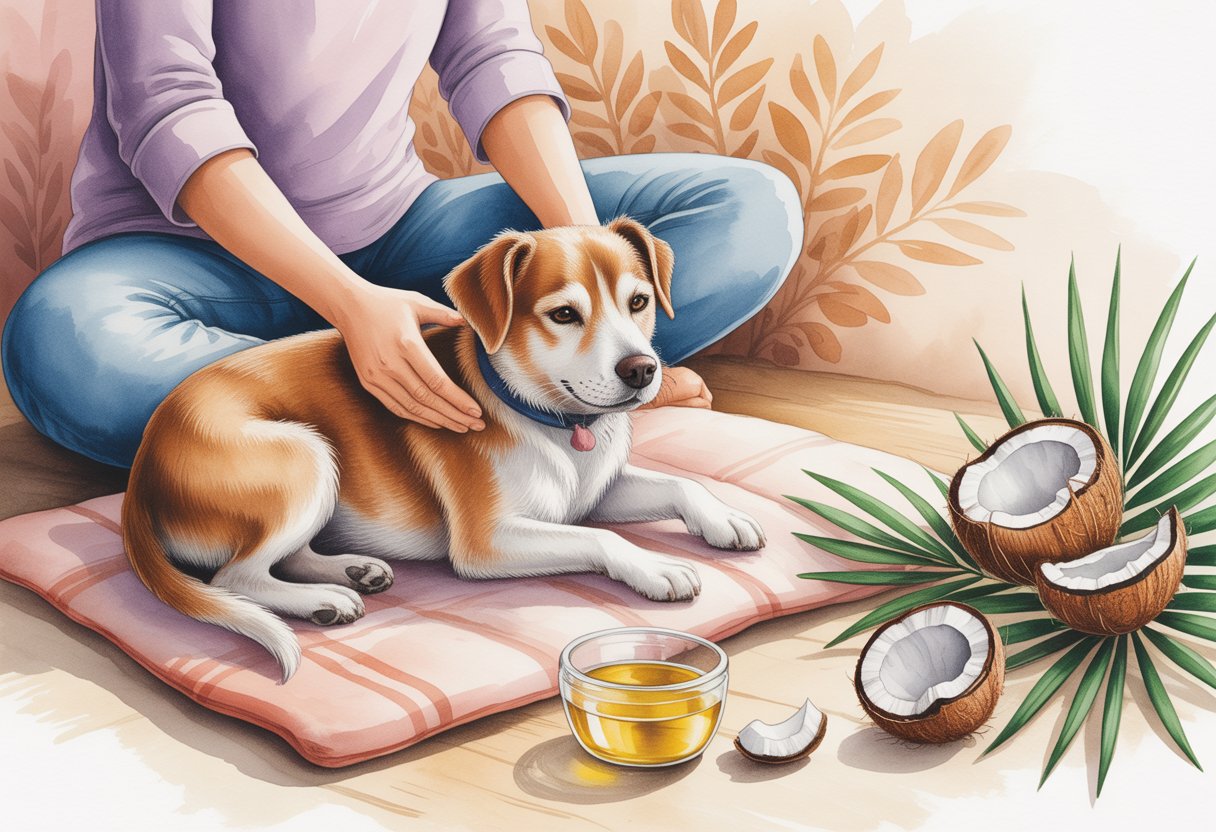
A coconut oil massage can soothe dry, itchy skin and add some moisture to your dog’s coat. Use virgin, unrefined coconut oil and test a tiny spot first—some dogs are sensitive.
Warm a teaspoon of oil between your hands until it melts, then gently rub it into the irritated spots. Use short, calm strokes so your dog doesn’t get stressed and the oil soaks in.
Stick to small amounts to avoid a greasy mess or too much licking. If your dog licks a bit, that’s usually fine, but skip heavy use for dogs with sensitive stomachs.
Try this once or twice a week—not every day—unless your vet says otherwise. If the skin gets redder, swollen, or your dog seems in pain, stop and call your vet.
Apple cider vinegar spray (avoid on broken skin)
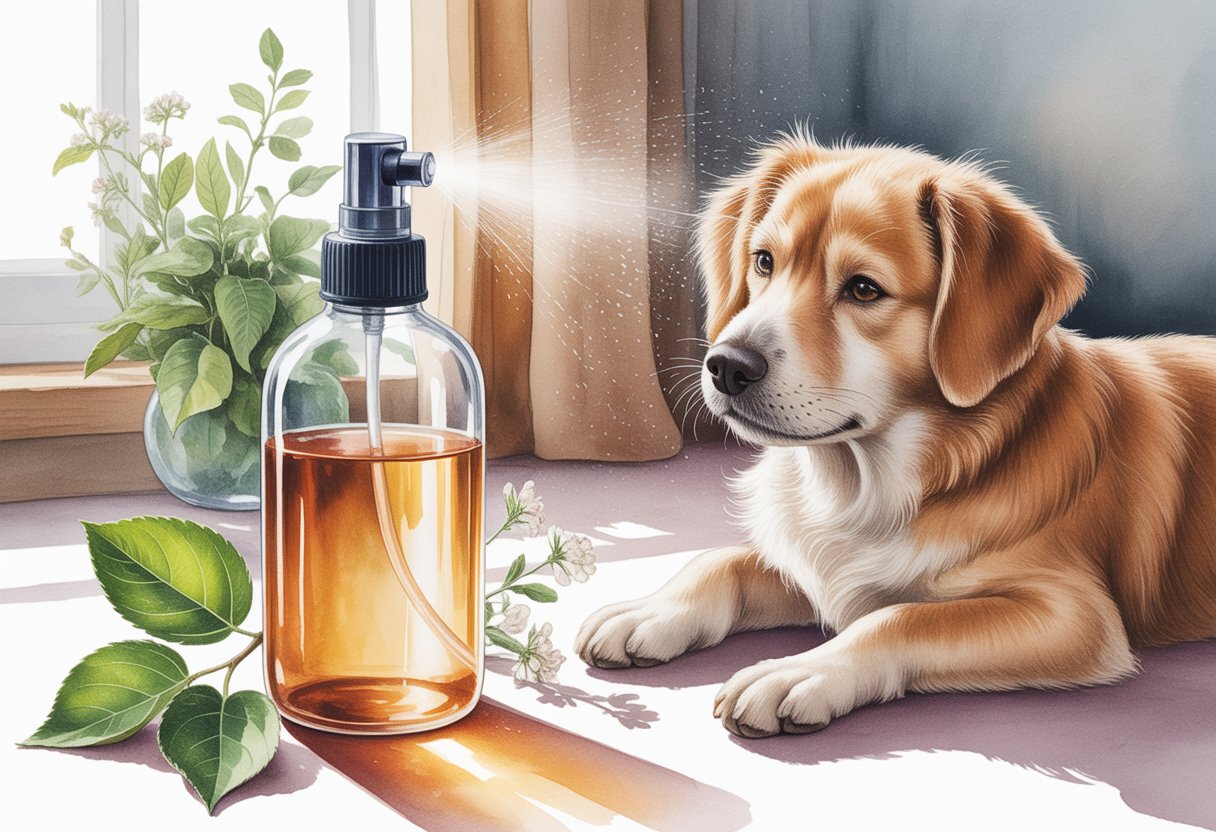
Apple cider vinegar (ACV) can help balance your dog’s skin pH and may reduce mild bacterial or yeast irritation when you dilute it. Mix equal parts water and ACV in a spray bottle for a gentle solution.
Spray the mix onto the fur, but avoid any cuts, sores, or raw skin—it’ll sting. Let the coat air dry, and always patch test a small spot first.
Don’t use more than once a day. If your dog looks red, scratches more, or seems uncomfortable, stop right away.
Store the mix in a cool spot and shake before each use. If you’re not sure, ask your vet before adding ACV to your dog’s routine, especially if you’re already using other treatments.
Green tea rinses

Green tea has gentle anti-inflammatory and antioxidant properties that can calm irritated skin. Brew a strong cup, let it cool completely, and use it as a rinse after a bath.
Pour the cooled tea over itchy spots or soak a cloth and press it on hotspots for a few minutes. Do this once a day for a few days and keep an eye out for changes.
Skip sugar, milk, or essential oils—just plain tea. If your dog has open wounds or is sensitive to plants, skip this and ask your vet.
If itching gets worse, or you spot swelling, hair loss, oozing, or infection, stop and call your vet.
Yogurt supplements
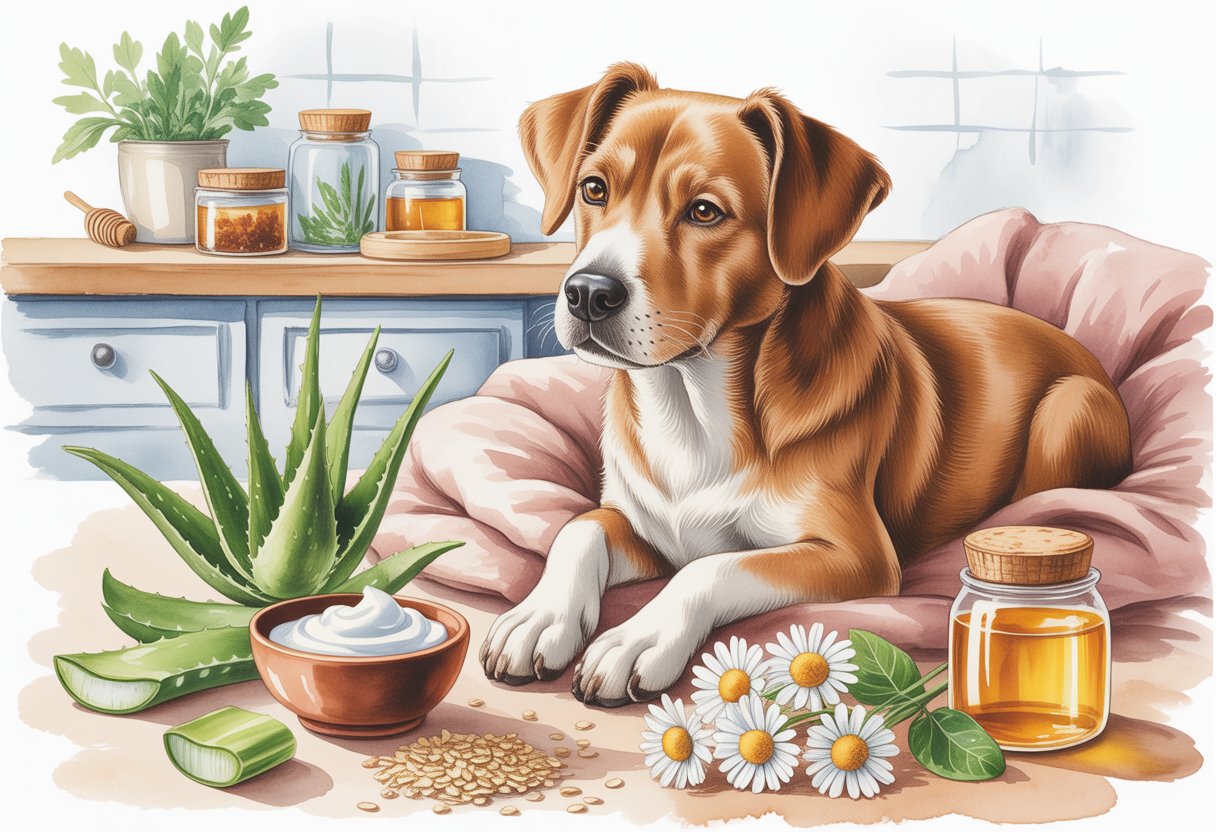
Plain, unsweetened yogurt can support your dog’s gut and skin health. The probiotics in yogurt may help balance gut bacteria and, over time, reduce some skin irritation.
Start with a small amount—a teaspoon for little dogs, a tablespoon for bigger ones—and watch for any stomach upset or signs of lactose trouble. Avoid yogurt with sugar, xylitol, or fruit chunks.
Greek yogurt is usually easier for dogs to digest since it has less lactose and more protein. Use yogurt as a treat or short-term supplement, not a replacement for vet care.
If your dog is on antibiotics or has health issues, check with your vet before adding probiotics. They can help you pick the right type and amount.
Regular flea prevention
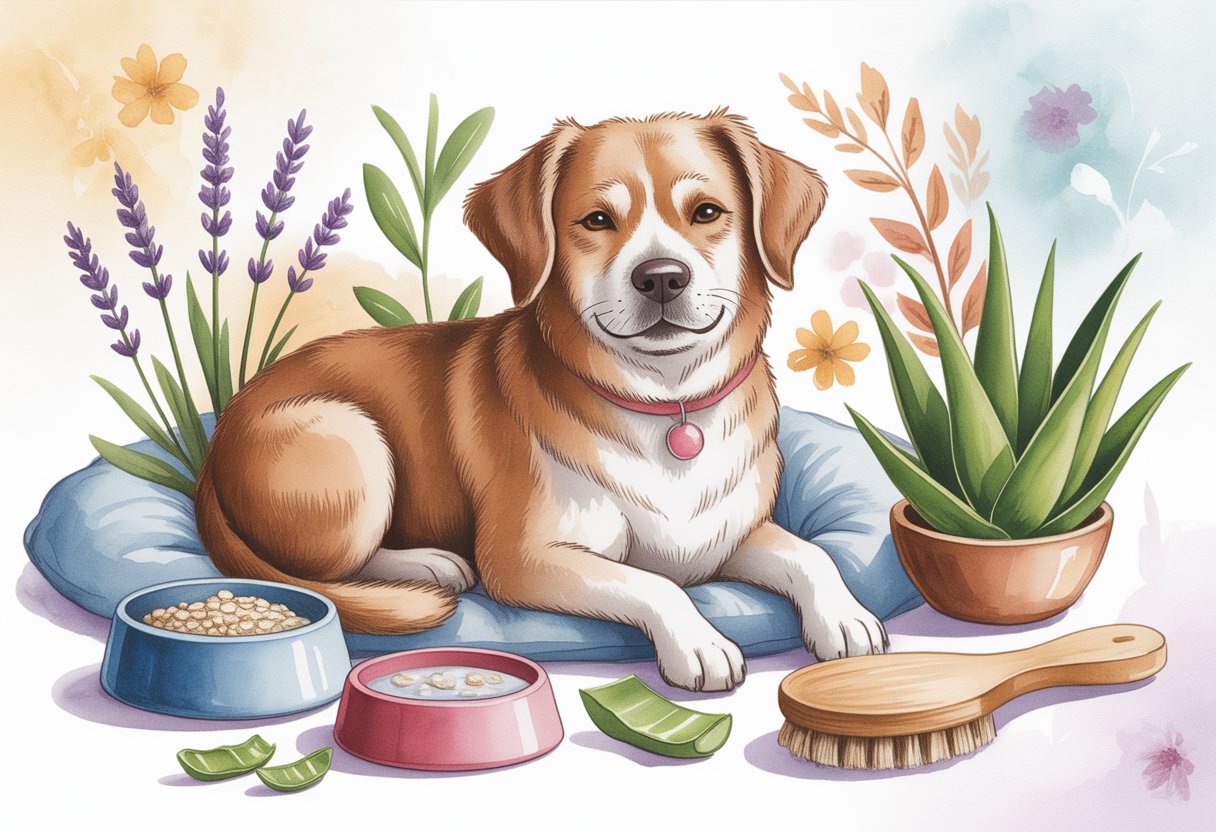
Using regular flea prevention can stop itching before it starts. Monthly topical treatments, oral meds, or flea collars keep fleas off and reduce bites.
Ask your vet to help you choose the right product for your dog’s age, weight, and health. Always follow the label for dosing and timing.
Vacuum floors, wash bedding weekly, and treat carpets or yards if fleas show up. Keeping things clean helps prevention work.
Groom your dog often with a flea comb to catch fleas early. The sooner you find them, the less scratching your dog will do.
Omega-3 fatty acid diet

Adding omega-3s to your dog’s meals can help reduce skin inflammation and itching. Fish like salmon and sardines, or plants like flaxseed and chia, provide these healthy fats.
You can use commercial dog foods with omega-3s or add supplements. Always follow the product instructions and check with your vet before starting, especially if your dog takes other meds.
You’ll need some patience—improvement usually takes weeks. Look for less scratching, a shinier coat, and less redness.
Don’t overdo it. Too much oil can cause diarrhea or mess with blood clotting.
Pick high-quality supplements made for pets, and keep them away from heat and light. If you notice new problems after starting a supplement, stop and call your vet.
Hydration with fresh water
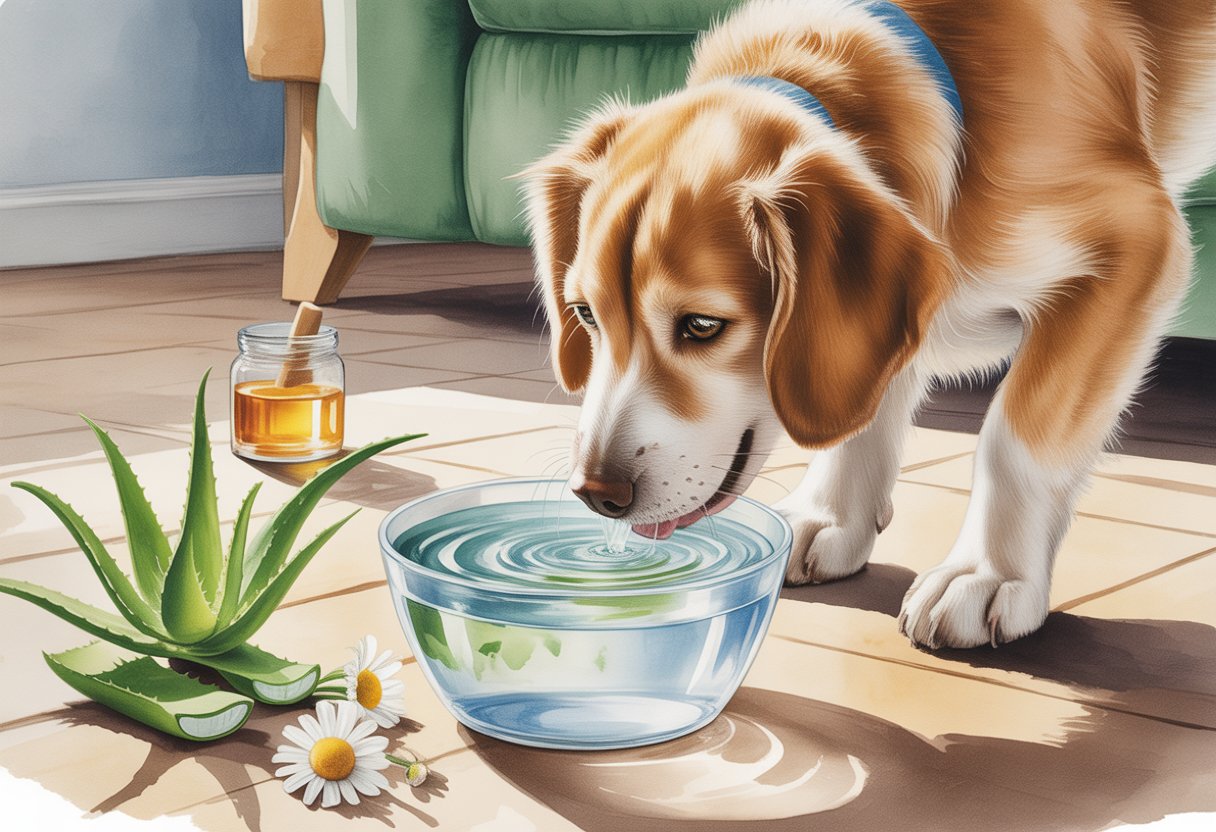
Always keep fresh water out so your dog can drink whenever they’re thirsty. Good hydration helps skin stay moist and can cut down on dryness and itching.
Check and refill water bowls at least once a day, and wash them often to keep bacteria away. If your dog ignores the bowl, try a pet fountain or put extra bowls around.
Puppies, seniors, and active breeds need more water, especially in hot weather or after play. If you see less drinking, tiredness, or dark pee, call your vet.
Understanding Dog Itching
Dog itching can happen for all sorts of reasons, and knowing the likely triggers helps you pick safe home treatments—or figure out when to call the vet. Here are the main causes and signs that mean you should get professional care.
Common Causes of Persistent Itching
Fleas and other parasites make dogs scratch like crazy. Look for flea dirt—those tiny black specks—and live fleas, especially near the base of the tail or along the belly.
Even a single flea might set off a big reaction in sensitive pups. It’s kind of wild how dramatic one little bug can be.
Allergies pop up a lot, too. Food allergies usually show up as constant ear issues and belly itching.
Environmental allergies—think pollen, dust mites, or mold—can flare up seasonally or hang around all year. These usually hit the paws, face, and armpits the hardest.
Contact irritants like certain shampoos or even grass sometimes cause local redness and itchiness.
When a dog scratches a lot, skin infections often follow. Bacterial or yeast infections make skin smell weird, get greasy, or turn scabby.
Dry skin from low humidity or a not-so-great diet can leave flaky, itchy patches. If you notice a spotty pattern, it might point to parasites or something your dog touched. If the itching covers the whole body, allergies or another internal problem could be the culprit.
When to Consult a Veterinarian
Go to the vet if your dog’s itching gets really bad, comes on suddenly, or just won’t quit no matter what you do at home.
If you see open sores, bleeding, thick scabs, sudden hair loss, fever, or your dog seems down or won’t eat, call the vet right away. These usually mean infection, a bad allergy, or some other medical problem that needs real medicine.
Bring notes and photos to help the vet out. Share when the itching started, what you’ve tried, your dog’s food, flea control, and any new things in their environment.
If your vet suggests tests like a skin scrape, allergy testing, or bloodwork, go for it. Getting the right diagnosis really does make treatment safer and more effective.
Safety Considerations for Home Remedies
Stick to safe amounts and simple methods if you’re treating your dog at home. Keep an eye out for damaged skin, symptoms getting worse, or anything that screams “vet visit now.”
Potential Risks of DIY Treatments
Some home remedies can backfire if you use them wrong. Undiluted apple cider vinegar, for example, stings open sores and can make things worse.
Coconut oil sometimes clogs pores, especially in dogs with greasy coats, and might trigger more irritation or yeast. Even plant-based stuff like aloe needs to be pure—some gels sneak in alcohol or fragrances that just dry skin out more.
Human medicines aren’t safe for dogs and can be toxic. Don’t use topical antibiotics or steroid creams made for people unless your vet says so.
Essential oils like tea tree or eucalyptus? Skip them. They can burn the skin or even poison your dog if absorbed.
Whenever you try something new, test it on a small patch of skin first. If you see swelling, blisters, or your dog seems really uncomfortable, stop right away.
Monitoring for Allergic Reactions
Keep an eye on your dog after you try any new home remedy. Watch for things like more redness, hives, raised bumps, vomiting, or odd breathing.
Sometimes reactions pop up right away, but other times they take a day or two. It’s smart to check the treated spot twice a day for the next 48 hours, just to be sure.
Jot down what you used, how strong it was, when you put it on, and any weird symptoms you notice. If your dog’s face swells, breathing gets hard, vomiting doesn’t stop, or they collapse, don’t wait—get to the vet right away.
If you just see mild redness or itching that gets worse, stop using the product and call your vet to figure out what to do next.