You want your dog comfortable and well, so when their nose looks dry or cracked, it’s natural to worry. Here are safe, simple things you can try at home to soothe and protect your dog’s nose—and a few signs that mean it’s time to call the vet.
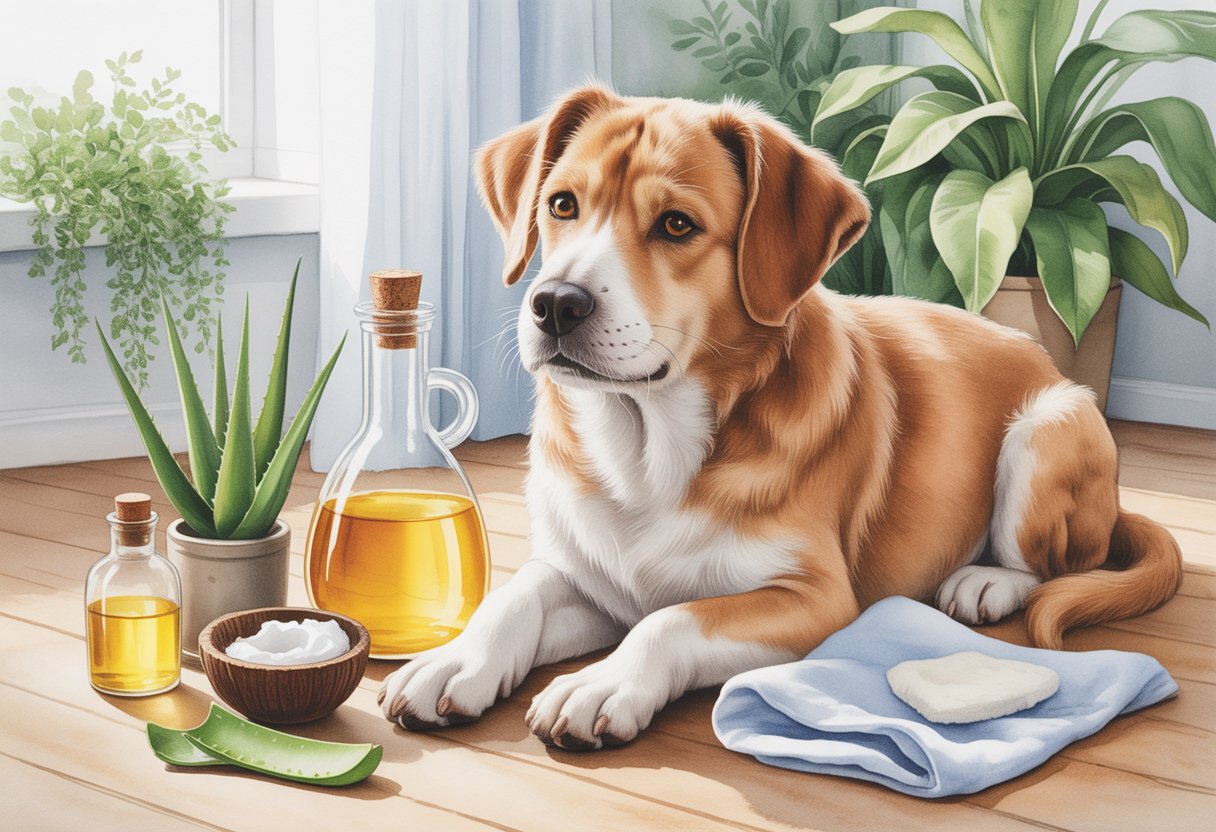
You’ll find practical, pet-safe remedies and basic care tips to hydrate your dog’s nose and hopefully keep small problems from turning into big ones.
Gently clean the nose with a warm, damp cloth to remove debris
Grab a soft, clean cloth and dampen it with warm (not hot) water. Warm water feels soothing and helps loosen up any dirt or crust without making things worse.
Hold your dog quietly, then lift the cloth to their nose. Wipe gently in one direction—don’t scrub or push debris back toward the nostrils.
If there’s a crust, soak the cloth for a minute and press it softly against the spot. That usually softens things up so you can wipe it away.
Dry the nose with a soft towel or just let it air dry. Don’t use cotton swabs or poke anything inside the nostrils; that can cause injury.
If the skin looks red, bleeds, or stays dry after a few gentle cleanings, call your vet. Sometimes, you need medical care or a targeted treatment.
Apply coconut oil to moisturize and soothe the dry nose
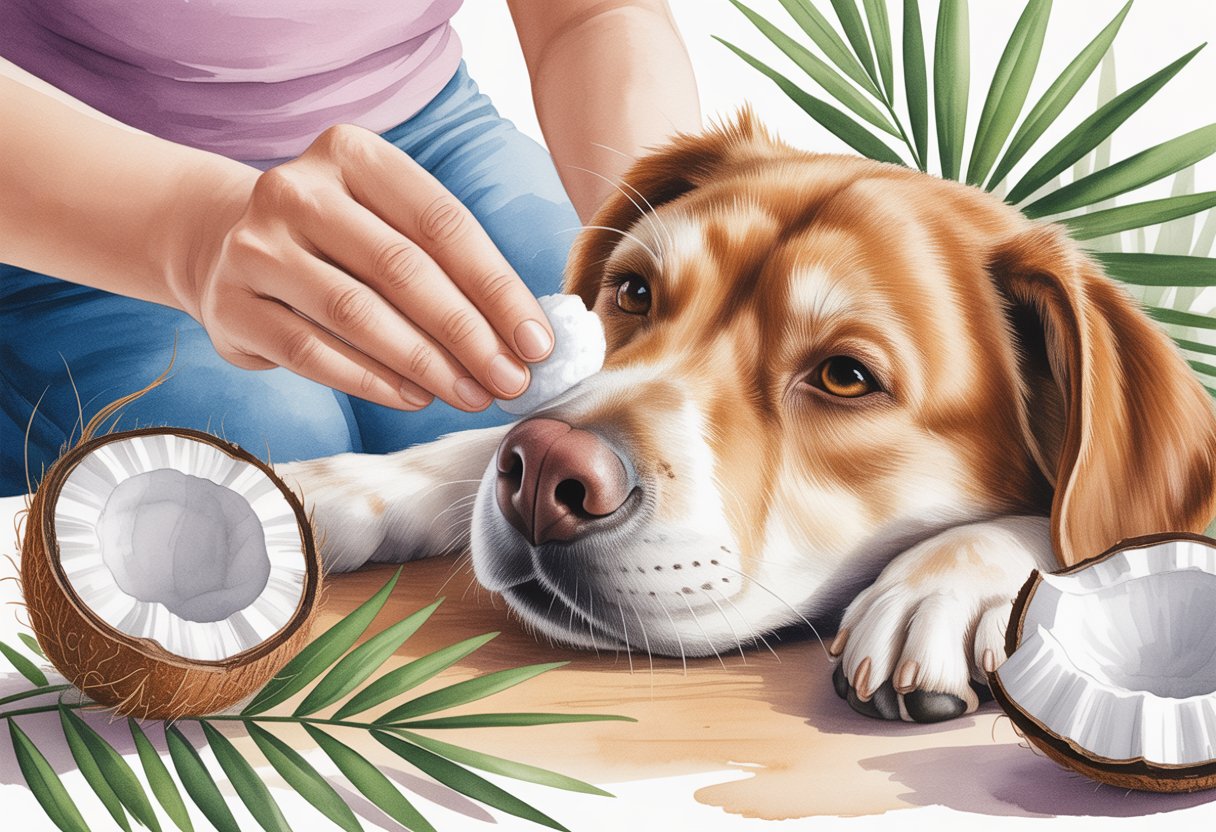
Rub a tiny amount of coconut oil onto your dog’s dry nose to add moisture and help with flaking. Use clean hands and just a pea-sized dab, then gently spread it over the dry spots.
Coconut oil’s mild antibacterial and anti-inflammatory properties can help calm minor irritation. If your dog licks some off, that’s usually fine, but don’t let them eat a ton.
Apply once or twice a day. If you see redness, swelling, or more irritation, stop using it.
If dryness sticks around for over a week, or if the nose cracks, bleeds, or seems painful, check with your vet. They’ll rule out bigger issues and suggest stronger stuff if needed.
Use shea butter as a natural, pet-safe moisturizer
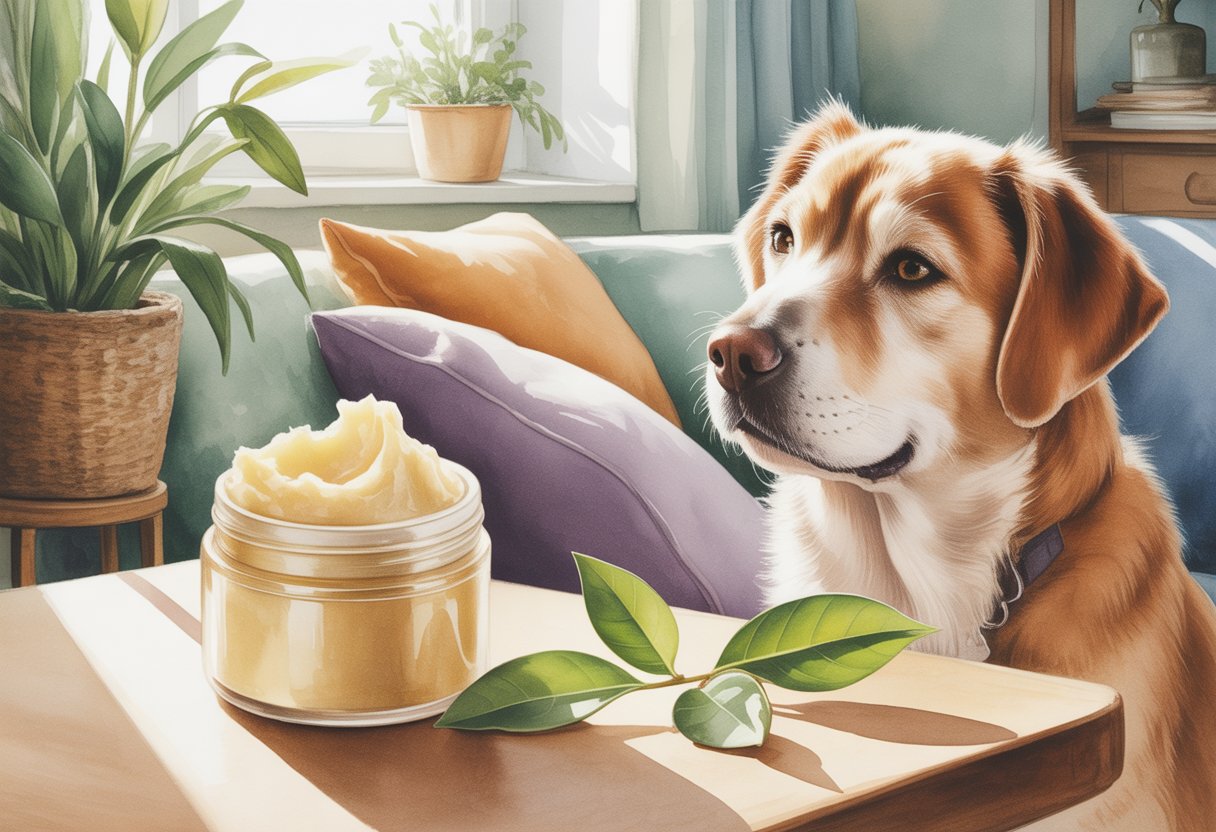
Shea butter is a gentle, natural option for soothing a dry, cracked nose. It’s packed with fatty acids that lock in moisture without harsh chemicals.
Go for 100% unrefined shea butter. Warm a little between your fingers, then rub a thin layer onto your dog’s nose once or twice a day.
Watch for irritation after the first use and stop if your dog’s nose gets red or swollen. Most dogs lick a bit; small amounts of pure shea butter are usually fine, but skip anything with fragrances or essential oils.
If your dog’s nose stays super dry, bleeds, or scars, talk to your vet before you keep using home remedies. Sometimes, there’s an infection or allergy that needs medical care.
Massage a small amount of olive oil to hydrate cracked areas
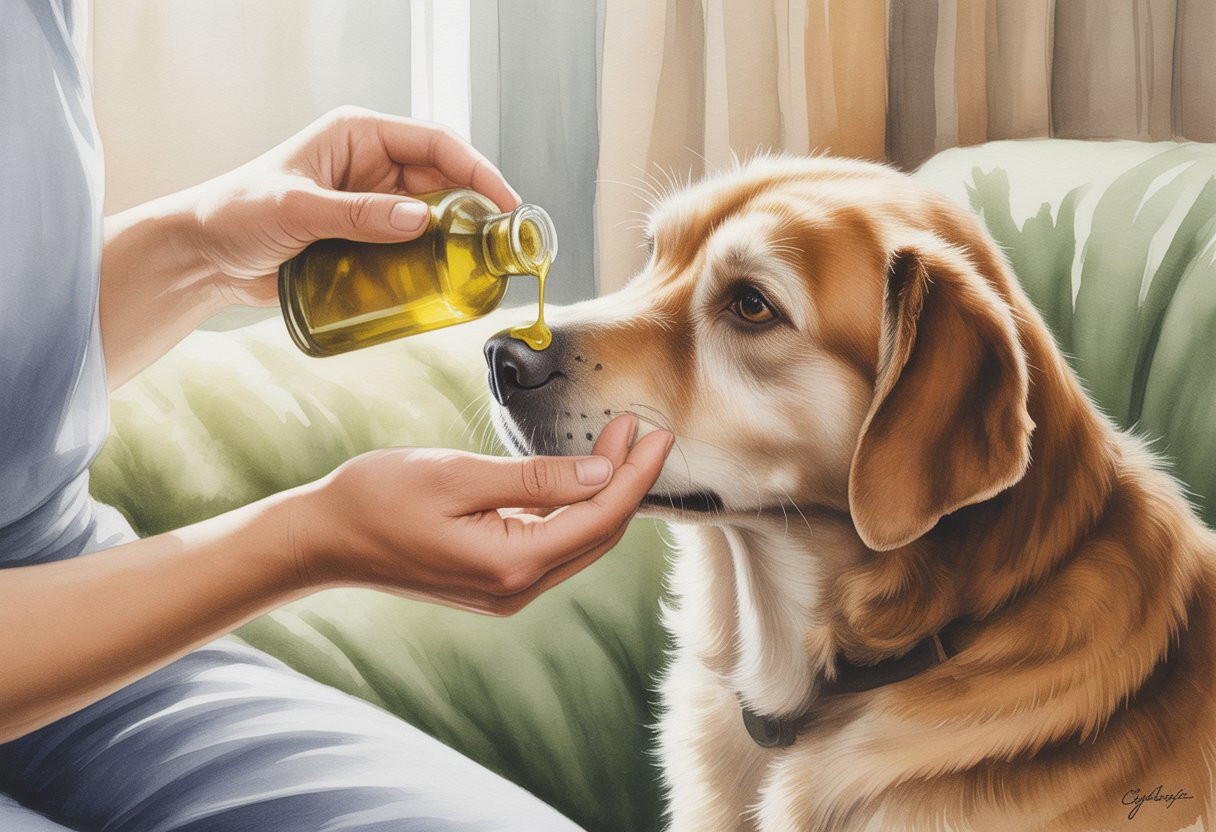
Put a tiny drop of extra-virgin olive oil on your fingertip. Gently rub it into the dry or cracked parts of your dog’s nose using small circles.
Use just enough to coat the skin. Too much oil attracts dirt and makes your dog want to lick it all off, which isn’t helpful.
Do this once or twice a day. Olive oil can soften and restore moisture, but it won’t fix deep cracks or bleeding—see your vet for those.
If your dog keeps trying to lick the oil, distract them with a toy or a quick treat so the oil can soak in. If the nose gets worse or looks infected, stop and call the vet.
Keep your dog hydrated with plenty of fresh water
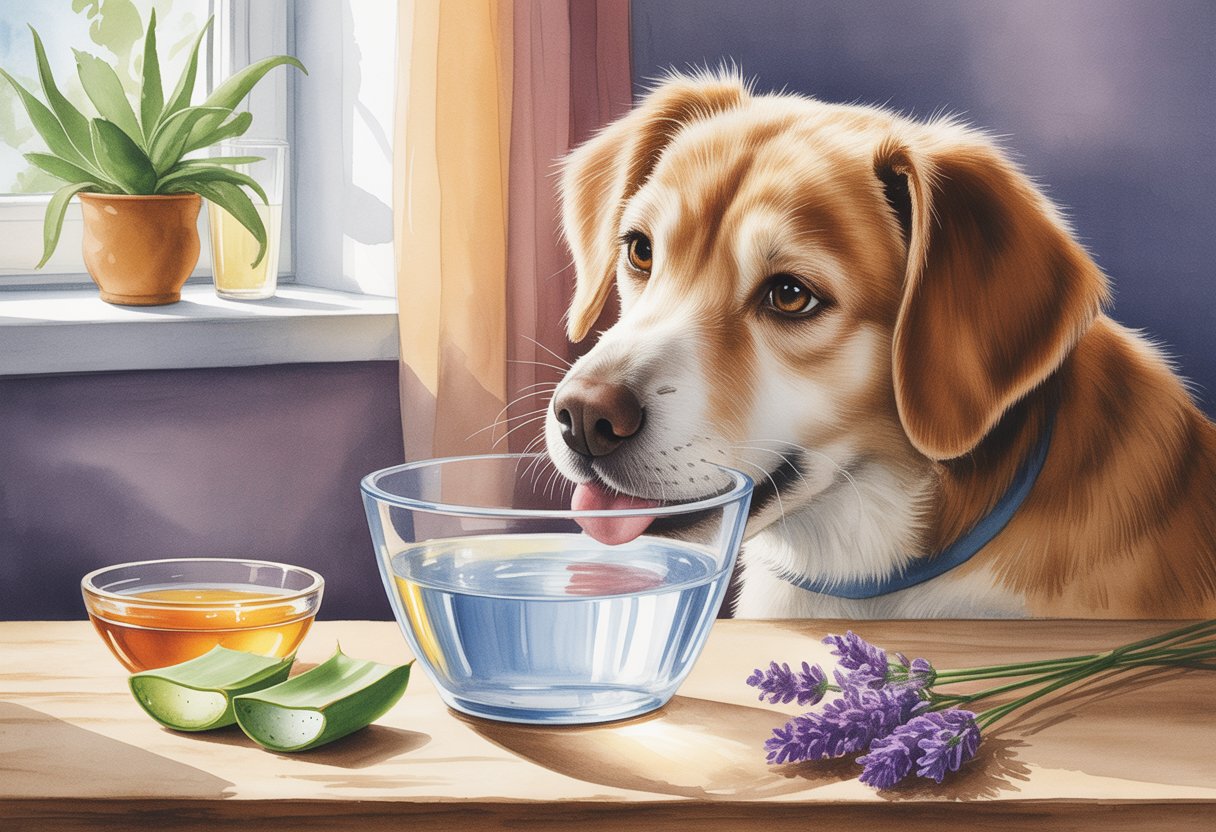
If your dog doesn’t drink enough, their nose dries out. Offer fresh water several times a day and swap it out so it stays clean and cool.
Set bowls wherever your dog hangs out, not just in the kitchen. That way, they’re more likely to drink throughout the day.
If your dog ignores the bowl, try a pet fountain or add a splash of low-sodium broth. Wet food also helps if they’re picky about water.
Keep an eye on how much your dog drinks. If you notice signs of dehydration—like dry gums, tiredness, or their skin doesn’t bounce back—call your vet.
Understanding Canine Dry Nose
A dry nose can happen because of weather, or sometimes from health issues that need attention. Here’s what usually causes dryness, which signs matter, and when you really should get the vet involved.
Common Causes of Dry Nose in Dogs
Cold, dry air and sun exposure often strip moisture from your dog’s nose. Indoor heating in winter and low humidity can make noses flaky.
Allergens like pollen, dust, or household cleaners can irritate the skin and cause dryness or mild cracking. Dehydration and age matter too—older dogs have less oily secretions, and not drinking enough water dries out noses and gums.
Certain meds or autoimmune conditions can cause persistent dryness, so notice if the problem lasts more than a few days. Check for recent changes at home—new cleaners, more time outside, or seasonal shifts often point to simple causes.
Symptoms to Watch For
A slightly dry nose by itself usually isn’t urgent. But if you see deep cracks, bleeding, scabs, or a grayish crust that won’t wash off, the skin might be damaged or even infected.
Also, pay attention to your dog’s behavior. If they act tired, won’t eat, have a fever, or show facial pain, those paired with nose changes are more serious.
If your dog starts pawing at their nose or avoids sniffing things, that’s a sign they’re uncomfortable. When dryness comes and goes with the weather or improves with moisturizer, it’s usually less concerning.
When to Consult a Veterinarian
Call your vet if dryness lasts over a week, even after you’ve tried more water and a pet-safe moisturizer. Get help right away if you see bleeding, open sores, heavy crusting, or signs of infection like pus, swelling, or a bad smell.
If dryness shows up with appetite loss, fever, weight loss, or your dog just seems off, mention it to your vet. Let them know about any new meds, supplements, or topical products—they can sometimes trigger allergies.
Bring photos and track how long the problem’s lasted, any diet changes, and what’s changed at home (like heating or cleaning products). Vets use those details to decide if your dog needs tests like a skin scrape or blood work.
Preventative Strategies for a Healthy Dog Nose
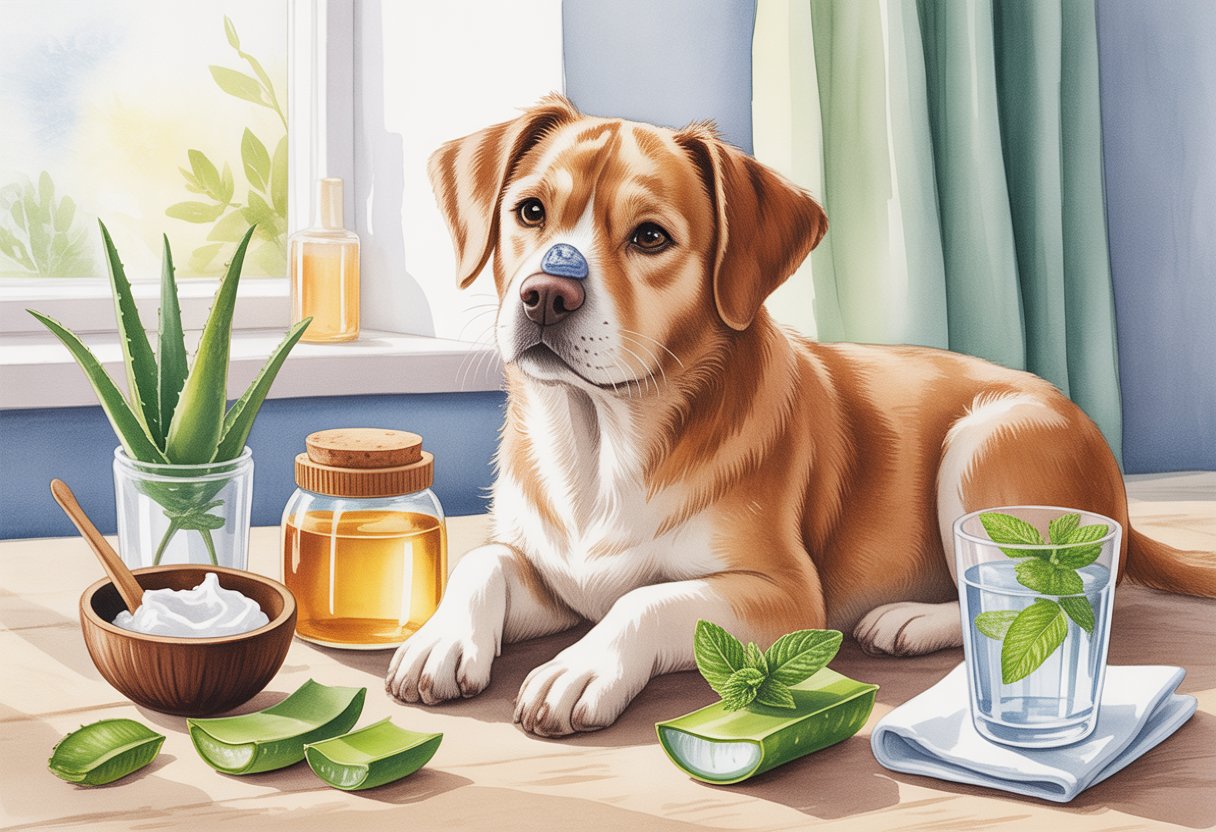
You can keep your dog’s nose soft by managing indoor air, avoiding irritants, and making sure they stay hydrated. Honestly, it’s the little daily habits—like using a humidifier and offering fresh water—that seem to matter most.
Environmental Factors and Humidity
Dry indoor air from heaters or ACs often dries out noses. Run a cool-mist humidifier in the rooms your dog uses most, aiming for 40–50% humidity.
Keep the humidifier away from their bed but in the same room so the air gets moist without blowing right on them. Avoid strong cleaners, de-icers, and perfumed sprays—they’ll dry or irritate the nose.
Wipe your dog’s nose with a warm, damp cloth after walks in salted or dusty areas. If you use a balm, pick a pet-safe, fragrance-free one and use it sparingly. Too much can build up and make things worse.
Proper Hydration Tips
Offer fresh water in a clean bowl. Change it at least once a day.
Some dogs really like running water, so a pet fountain might get them to drink more. Keep an eye on water intake; if your dog suddenly drinks less, it could mean something’s off and even cause a dry nose.
Mix in wet food or pour a bit of water over kibble to boost daily fluids. On hot days or after a good workout, you’ll want to offer water more often.
If your dog turns up their nose at drinking, try giving chilled water or offer small, frequent sips. That can help avoid spills and support hydration.