Watery eyes make your dog look uncomfortable and leave you worried.
Let’s go over some simple, natural steps you can try at home to ease irritation and keep your dog’s eyes cleaner while you figure out the cause.
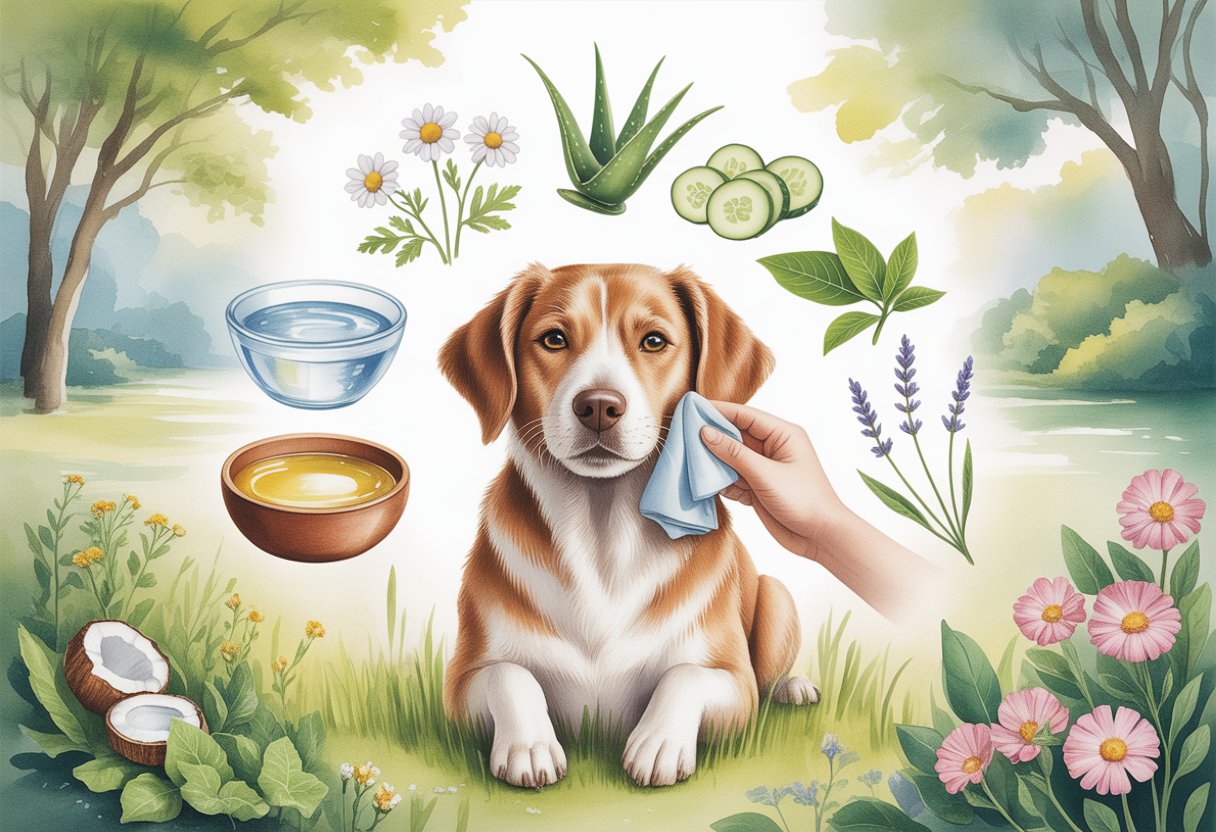
This article covers gentle options like warm compresses, safe rinses, and supportive herbs.
You’ll also find tips for spotting when a vet visit’s necessary.
Chamomile tea compress to soothe irritation
Brew plain chamomile tea, then let it cool all the way down.
Never use it warm or hot—your dog’s eye is way too sensitive for that.
Soak a clean cotton pad or soft cloth in the cooled tea.
Gently hold it against your dog’s closed eye for a few minutes, but don’t rub or press.
Always use a fresh pad for each eye so you don’t spread anything nasty.
If your dog has open wounds, big swelling, lots of discharge, or seems in pain, stop and call your vet.
Stick to short sessions, two or three times a day if your dog seems okay with it.
If things don’t improve in a day or two—or get worse—get your vet involved.
Coconut oil massage around the eyes
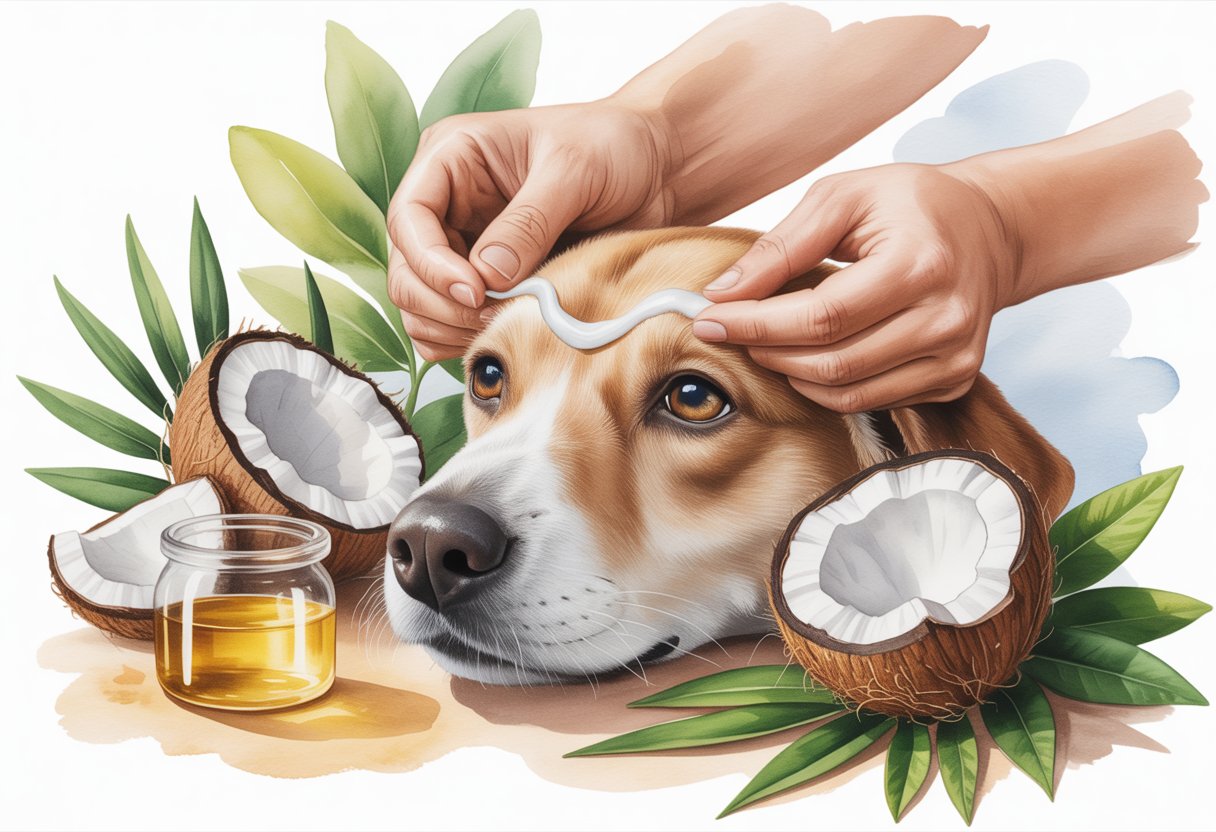
Take a tiny bit of virgin coconut oil and warm it between your fingers.
It’ll spread easier that way.
Use a clean cotton ball or just your fingertip and gently massage the fur and skin around your dog’s eyes.
Always move outward and away from the eye, and keep the pressure super light.
If your dog blinks a lot or pulls away, just stop.
Coconut oil can help with dry skin and crusts, but it won’t fix infections or serious eye issues.
If you spot redness, swelling, vision changes, or heavy goop, call your vet.
Stick with organic, unrefined oil and use it sparingly.
Wipe off any extra, and if your dog seems irritated, ditch the coconut oil.
Saline solution rinse to clear debris
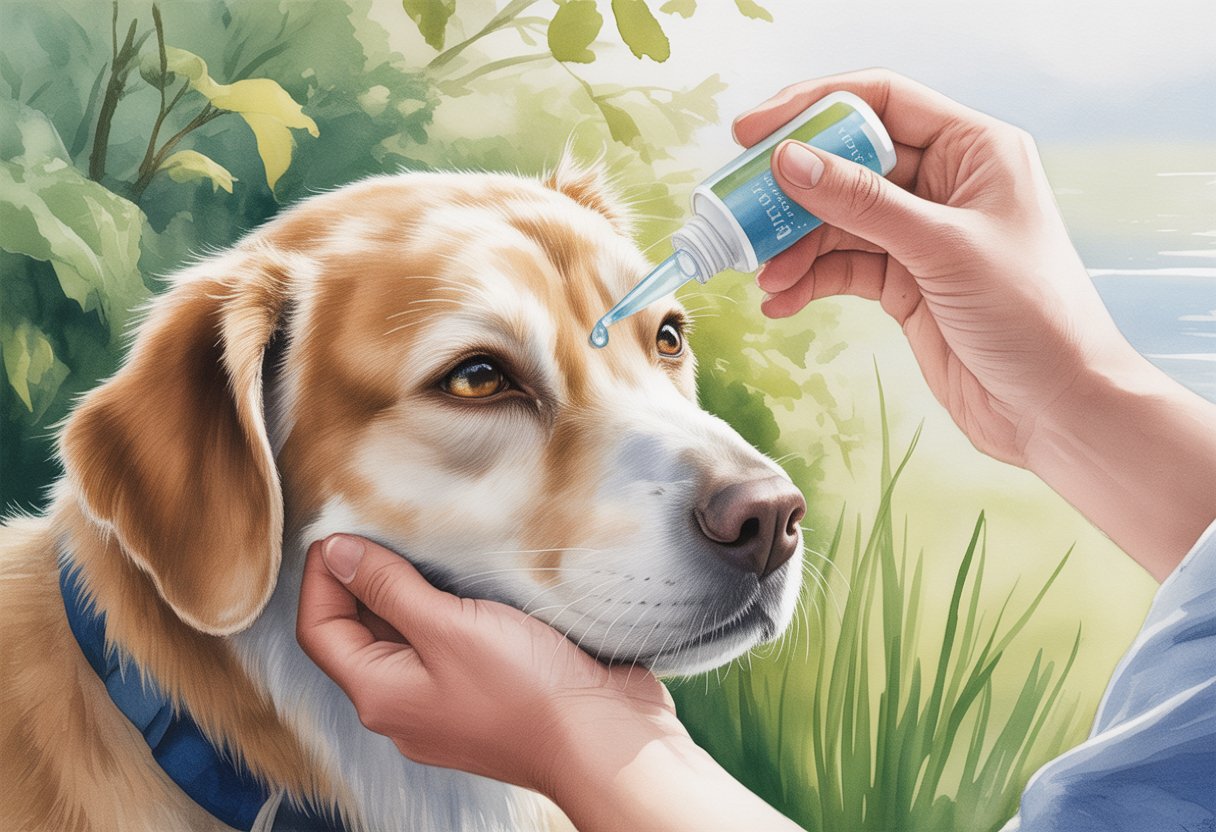
You can rinse your dog’s eyes with a simple saline solution.
Mix 1/4 to 1/2 teaspoon of plain table salt with a cup of warm, filtered water.
Stir until the salt dissolves.
Gently hold your dog and tilt their head so the liquid runs away from the nose.
Use a clean syringe, dropper, or a soft cloth soaked in the solution to dab or drip around the eye.
Don’t squirt anything directly into the eyeball.
Repeat the rinse a couple of times daily while keeping the area clean with fresh cotton or gauze.
If redness, thick discharge, swelling, or pain stick around, stop and get your vet’s advice.
Calendula-infused eye wash
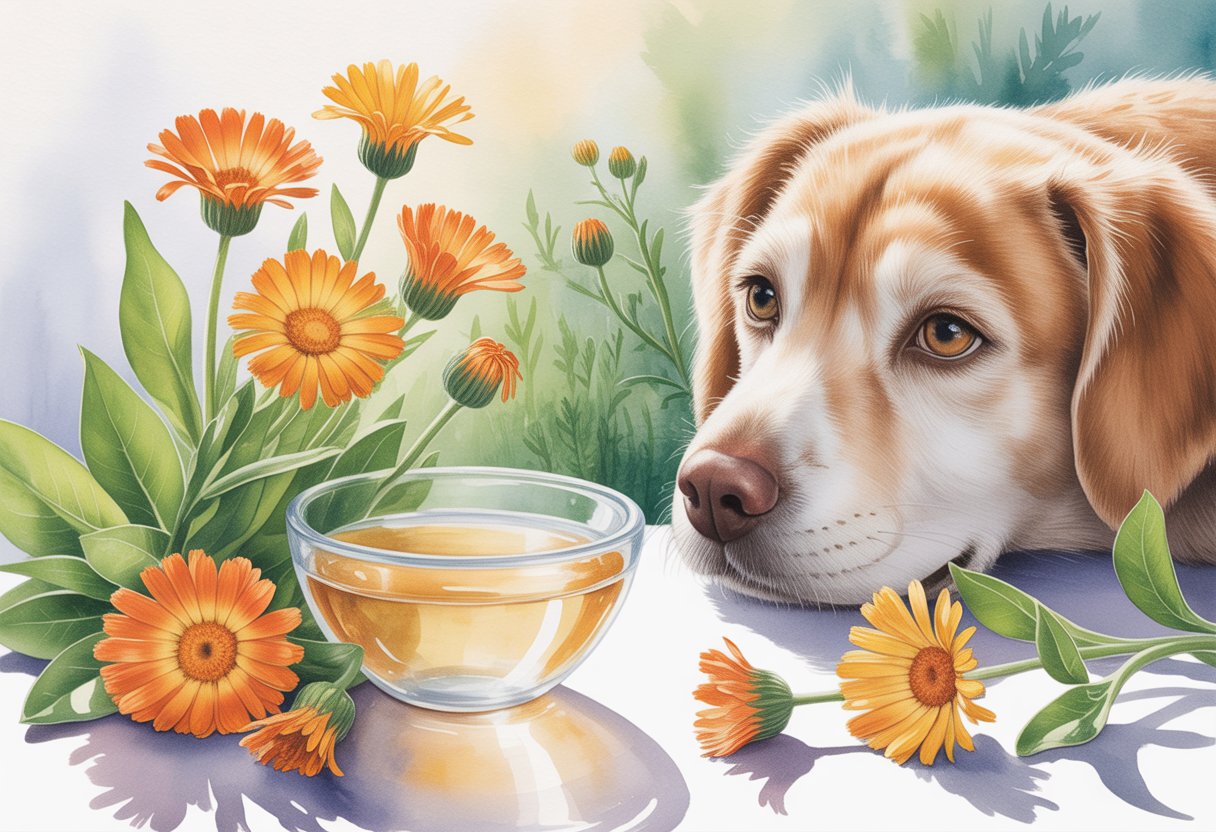
Calendula can calm mild eye irritation and flush out debris.
Steep dried calendula petals in boiling water for 5–10 minutes, then let it cool all the way.
Strain through a fine cloth or coffee filter so no petals sneak through.
You can mix it with sterile saline for a gentler wash, but skip any honey or oils.
Hold your dog gently and use a clean syringe or dropper to apply the cooled tea to the eye.
Let it run across the eye for a few seconds, then blot away extra with a soft cloth.
If redness, swelling, or pain gets worse, stop and call your vet.
Warm green tea bags applied briefly
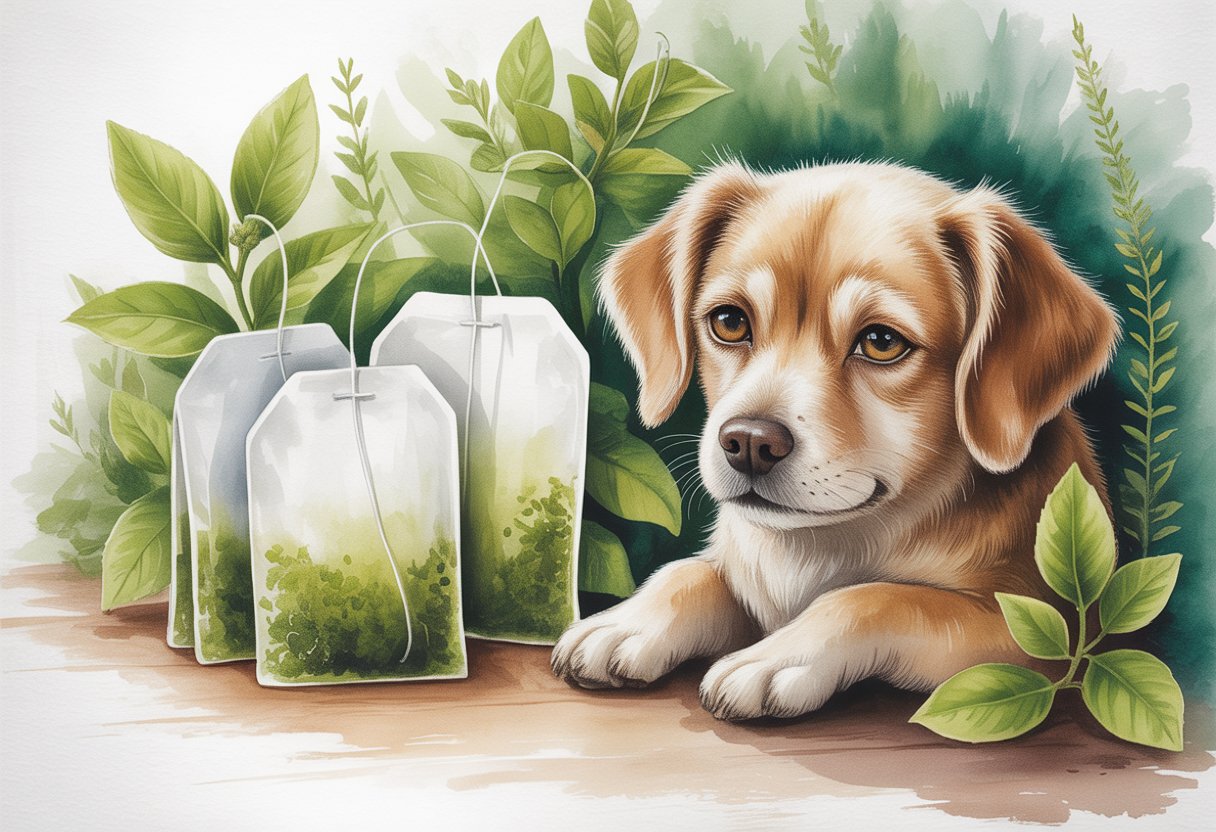
A cooled, warm green tea bag can help soothe mild eye irritation.
Green tea’s got some anti-inflammatory and antioxidant stuff that might calm the area.
Brew a plain green tea bag, let it cool until it’s just warm, then squeeze out the extra liquid.
Hold the tea bag gently against your dog’s closed eye for 30–60 seconds—don’t press or leave it on too long.
Always use a fresh tea bag for each eye and each time.
If you notice pain, swelling, thick discharge, or things get worse, stop and see your vet.
Don’t add any honey or oils to the tea.
Keep your hands and the tea bag clean to avoid bringing in bacteria.
Eye wipe with diluted chamomile infusion
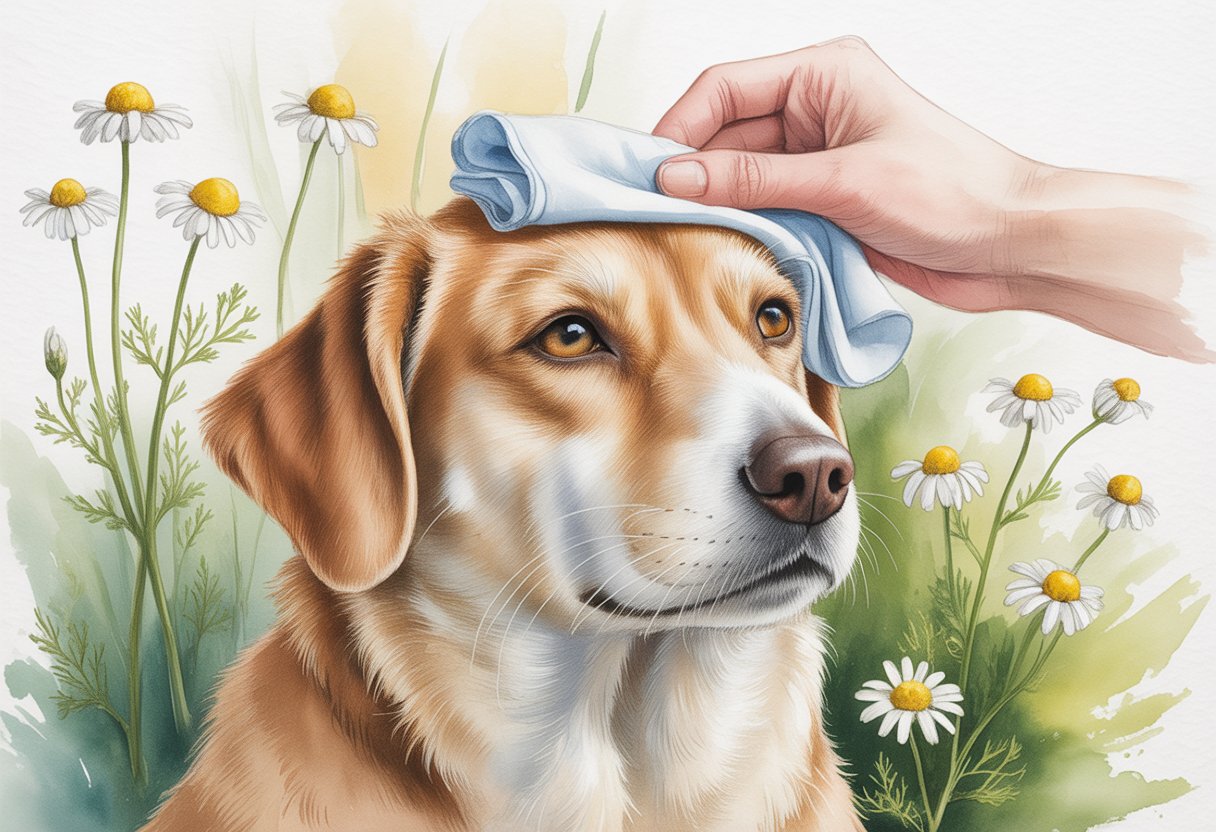
Steep a teaspoon of dried chamomile in a cup of boiling water for 5–10 minutes.
Let it cool, then strain out all the flowers.
Dilute the cooled tea with an equal part of distilled or boiled-and-cooled water.
Soak a sterile cotton pad or gauze, squeeze out the extra, and gently wipe from the inner corner of the eye outward.
Use a fresh pad for each wipe and each eye.
Move slowly and watch your dog’s comfort.
If you see more redness, swelling, or pain, stop.
Use this wipe once or twice a day for mild irritation or tear stains.
Skip it if your dog has deep wounds or obvious infections.
If things don’t get better in two days or get worse, it’s time for the vet.
Aloe vera gel around the eye area (avoid direct contact)
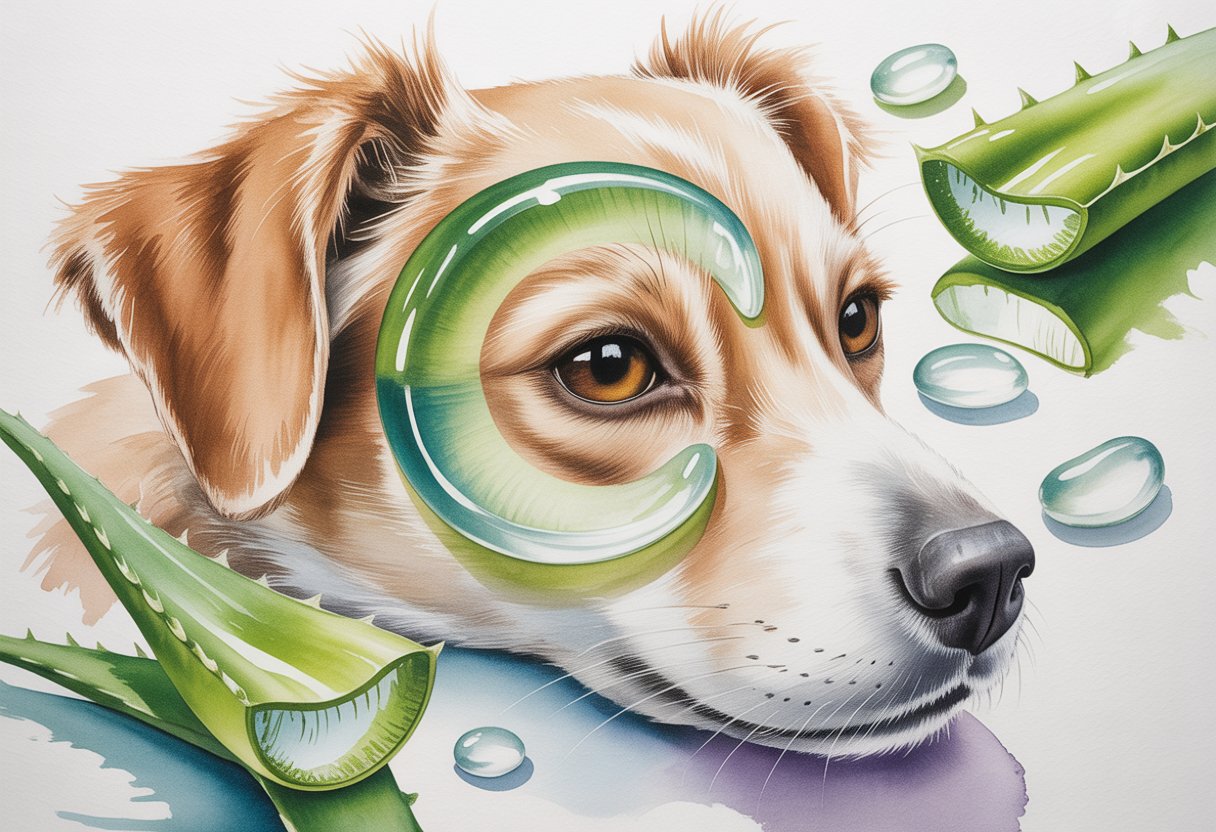
Pure, pet-safe aloe vera gel can soothe the skin around your dog’s eyes.
Just don’t put it on the eye itself.
Try a tiny spot first and wait a day to check for redness or swelling.
If your dog reacts, stop and call your vet.
Use clean hands or a cotton pad and avoid the inner corner where tears drain.
Keep the gel away from the mouth—dogs love to lick.
If your dog’s eyes are super red, painful, or producing thick discharge, skip home remedies and see a vet.
Some things just need medical drops or other care.
Herbal supplements with milk thistle
Milk thistle might help with tear staining linked to internal causes by supporting liver health.
It contains silymarin, an antioxidant that may help the liver process toxins and reduce inflammation.
Give milk thistle in a dog-safe form—capsules, liquid, or powder.
Always follow the label or your vet’s advice since the dose depends on your dog’s size and health.
Watch for upset stomach or allergy signs.
If things get worse or new symptoms pop up, stop and call your vet.
If your dog takes other meds, double-check with your vet before adding milk thistle—it can interact with some drugs.
Understanding Watery Eyes in Dogs
Watery eyes in dogs can show up for all sorts of reasons.
Sometimes it’s just a little irritation, but other times there’s a bigger medical issue hiding underneath.
You’ll see some common causes, signs to watch for, and a few situations that really shouldn’t wait.
Common Causes of Watery Eyes
Dogs’ eyes water for a bunch of reasons.
Allergies to pollen, dust, or household cleaners can cause persistent tearing and make dogs rub at their faces.
Foreign objects—like grass seeds or dust—can scratch the eye and trigger tearing right away.
Infections (bacterial or viral) often start with watery discharge that thickens or changes color over time.
Blocked tear ducts or eyelid shape issues (entropion, ectropion) mess with drainage and cause constant tearing.
Some breeds, especially flat-faced dogs (like pugs and bulldogs) or long-haired ones (like shih tzus and maltese), have more tear staining and overflow.
Medications, smoke, and dry eye can also mess with tear production.
Watch out for changes in color, smell, or if one eye looks worse than the other.
Potential Health Risks
Watery eyes sometimes mean something serious is going on.
If you see constant tearing with redness, swelling, cloudiness, or pain, it could be a corneal ulcer or a deep infection—those can really mess with vision.
Blocked tear drainage can lead to skin staining and infections.
Allergic or immune problems may damage tear glands over time.
If your dog squints, rubs at their eye, or hides from light, don’t wait—get the vet involved.
When to Consult a Veterinarian
Keep an eye out for pain, sudden changes, or thick yellow or green goop.
Be ready to tell your vet when it started, what you’ve tried, and any other health issues or meds your dog’s on.
Warning Signs Not to Ignore
If your dog keeps pawing at an eye, squints, or won’t open the eye, get help fast.
Those are usually signs of pain, injury, or a foreign object.
Thick yellow, green, or bloody discharge screams infection.
Redness, swelling, or a cloudy eye surface point to bigger problems like ulcers or glaucoma.
If watery eyes show up suddenly in one eye, or both eyes change quickly, don’t wait.
Also, call your vet if your dog’s appetite, behavior, or breathing changes along with the eye stuff.
Preparing for Your Vet Visit
Jot down when you first noticed the discharge. Make a note of its color and if it’s coming from one or both eyes.
If you tried any home remedies, write those down too. List the exact products you used, even if you’re not sure they helped.
Snap a few photos or take a quick video when your dog’s eye looks the worst. Videos can show blinking, squinting, or discharge that might not show up at the clinic.
Write out your dog’s age and breed. Don’t forget to mention any current meds, recent injuries, or if your pup’s been around other animals.
When you’re at the vet, ask if they’ll need to run tests like a fluorescein stain, a tear production test, or maybe a bacterial culture.