Eye discharge in dogs can make you worry and leave you wondering what to do next. You can safely try gentle home steps to clean and soothe mild eye muck while keeping an eye out for signs that mean a vet visit.
This article covers practical DIY options and helps you figure out when it’s time to stop home care and call a professional.
You’ll find easy methods using common items to clean, soothe, and protect your dog’s eyes. There are also tips to help you avoid making things worse.
The goal here is to help you manage minor issues at home, but also to know the warning signs that mean it’s time for the vet.
Warm saline eye wash to gently clean discharge
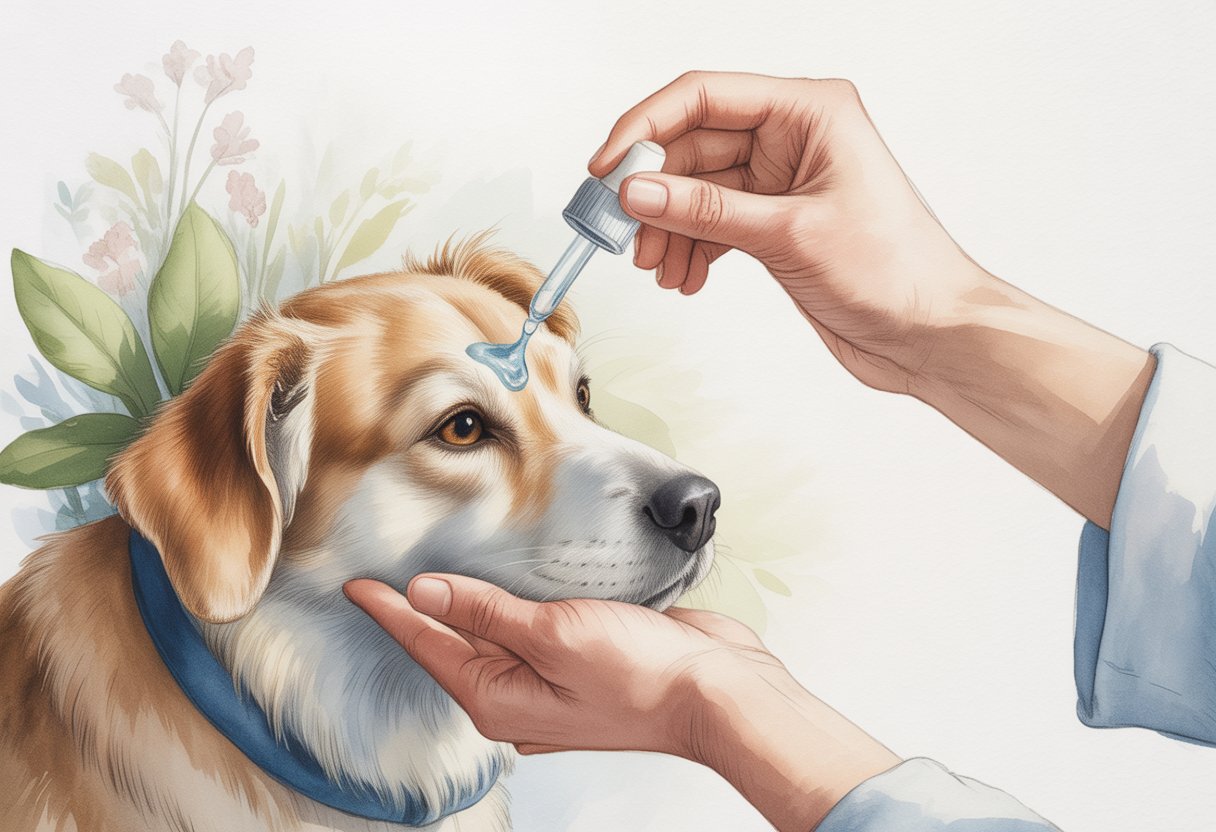
Try a warm saline wash to rinse away crust and loose discharge without irritating your dog’s eye. Dissolve 1/4 to 1/2 teaspoon of plain salt in a cup of boiled, cooled, or distilled water—use it once, then toss the rest.
Sit your dog calmly and tilt their head up just a bit. With a clean dropper, syringe, or a cotton ball soaked in saline, gently rinse the eye—don’t reuse a cotton ball.
Warm the solution to body temp first so you don’t startle or chill your dog. Hold a soft cloth under the eye to catch drips and gently wipe from the inner corner outward.
You can repeat this every few hours for mild discharge. If the eye gets painful, red, cloudy, or the discharge turns thick, green, or bloody, stop and call your vet.
Chamomile tea compress to soothe irritation
Brew plain chamomile tea and let it cool all the way down. Soak a clean cloth or cotton pad in the tea and use it as a warm compress on your dog’s closed eye for a few minutes.
Chamomile’s mild anti-inflammatory properties can help reduce redness and swelling. It’s soothing, especially if your dog’s got mild irritation or allergies.
Keep everything super clean—don’t introduce bacteria. Use fresh tea every time and never pour tea directly in the eye; compresses are much safer.
If your dog seems more uncomfortable, if discharge worsens, or the eye looks cloudy or painful, stop and call your vet. Better safe than sorry.
Applying a diluted saline solution with a clean cloth
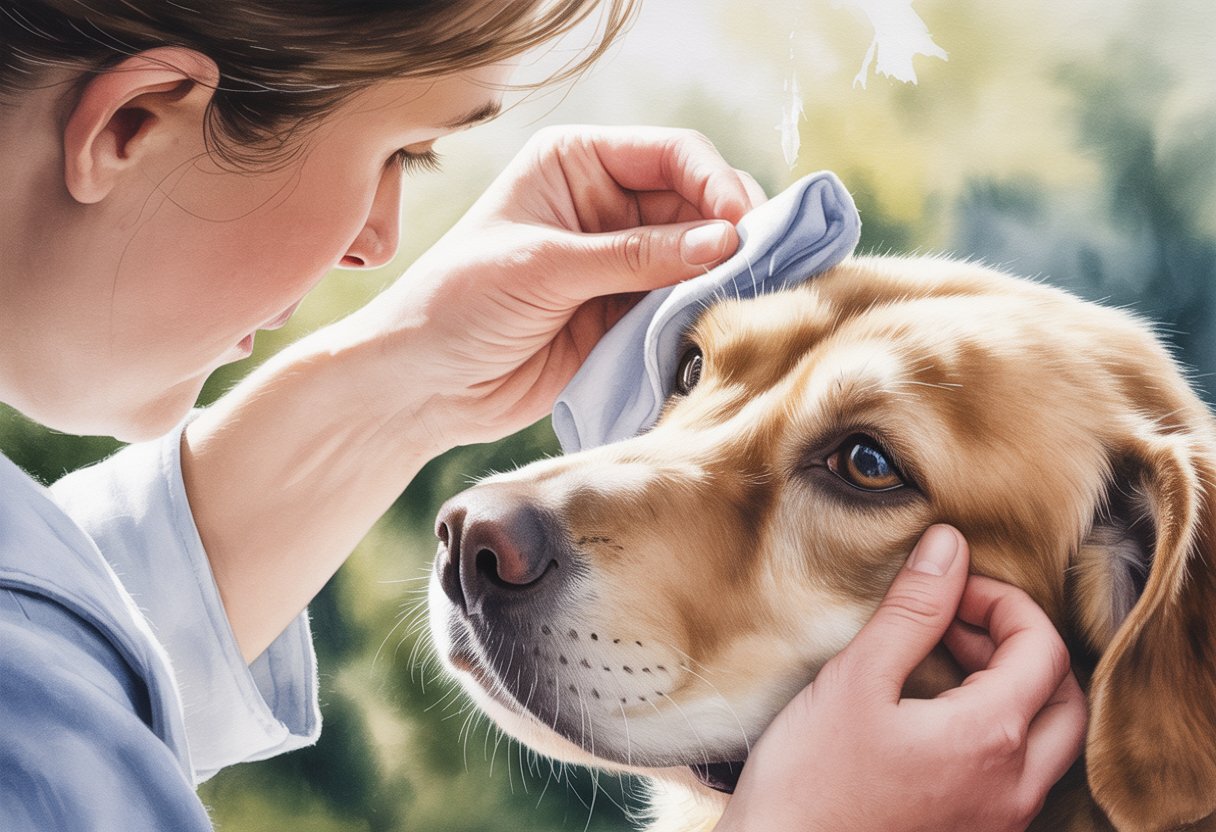
Mix up a simple saline: 1/4 to 1/2 teaspoon salt in a cup of boiled, cooled water. Use filtered or distilled water if you have it, and make sure it’s at room temp before using.
Wash your hands first. Soak a clean cloth or cotton pad in the saline, then gently wipe from the inner corner outward. Flip or change the cloth for each wipe to avoid spreading debris.
Do this a couple times a day for mild discharge, or after your dog’s been outside. If the eye looks worse, gets redder, or your dog seems in pain, stop right away.
Don’t pour the solution directly in the eye unless your vet says so. If discharge is thick, bloody, green, or sticks around more than a day or two, contact your vet.
Coconut oil applied sparingly around the eye area
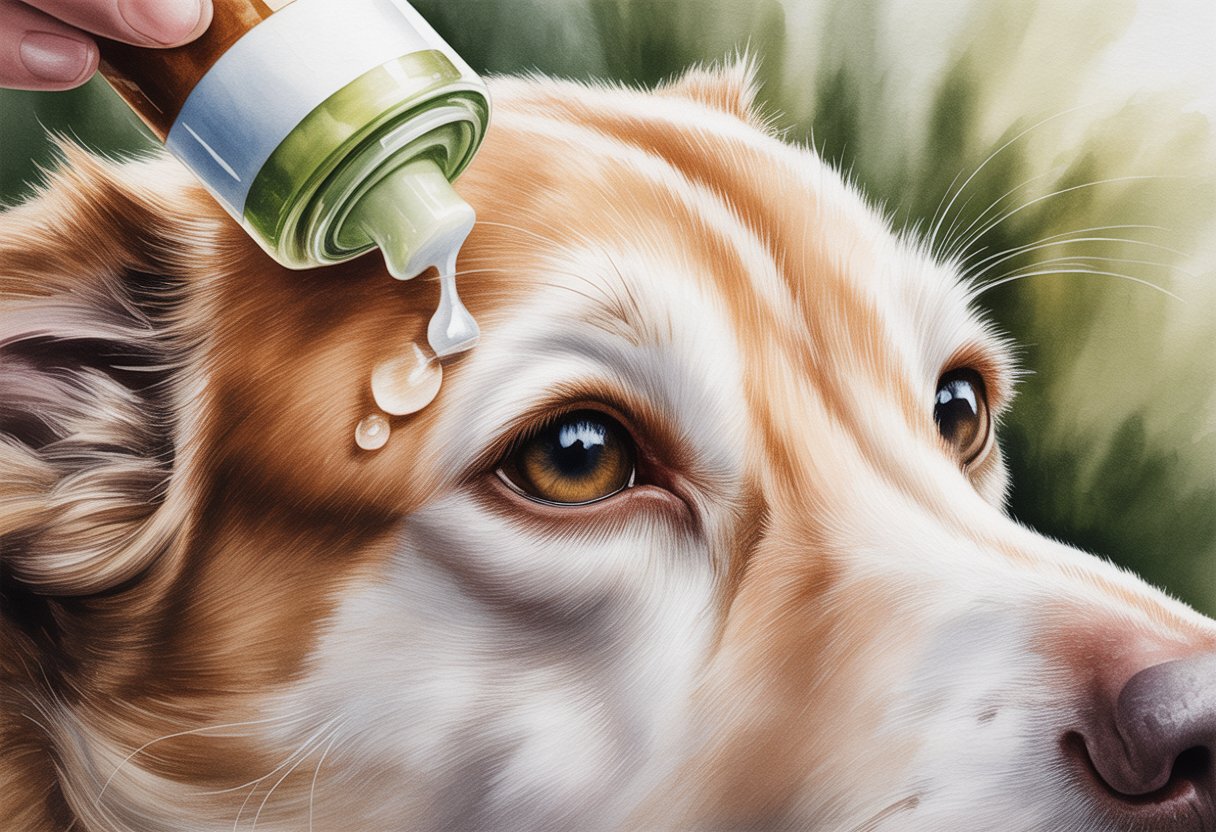
You can dab a tiny bit of virgin coconut oil on the fur and skin just around your dog’s eyes. This helps soothe dryness and reduce crusting.
Use a clean fingertip or cotton pad, and don’t get any oil inside the eye. Coconut oil has gentle anti-inflammatory and moisturizing effects, which can keep the eyelid area soft and less irritated.
Stick to intact skin only, and stop if you see redness, swelling, or more discharge. Wash your hands first and trim excess fur so dirt doesn’t get trapped.
Limit this to once a day. If the discharge keeps coming or changes color, check in with your vet.
Breast milk drops to leverage natural antibodies
For puppies or kittens, you might try a couple drops of fresh breast milk if you trust the source. Breast milk has antibodies and anti-inflammatory stuff that may help soothe irritation.
Use only clean, freshly expressed milk and a sterile dropper or cotton. Wipe away any crust with a warm, damp cloth before adding a drop or two to the eye.
Watch your pet for any redness, worsening, or more discharge. If things get worse, stop using milk and see your vet fast.
Don’t use milk from unknown sources or milk that’s been sitting around. Breast milk isn’t a cure-all—think of it as a short-term option while you get professional advice.
Use of a homemade eye cleaner with purified water and a drop of baby shampoo
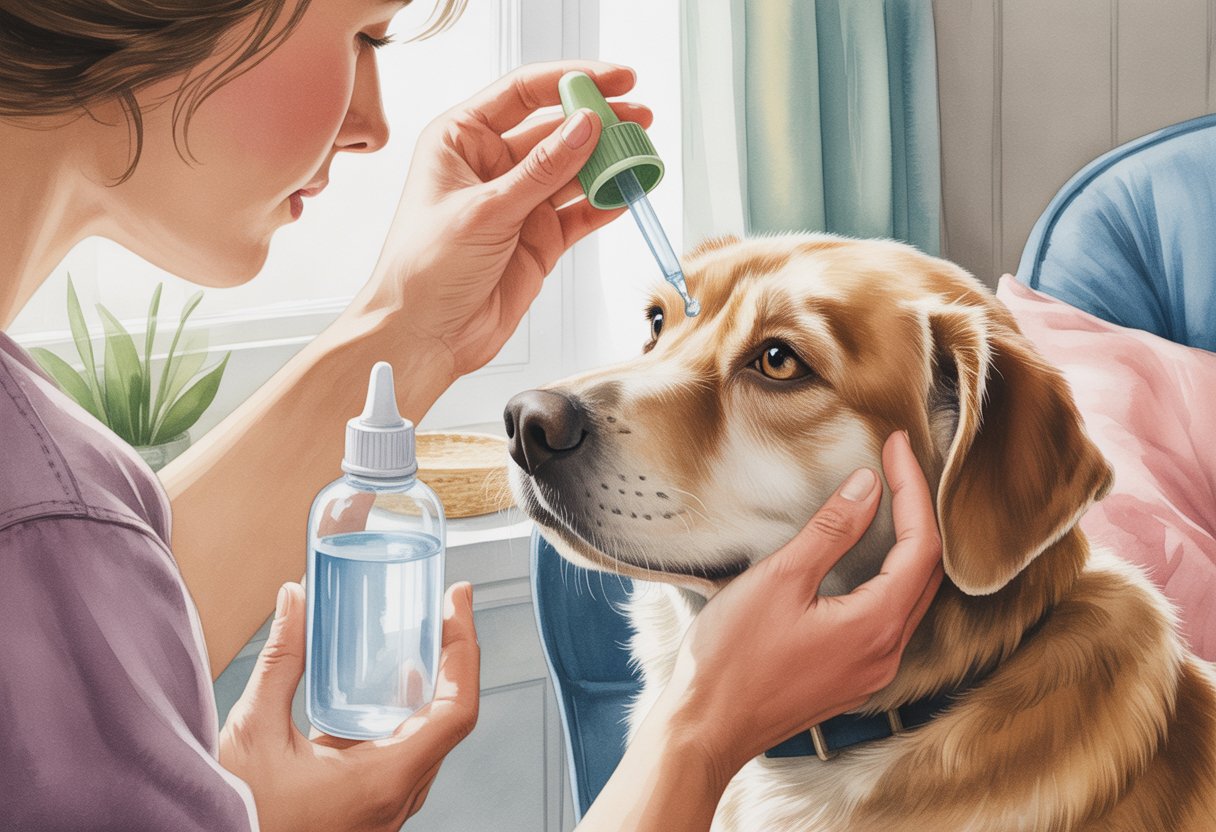
Mix purified or distilled water with one drop of tear-free baby shampoo per ounce to make a mild eye cleaner. Use only sterile tools and a clean container.
Soak a cotton pad or gauze in the solution, then gently wipe from the inner corner outward. Switch to a new pad for each wipe.
Keep your dog calm and steady to avoid accidents. If you see more redness, swelling, a strong odor, or your dog seems in pain, stop and call your vet.
This mix works for removing crust and mild debris, but it won’t fix infections or bigger problems. Treat it as a quick cleaning option, not a replacement for real treatment.
Avoid rubbing the eyes to prevent further irritation
If your dog’s eyes drip or itch, don’t rub them. Rubbing can push bacteria or dirt deeper and make things worse.
Use a clean, damp cloth to gently wipe away discharge. Always wipe from the corner outward, using a fresh part of the cloth each time.
If you use cotton balls, moisten them with saline or plain water first. Never reach for alcohol, hydrogen peroxide, or human eye drops—unless your vet tells you.
If your dog keeps pawing at their face, distract them with a walk or a chew toy. If the rubbing or swelling keeps up, have your vet check things out.
Understanding Causes of Dog Eye Discharge
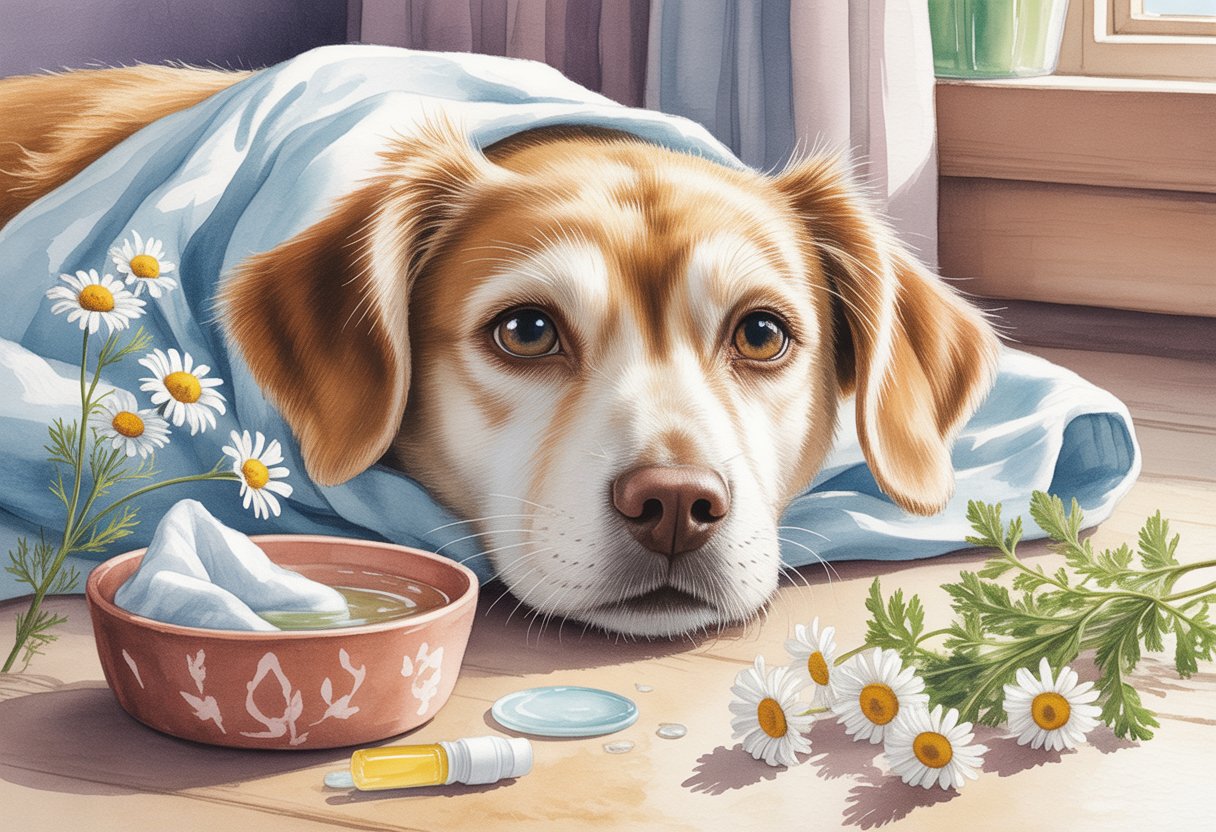
Dog eye discharge can come from health problems or just stuff in the environment. Figuring out the cause helps you pick the right home care or know when the vet’s needed.
Common Medical Triggers
Infections like conjunctivitis or corneal ulcers make eyes red, swollen, and produce yellow or green pus. Bacterial infections usually cause thick, colored discharge, while viral issues can just make the eyes water.
Tear-duct problems, like blocked nasolacrimal ducts, lead to constant tearing and brown stains—especially in flat-faced breeds. Eyelid issues—entropion (lids roll in) or ectropion (lids roll out)—rub the cornea and cause chronic discharge and redness.
Allergies and illnesses, even autoimmune stuff, can bring watery eyes or mucus. If your dog’s in pain, squinting, pawing at the eye, or discharge lasts more than two or three days, get them to the vet.
Environmental Irritants
Dust, smoke, pollen, and chemicals can irritate the eye. You might notice sudden watery or clear discharge after walks, yard work, or cleaning sprays.
Foreign bodies like grass seeds or tiny debris cause one-sided tearing, blinking, and thin, clear or mucousy discharge. Long facial hair brushing against the eye can lead to constant irritation and crusting.
Indoor stuff, like dry air or strong air fresheners, can make dry-eye symptoms worse and increase discharge. Remove the irritant if you can and gently flush the eye with sterile saline.
If symptoms stick around, have your vet check for hidden injury.
When to Seek Veterinary Attention
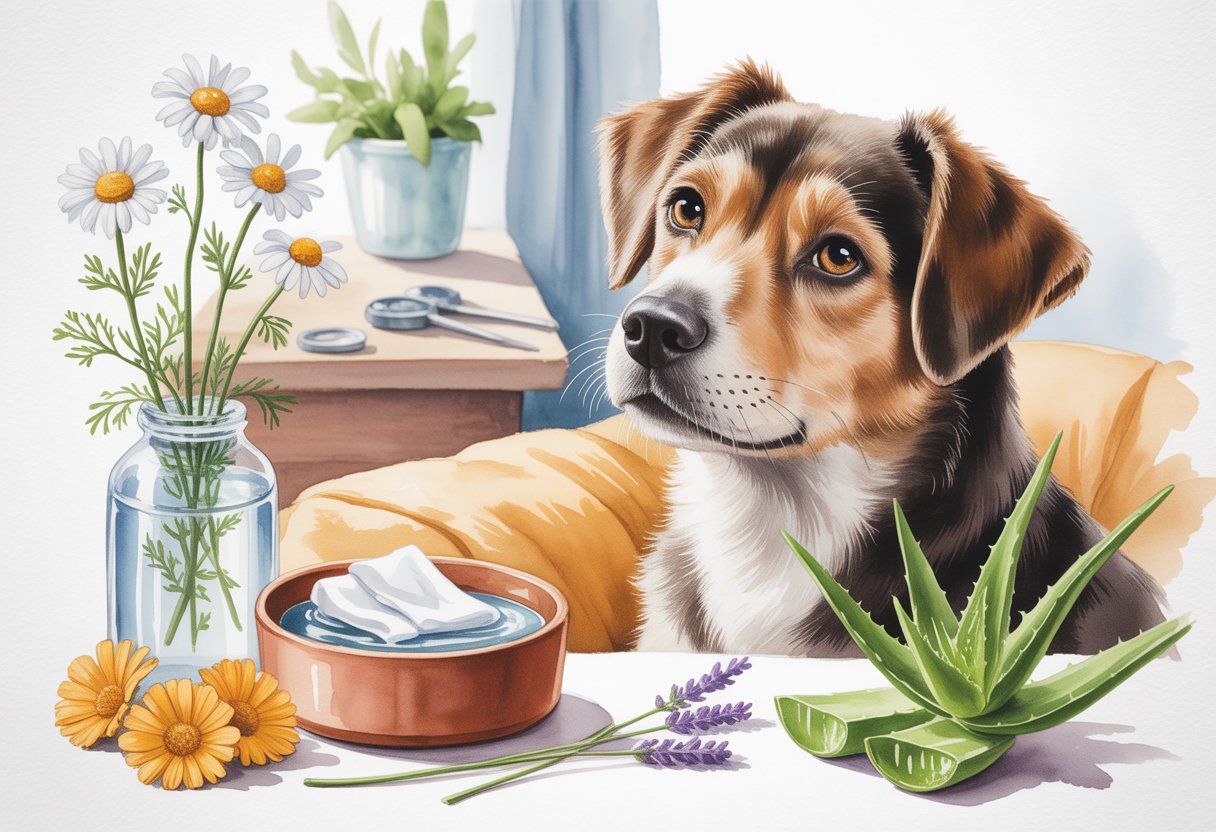
Watch for quick changes in your dog’s eyes, thick or colored discharge, or signs of pain or vision loss.
These problems usually need a vet exam and treatment to prevent lasting damage.
Warning Signs of Serious Conditions
If your dog’s discharge is green, yellow, or bloody, get to the vet right away. Those colors usually mean infection or injury that needs antibiotics or other meds.
Sudden swelling, a cloudy cornea, or one eye closing all the time are big red flags. These can mean ulcers, glaucoma, or trauma—stuff that can cause permanent vision loss if you wait.
If your dog squints, paws at the eye, or seems in pain, don’t mess around—see the vet. Sudden changes in behavior, like hiding or skipping meals, can also mean pain.
If you can, bring a sample of discharge on a clean cloth. Note when the problem started, any injuries, and if your dog’s been around other animals or chemicals to help your vet figure it out quicker.
Risks of Untreated Eye Issues
Untreated eye infections spread quickly and can get much worse. What starts as a simple conjunctivitis might dig deeper, reaching the cornea—and if you let it go, you could end up facing surgery.
If your dog has chronic tearing or blocked tear ducts and you ignore it, the skin around their eyes gets irritated. That skin turns raw, painful, and can even pick up secondary infections.
Glaucoma is another sneaky one. The pressure builds, damaging the optic nerve, and if you wait too long, your dog could lose vision for good.
Honestly, putting off a vet visit just makes everything harder and more expensive. Early care usually means a few drops, ointments, or maybe some pills—instead of major surgery or a lifetime of meds.