
You want your dog to move without pain and enjoy daily walks again. Here are ten natural, practical ways you can help ease your dog’s arthritis and support joint health so they stay more comfortable and active.

You’ll find info on supplements, diet tweaks, gentle exercises, and therapies that both vets and owners use to reduce inflammation and improve mobility.
Pick and choose what fits your dog’s needs, and always work alongside your vet for the best outcome.
Glucosamine supplements to support cartilage repair
Glucosamine helps build and maintain cartilage, the cushion between your dog’s joints. You can give it as a chew, tablet, or powder made for dogs.
A lot of vets recommend glucosamine for arthritic dogs. Some studies show it can help reduce pain and improve mobility, but results aren’t guaranteed and it may take weeks or months to see a difference.
Stick to products labeled for dogs and dose by weight or your vet’s advice. Look for formulas that clearly state the glucosamine type and amount.
Keep an eye out for side effects like upset stomach or allergic reactions. If your dog vomits or acts strangely, stop the supplement and call your vet.
Let your vet know about all supplements, since glucosamine can interact with other meds or conditions.
Fish oil rich in Omega-3 fatty acids for inflammation reduction
You can give your dog fish oil for EPA and DHA—two omega-3s that help lower inflammation. These come from fatty fish like salmon and sardines, and most pet supplements concentrate them for easy dosing.
Omega-3s may reduce joint pain and stiffness by dialing down inflammation. Some studies in both people and animals show less need for other anti-inflammatory drugs.
Start with a vet-approved dose based on your dog’s weight. Too much fish oil can cause loose stools or blood-thinning, so don’t guess on the amount.
Pick a pet-specific product, tested for purity, and labeled with EPA and DHA content. Store it in a cool, dark place, and watch for changes in your dog’s appetite, stool, or movement after starting.
Turmeric powder or capsules for natural anti-inflammatory effects

Turmeric can help reduce inflammation in dogs, thanks to its active compound, curcumin. Some owners sprinkle a little turmeric powder on food, while others use capsules for more consistent dosing.
If you want to try turmeric, start with a low dose and keep an eye on your dog for any changes. Definitely talk to your vet first, especially if your dog’s on blood thinners or has liver issues.
Curcumin doesn’t absorb well by itself, so look for products with black pepper (piperine) or a fat source. Follow product guidelines and avoid human supplements—those doses are usually way too high for dogs.
Watch for side effects like an upset stomach or diarrhea. If you spot anything odd, stop using it and check in with your vet.
Chondroitin sulfate to maintain joint health
Chondroitin sulfate, found naturally in cartilage, can support your dog’s joint structure. It may slow cartilage breakdown by blocking enzymes that wear it down.
You’ll often see chondroitin paired with glucosamine and omega-3s in joint supplements. These combos aim to cushion joints and boost comfort over time.
Always check with your vet before starting chondroitin. They’ll help with dosing and look out for any interactions or issues.
Physical therapy exercises tailored for dogs with arthritis
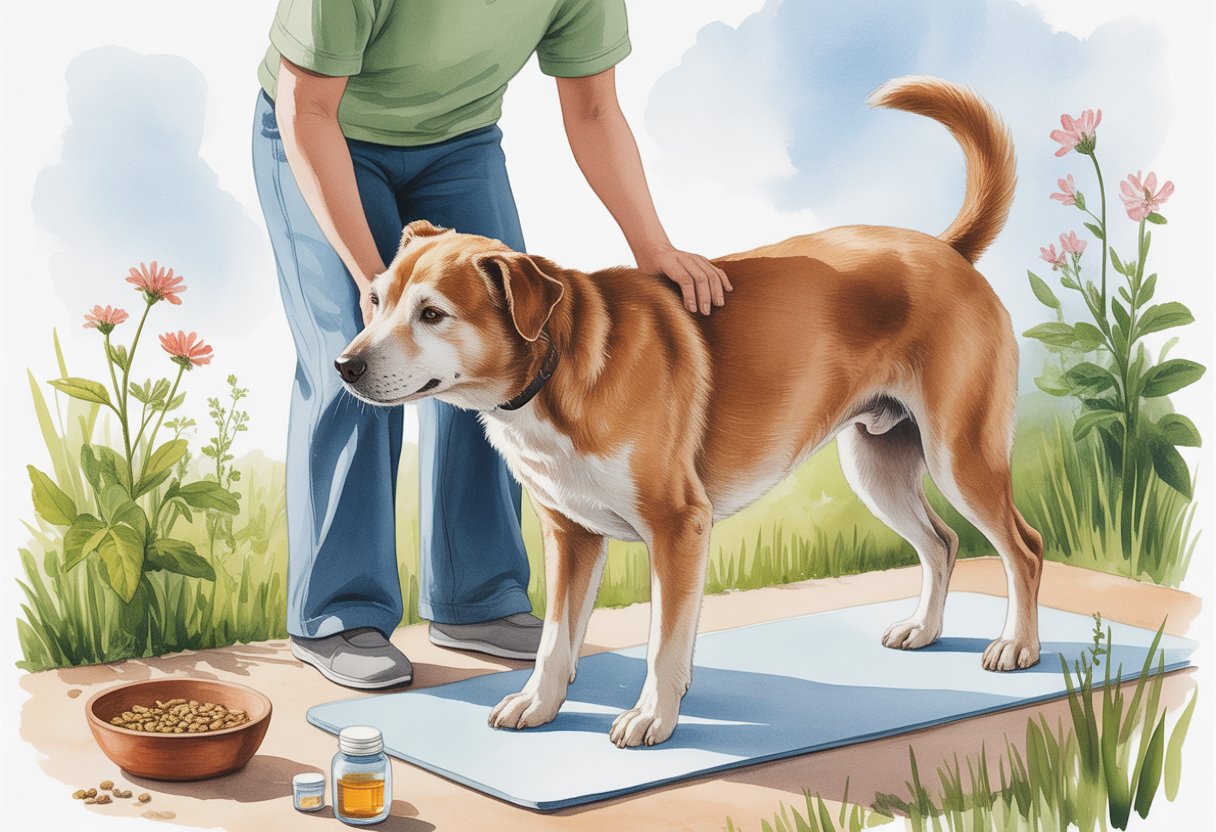
Gentle, controlled exercises keep your dog’s joints moving and muscles strong. Start slow and only increase time or reps if your dog seems comfortable afterward.
Walking on a flat surface at a steady pace can help maintain joint range and build muscle without much impact. Short, frequent walks usually work better than one long trek for dogs with arthritis.
Swimming or shallow-water walking takes weight off the joints, letting your dog move more freely. Always supervise and use a life vest if you’re at all unsure.
Try range-of-motion exercises—slowly bending and straightening the limbs. Do a few reps once or twice a day, stopping if your dog pulls away or seems uncomfortable.
Balance and strengthening moves, like standing on a soft pillow or stepping over low obstacles, can help with coordination and muscle support. Keep sessions short and make it fun for your dog.
Weight management to reduce joint stress
Keeping your dog at a healthy weight takes pressure off their joints and can ease pain. Even losing a little weight can lower the strain on hips and knees.
Measure portions and check calorie intake. Pick a balanced diet that fits your dog’s age, breed, and activity.
Add low-impact exercise like short walks, swimming, or gentle play. These build muscle without overloading joints.
Before starting a weight plan, talk with your vet. They’ll help set a safe target and rule out other causes of weight gain.
Weigh your dog regularly and check their body condition. Adjust food and activity as you go, and try to reward with play or affection instead of treats.
CBD oil formulated for canine arthritis pain relief
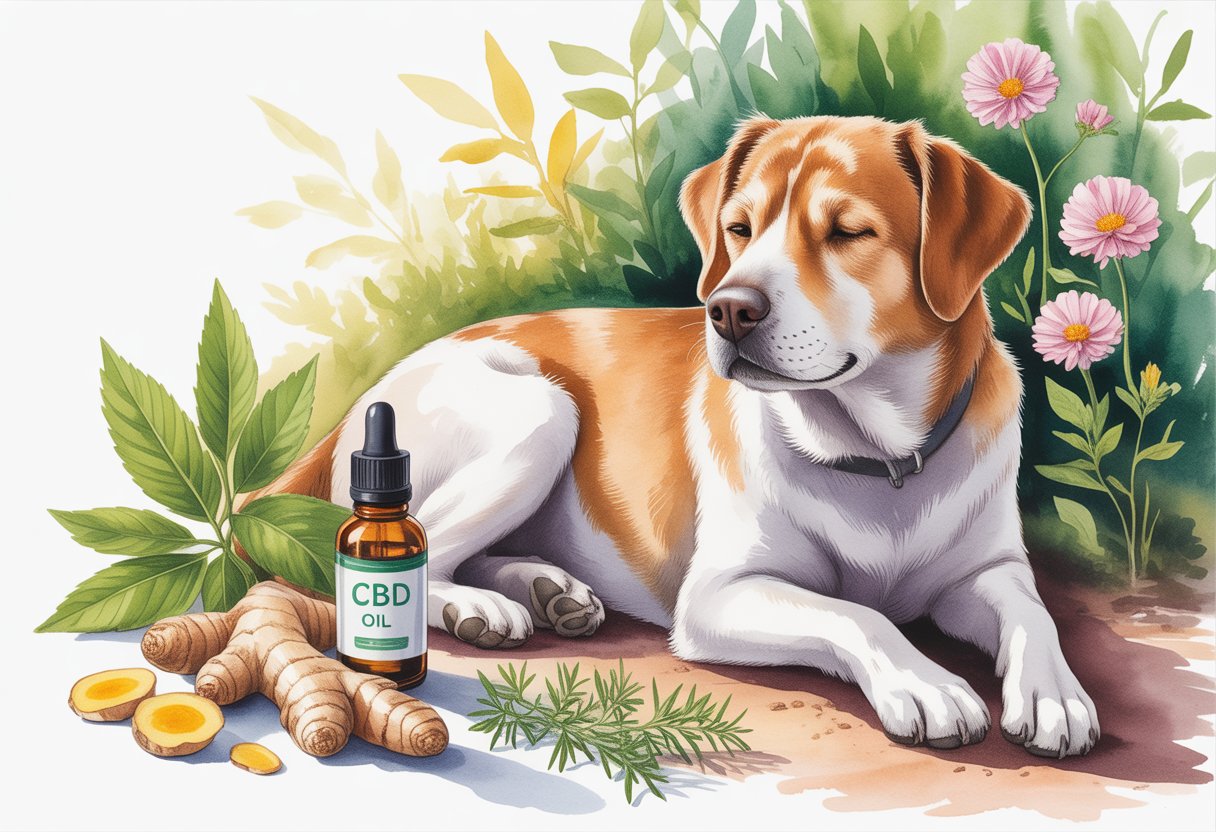
If you’re considering CBD oil, stick to products made for dogs and follow the label dose. These usually have lower potency and flavors to help with dosing.
CBD may ease pain and reduce inflammation by acting on your dog’s endocannabinoid system. Some studies and vet reports show better mobility and comfort, but it’s not a sure thing for every dog.
Pick full- or broad-spectrum hemp extracts with third-party lab tests for purity. Avoid anything with too much THC, and check for contaminants like pesticides or heavy metals.
Always talk with your vet before starting CBD, especially if your dog’s on other meds. Your vet can help with dosing and watch for side effects like drowsiness or tummy trouble.
Hydrotherapy sessions to improve mobility and reduce stiffness
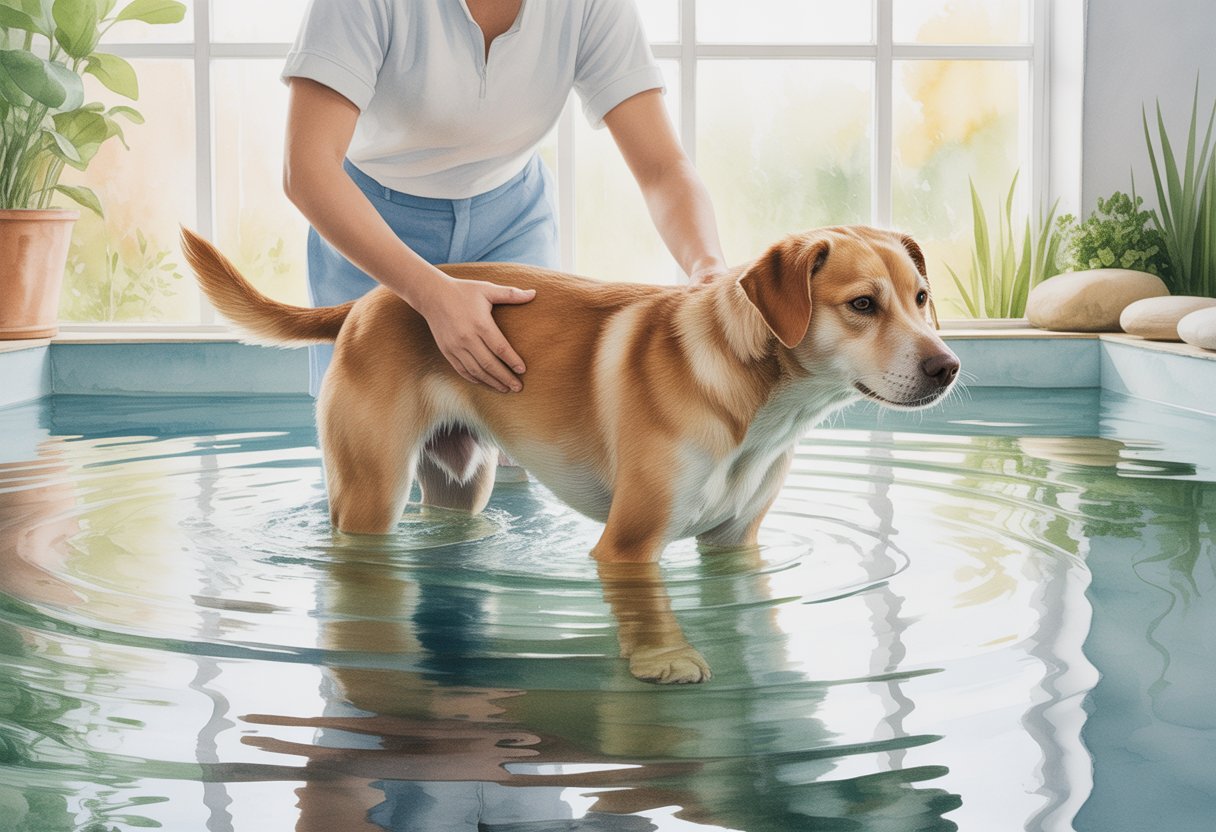
Hydrotherapy uses warm water to support your dog as they move. The buoyancy takes weight off sore joints, so your dog can walk, kick, or swim with less pain.
Trained therapists guide each session and adjust water depth, temperature, and exercises. They work to build strength and improve range of motion.
Hydrotherapy is low-impact and works well for dogs with arthritis, obesity, or those recovering from joint surgery. Ask your vet if it’s right for your dog.
Green-lipped mussel extract as a joint supplement
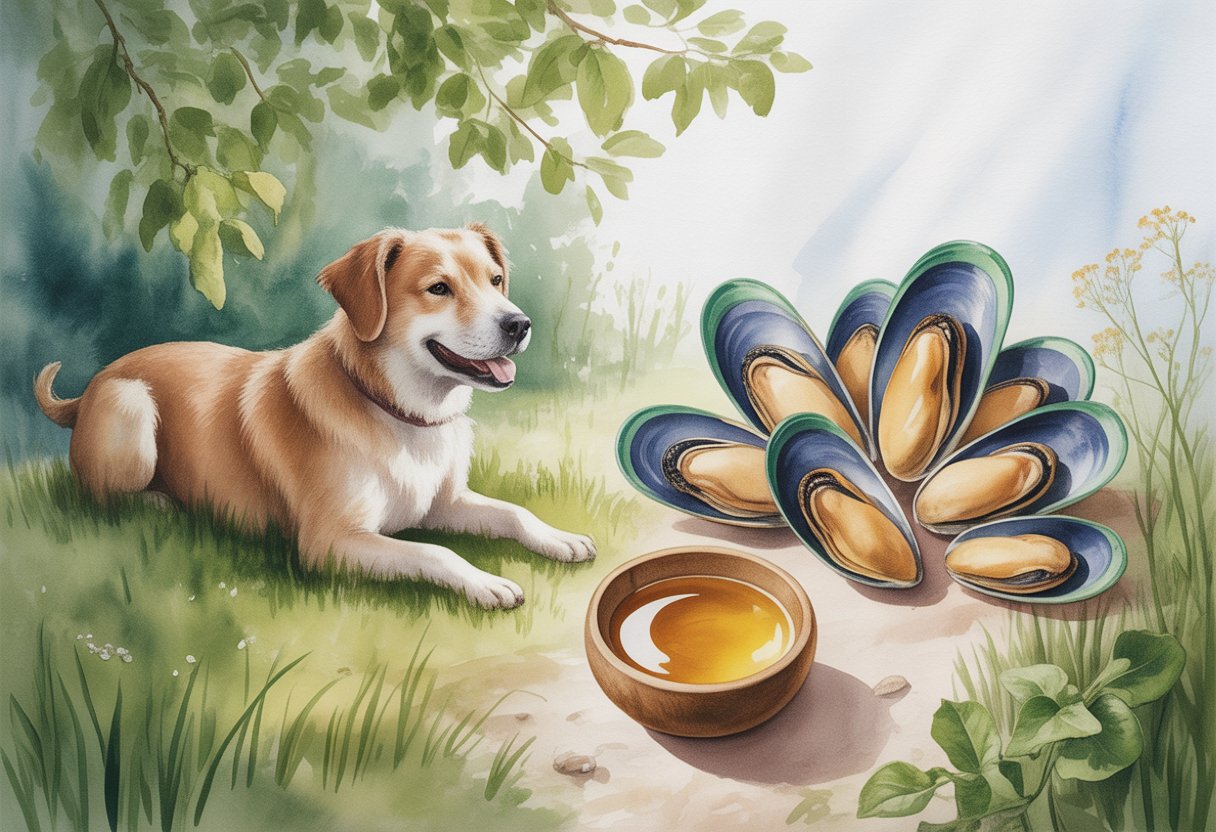
Green-lipped mussel extract comes from a New Zealand shellfish and contains omega-3s plus other compounds that may help with joint inflammation. Some dogs seem less stiff and more mobile after a few weeks of steady use.
This extract supports cartilage health and may ease pain by lowering inflammatory signals in the joint. It usually works slower than NSAIDs, but can be safer for long-term use at proper doses.
Give the supplement as directed on the label or by your vet. Watch for mild digestive upset or allergic reactions—especially if your dog has seafood allergies.
Look for products listing Perna canaliculus or greenshell mussel, and go for brands with third-party purity testing.
MSM (Methylsulfonylmethane) to reduce pain and swelling

You can try MSM, a sulfur-containing supplement, to help your dog’s joint pain and swelling. Some studies and clinical reports suggest MSM can reduce inflammation and improve mobility for dogs with osteoarthritis.
Give MSM alone or with glucosamine, chondroitin, or collagen for added joint support. Start low and increase slowly, watching for side effects like upset stomach or itching.
Check in with your vet before starting MSM, especially if your dog’s on other meds or has health concerns. They’ll help with dosing and picking a good product.
Understanding Arthritis in Dogs

Arthritis makes joints painful and stiff. It usually gets worse over time.
You can help your dog by catching causes early and watching for signs that affect their daily movement or comfort.
Common Causes and Risk Factors
Osteoarthritis (degenerative joint disease) is the most common type. Cartilage in the joint wears down, so bone rubs on bone and causes pain.
Joint injuries, like torn ligaments, can speed up this process. Age raises the risk—older dogs are more likely to get arthritis.
Large and giant breeds (labrador retrievers, german shepherds, rottweilers) face higher odds because their weight stresses their joints. Excess weight and obesity add constant pressure on hips, knees, and spine.
Genetics matter too: hip dysplasia, elbow dysplasia, and abnormal joint shapes can run in families. Repeated high-impact activity or early spay/neuter in some breeds may affect joint development.
Infection or immune diseases can also cause inflammatory arthritis, but that’s less common.
Recognizing Early Symptoms
Limping or favoring one leg after rest? That’s usually one of the first signs. You might notice stiffness in the morning or after a nap, too.
Your dog could take longer to stand up, climb stairs more slowly, or just avoid jumping into the car altogether. It’s not always obvious—sometimes the changes are so subtle you almost miss them.
Maybe your dog seems less excited for walks, cuts playtime short, or gets grumpy when you touch a sore spot. Sometimes you’ll spot a shorter stride or a bit of a hip sway. Try gently flexing and extending a limb—if there’s less range of motion, take note.
When you see these things, jot down when they happen and how long they last. Bring your notes to the vet; that’ll help them figure out what’s going on and what to do next.
Supporting Your Dog’s Mobility

Make some targeted changes at home, and stick to a safe, steady exercise plan. These steps can help your dog feel better and move around with less pain.
Creating an Arthritis-Friendly Home Environment
Put non-slip rugs or rubber mats on tile and hardwood floors—slipping is the last thing your dog needs. Try carpet runners on stairs or grab a portable ramp so your dog doesn’t have to jump up to the couch or car.
Move food and water bowls to a single, quiet spot. That way, your dog won’t have to trek across slippery floors. If bending is tough, prop the bowls up a bit.
Get a bed that’s firm and supportive, preferably with orthopedic foam and a low edge for easy access. Keep toys, leashes, and treats close by—no need for extra trips across the house.
Keep the room temperature steady, since cold can make joints ache. Clear out clutter and set up night lights so your dog can get around safely after dark.
Importance of Controlled Exercise
Try short, regular walks instead of one long outing. Start with 10–15 minutes twice a day. Watch for limping or signs of fatigue as you gradually increase the time.
Stick to low-impact activities. Leash walks, gentle swimming, or slow treadmill sessions can help build muscle around joints and ease the strain.
Skip rough play, jumping, or running on gravel—those can make things worse.
Add in some joint-strengthening moves. Controlled sit-to-stand repeats or slow stair steps (with supervision) work well.
Keep a simple log of duration, distance, and any pain you notice. Bring it to your vet so you both can tweak the plan if needed.