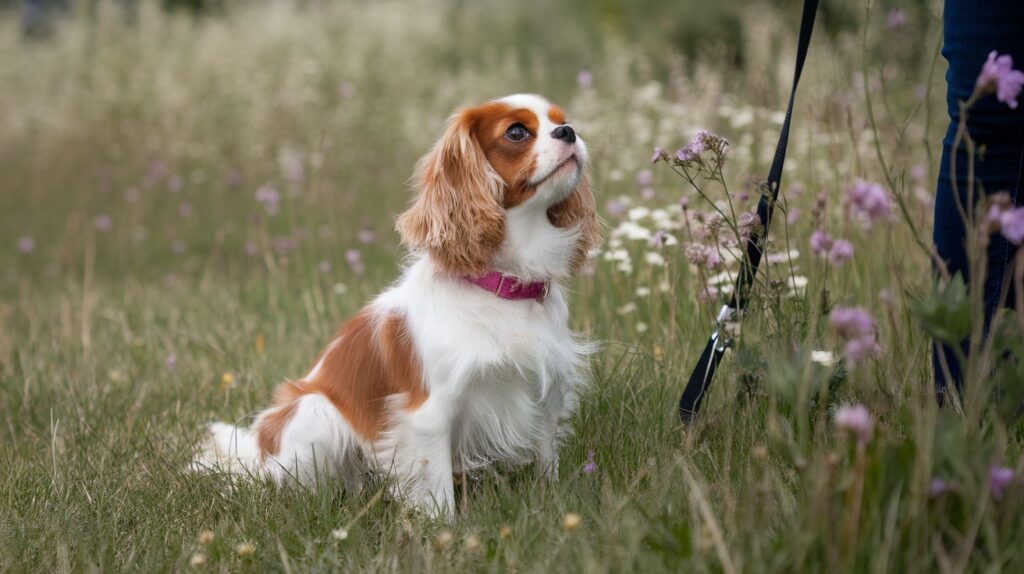
Cairn Terriers are small, alert working dogs with sharp minds, strong instincts, and plenty of energy. Those traits make them entertaining companions, yet they can also create problems when daily training, exercise, and supervision fall short.
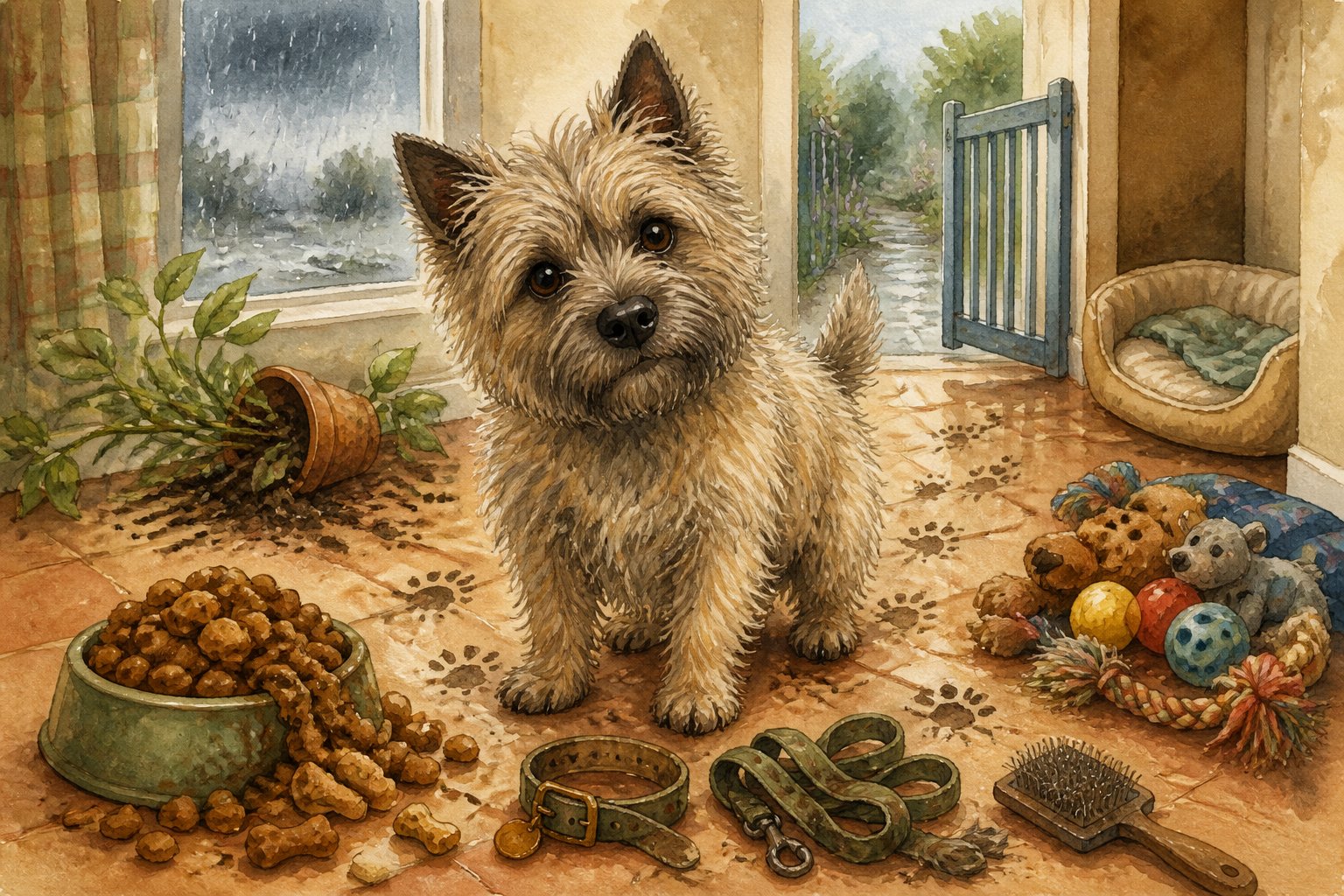
Small mistakes can become practiced habits, so prompt, calm action matters.
1. Skipping Early Recall Training Before Off-Leash Adventures
A Cairn Terrier may hear you call and still choose to chase a squirrel, investigate a scent, or dart toward movement. Giving your dog off-leash freedom before recall is reliable can lead to traffic injuries, lost-dog searches, or conflict with wildlife.
Start indoors, then practice in a fenced area with a long line. Use a cheerful cue, high-value treats, and generous rewards when your dog turns toward you.
Never call your Cairn to punish, end every enjoyable activity, or repeatedly scold it for returning slowly. Practice “come” in short sessions and increase distractions gradually.
A secure harness, identification tags, and a registered microchip add important safety layers. They do not replace recall training.
2. Leaving A Cairn Terrier Unsupervised In An Unfenced Yard

An unfenced yard is not a safe substitute for supervision. A Cairn Terrier can follow a scent beneath a gate, chase a bird into the street, or squeeze through an opening before you react.
Its small size and hunting background make quick escapes especially easy. Stay outside with your dog, use a properly fitted harness and leash, or install secure fencing.
Check gaps at ground level because terriers often dig beneath barriers. A wireless boundary may not prevent a determined chase and can create a dangerous hesitation near roads.
Provide a designated toilet and play area, then bring your dog inside when the outdoor session ends. Supervised yard time also lets you interrupt digging, barking, and plant chewing before those behaviors become routine.
3. Ignoring Excessive Barking Until It Becomes A Habit
Cairn Terriers often bark to alert you, release boredom, respond to noises, or cope with anxiety. If barking reliably brings attention, access to the window, or a dramatic reaction, your dog may repeat it more often.
First identify the trigger. Close blinds for passerby alerts, move your dog away from the front window, add exercise, and offer a food puzzle before predictable noisy periods.
Teach “quiet” by rewarding the brief pause after your dog notices a trigger. Avoid shouting, because your Cairn may interpret your raised voice as participation.
Reward calm observation and teach an alternative behavior, such as going to a mat. Sudden or intense vocalization deserves a health and stress check rather than an assumption that your dog is simply being difficult.
4. Expecting A Cairn Terrier To Outgrow Digging On Its Own
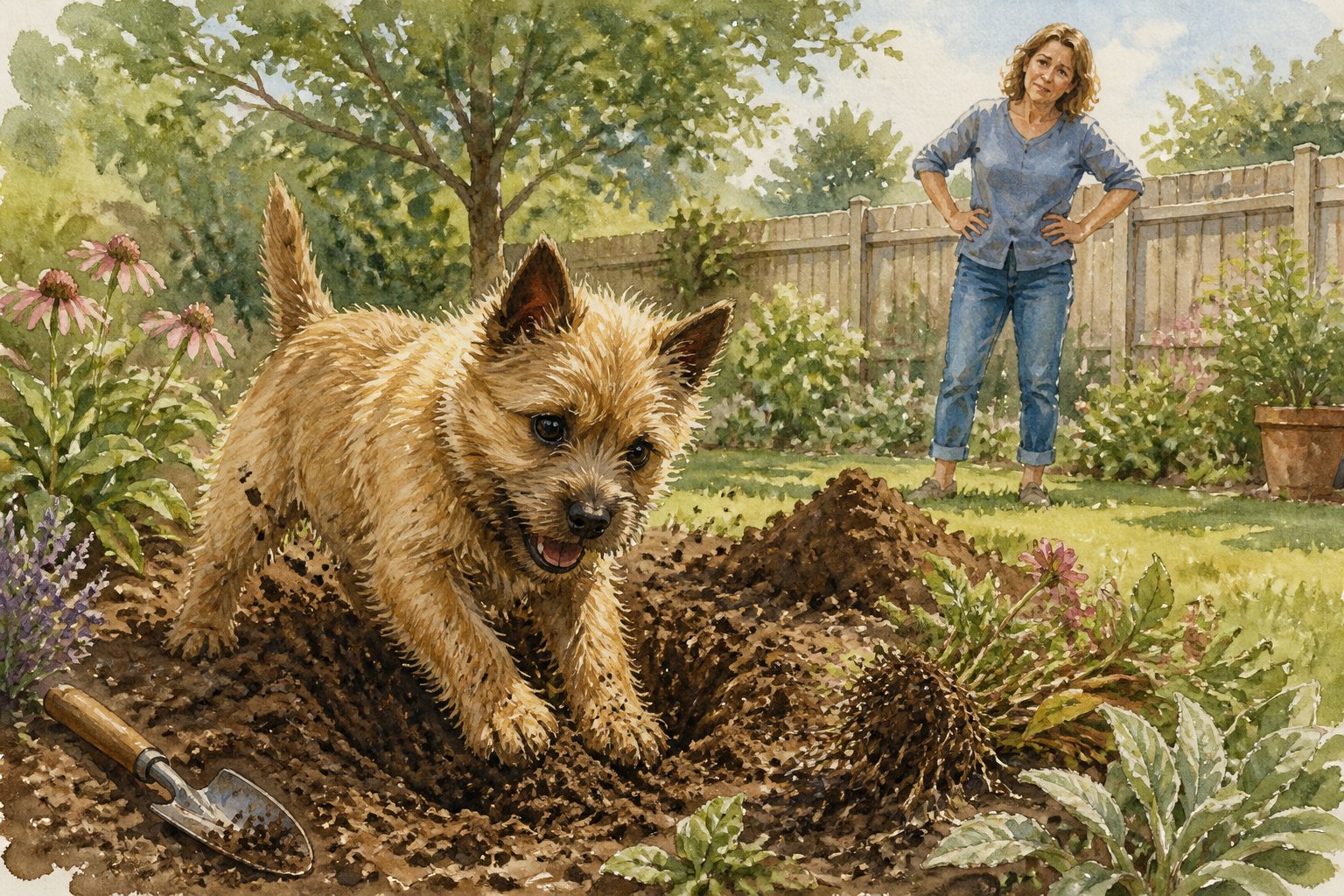
Digging is not merely a bad habit for a Cairn Terrier. The breed was developed to pursue small animals, so loose soil can activate a powerful natural behavior.
Waiting for digging to disappear often gives your dog more practice and leaves your garden increasingly damaged. Create a legal digging area, such as a sturdy sand box, and hide toys there to make it rewarding.
Interrupt garden digging calmly, guide your dog to the approved spot, and praise active use of that area. Blocking access to favorite flower beds may be necessary during training.
Daily walks, scent games, and supervised play reduce boredom, yet exercise alone may not remove the instinct. Check whether your dog digs to escape, seek cooler soil, or reach rodents.
Addressing that reason makes the training plan more effective.
5. Failing To Provide Legal Chews Such As KONG Classic Toys
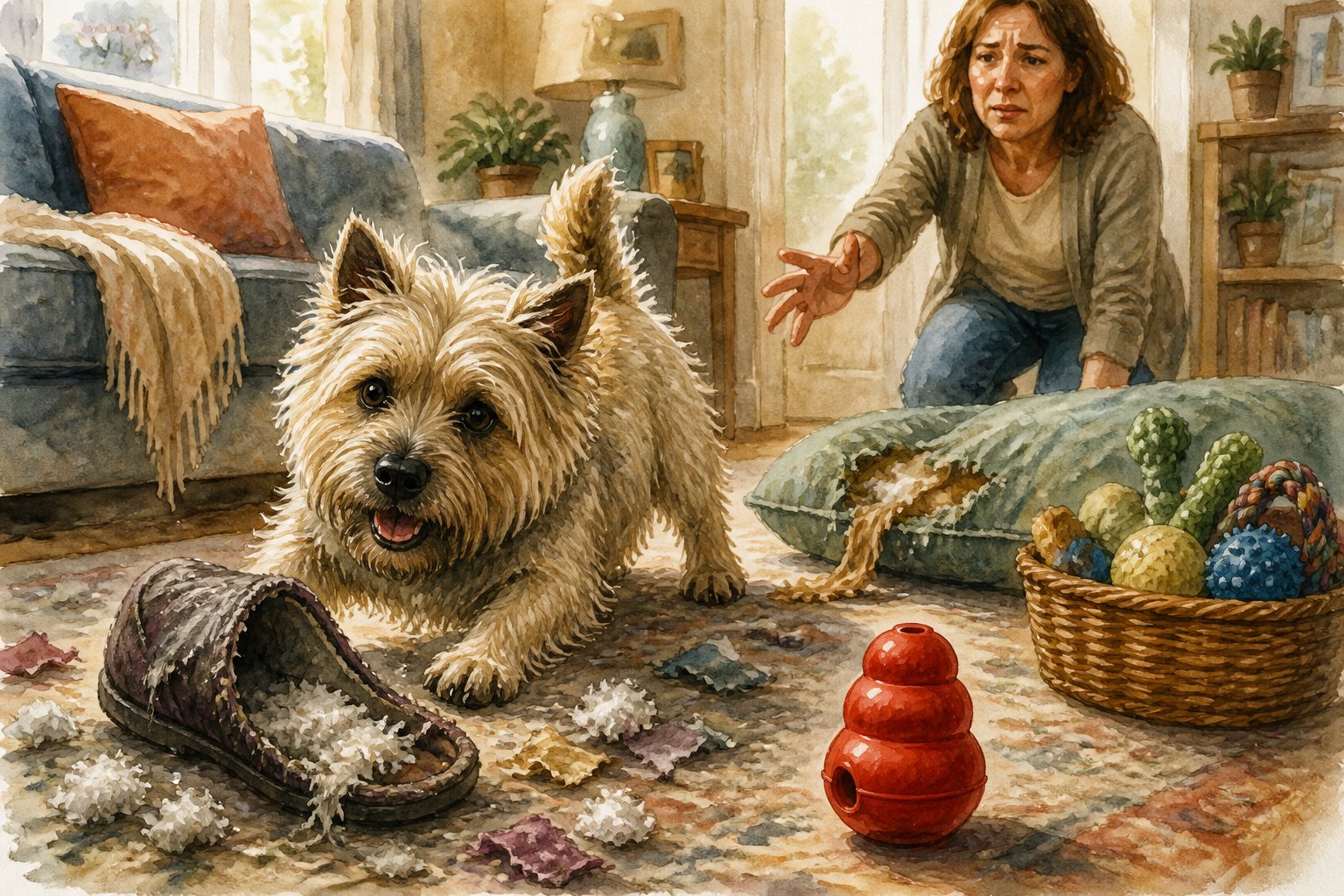
Chewing helps an active Cairn Terrier explore, self-soothe, and occupy its mouth. Without safe options, your dog may choose shoes, furniture, children’s toys, or electrical cords.
Giving a chew only after destruction can accidentally reward the unwanted behavior with attention. Offer durable, size-appropriate choices such as KONG Classic Toys, rubber treat-dispensing toys, and veterinarian-approved chews.
Rotate them so they remain interesting, and supervise new items until you know how your dog uses them. Remove any toy that splits, sheds pieces, or becomes small enough to swallow.
When your Cairn targets an inappropriate object, trade it for a legal chew rather than chasing or scolding. Praise the moment your dog settles with the replacement.
Store tempting household items out of reach while the habit changes.
6. Using Harsh Punishment For Stubborn Or Independent Behavior
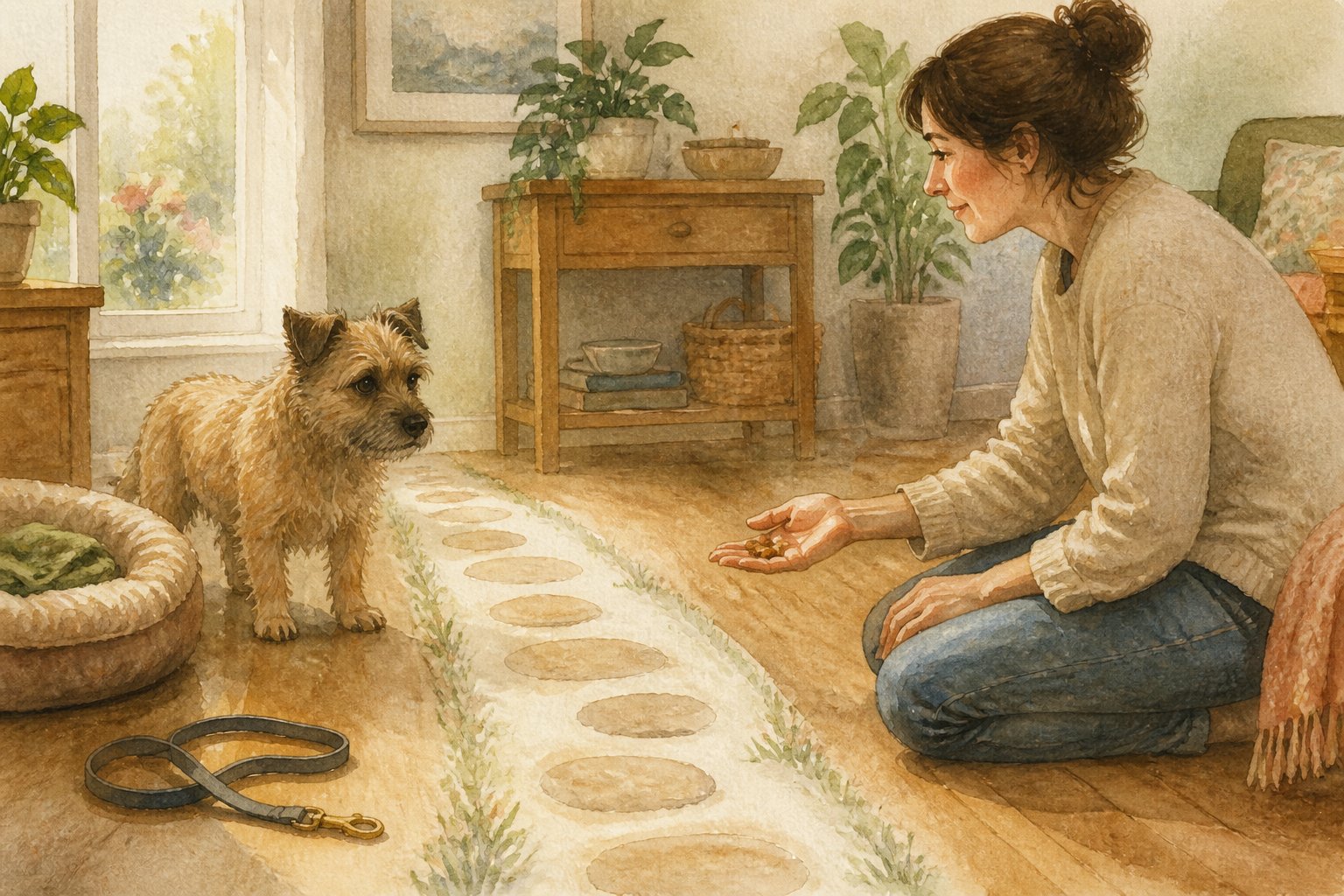
A Cairn Terrier’s independence can look like stubbornness, especially when a reward is weak or a command has not been taught clearly. Physical corrections, yelling, leash jerks, and intimidation can create fear, avoidance, or defensive behavior.
They may also hide warning signals that you need to notice. Use positive reinforcement and make the desired choice easy.
Reward a fast response with a small, tasty treat, praise, or a short game. Keep lessons brief, vary the rewards, and practice in quiet places before adding distractions.
If your dog ignores “stay,” reduce the duration or distance instead of repeating the cue louder. Calm redirection works better than a confrontation.
A certified force-free trainer can help you adjust timing, rewards, and household routines when progress stalls.
7. Underestimating Their Prey Drive Around Squirrels And Small Pets
A Cairn Terrier may treat squirrels, rabbits, rodents, and even a household cat as something to chase. A friendly temperament does not erase prey drive, and a sudden sprint can overpower a careless grip or loose collar.
Use secure barriers and supervise every interaction with small pets. Keep your Cairn leashed near wildlife, practice “leave it” and emergency recall, and reward attention to you before the chase begins.
Never test reliability by releasing your dog beside a tempting animal. Separate pets during feeding, rest, and unsupervised periods.
A calm introduction through gates can reduce tension, though it cannot guarantee safety. If your dog fixates, lunges, or has already injured an animal, seek professional behavior support promptly.
8. Skipping Daily Scent Work, Fetch, Or Agility-Style Exercise
A short walk around the block may not satisfy a working terrier. Without physical activity and mental stimulation, your Cairn may invent jobs such as barking at windows, digging, chewing, or pestering family members.
Build variety into the day. Let your dog sniff during walks, play controlled fetch, search for treats, learn tricks, or navigate simple poles and platforms.
Food puzzles and short obedience sessions can tire the mind without requiring a large yard. Aim for a routine suited to your dog’s age, health, and fitness, often including 30 to 60 minutes of combined activity and training.
Watch for overheating, soreness, or extreme fatigue. Several short sessions usually work better than one exhausting outing.
9. Leaving A Cairn Terrier Alone Too Long Without Separation Training
A Cairn Terrier can become distressed when departures last longer than its coping ability. Separation-related behavior may include barking, scratching doors, house-soiling, pacing, or destructive chewing.
Punishing the damage after you return only adds fear and does not teach calm alone time. Begin with brief absences that end before anxiety rises.
Increase duration slowly over days or weeks, and use a camera to observe hidden pacing or vocalization. Offer a safe food puzzle, keep departures quiet, and provide exercise before planned alone time.
A crate can help only if your dog already views it as a comfortable resting place. Never use confinement as punishment or leave a distressed dog confined for extended periods.
Severe cases may need a veterinarian and a qualified behavior professional.
10. Delaying Puppy Socialization With Dogs, Visitors, And New Environments
Puppies need careful exposure to people, surfaces, sounds, friendly dogs, handling, car rides, and new places during early development. Waiting until your Cairn Terrier is older can leave unfamiliar experiences feeling threatening.
Keep introductions brief, positive, and appropriate for your puppy’s vaccination plan. Pair a new person, noise, or location with treats, and allow your dog to retreat when signs of stress appear.
Avoid forcing greetings or crowded settings that overwhelm a cautious puppy. Well-run puppy classes can build skills while teaching polite play.
Continue socialization into adolescence because confidence develops through repeated, safe experiences. If your puppy freezes, hides, growls, or cannot take food, increase distance and seek guidance rather than pushing forward.
11. Assuming A Small Cairn Terrier Needs Little Training Or Supervision
Small size does not reduce a Cairn Terrier’s need for boundaries, enrichment, or safety. Allowing jumping, nipping, door rushing, or leash pulling because the behavior seems harmless can create serious problems when your dog grows more confident.
Teach household basics such as “sit,” “stay,” “leave it,” “drop it,” “quiet,” and going to a mat. Supervise around children, visitors, stairs, open doors, and valuable objects.
Use gates and safe storage while your dog learns. Training should continue throughout adulthood.
A few minutes of practice during meals, walks, and play can reinforce good habits without making the day feel like a formal class. Clear rules help an independent terrier make predictable choices.
Building Better Cairn Terrier Habits
Use Consistent Positive Reinforcement
Reward the behavior you want immediately with food, praise, play, or access to something your dog values. Mark calmness, coming when called, settling on a mat, and choosing a toy instead of household property.
Match Rewards To Terrier Motivation
Some Cairns work hardest for tiny pieces of chicken, while others prefer tug, chasing a toy, sniffing, or greeting you. Test rewards in low-distraction settings, then reserve the most valuable option for difficult challenges.
Set Clear Household Rules
Every person should use the same cues and responses. Decide whether furniture, bedrooms, jumping, begging, and door greetings have limits, then apply those rules consistently.
Predictability reduces confusion and repeated testing.
Get Professional Help For Serious Anxiety Or Aggression
Fear, biting, severe separation distress, and escalating reactivity require more than casual tips. Choose a qualified, reward-based trainer or veterinary behavior professional who can assess triggers and create a safe behavior modification plan.
When To Contact A Veterinarian Or Certified Trainer
Sudden Behavior Changes
A sudden increase in barking, irritability, hiding, house-soiling, or touch sensitivity can signal pain, illness, sensory change, or another medical concern. Schedule a veterinary examination before treating it as a training problem.
Escalating Destruction Or Vocalization
Rapidly worsening damage, pacing, escape attempts, or prolonged barking may indicate separation anxiety, fear, or unmet needs.
Record short videos when safe and share the pattern with your veterinarian or a certified trainer.
Fear, Biting, Or Dog-Directed Aggression
Growling, snapping, bites, lunging, or intense fear require immediate safety measures.
Prevent access to triggers and avoid punishment.
Obtain help from a veterinarian and qualified behavior professional who uses humane methods.