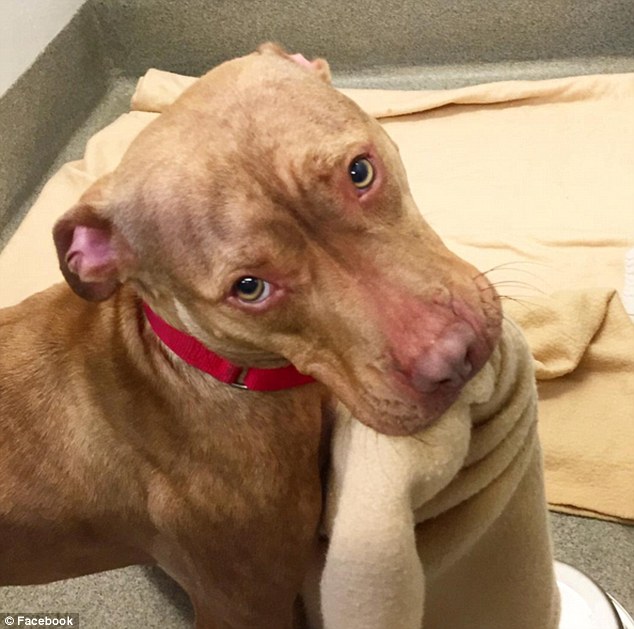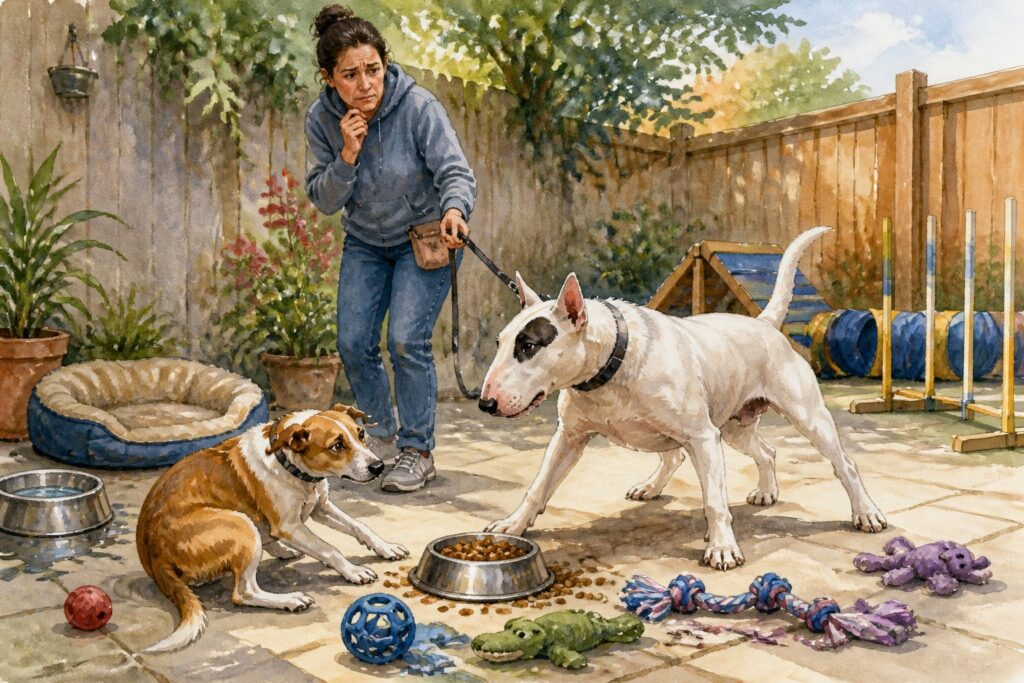
A Bully Gull Terr can be intelligent and loyal. Its strength, protective instinct, athletic drive, and possible dog selectivity also create serious responsibilities, especially in a busy U.S. household.
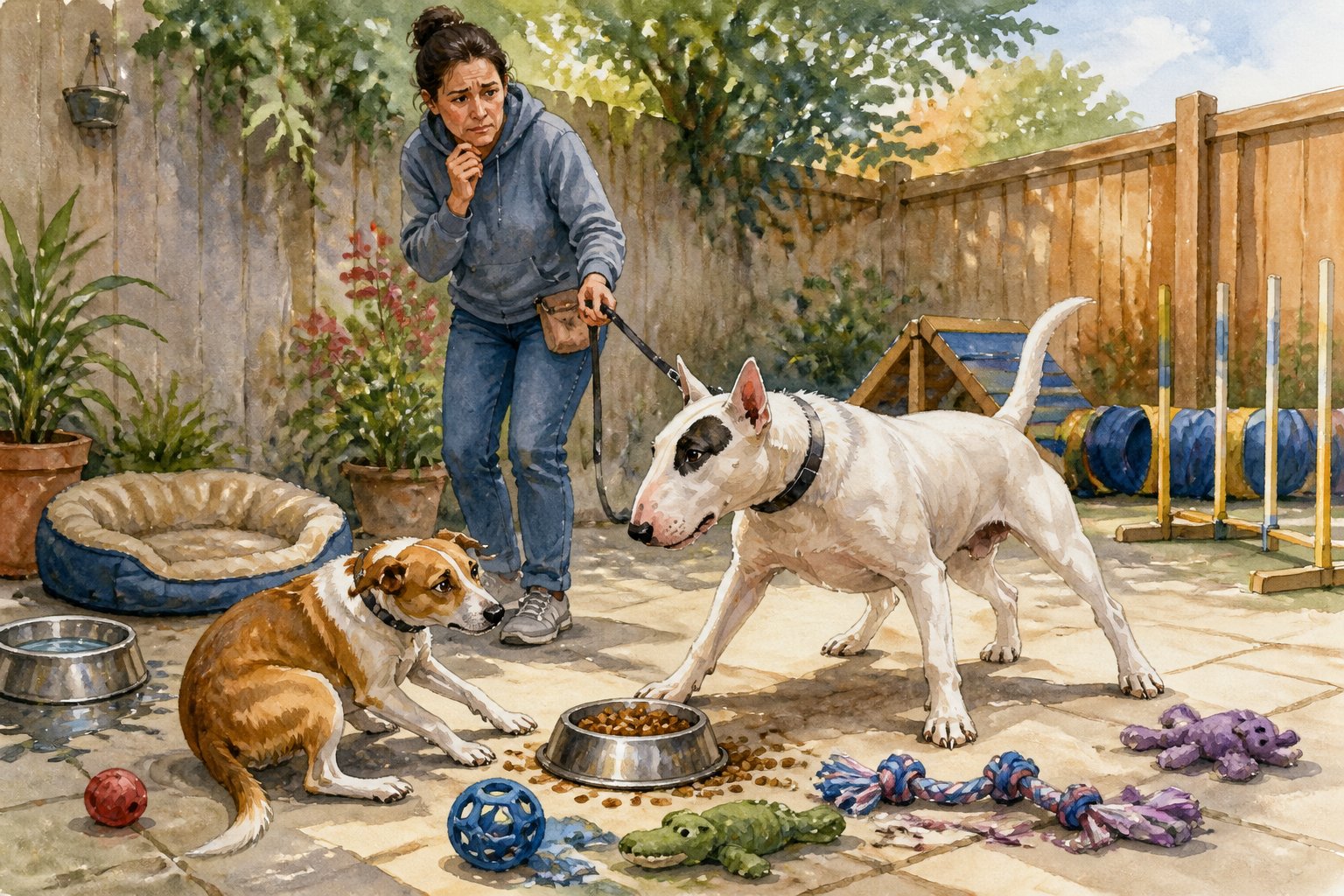
The most preventable owner mistakes involve poor early socialization, weak management, harsh training, and buying without reliable health or pedigree records. The nine slip-ups below show you where daily choices can create avoidable safety and behavior problems.
1. Delaying Puppy Socialization Beyond The First Months
Early socialization does not mean forcing your puppy to greet every person or dog. It means giving you controlled chances to teach calm behavior around handling, visitors, traffic, household sounds, surfaces, and safe, vaccinated dogs.
A Bully Gull Terr may become suspicious of unfamiliar people or reactive toward other dogs if exposure starts too late or feels chaotic. Keep sessions brief and reward relaxed choices.
Let your puppy move away when stress signs appear, such as freezing, hard staring, tucked posture, or repeated barking. Pair socialization with basic obedience, including name response, recall, loose-leash walking, “leave it,” and a reliable place cue.
Avoid crowded dog parks during this stage. A qualified trainer can help you build confidence without rehearsing lunging or chasing.
2. Treating A Bully Gull Terr Like A Dog-Park Breed
A friendly attitude toward people does not guarantee safe play with unfamiliar dogs. A Bully Gull Terr can be powerful, intense, territorial, or dog-selective.
A single fast chase or rough correction can escalate before you can safely intervene. Choose structured walks, private training areas, and carefully selected canine companions instead of relying on an off-leash park.
Keep your dog on a secure lead, scan ahead, and create distance before another dog enters your space. Watch for stiff movement, direct staring, raised posture, closed mouth, and ignoring your cues.
These signals call for calm redirection, not a test of tolerance. If your dog has a bite history or serious reactivity, use professional behavior support and follow a strict management plan.
3. Skipping Basket-Muzzle Conditioning With A Baskerville Muzzle
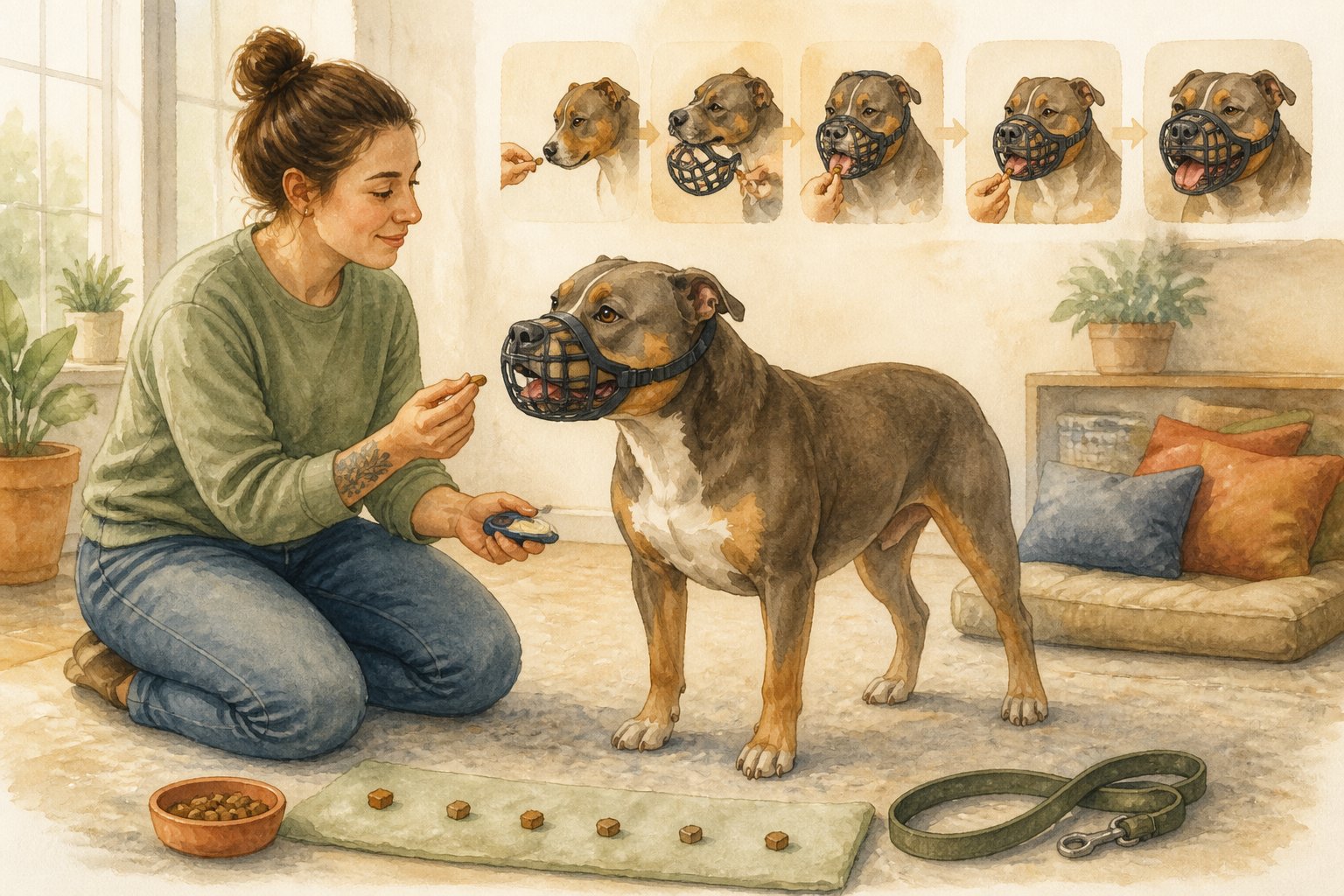
A Baskerville muzzle can add safety during veterinary visits, introductions, grooming, or controlled behavior work. It does not replace a leash, supervision, training, or secure containment.
Introduce the basket muzzle slowly. Let your dog investigate it, place treats inside, and reward voluntary nose contact.
Progress to brief wear periods, then gradually add movement and mild distractions. You should be able to fit two fingers beneath the straps, while your dog must still pant, drink, and take treats.
Never strap it on suddenly before a stressful appointment. That can create fear, pawing, escape attempts, and future resistance.
Practice when your dog is relaxed, inspect the skin after use, and ask your veterinarian or trainer to confirm the fit.
4. Using Harsh, Confrontational Training Methods
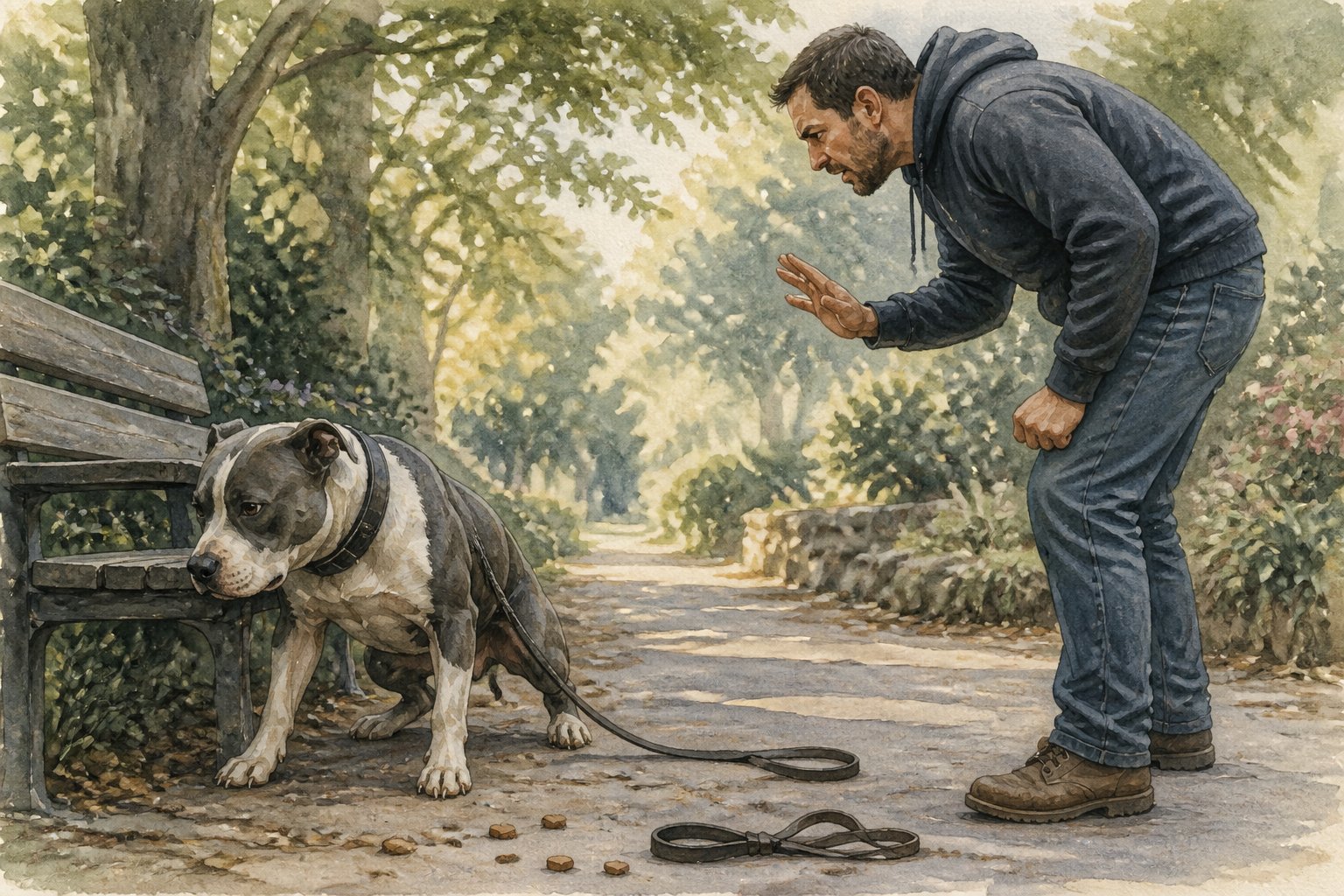
Yanking, intimidation, alpha-roll techniques, and physical punishment can increase fear, conflict, and defensive behavior. A strong dog may also learn to resist your handling instead of learning the behavior you want.
Use clear boundaries and reward-based training. Mark calm eye contact, a loose leash, a quiet response to the door, and a clean release from toys or food.
If your dog becomes overexcited, reduce the distraction, increase distance, and give a simple cue he already knows. Consistency matters more than force.
Everyone in your home should use the same words, rules, rewards, and consequences. If you feel angry or unsafe, end the session, secure your dog, and contact a certified trainer experienced with powerful, dog-selective breeds.
5. Allowing Unsupervised Contact With Cats Or Small Pets
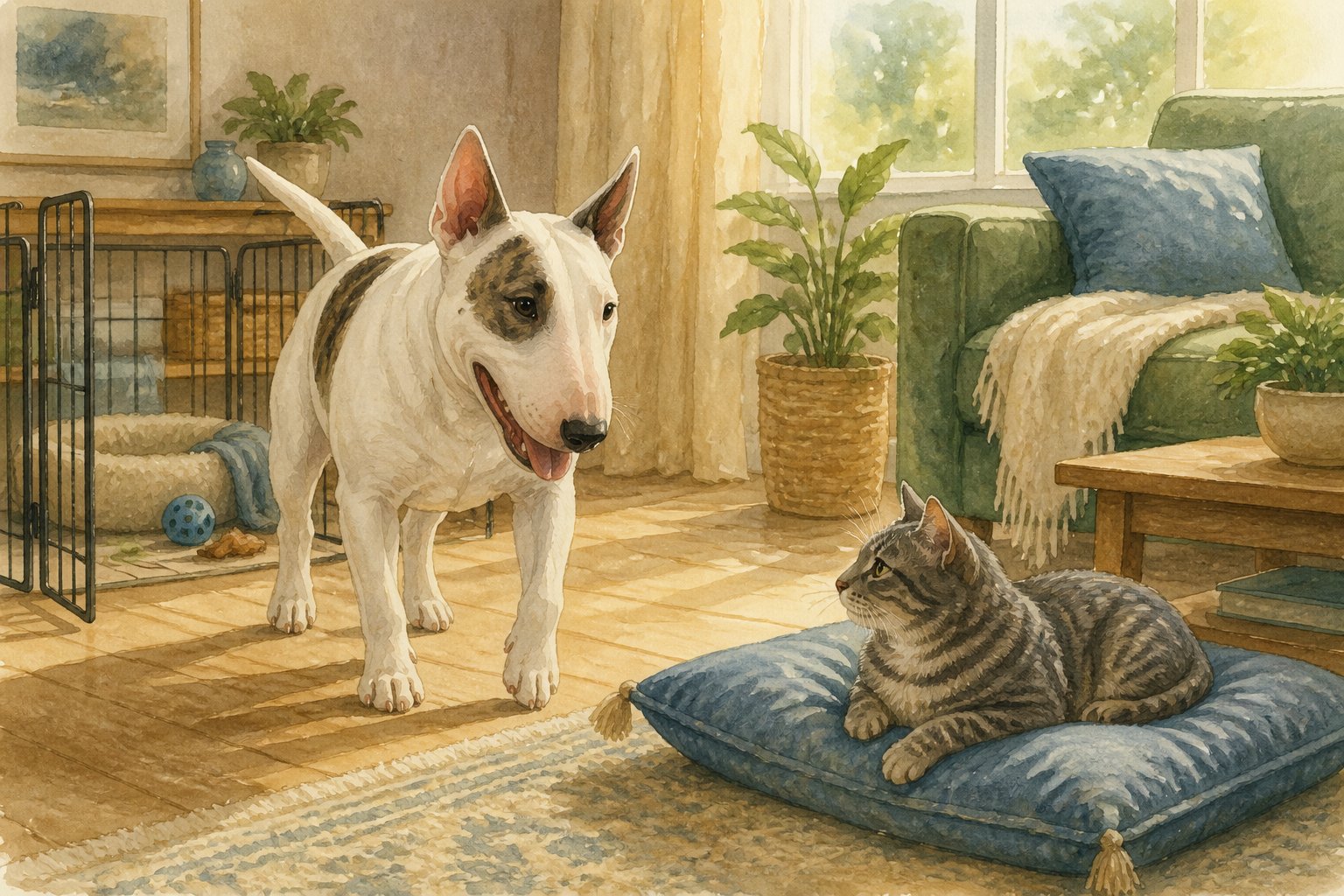
Do not assume that growing up with a cat removes chase or predatory behavior. A Bully Gull Terr may live peacefully with a familiar pet while still reacting dangerously to a running cat, rabbit, ferret, or small dog.
Use gates, closed doors, crates, and separate feeding areas. Keep initial meetings controlled, with your dog on a lead and your small pet able to retreat.
Reward your dog for looking away, responding to you, and settling on a mat. Supervision means active attention, not simply being in the same room.
When you leave, separate the animals securely. Never permit chasing as play, and do not rely on a muzzle to make an unsafe pairing acceptable.
6. Relying On A Standard Collar Instead Of A Secure Harness And Lead
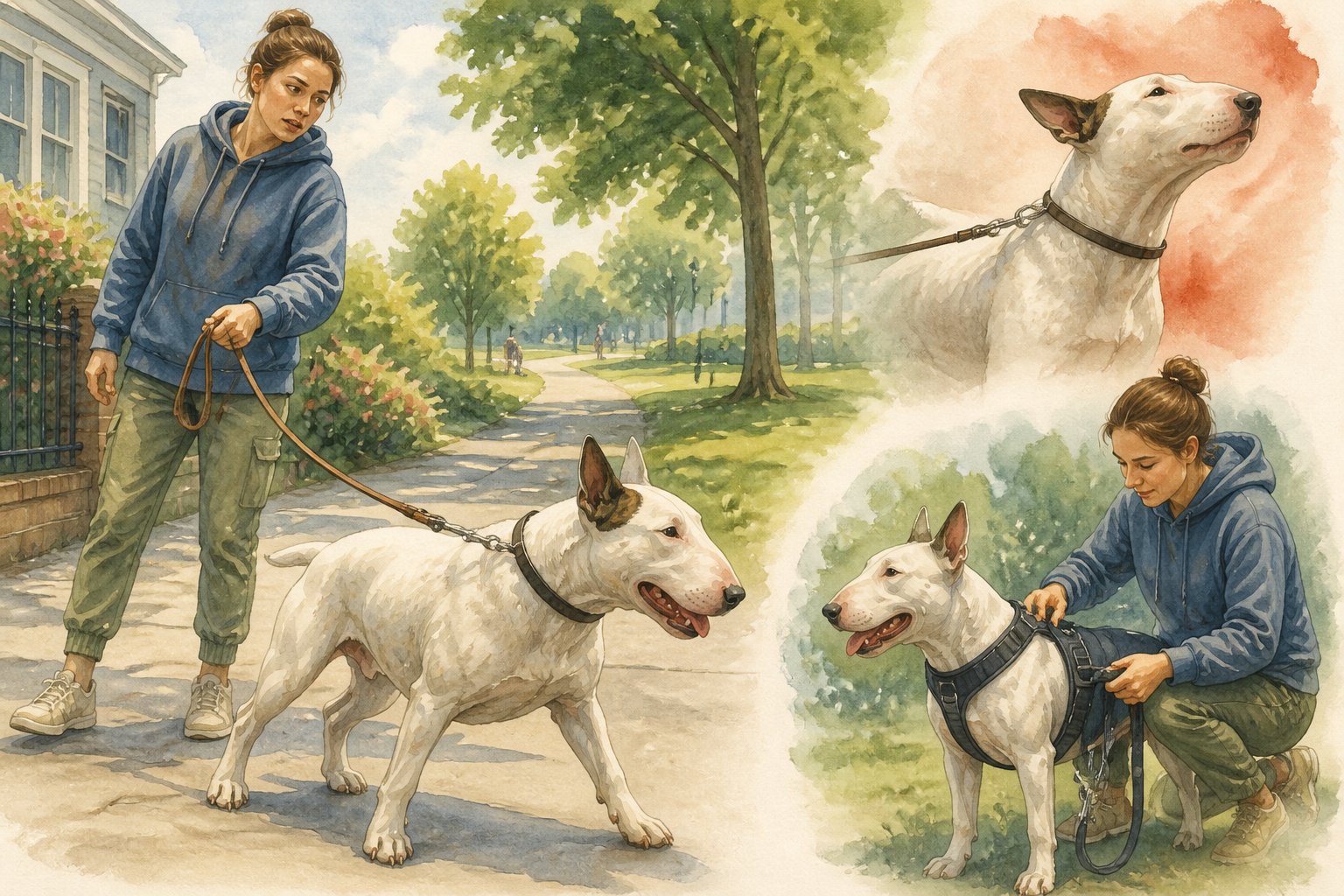
A standard flat collar can slip, break, or place heavy pressure on your dog’s neck when he lunges. A powerful Bully Gull Terr needs equipment that matches his strength and your ability to control sudden movement.
Choose a well-fitted, escape-resistant harness with strong stitching and a dependable lead. A martingale collar may help prevent backing out when fitted correctly, though it should never choke your dog.
Check buckles, clips, seams, and attachment points often. Teach loose-leash walking in quiet areas before adding traffic or other dogs.
Use a backup connection between the harness and collar for high-risk settings. Avoid retractable leashes, which reduce control and can encourage fast, uncontrolled movement.
7. Underestimating Daily Exercise And Mental Work Needs
A Bully Gull Terr needs more than a short bathroom walk. Without suitable outlets, you may see chewing, digging, fence running, barking, frustration, or frantic behavior.
Build a daily routine around brisk walks, scent games, obedience practice, food puzzles, and safe tug or retrieve sessions. Short training periods can tire your dog mentally without overstressing his joints.
Increase activity gradually, especially during puppy growth or hot weather. Exercise should not mean endless high-impact running.
Provide rest, water, shade, and veterinary guidance for conditioning. If your dog returns from activity more aroused rather than calmer, add decompression walks and settle training instead of simply increasing intensity.
8. Leaving The Dog Without Structure Or Consistent Household Rules
A strong, alert dog needs predictable rules about doors, furniture, visitors, food, toys, greetings, and resting spaces. If one person allows jumping while another punishes it, your dog receives confusing information and may repeat the behavior.
Create a simple household plan. Teach your dog to wait at doors, settle when guests arrive, release objects, and move away from food when asked.
Use gates and a crate or safe room to prevent rehearsal of unwanted behavior. Structure should be calm, not controlling.
Reward good choices throughout the day, and give your dog regular sleep periods. Consistent management is especially important while your dog is maturing and testing boundaries.
9. Buying From Social-Media Sellers Without Health Records Or Pedigree Checks
Social-media photos and confident claims do not prove breed, health, or sound temperament. Rare dogs may be advertised as pure Bully Gull Terrs despite mixed ancestry, incomplete records, or close inbreeding.
Ask for verifiable parent information, ownership records, vaccination history, deworming details, and a written contract. Request documentation for hearing evaluation, general veterinary exams, and any testing recommended for the reported lineage.
A canine DNA test may offer clues, though it cannot replace trustworthy breeding records. Meet the dam when possible, inspect living conditions, and observe how the adults respond to handling.
Be cautious when a seller pressures you to send a deposit, refuses questions, ships immediately, or cannot explain the dog’s health history. A reputable rescue should also provide honest behavior notes.
Responsible Ownership Basics
Secure Containment And Door Management
Use tall, sturdy fencing with secure latches and no gaps near the ground. Add an interior gate or double-door routine so your dog cannot rush through an open entry.
Teach a wait cue and keep identification tags and a microchip current.
Local Laws, Insurance, And Leash Requirements
Check your city, county, and state rules before ownership. Leash laws, housing restrictions, breed definitions, bite reporting rules, and required vaccinations can vary.
Ask your insurer whether the breed or your dog’s history affects coverage, and consider liability protection.
Professional Trainer And Veterinary Support
Choose a trainer who uses humane methods and has experience with powerful, dog-selective terriers. Arrange routine veterinary care, discuss skin issues and possible deafness, and request guidance on weight, joints, reproductive care, and safe conditioning.
Early help is easier and safer than crisis intervention.
Before Bringing Home A Bully Gull Terr
Experience With Powerful, Dog-Selective Breeds
You should have practical experience reading canine body language, managing leash reactions, and preventing access to small animals. Confidence alone is not enough.
You need calm handling, reliable follow-through, and a plan for visitors and emergencies.
Time, Space, And Exercise Commitment
Plan for daily training, structured exercise, secure containment, and careful supervision. A small apartment, weak fencing, frequent travel, or long periods alone may create serious management problems.
Confirm that every household member can follow the same safety rules.
Questions To Ask A Breeder Or Rescue
Ask about lineage, adult temperament, dog selectivity, bite or escape history, hearing, and skin health. Inquire about vaccinations and behavior around children and pets.
Request all available records. Ask why the dog needs a new home.
You should also ask what support is available after adoption or purchase. Walk away from vague answers, rushed sales, altered records, or claims that aggression proves quality.