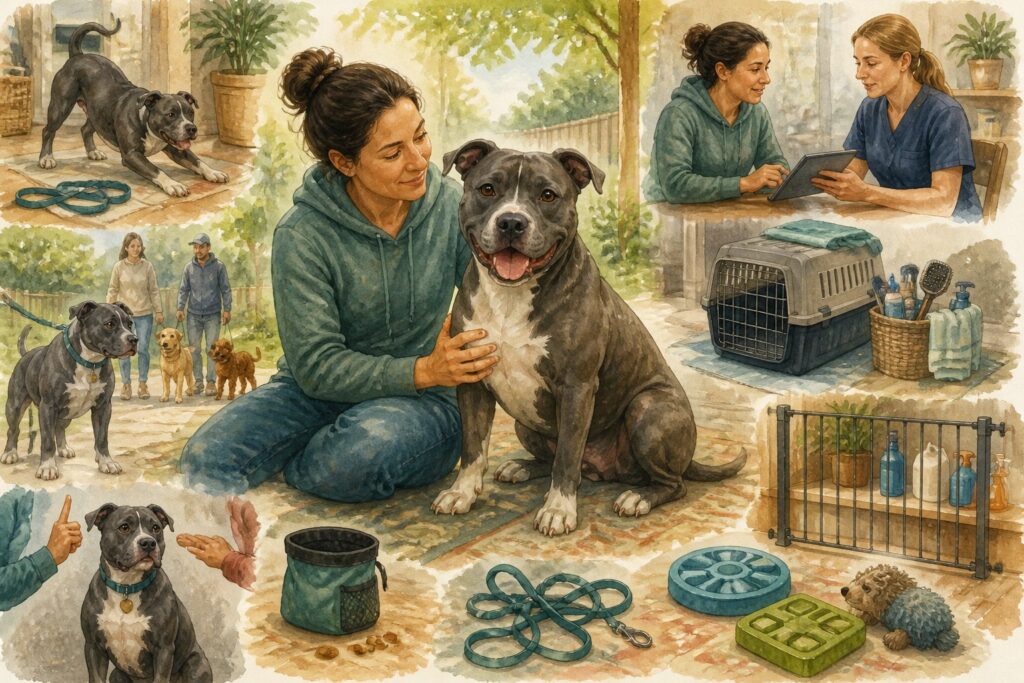
An American Staffordshire Terrier can be affectionate, playful, and eager to learn. Your ownership habits shape how safely those traits appear every day.
Their muscular build, energy, and need for close companionship make careless routines harder to manage.
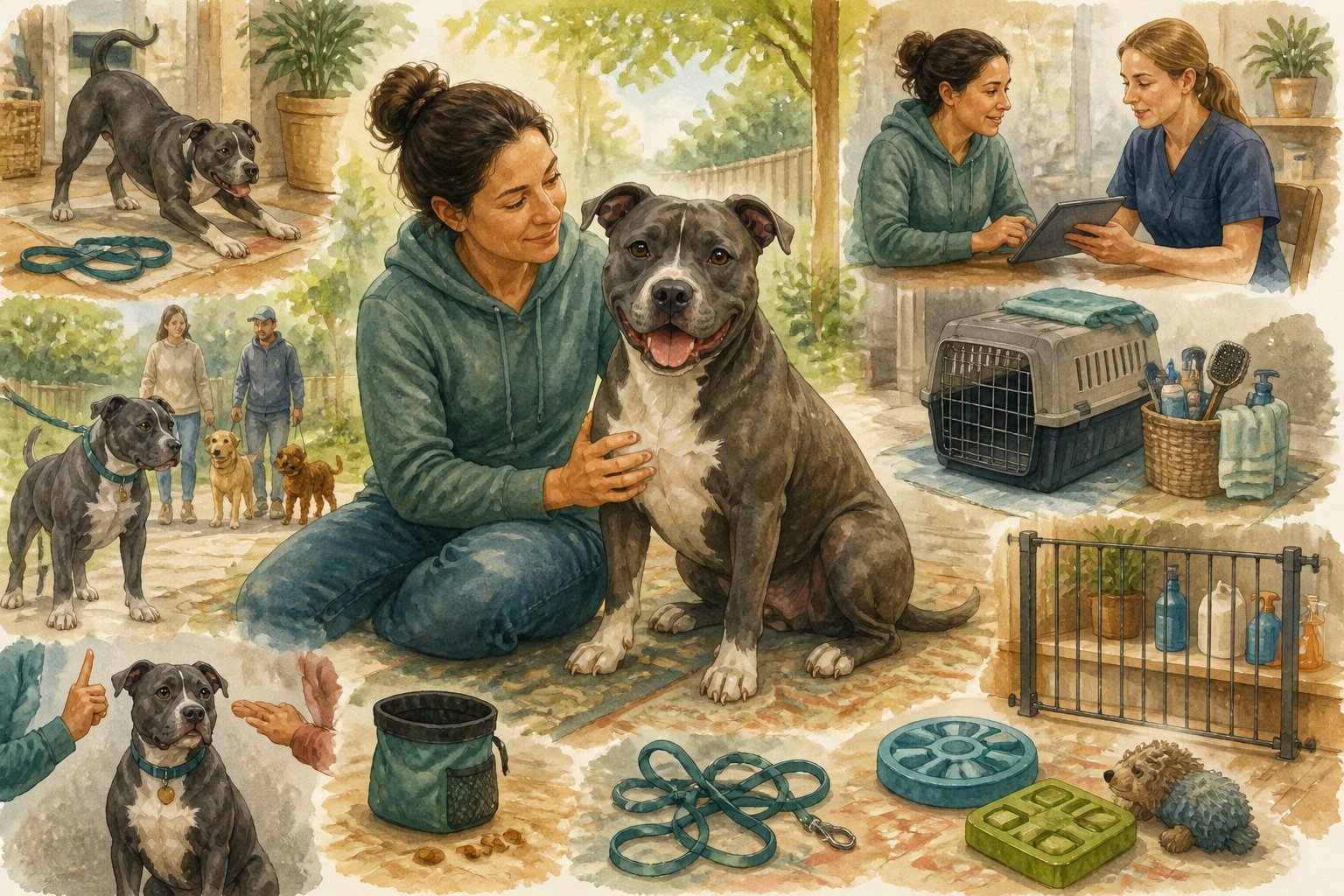
You can prevent most serious AmStaff owner pitfalls by starting socialization early, using reward-based training, providing daily enrichment, and planning for legal, housing, and health responsibilities. The goal is not to fear the breed.
It is to give your dog clear guidance, safe outlets, and consistent care.
1. Skipping Early Socialization With Dogs, Visitors, And Handling
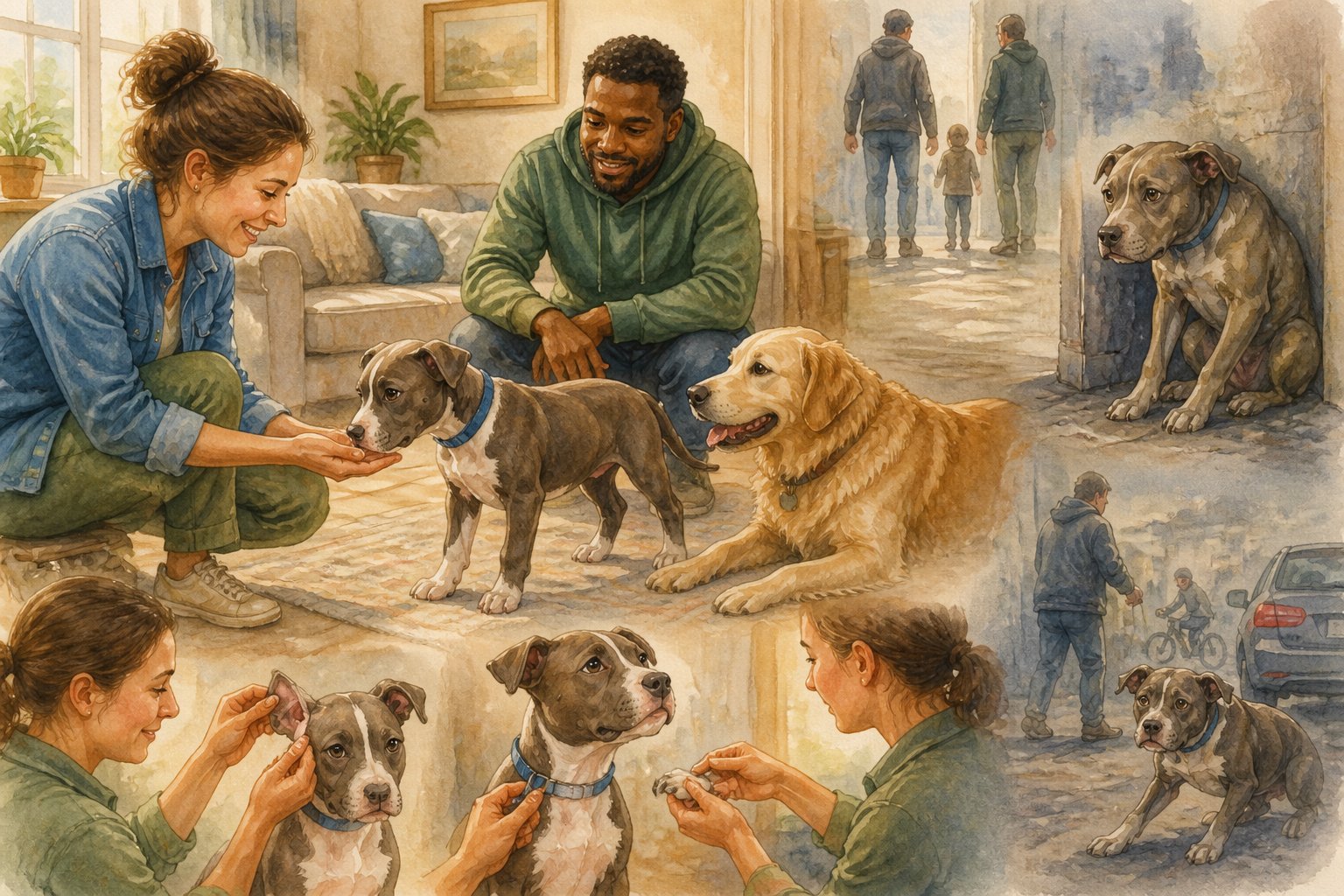
Your puppy needs calm, positive exposure to people, household sounds, car rides, grooming, veterinary handling, and suitable dogs. Waiting until adolescence can make unfamiliar experiences feel threatening or overly exciting.
Keep meetings brief and controlled. Reward relaxed behavior, and never force your puppy toward a person or dog.
Since some AmStaffs may become selective or reactive around other dogs as they mature, focus on neutrality rather than making every dog a playmate.
Practice handling paws, ears, lips, and collars with treats. Arrange safe puppy classes that use health-screened dogs and skilled supervision.
Watch for stiff posture, hard staring, tucked tails, lip licking, or avoidance, then create distance before your dog feels trapped.
2. Underestimating The Strength Of An Untrained AmStaff
A friendly AmStaff can still pull you off balance, jump on guests, or drag you toward another animal. Strength turns small training gaps into safety problems, especially near roads, children, or crowded sidewalks.
Teach loose-leash walking, a reliable recall, “leave it,” “drop it,” and a calm place behavior. Use sturdy, well-fitted equipment and check it often for wear.
A front-clip harness may give you better control during training, while a properly introduced basket muzzle can add safety during stressful situations.
Do not rely on physical strength to control your dog. Build cooperation through daily practice, clear boundaries, and rewards.
Every adult who handles your dog should use the same cues and rules.
3. Letting Daily Exercise And Enrichment Slide
Your AmStaff needs more than a quick bathroom walk. Without enough movement and mental work, you may see chewing, digging, barking, pacing, or rough indoor play.
Offer a mix of brisk walks, sniffing time, short training sessions, food puzzles, and supervised tug or fetch. Rotate toys so they stay interesting.
Five-minute training games spread through the day can tire your dog more effectively than mindless repetition.
Adjust activity for age, weather, health, and fitness. Young puppies need rest and carefully paced exercise, while older dogs may benefit from swimming or gentle walks.
Avoid intense activity in heat, and provide water and shade.
4. Using Harsh Corrections Instead Of Reward-Based Training
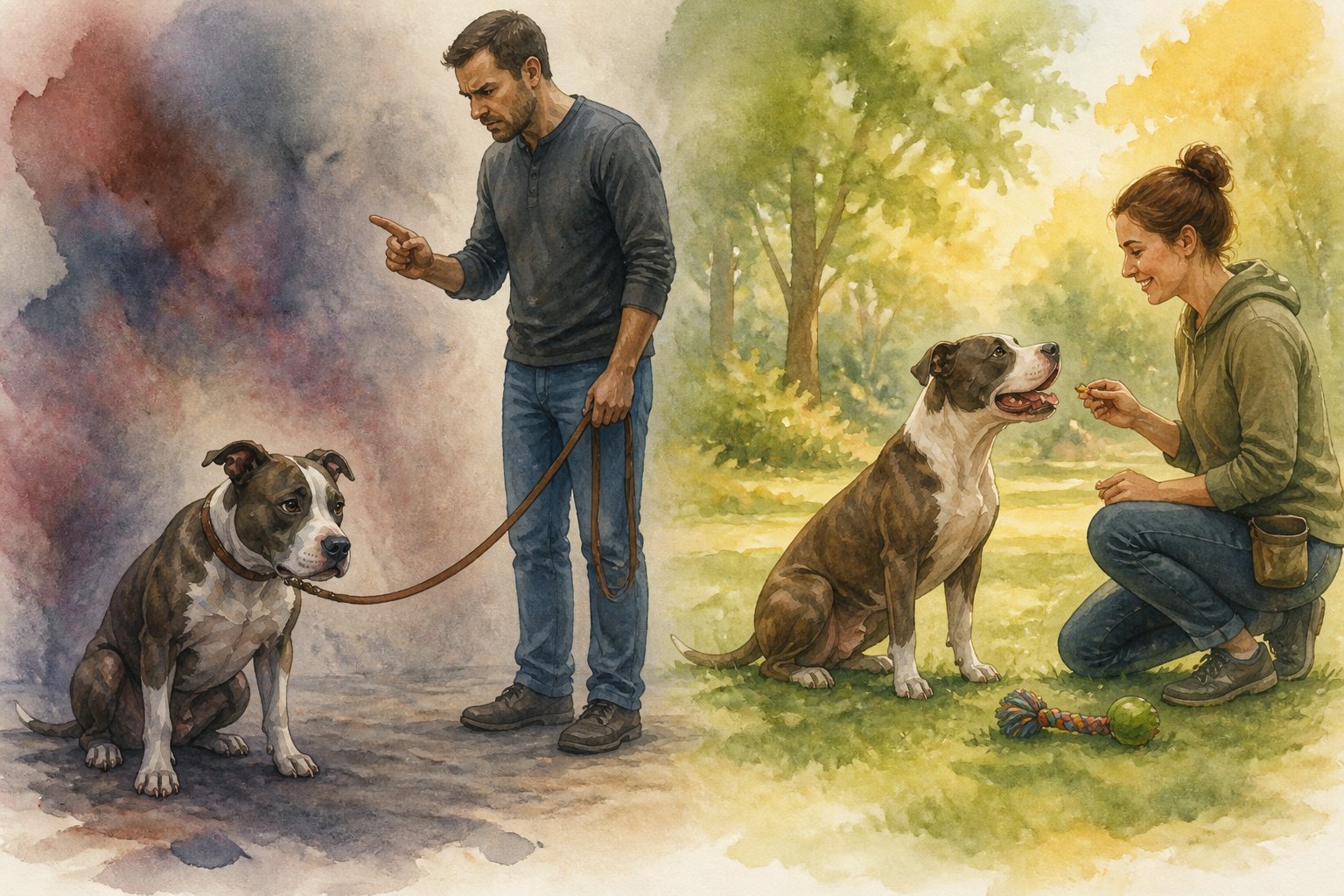
Yelling, leash jerks, hitting, or intimidation can increase fear and make your dog hide warning signs. A powerful dog that feels threatened may respond with defensive behavior rather than improved obedience.
Reward the behavior you want, such as four paws on the floor, eye contact, or calmly passing a distraction. Use a marker word or clicker, then deliver a small treat quickly.
Prevent mistakes with gates, leashes, and distance instead of waiting to punish them. When your dog reacts, leave the trigger area and let your dog settle.
A qualified trainer should help you create a plan based on rewards, management, and gradual exposure. “Firm” should mean consistent and clear, not frightening.
5. Leaving An AmStaff Alone For Long Workdays
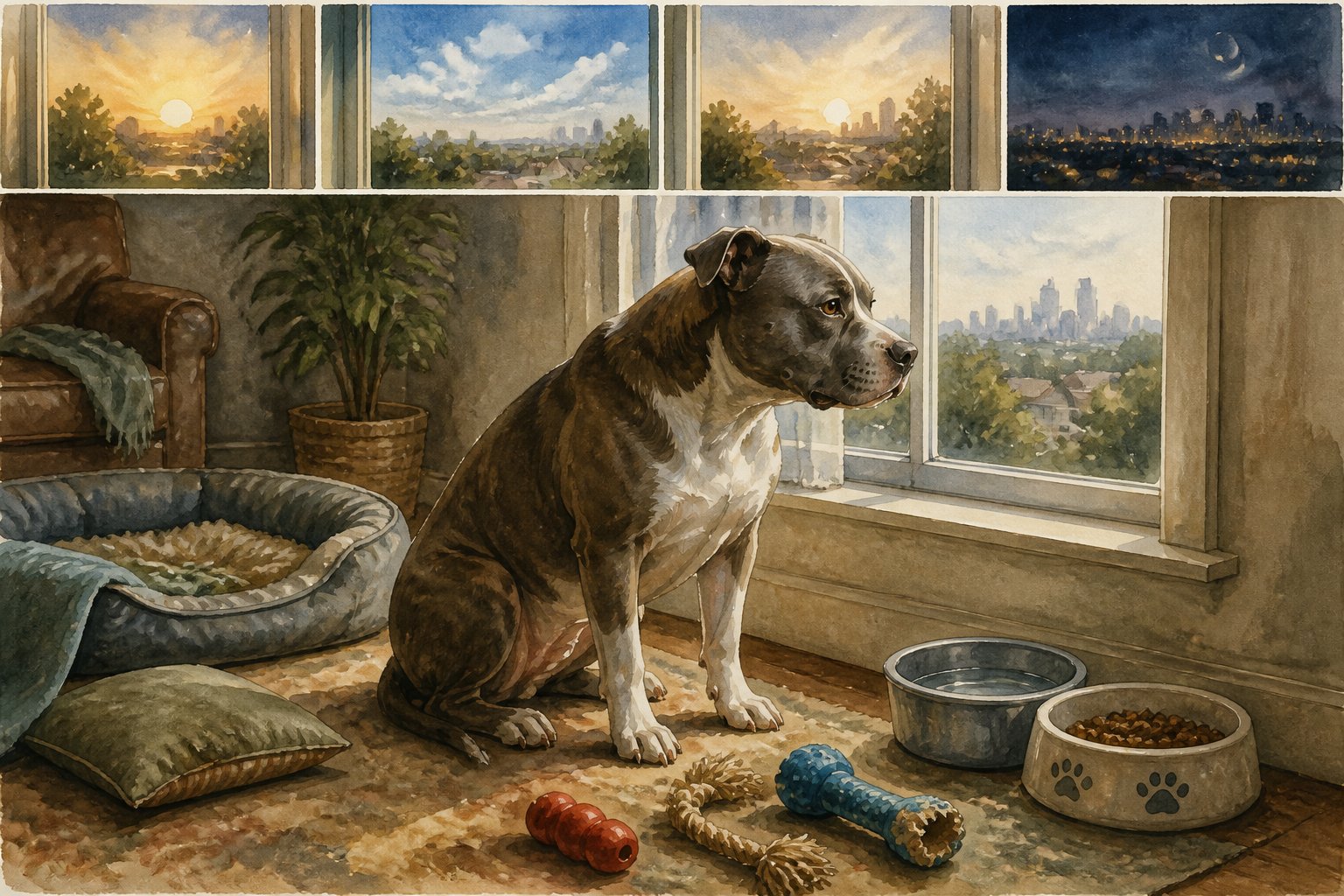
AmStaffs often form strong bonds with their families. Long, unplanned periods alone can lead to boredom, destructive chewing, barking, escape attempts, or separation distress.
Before leaving, provide a walk and a safe food puzzle rather than intense excitement. A midday dog walker, trusted sitter, or carefully selected day-care program may break up the day.
Test any caregiver in advance and confirm that they can handle a strong dog safely.
Teach alone time gradually. Start with brief departures, return before panic begins, and increase the duration slowly.
Do not punish damage discovered after you return. If your dog drools, howls, scratches exits, or panics within minutes, seek behavior help instead of simply leaving more toys.
6. Assuming Every Dog Park Is A Safe Outlet
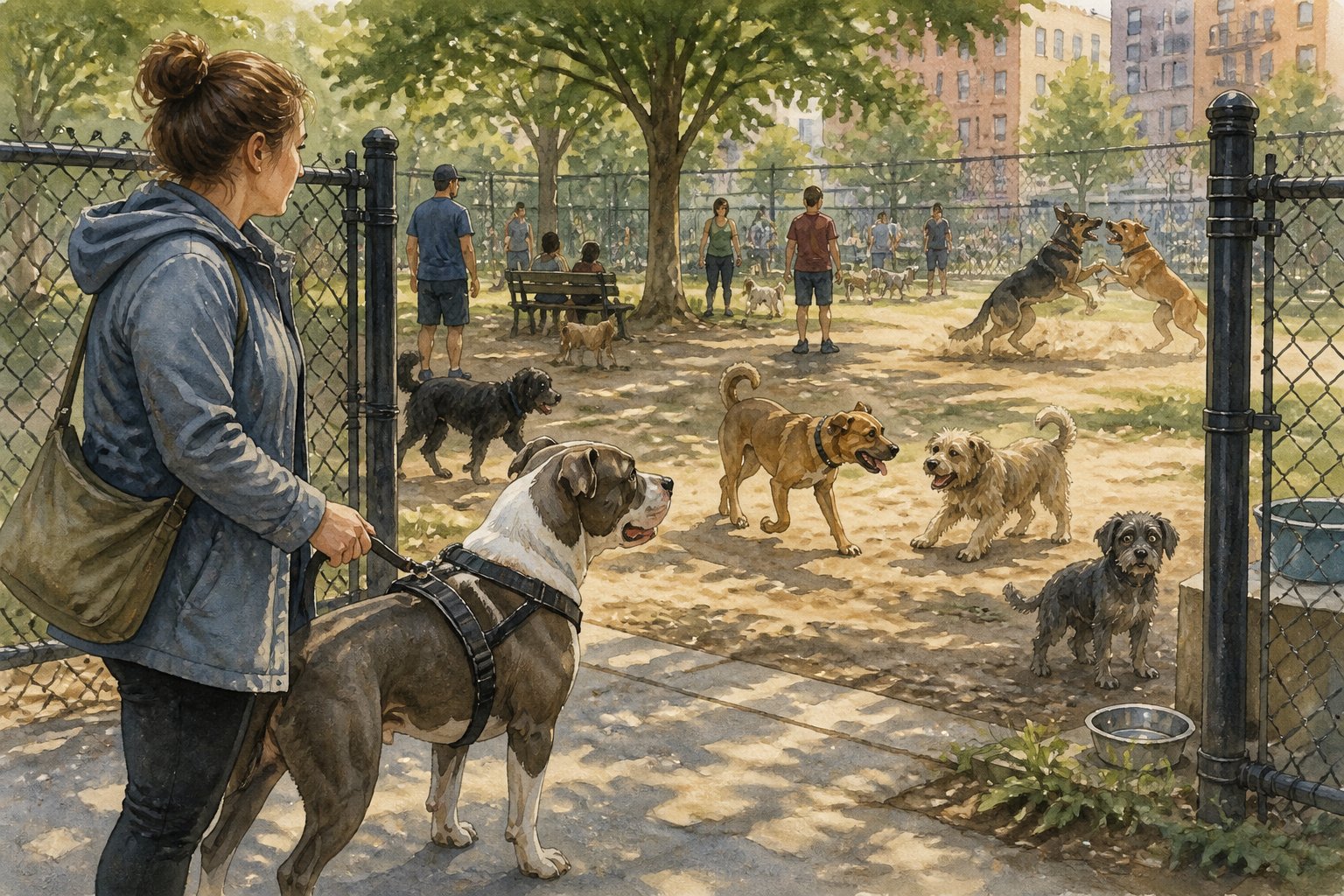
Dog parks combine unknown dogs, tight spaces, toys, gates, and excited movement. That mix can overwhelm your AmStaff or create conflict, even if your dog behaves well during calm neighborhood walks.
Observe before entering. Check fencing, crowding, supervision, and the behavior of the dogs already inside.
Leave if you see bullying, repeated chasing, guarding, or owners ignoring escalating tension. Never assume size-based areas eliminate risk.
Many AmStaffs do better with one compatible playmate, parallel walks, or structured play led by a professional. Keep greetings brief, interrupt rough play early, and avoid high-value toys around unfamiliar dogs.
A walk with sniffing and training may provide safer enrichment than a crowded park.
7. Ignoring Powerful Chewing And Inadequate Toy Safety
Your AmStaff may destroy soft toys, swallow pieces, or turn household items into dangerous chew objects. A toy that is safe for a gentle chewer may fail quickly under strong jaws.
Choose durable toys made for active chewers, and inspect them before and after every session. Remove cracked rubber, loose strings, torn fabric, and small pieces.
Do not offer cooked bones, antlers, or objects that can splinter, fracture teeth, or become lodged. Supervise tug and fetch, especially with multiple dogs.
Match toy size to your dog’s mouth, and provide food-stuffed puzzles to channel chewing into a useful activity. Keep shoes, remote controls, medication, and trash secured rather than expecting training alone to prevent access.
8. Buying From A Breeder Without Health Testing
A confident temperament does not replace basic health screening. Ask breeders for verifiable test results for conditions relevant to the breed, including hips, elbows, heart health, eyes, and inherited neurological concerns.
Meet the mother, observe the puppies’ living conditions, and ask how the breeder introduces handling, household sounds, and varied surfaces. Be cautious when a seller will not share records, rushes payment, offers many breeds, or promises a guaranteed personality.
A responsible breeder asks you detailed questions and provides contracts, veterinary records, vaccination information, and lifetime return support. Rescue organizations can also help you assess an adult dog’s behavior and needs.
Schedule a veterinary exam soon after adoption, regardless of where your dog comes from.
9. Overlooking Housing, Insurance, And Breed Restrictions
Before bringing home an AmStaff, check your lease, homeowners or renters policy, and local rules in writing. Some properties restrict dogs based on breed labels, weight, or appearance, while insurance companies may exclude certain dogs or require special coverage.
Ask your insurer what happens if your dog causes an injury or property damage. Keep vaccination records, licenses, training records, and secure-fence documentation organized.
Never rely on a verbal promise from a landlord or agent. Plan for safe containment, visitor management, and transportation.
If a restriction could force you to surrender your dog later, resolve it before adoption. Responsible ownership includes protecting your dog from preventable housing instability and protecting others from avoidable risk.
Before You Bring Home An AmStaff
Daily Time And Exercise Commitment
Plan for daily walks, training, play, enrichment, grooming, and supervision. Your schedule should include backup care for work, travel, illness, and severe weather.
Puppies, adolescents, and dogs with behavior concerns may need more hands-on time than you expect.
Training Budget And Professional Support
Set aside money for puppy classes, private lessons, durable equipment, veterinary care, and behavior support. Choose reward-based professionals who can safely work with a strong dog and explain each step clearly.
Local Laws, Landlord Rules, And Insurance Coverage
Confirm licensing, leash, containment, and sterilization rules with your local government. Get landlord approval and insurance confirmation before adoption, and save the documents where you can access them quickly.
Signs You Need Professional Behavior Help
Escalating Reactivity Or Aggression
Seek help when barking, lunging, snapping, chasing, or hard staring becomes more frequent or intense. Avoid crowded triggers, use safe management, and contact a qualified veterinary behaviorist or reward-based behavior professional promptly.
Guarding Food, Toys, Or Space
Growling, freezing, lifting the lip, or biting when you approach a bowl, toy, person, bed, or doorway signals a real safety concern. Do not test your dog or take items by force.
Separate people and pets, then get an individualized plan.
Fear, Anxiety, Or Sudden Behavior Changes
Hiding, trembling, destructive escape attempts, house-soiling, sleep changes, or sudden irritability can reflect pain, illness, or emotional distress.
Arrange a veterinary exam, especially when behavior changes quickly. Follow with professional behavior support when needed.