
An American Pit Bull Terrier can be affectionate, athletic, and eager to learn. Your ownership plan must match the dog’s strength, energy, health needs, and public perception.
The label “pit bull” also covers several breeds and mixes. You should evaluate the individual dog rather than rely on a broad stereotype.
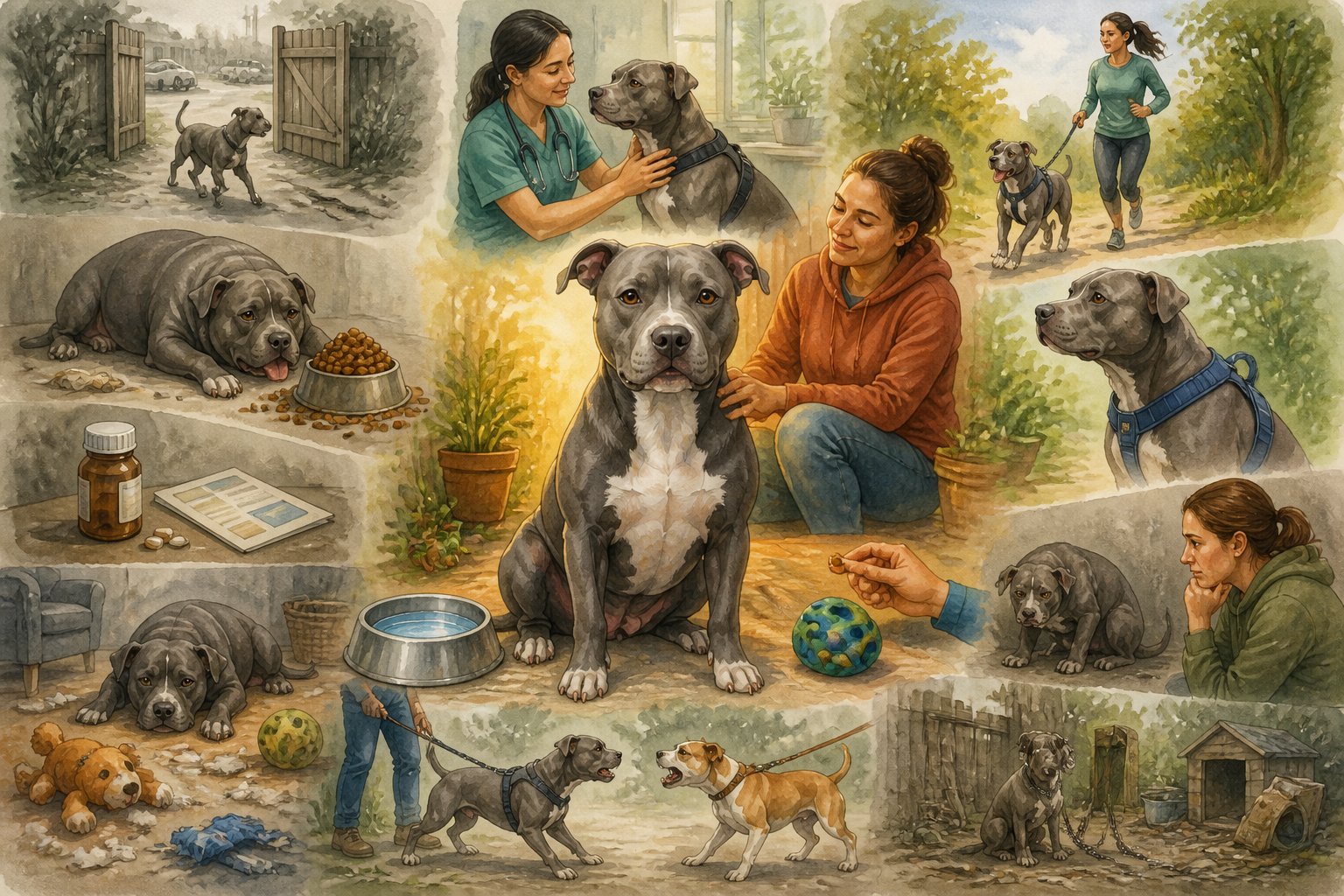
You can prevent many serious problems by combining early socialization, reward-based training, daily enrichment, routine veterinary care, and careful checks on housing and insurance rules. The following pitfalls show where good intentions often fail and how you can build safer habits.
1. Skipping Early, Positive Socialization
You should introduce your American Pit Bull Terrier to safe people, calm dogs, household sounds, surfaces, and handling during puppyhood when possible. Keep each experience brief and rewarding.
Treats, play, and a calm voice help your dog form positive associations. Socialization does not mean forcing greetings.
If your dog hides, freezes, growls, or tries to escape, add distance and lower the pressure. Continue exposing your dog gradually, and ask a qualified trainer for help if fear or reactivity grows.
A well-socialized dog still needs supervision and clear boundaries. Socialization builds coping skills, not a guarantee that every dog or person will be a suitable friend.
2. Assuming Every Dog Park Is A Good Fit
A crowded dog park can overwhelm your dog, especially when unfamiliar dogs rush, chase, or guard toys. Many American Pit Bull Terriers enjoy selected canine friends but may become dog-selective as they mature.
You should judge your dog’s comfort instead of treating group play as a required form of exercise. Watch for stiff posture, hard staring, lip lifting, tucked ears, repeated mounting, or frantic chasing.
Leave before play becomes tense, and avoid parks with poor fencing, uncontrolled dogs, or inattentive owners. Structured walks, scent games, training sessions, and play with a known compatible dog often provide safer enrichment.
If you want to test a park, visit during a quiet period and keep the first session short.
3. Ignoring Breed Restrictions Before Signing A Lease

Before you apply for housing, read the lease, pet addendum, insurance terms, and local rules. Some landlords, insurers, cities, and counties restrict dogs described as pit bulls or apply weight, muzzle, fencing, or liability requirements.
Ask for the policy in writing. A verbal approval may not protect you if management changes, an insurer rejects the dog, or a city rule requires a special permit.
Keep vaccination records, licensing documents, training certificates, and any approved behavior evaluation available. You should also budget for pet deposits, liability coverage, secure fencing, and possible training requirements.
Confirming these details before adoption can prevent a painful move or surrender later.
4. Underestimating Daily Exercise And Enrichment Needs
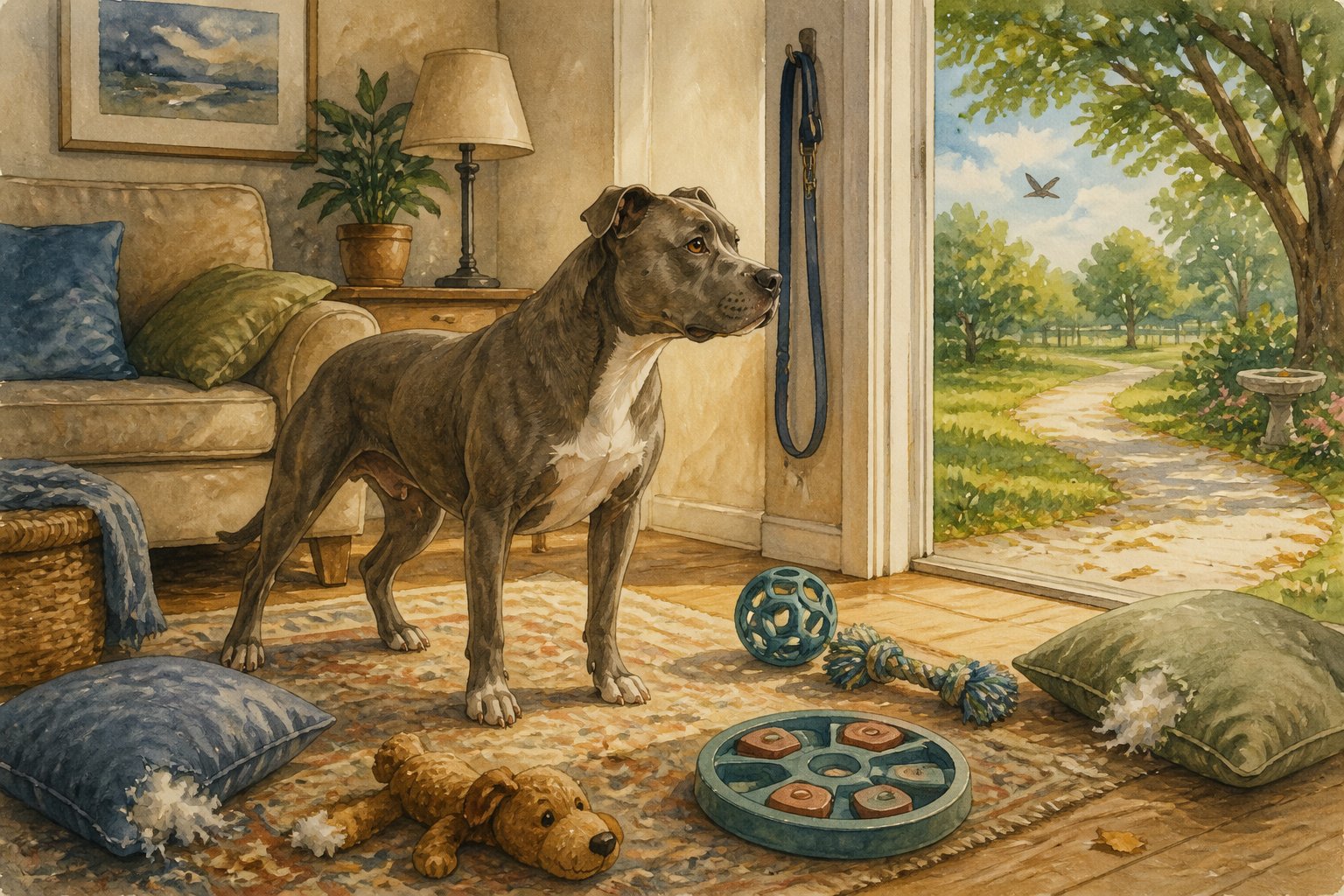
Your dog needs more than access to a yard. Many American Pit Bull Terriers are energetic, muscular, and eager to interact with you.
Without enough activity, you may see chewing, digging, barking, jumping, or restless pacing. Plan a mix of brisk walks, supervised tug, fetch, scent searches, food puzzles, and short training sessions.
Mental work can tire your dog as effectively as physical play, especially during hot weather or recovery from illness. Increase exercise gradually and watch your dog’s breathing, gait, and recovery time.
Avoid intense activity on hot pavement, provide water, and stop if your dog seems weak, confused, or unusually distressed.
5. Relying On Strength Instead Of Loose-Leash Training
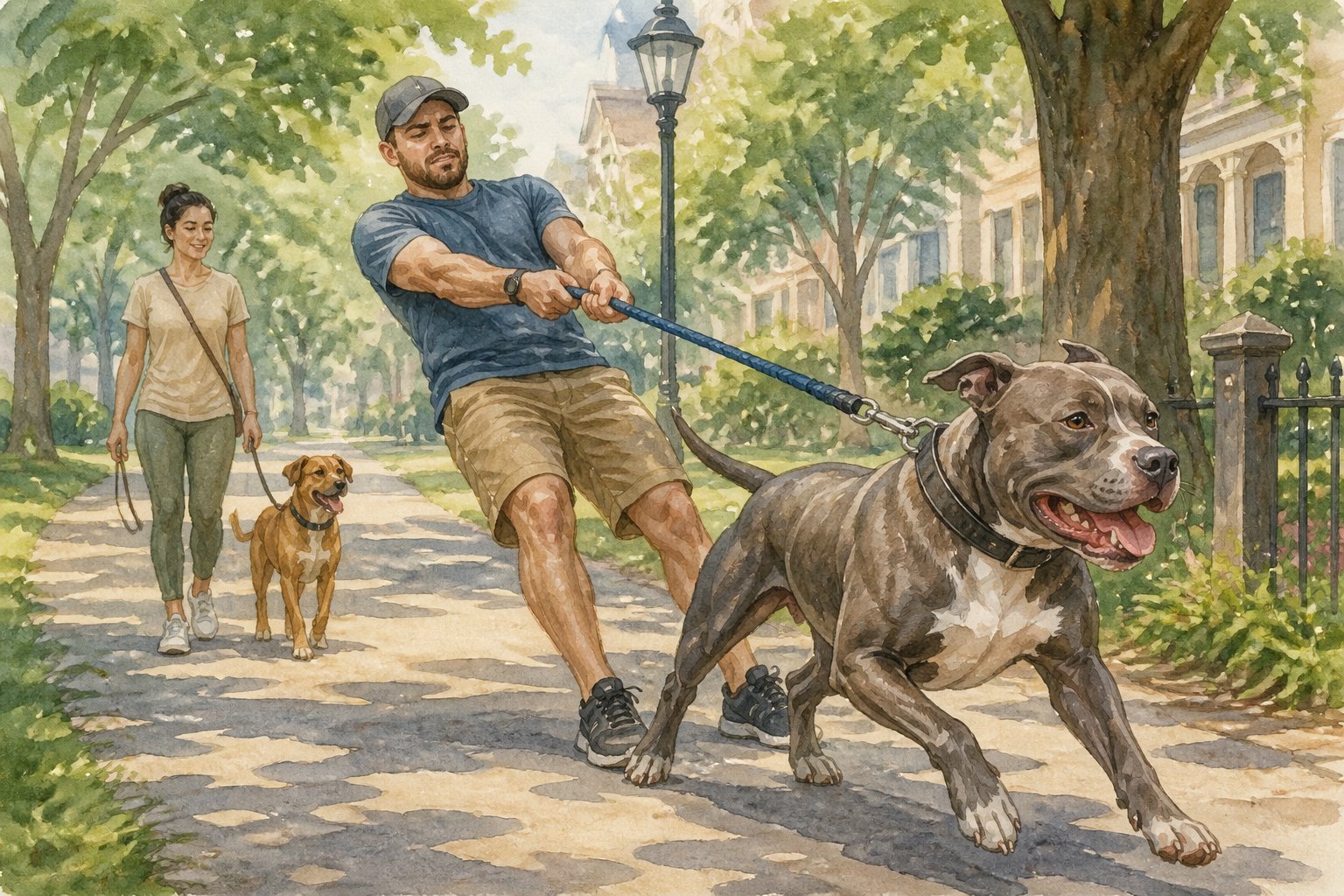
A strong dog can pull you into traffic, toward another animal, or into a conflict before you can react. You should teach loose-leash walking early, starting in a quiet room and rewarding your dog whenever the leash stays slack.
Use a well-fitted harness or collar that you can handle safely. Practice stopping, turning, and checking in with you rather than relying on harsh corrections.
A front-clip harness may improve control during training, though fit and proper use matter. Keep sessions short and repeatable.
In my experience, carrying small treats and rewarding calm choices prevents more problems than trying to overpower a pulling dog.
6. Missing Early Signs Of Skin Allergies And Ear Infections
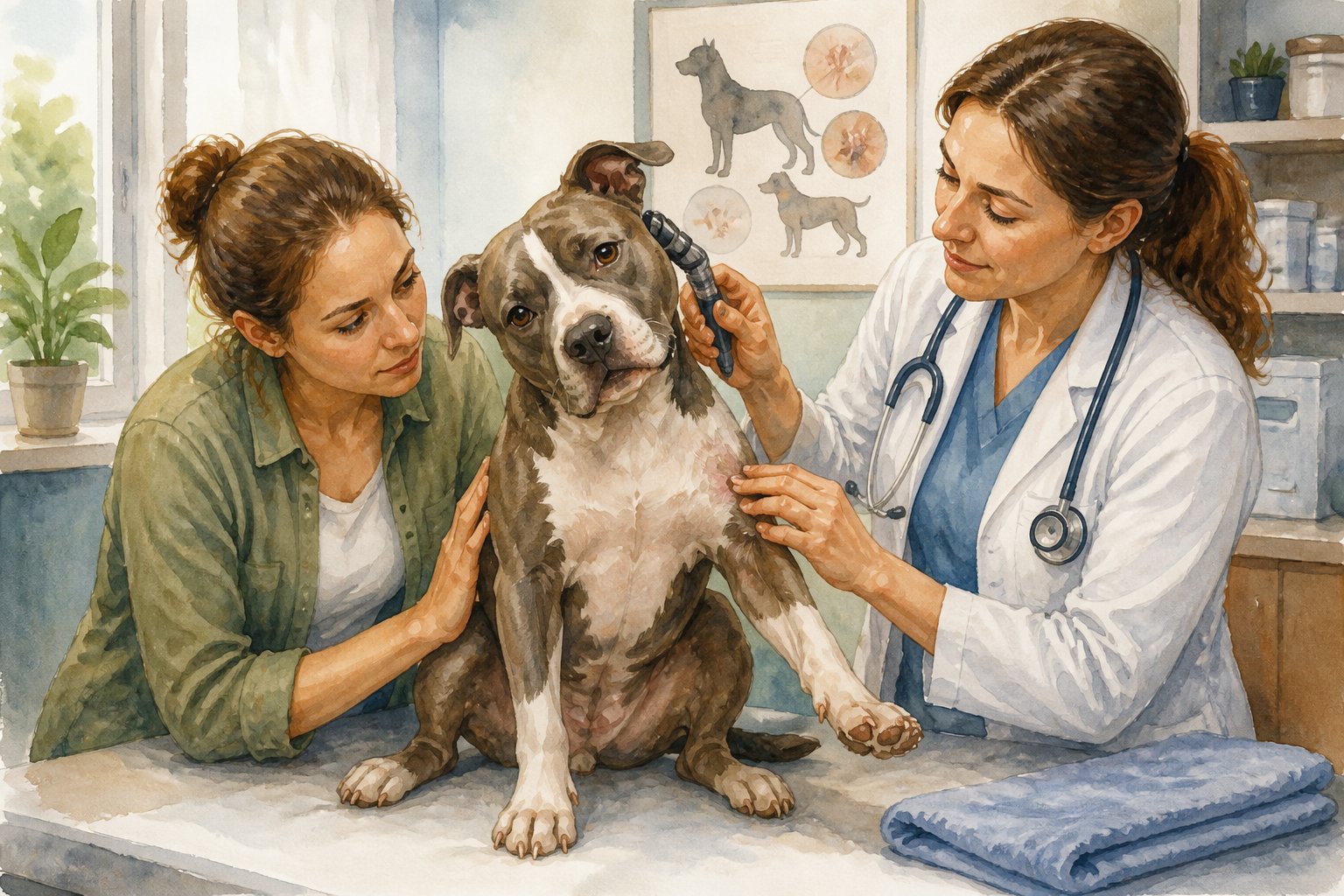
You should check your dog’s skin and ears regularly. Redness, paw licking, face rubbing, hair loss, odor, head shaking, discharge, or repeated scratching can signal allergies, parasites, or infection.
Short-coated dogs can still develop painful skin problems, and recurring ear trouble may need more than home cleaning. Do not place leftover medication or cotton swabs deep in the ear canal.
Arrange a veterinary exam when signs persist or return. Track food changes, seasonal flare-ups, flea prevention, and products used on the skin.
That record can help your veterinarian identify patterns and create a safer treatment plan.
7. Letting Weight Gain Stress Hips And Knees
Your dog’s compact, muscular build can make extra weight easy to miss beneath the chest and shoulders. Excess body fat adds strain to hips, knees, and the heart, and it can worsen discomfort from joint disease or injury.
Ask your veterinarian to assess body condition, then measure meals instead of guessing. Include treats, chews, table scraps, and food used during training in the daily calorie count.
You should be able to feel the ribs with light pressure and see a defined waist from above. Choose low-impact exercise if your dog is overweight or limping.
Swimming, controlled walks, and gradual conditioning may help. Sudden jumping or hard running can increase injury risk.
8. Treating “Pit Bull” As One Predictable Breed
“Pit bull” is a broad label, not one precise breed. It may describe an American Pit Bull Terrier, another related breed, or a mixed-breed dog with different size, drives, health risks, and social preferences.
You should assess the individual dog’s history, behavior, structure, and response to handling. Breed labels alone cannot tell you whether a dog will enjoy children, cats, other dogs, strangers, or apartment living.
Ask shelters and rescues for honest records. Observe the dog in several settings when possible.
Temperament can change with stress, age, pain, and environment. Responsible ownership requires ongoing supervision rather than assumptions.
Before You Bring Home An American Pit Bull Terrier
Check Local Breed-Specific Rules
Contact your city, county, animal-control office, and prospective landlord before bringing your dog home. Ask about licensing, breed definitions, permits, fencing, leashes, muzzles, and housing limits.
Save copies of the rules and any written approval.
Confirm Homeowners Or Renters Insurance Coverage
Call your insurance provider and describe your dog accurately. Ask whether the policy excludes pit bull-type dogs, requires added liability coverage, or demands a behavior certificate.
If coverage is unavailable, compare alternatives before adoption.
Ask Rescues For A Behavior And Medical History
Request vaccination records, sterilization status, medications, bite or incident records, dog and cat assessments, and known triggers. Ask how the dog behaves during handling, feeding, confinement, and walks.
A foster-based rescue may provide useful observations from a home setting.
Build A Responsible Ownership Routine
Schedule Preventive Veterinary Screening
Keep regular wellness visits, vaccinations, parasite prevention, dental care, and weight checks on schedule. Ask about hips, knees, skin, ears, heart health, and exercise limits as your dog ages.
Early evaluation is especially important when you notice limping, itching, fatigue, or behavior changes.
Use Reward-Based Training Support
Enroll in a force-free class or consult a qualified behavior professional. Practice name recognition, recall, leash skills, place, leave it, cooperative handling, and calm greetings.
Consistent rewards make good choices easier to repeat.
Plan Safe, Controlled Exercise
Build a weekly routine that combines walks, play, scent work, and rest. Use secure equipment and inspect fences.
Avoid unsafe dog interactions. Adjust activity for heat, illness, age, and joint comfort.