
You want to stop your dog’s itching and clear up their ears without running straight to the vet.
Here are six safe, practical home treatments you can try to reduce ear mites, soothe irritation, and support healing while you decide if professional care is needed.
You’ll also get a sense of how these treatments work, what safety steps to follow, and how not to make things worse.
Expect cleaning tips, simple topical options, gentle soothing methods, and a little guidance on when to seek vet help.
Clean ears with a warm saline solution to remove debris
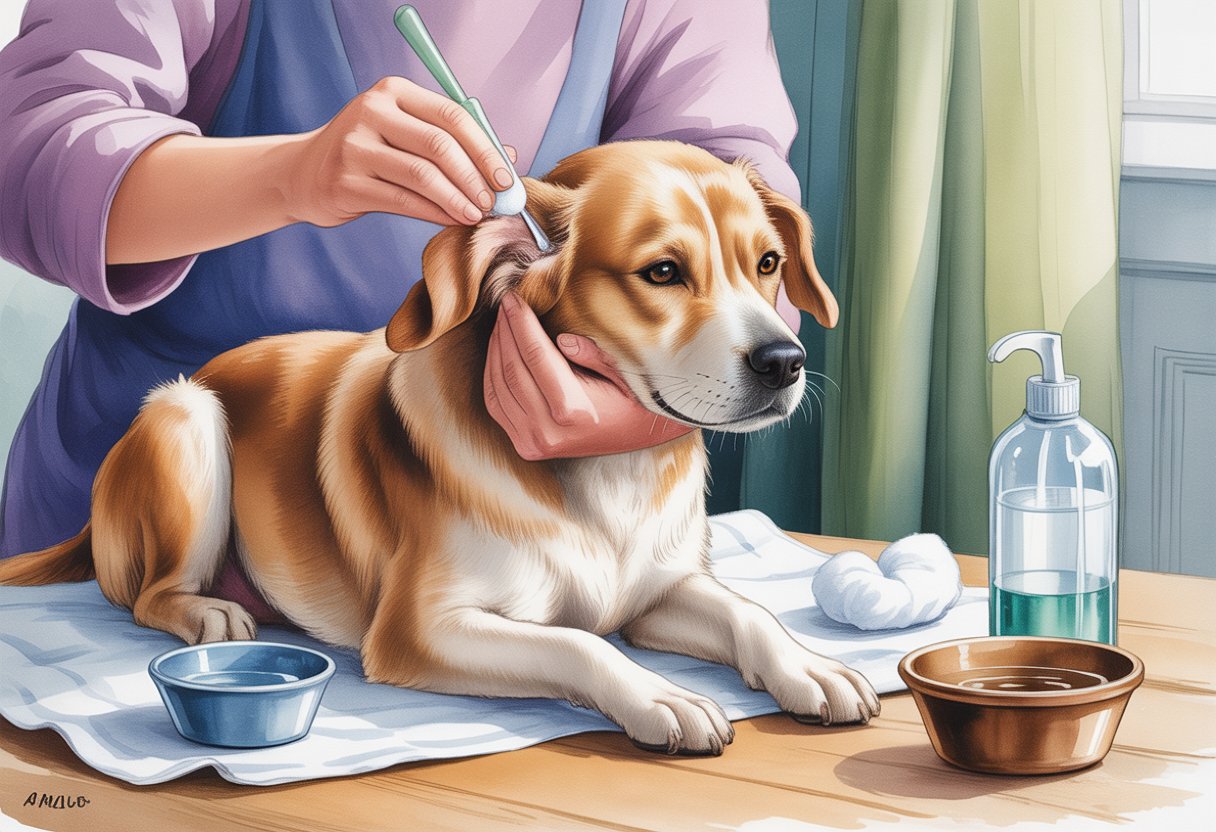
Start by loosening wax and debris with a gentle saline rinse.
Mix 1 teaspoon of non-iodized salt into 1 cup of warm, distilled or boiled-and-cooled water.
Hold your dog still, then lift the ear flap.
Squeeze a small amount of saline into the ear canal and massage the base for a few seconds to help dislodge debris.
Let your dog shake its head.
Wipe the outer ear with a clean cotton ball or soft cloth.
Never push cotton swabs into the canal; that can pack debris deeper or damage the ear.
Use saline only if the ear looks intact and isn’t bleeding.
If you see heavy swelling, a foul odor, or persistent pain, stop and get veterinary care.
Apply mineral oil to suffocate ear mites
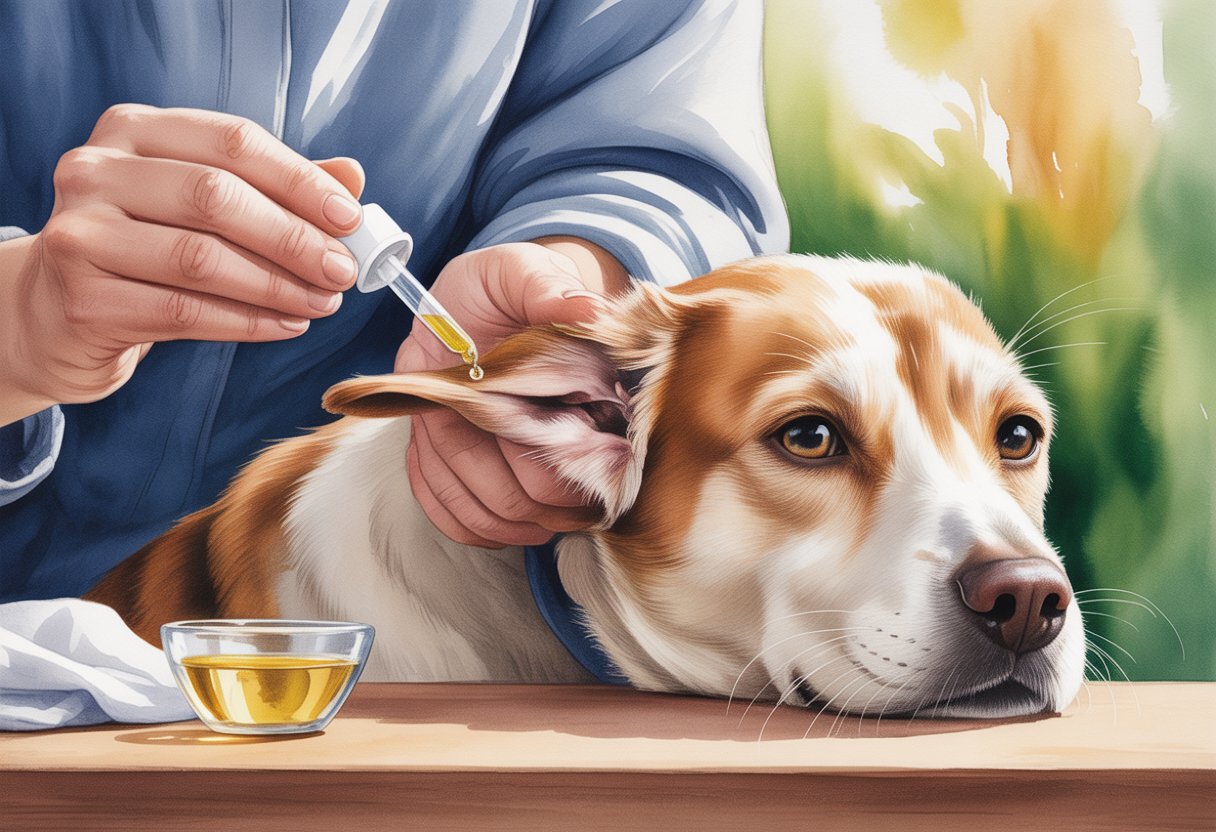
Mineral oil can help smother ear mites by coating their bodies and blocking their breathing.
Use only plain mineral oil and warm it slightly so it feels comfortable to your dog.
Clean visible debris with a damp cotton ball before applying oil.
Tilt your dog’s head and put a few drops into the ear canal, then massage the base of the ear so the oil spreads.
Repeat the treatment daily for about a week and watch for less scratching and discharge.
If you see redness, swelling, a bad smell, or no improvement in 48–72 hours, stop and contact your veterinarian.
Don’t use Q-tips deep in the ear; they push debris farther in or can damage the eardrum.
Skip mineral oil if your dog has a known ear infection unless your vet says it’s okay.
Use diluted apple cider vinegar as an ear cleaner
You can use diluted apple cider vinegar (ACV) to help clean your dog’s ears and make the environment less friendly to mites.
Mix equal parts ACV and water for a mild solution that reduces wax and may help balance pH.
Soak a cotton ball or use a syringe to apply a small amount to the ear flap and the entrance of the ear canal.
Don’t pour deep into the ear, and skip ACV if the ear is raw, bleeding, or very painful.
Gently wipe away loosened debris with a cotton ball.
Repeat once daily for a few days, but stop if your dog shows discomfort or worsened redness.
ACV can help mild irritation, but honestly, it’s not a proven cure for infestations.
If symptoms stick around, the smell gets worse, or your dog seems in pain, see a veterinarian.
Treat ears with a mixture of coconut oil and olive oil
Mix equal parts coconut oil and olive oil in a small, clean container.
Warm the blend slightly so it’s liquid but not hot; test a drop on your wrist first.
Put 3–5 drops into your dog’s ear canal, then gently massage the base of the ear for about 30 seconds.
This helps the oil reach deeper and loosens debris and wax where mites hide.
Repeat the treatment every other night for two to four weeks, depending on your dog’s response.
Watch for less scratching, less dark discharge, and a calmer ear area.
If redness, swelling, pain, or a worsening smell appears, stop immediately and call your veterinarian.
Oils can help smother mites and soothe skin, but they aren’t a replacement for vet care if things get bad.
Apply a vet-approved topical aloe vera gel for soothing
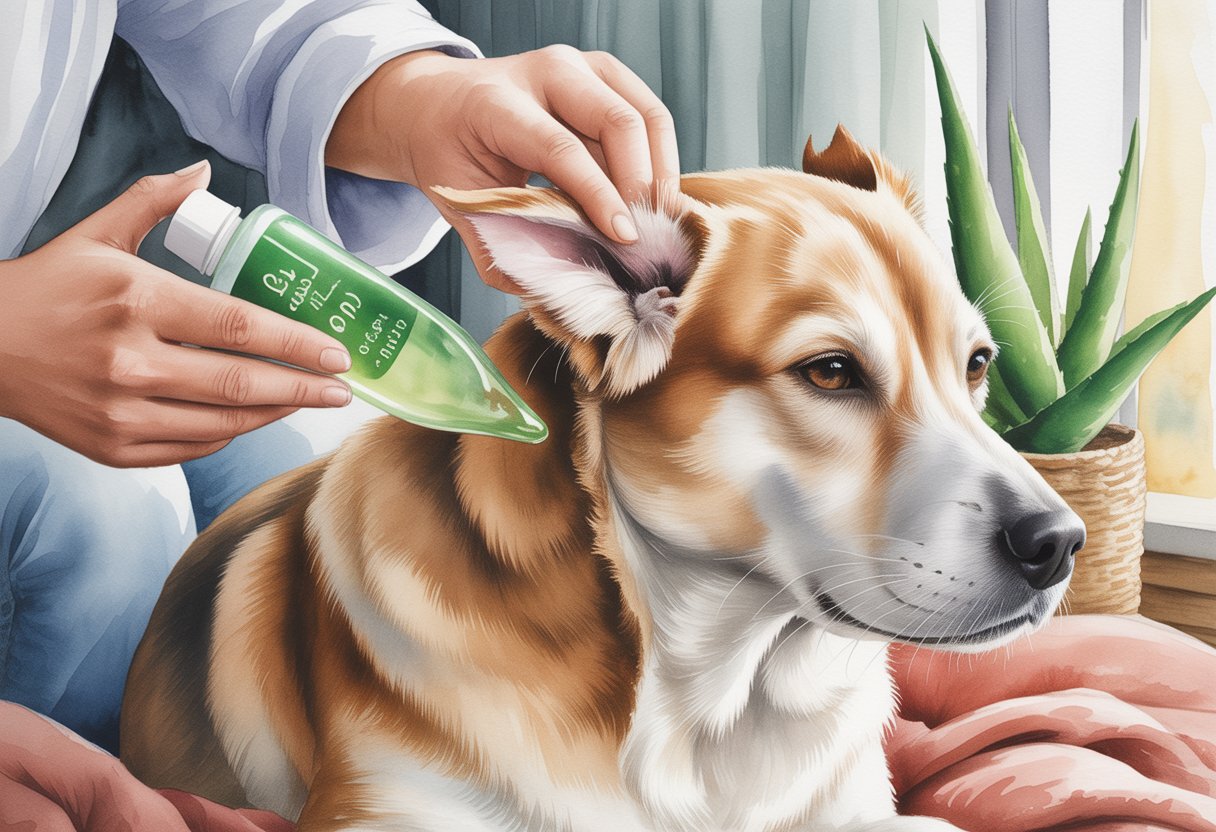
If your dog’s ears are red or sore from mites, a vet-approved aloe vera gel can calm the skin and reduce itching.
Use only products labeled safe for pets and free of alcohol, fragrances, or other irritating additives.
Clean the outer ear gently before applying.
Dab a small amount on the irritated areas; don’t push gel deep into the ear canal.
Watch your dog closely for any signs of worsening, like increased scratching, swelling, or discharge.
Stop use and contact your veterinarian if you see a reaction.
Aloe vera doesn’t kill mites.
Use it as a soothing support alongside parasite-specific treatments your vet prescribes.
Apply sparingly and follow your vet’s directions for frequency and duration.
Give oral natural supplements like garlic oil for immune support
You can consider adding an oral supplement to help your dog’s immune system while treating ear mites.
Garlic oil supplements are sold for pets and may support general immune health when used at safe doses.
Talk to your veterinarian before giving any supplement.
Some forms of garlic and high doses can be toxic to dogs, and a vet can recommend a safe product and dose for your pet’s size and health.
Use supplements as a complement, not a replacement, for direct mite treatments like topical medications or cleaning.
Monitor your dog for any signs of stomach upset, weakness, or unusual bleeding and stop the supplement if you notice problems.
Keep records of the brand, dose, and how your dog responds.
Regular check-ins with your vet help ensure the supplement supports recovery without causing harm.
How Home Treatments Work
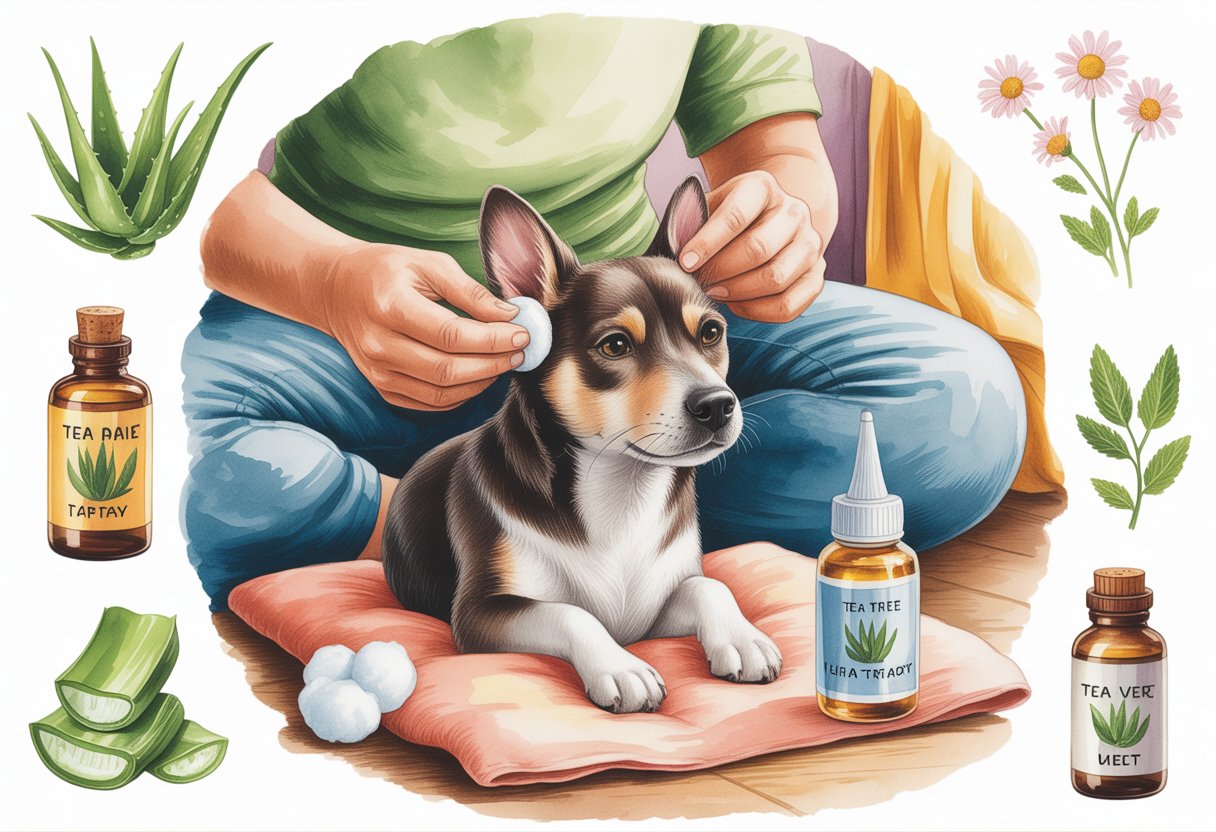
Home treatments aim to remove mites, soothe irritation, and stop reinfestation using cleaning, topical agents, and ongoing prevention.
You’ll use physical cleaning to clear debris, an agent to kill or repel mites, and follow-up care to help the ear canal heal and prevent return.
Mechanism of Action
Physical cleaning removes dark, crumbly debris and wax where mites and eggs hide.
Use a gentle ear cleaner or a warm, damp cloth to loosen and wipe away debris, making topical agents work better.
Topical treatments act in one of two ways.
They either smother mites with oils (like mineral or olive oil) or kill them with approved insecticidal ingredients (such as pyrethrins or selamectin in vet products).
Oils block mite breathing and reduce activity, though it may take several applications to affect all life stages.
Insecticidal options kill adults and some immature stages faster.
Some home remedies add soothing ingredients (aloe, chamomile) to reduce itching and inflammation while the mites die.
You have to follow product directions and avoid putting harsh substances deep into the ear canal.
Safety Considerations and Precautions
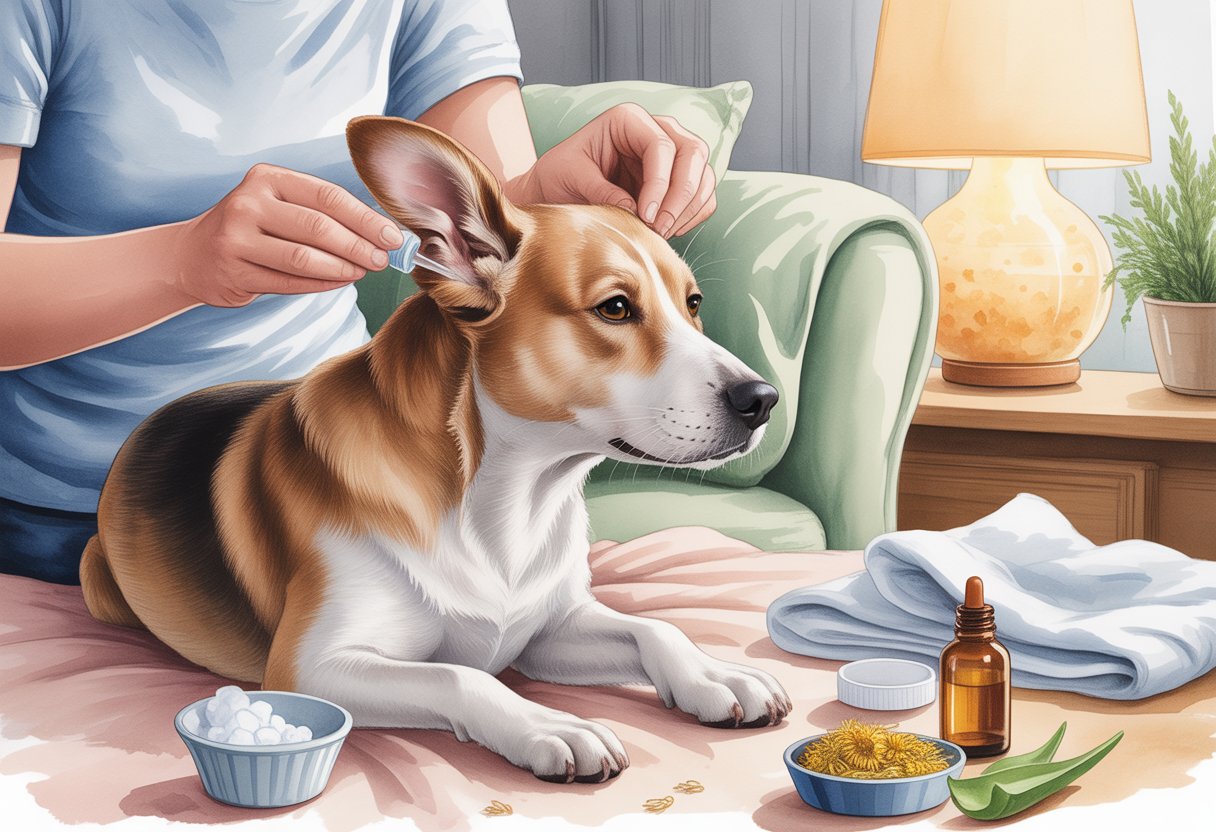
Read warnings on products and watch your dog during treatment.
Stop any method that causes strong pain, heavy bleeding, or sudden severe swelling.
Potential Side Effects
Some cleaners and home remedies can irritate the ear canal.
You might see increased redness, raw skin, or a foul smell.
If your dog shakes its head more or holds the ear closed, those are signs of worsening irritation.
Topical oils and mineral treatments can trap moisture and make bacterial or yeast infections worse.
Overusing hydrogen peroxide or rubbing alcohol can burn sensitive skin and slow healing.
If you use drops with essential oils, dilute them heavily and test a tiny amount first.
Undiluted oils can cause severe burning and allergic reactions.
Also watch for systemic signs like vomiting, lethargy, or loss of appetite after an oral home remedy.
Those signs mean the substance was swallowed or caused a body-wide reaction—stop immediately if you notice them.
When to Consult a Veterinarian
Call your vet if you notice thick, dark, or bloody ear discharge. Those signs usually point to a secondary infection or deeper damage that’ll need prescription meds.
If your dog stops eating, acts extremely tired, or spikes a fever, get help right away.
Head to the vet if your dog’s ear flap has open sores or if there’s a really bad smell. If cleaning doesn’t help in 48–72 hours, that’s another red flag.
Bring along a sample of the discharge or snap a photo. The vet can check the ear, look for mites under a microscope, and recommend safe treatments.
Not sure about a product? Or maybe your dog has other health issues like diabetes or immune problems? Ask your vet before you try any home remedies.