Watching your dog struggle with dry, itchy skin is difficult. Fortunately, you can use several safe, natural remedies at home to soothe their discomfort and improve their coat health.
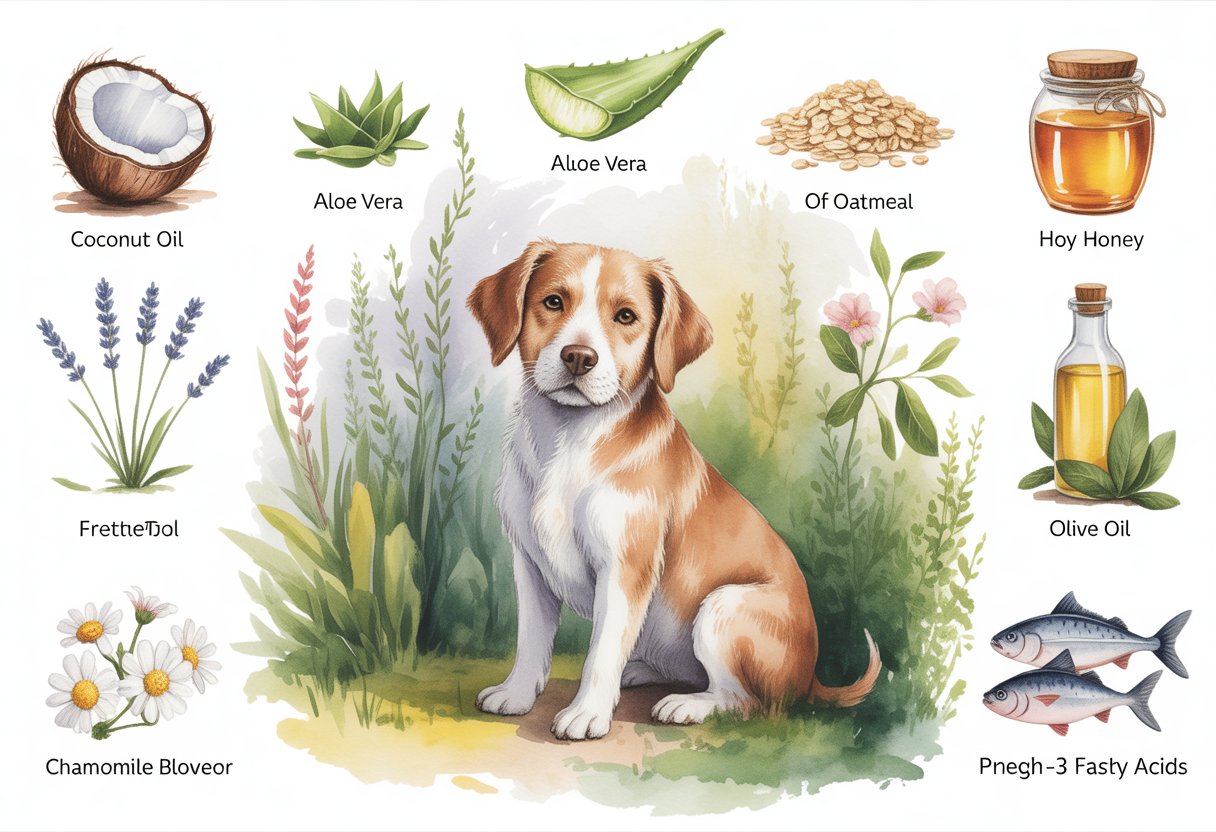
This guide covers eight practical treatments, including topical moisturizers, gentle rinses, grooming habits, and essential supplements. You will also learn how to identify underlying causes and when it is time to consult a veterinarian.
Coconut Oil Application to Soothe and Moisturize
You can use coconut oil to help soothe dry, flaky skin on your dog. It acts as a mild moisturizer and can reduce itchiness when applied to small areas.
Start with a clean, dry patch of skin and warm a teaspoon of virgin coconut oil between your fingers. Gently massage it into the skin for one to two minutes so it absorbs; avoid thick layers that sit on the coat.
If your dog licks the oil, choose edible, unrefined coconut oil and use only small amounts. Test a small area first for any redness or irritation, and stop use if your dog shows signs of an allergic reaction.
Apply coconut oil two to three times a week on affected spots, not the whole body, unless your vet agrees. Keep baths mild and avoid over-washing, which can strip natural oils and worsen dryness.
Oatmeal Baths to Relieve Itching and Hydrate Skin
An oatmeal bath can calm your dog’s itchy, dry skin. Use finely ground oats (colloidal oatmeal) so they mix in water and coat the skin for soothing relief.
Fill a tub with lukewarm water and stir in about 1 cup of colloidal oatmeal for a full-size bath. Let your dog soak for 10–15 minutes while you gently massage the water into their coat.
Oatmeal has mild anti-inflammatory and moisturizing properties that help reduce irritation. It can also cleanse without stripping natural oils, making it a gentle choice for sensitive skin.
Dry your dog by patting with a towel instead of rubbing, and avoid hot dryers that can worsen dryness. Repeat baths once or twice a week or as your vet recommends, and stop if you see any redness or worsening irritation.
Regular Brushing to Remove Dead Hair and Stimulate Circulation
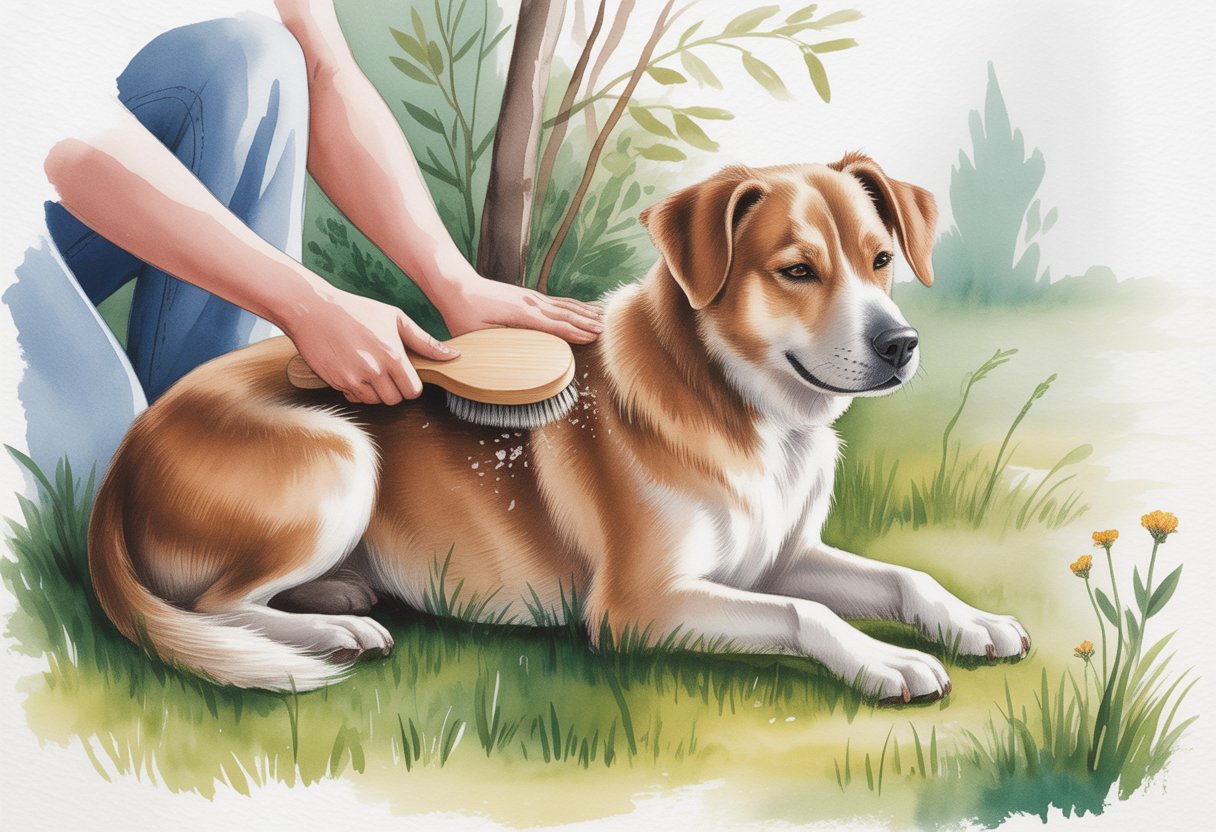
Brushing your dog a few times a week removes loose hair and dead skin. This prevents flakes from building up and helps new hairs grow in cleanly.
Use a brush that fits your dog’s coat type. Gentle, regular strokes lift dirt and spread natural oils, which can reduce dryness.
Brushing also boosts blood flow to the skin. Better circulation helps deliver nutrients that support healthy skin and coat.
Be careful around sensitive spots like the belly and ears. Work slowly and praise your dog so brushing stays a calm, positive routine.
Aloe Vera Gel for Soothing Irritated Skin
Aloe vera gel can calm your dog’s red, itchy patches. It has mild anti-inflammatory and moisturizing effects that often help the skin feel less tight.
Use only pure, store-bought aloe vera gel or the clear inner gel from the plant. Avoid products with alcohol, fragrances, or artificial colors because those can sting or irritate your dog.
Test a small area first and watch for redness, swelling, or licking. If your dog shows a bad reaction, stop using it and call your vet.
Apply a thin layer to the affected area once or twice daily until the skin improves. Keep your dog from licking the gel by using a cone or distracting them with a treat if needed.
Apple Cider Vinegar Spray Diluted for Antimicrobial Effect
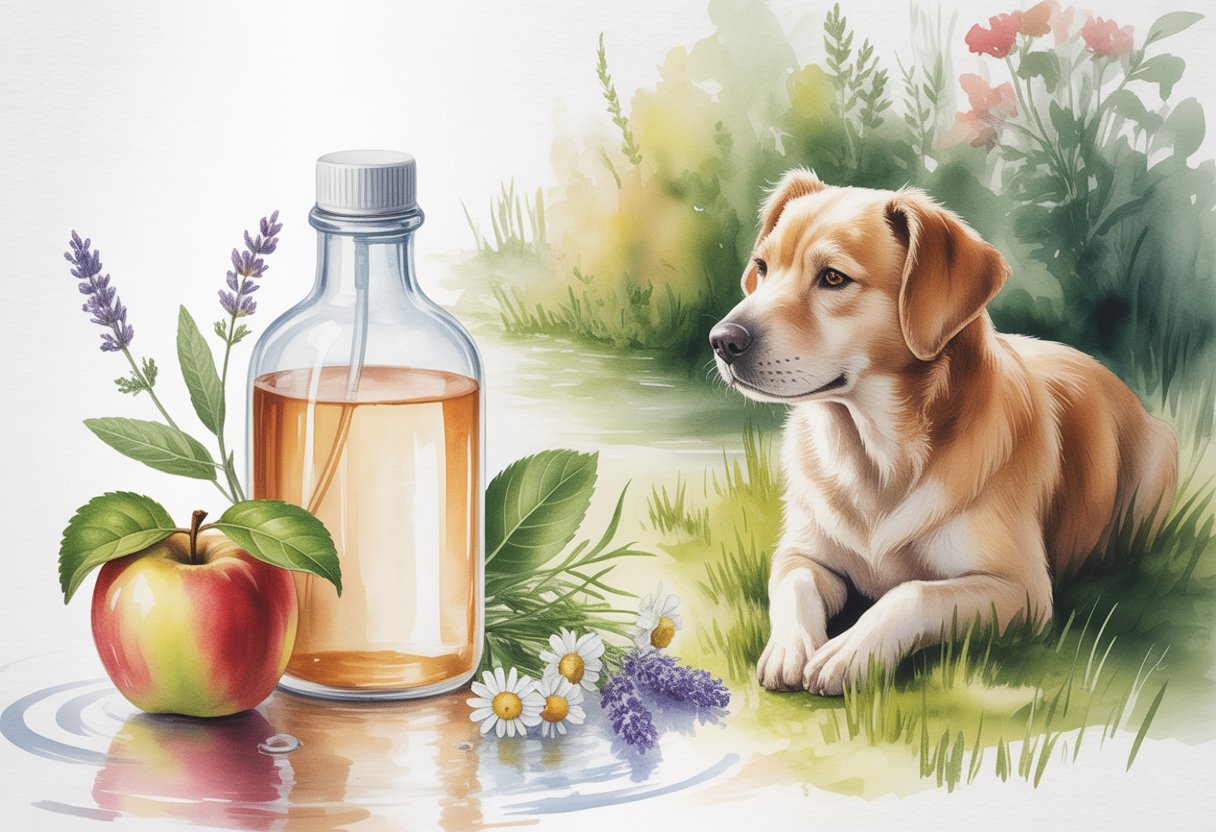
You can use diluted apple cider vinegar (ACV) as a topical spray to help control bacteria and yeast on your dog’s skin. Mix equal parts ACV and water, put it in a spray bottle, and shake well before use.
Spray affected areas lightly, avoiding open wounds and the eyes. The solution can help restore a balanced skin pH and make the environment less friendly to some microbes that cause itching.
Use the spray once or twice a week and watch your dog’s skin for signs of irritation. Stop using it if the skin becomes red, sore, or your dog shows discomfort.
Do not apply undiluted ACV; it can sting and damage sensitive skin. If your dog has severe or persistent dryness, check with your veterinarian before continuing.
Chamomile Tea Rinse to Calm Skin Inflammation

Chamomile tea has mild anti-inflammatory and soothing properties that can help ease your dog’s irritated skin. Use unsweetened, cooled tea as a gentle rinse to lower redness and reduce mild itching.
Brew a weak tea, cool it to room temperature, and strain well to remove leaves. Pour the tea over the affected areas or apply with a clean cloth, then let your dog air-dry or towel-dry gently.
Test a small patch first to watch for any allergic reaction. Stop use and contact your vet if the skin worsens, your dog shows swelling, or you see signs of a severe allergy.
Avoid adding honey, milk, or essential oils to the rinse. Keep treatments simple and use chamomile as a short-term, supportive measure alongside veterinary advice for persistent or severe skin problems.
Vitamin E Oil Massage to Promote Skin Healing
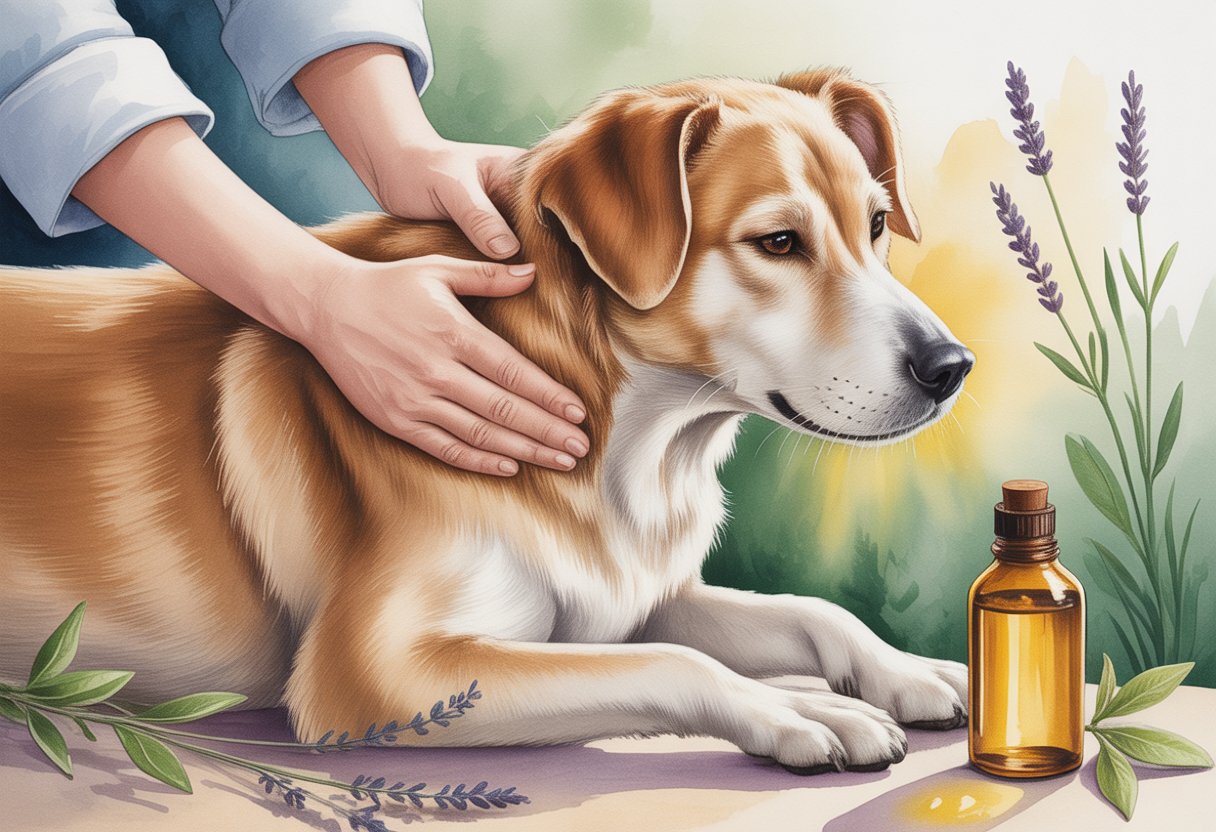
You can use vitamin E oil to soothe small dry patches and help minor wounds heal. Apply a small amount of pure vitamin E oil to your fingertip and gently massage it into the affected area.
Do a patch test first on a small area to check for allergic reaction. Stop use if your dog shows redness, swelling, or increased itching.
Keep the massage brief and calm so your dog stays relaxed. Rubbing the oil in also boosts circulation and helps the skin absorb moisture.
Avoid letting your dog lick the area until the oil soaks in, since ingesting concentrated vitamin E oil can upset their stomach. If your dog has a deep wound, infection, or a chronic skin problem, contact your veterinarian before using any home treatment.
Omega-3 Fatty Acid Supplements to Improve Skin Health
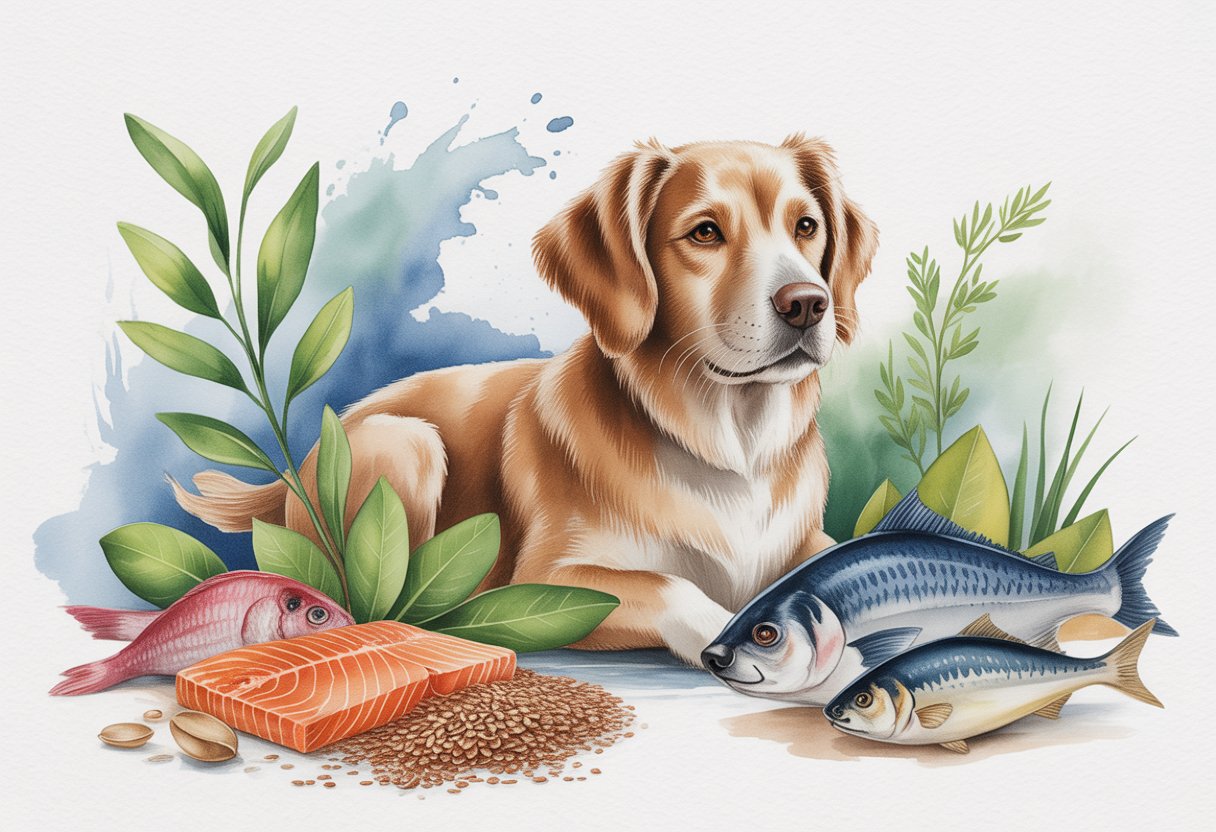
You can help your dog’s dry skin by adding omega-3 supplements to their diet. Omega-3s, mainly EPA and DHA from fish oil, reduce inflammation and can ease itching over time.
Give supplements that match your dog’s size and follow the label or your vet’s dose recommendation. Too much can cause stomach upset or thin the blood, so start with a low dose and watch for changes.
Look for high-quality fish oil made for pets or a vet-recommended product. Check the source, purity testing, and EPA/DHA amounts to make sure you get an effective dose.
Expect gradual improvement. Coat and skin changes may take several weeks to show, so be patient and track progress. If symptoms persist or worsen, consult your veterinarian for a tailored plan.
Understanding Dog Dry Skin
Dry skin in dogs often comes from things you can change, like diet, grooming, or home humidity. Other times it stems from medical issues that need a vet. Know the likely causes and the common signs so you can act fast.
Common Causes of Dry Skin in Dogs
Allergies are a frequent cause. Food ingredients such as certain proteins or grains can trigger skin reactions. Environmental allergies—pollen, dust mites, or mold—also cause chronic dryness and scratching.
Poor diet matters. A lack of essential fatty acids (omega-3 and omega-6) and low-quality protein can leave the coat dull and the skin flaky. Check ingredient lists and consider vet-approved supplements if needed.
Parasites and infections contribute too. Fleas, mites, and some fungal or bacterial infections damage the skin barrier and cause dryness. Regular parasite control and prompt treatment for infections reduce ongoing problems.
Household factors influence skin health. Low humidity from indoor heating, excessive bathing with harsh shampoos, and certain cleaning products strip natural oils. Adjust bath frequency and use gentle, moisturizing products.
Recognizing Symptoms of Dry Skin
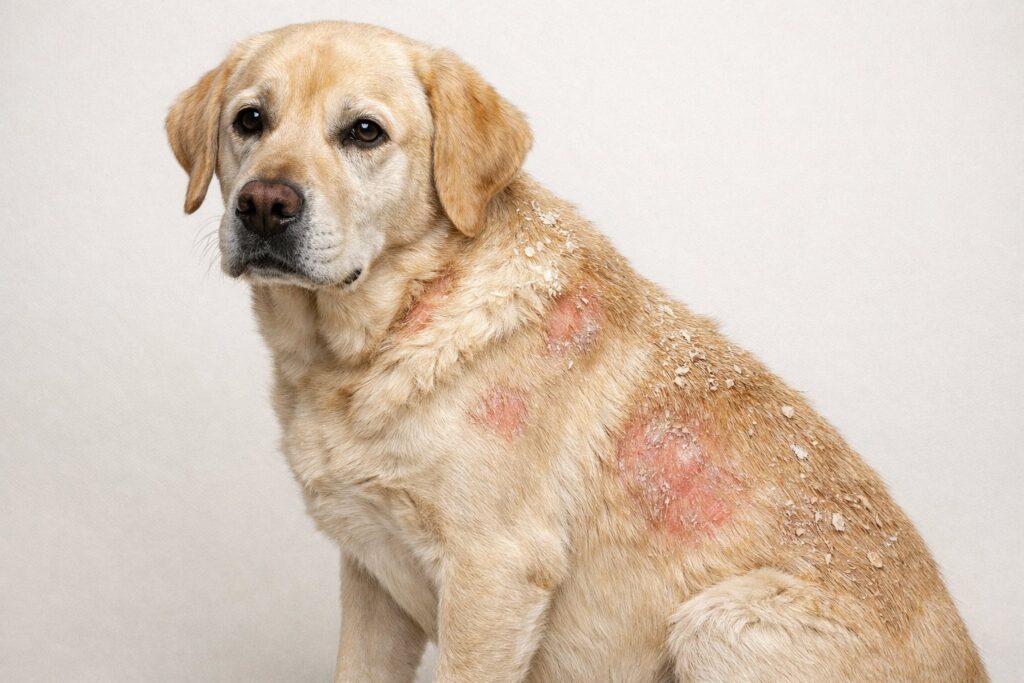
Look for visible flakes and dandruff along the back, tail base, and belly. Flaky skin often coexists with a dry, rough coat. You may notice more shedding than usual.
Watch your dog’s behavior. Frequent scratching, licking, or biting at specific spots points to localized dryness or irritation. Restlessness at night often signals persistent itch.
Check for redness, scabs, or hair loss. These signs suggest the dryness has led to inflammation or secondary infection. If you see sores, oozing, or a foul odor, seek veterinary care right away.
Monitor overall health clues. Poor appetite, weight loss, or changes in energy can accompany systemic causes like thyroid disease. Share these observations with your vet when you ask for help.
When to Consult a Veterinarian
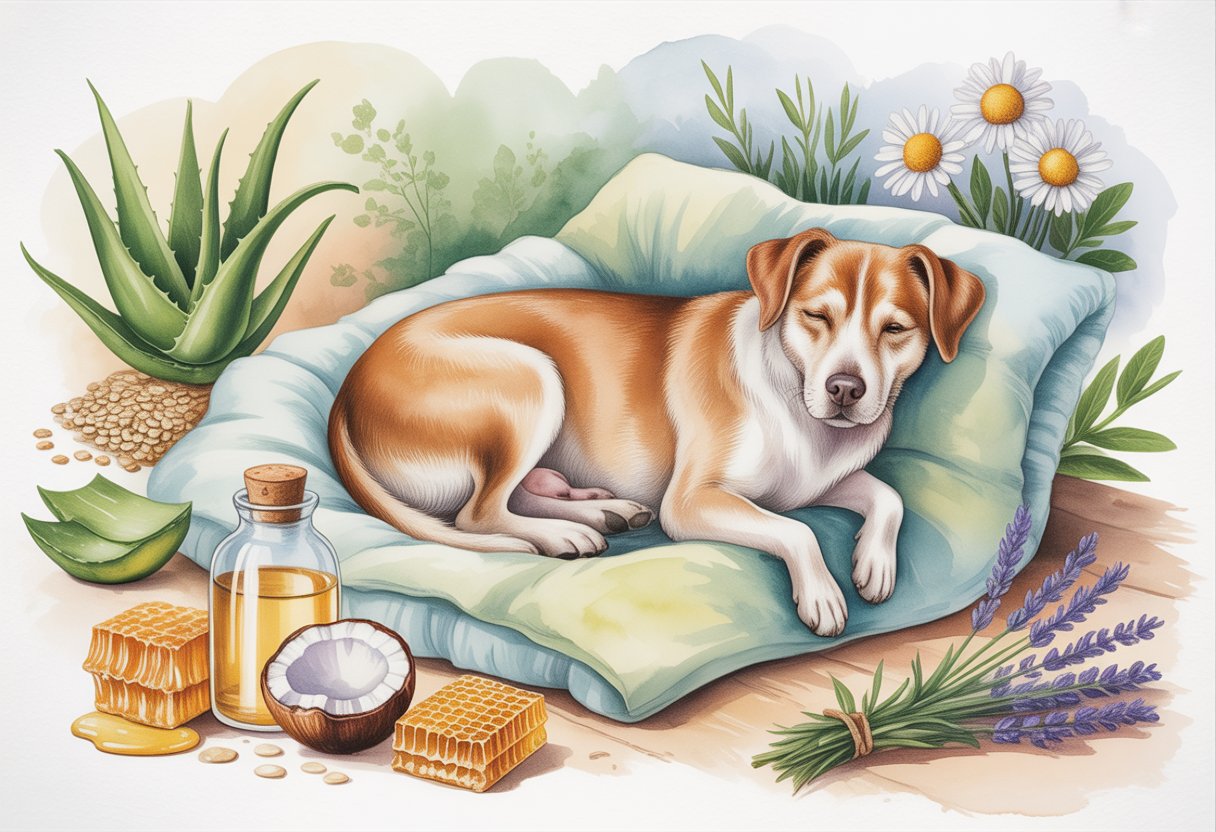
If your dog’s skin problem lasts more than a week, gets worse, or causes open sores or hair loss, seek veterinary help. Quick action can prevent infection and find the real cause.
Indicators of a More Serious Condition
Watch for these signs that mean the issue may be more than simple dry skin:
- Persistent itching for more than seven days despite home care.
- Red, swollen, or warm skin patches that suggest infection.
- Hair loss in clear patches, scabs, or pus.
- Repeated ear infections, greasy coat, or a foul odor from the skin.
- Changes in appetite, sudden weight loss, or lethargy alongside skin problems.
If your dog chews or licks a spot until it bleeds, you must act quickly. These signs can point to allergies, parasites (like mange or fleas), hormonal problems (like hypothyroidism), or bacterial and fungal infections. Note exact symptoms, their location, and when they started to help the vet.
The Role of Professional Diagnosis
A vet will examine your dog and may run tests to find the root cause. Tests can include skin scrapings, fungal cultures, blood work, allergy testing, and sometimes a skin biopsy.
Treatment depends on the diagnosis. Your vet might prescribe medicated shampoos, antibiotics, antifungals, flea control, or hormone therapy. They will also advise dietary changes or supplements if nutrition is a factor.
Follow the vet’s instructions exactly and schedule follow-up checks if symptoms persist. Accurate diagnosis prevents repeated problems and avoids using treatments that could make the issue worse.