Helping a dog with inflammatory bowel disease can feel overwhelming. But you can actually take some practical steps at home to reduce symptoms and make your pup more comfortable.
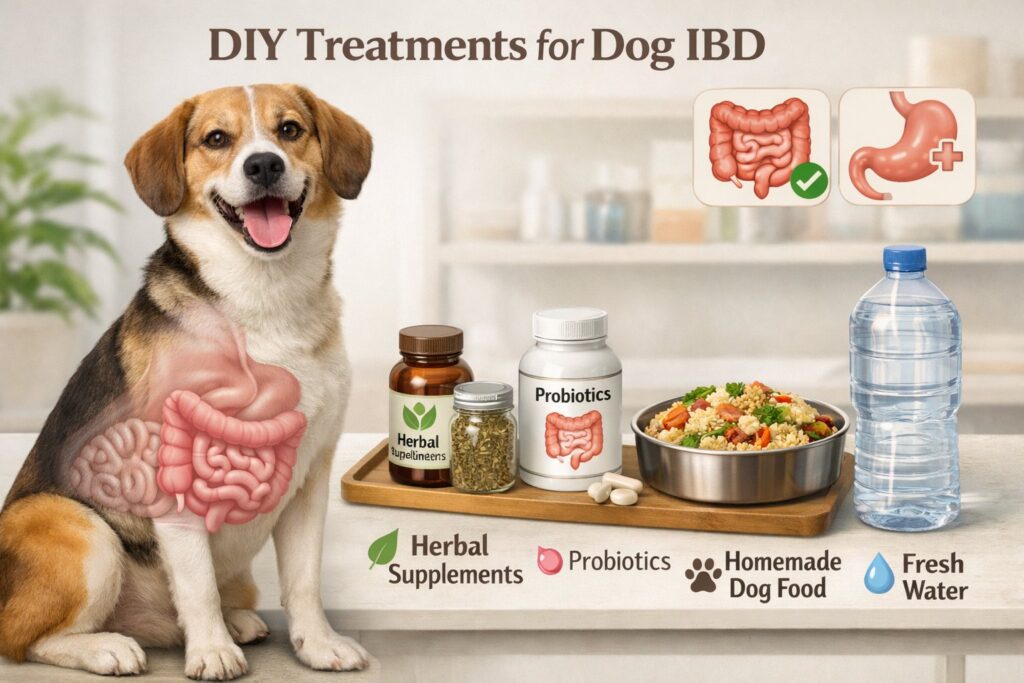
Here are seven safe, do-it-yourself ideas you can try—diet tweaks, simple supplements, and feeding habits that often help calm digestion without jumping straight to vet-only treatments.
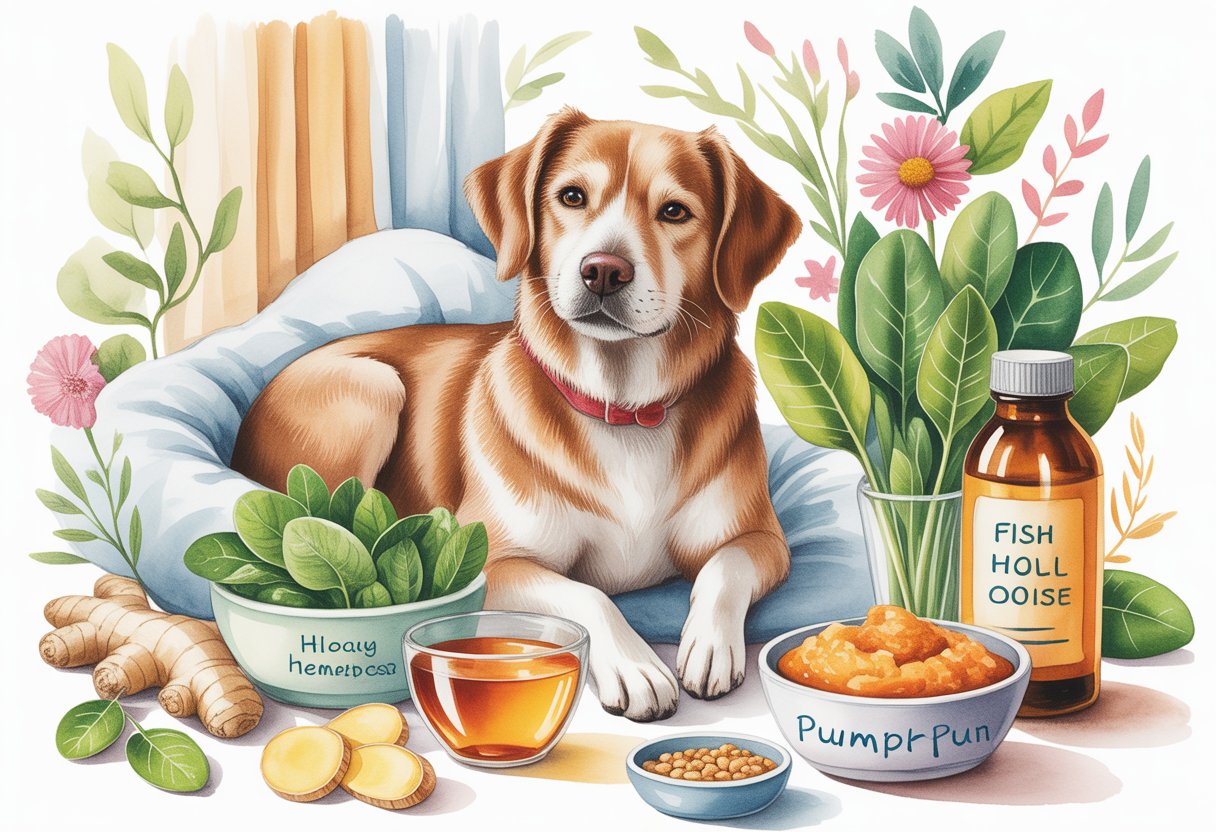
You’ll find clear options here, like using a limited-ingredient homemade diet, bland meals like boiled chicken and rice, adding fish oil or pumpkin, and trying probiotics or meal timing to ease GI stress. The guidance stays practical so you know when a home trick might help—and when you really need to call your vet.
Switch to a hypoallergenic homemade diet with limited ingredients
You can help control IBD by feeding a simple, hypoallergenic homemade diet with just a few ingredients. Try limiting protein and carb sources to ones your dog hasn’t eaten before—rabbit and sweet potato, for example—to cut down on reactions.
Cook everything thoroughly and skip common allergens like beef, dairy, wheat, and soy while you test the diet. Leave out seasonings, oils, and treats unless your vet gives the green light.
Stick to a single protein and a single carb for at least 8–12 weeks to watch for improvement. If things get better, slowly add back other foods, one at a time, to find any triggers.
Honestly, it’s smart to work with your vet or a veterinary nutritionist to make sure the diet meets nutrient needs. They can suggest the right supplements or a balanced recipe so your dog doesn’t miss out on anything important.
Incorporate boiled chicken and rice as a bland base meal
Boiled chicken and rice can give your dog’s upset gut a break. It’s simple protein and easy-to-digest starch, with no spices or fats to irritate things more.
Use skinless, boneless chicken breast and plain white rice. Boil the chicken until it’s fully cooked, shred it up, and cook the rice until it’s soft.
Feed small portions a few times a day instead of one big meal. Keep an eye on appetite, stool, and energy—if things aren’t improving in 48–72 hours (or get worse), stop and check with your vet.
This meal is just a short-term fix, not a forever diet. Once your dog feels better, slowly reintroduce their regular food over several days.
Add fish oil supplements for anti-inflammatory benefits
Fish oil provides omega-3s—mainly EPA and DHA—that can help lower gut inflammation in dogs with IBD. With better omega-3 levels, you might notice less gut irritation and firmer stools.
Pick a high-quality fish oil made for pets to avoid contaminants and dosing mistakes. Always follow the label and check with your vet before starting any supplement.
Start low and watch for changes in appetite, stool, or coat. If you see vomiting, diarrhea, or things get worse, stop the oil and call your vet.
Fish oil works best when you use it alongside diet changes or other treatments your vet recommends. It’s not a magic bullet, but it can help as part of the plan.
Use pumpkin puree to ease digestion and regulate bowel movements

Try adding plain pumpkin puree to your dog’s food to help with digestion. Pumpkin has a lot of fiber, which can firm up loose stools or help with constipation by bulking things up.
Start small—about a teaspoon per 10 pounds of body weight for adults. Watch how your dog responds for a day or two.
Too much pumpkin can make stool too firm or cause gas, so adjust as needed. Use only plain canned pumpkin or homemade puree, nothing with spices, sugar, or salt.
Skip pumpkin pie filling and anything with additives. If diarrhea, constipation, or other issues keep going, check with your vet before continuing.
Introduce probiotics like FortiFlora to restore gut flora balance
Adding a vet-recommended probiotic can help restore healthy gut bacteria. FortiFlora is a popular choice, with live beneficial microbes that might reduce diarrhea and support digestion.
Mix one packet into your dog’s food daily, unless your vet says otherwise. Usually, even big dogs just get a single packet, but always check the directions or your vet’s advice.
Probiotics work best if you use them every day and keep the diet steady. If your dog recently had antibiotics, probiotics can help repopulate good bacteria.
Watch for changes in stool, appetite, or energy. If you see allergic reactions, new problems, or symptoms getting worse, stop and call your vet.
Feed small, frequent meals to reduce GI tract stress
Serving smaller meals more often puts less strain on your dog’s gut. Large meals can stretch the stomach and push food through too fast, which might make vomiting or diarrhea worse.
Divide the daily food into three to six portions, depending on your dog and your vet’s advice. Stick to regular times to help digestion stay steady.
Smaller portions help with nutrient absorption and can cut down on gas and discomfort. This works well if your dog needs a low-fat or easy-to-digest diet.
Keep meals bland and consistent while you watch symptoms. If nothing improves in a few days, reach out to your vet for more testing or a custom plan.
Avoid grains and high-fat foods to minimize irritation
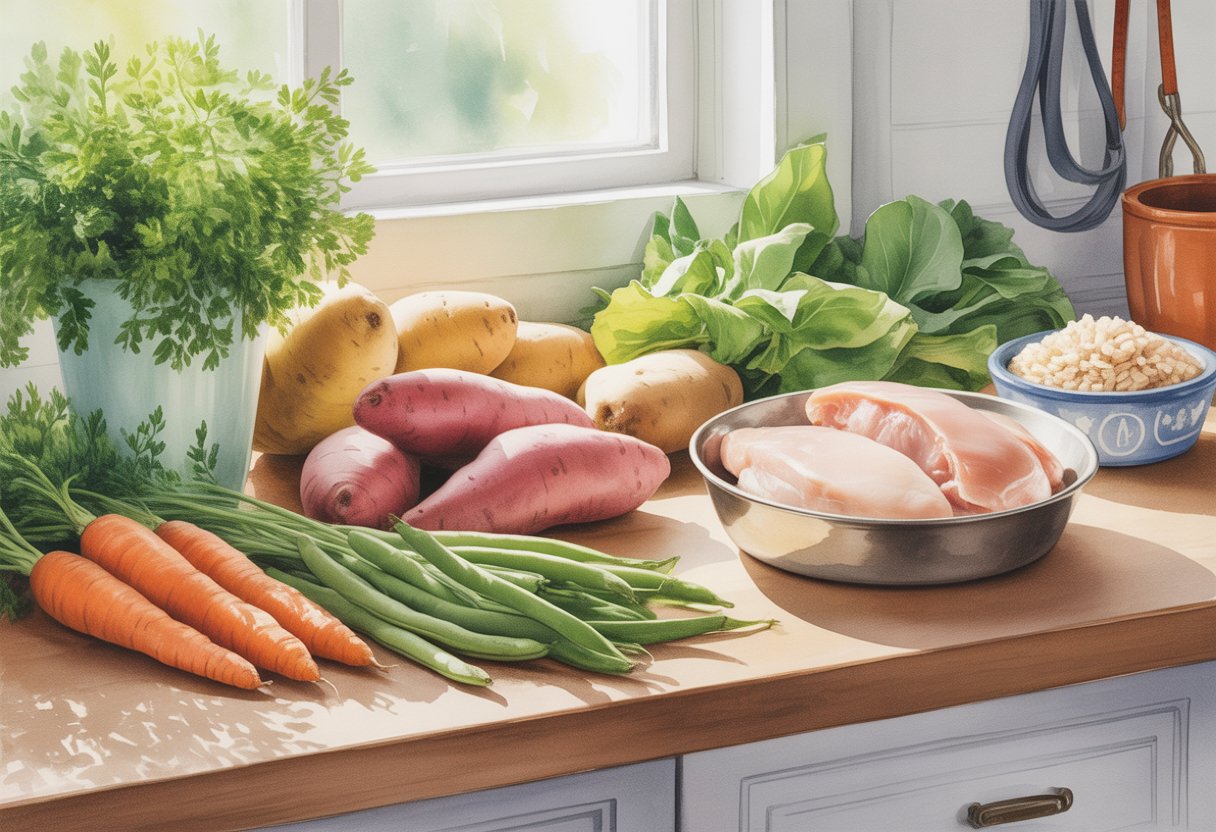
Cut back on grains like wheat, corn, and soy if your dog has IBD. These can be tough to digest and might fuel gut inflammation.
High-fat foods can also trigger diarrhea or vomiting. Fat slows down digestion and can stress an already-inflamed gut, so stick to lower-fat proteins and carbs.
Switch to simple, limited-ingredient meals while you figure out what works. Plain cooked lean meats, well-cooked rice, or pumpkin are usually gentler on the stomach.
Introduce changes slowly over several days to avoid shocking your dog’s system. Watch stool, appetite, and energy; jot down any clear improvements or setbacks.
Before making big diet changes, talk with your vet. They can suggest balanced options or a prescription GI diet if needed, and help rule out other causes.
Understanding Canine Inflammatory Bowel Disease
IBD is a long-term condition where inflammation damages the gut lining and messes with digestion. Expect ongoing signs that affect appetite, stool, and weight—and know that diagnosis usually needs vet testing.
Common Symptoms in Dogs
Watch for chronic vomiting or diarrhea that sticks around for weeks or months. Stools might be loose, have mucus, or even blood; you might notice more soft stools or accidents in the house.
Weight loss can happen even if your dog eats normally. You could also see a dull coat, less appetite, or spells of low energy.
Some dogs have more gas, belly discomfort, or a swollen abdomen. Symptoms can come and go, so keep track of episodes, stool, and any triggers like new food or stress.
Bring your notes to the vet—it helps speed up diagnosis.
Potential Causes and Risk Factors
IBD often starts from an abnormal immune reaction to gut bacteria, food proteins, or both. Some breeds are more likely thanks to genetics, but honestly, any dog can get it.
Chronic infections, past antibiotic use, and changes in gut microbes raise the risk. Age plays a role too; IBD usually pops up in middle-aged to older dogs, but not always.
Stress and sudden diet changes might trigger flare-ups. Your vet will look at medical history, breed, and past treatments to figure out the cause.
Precautions and When to Consult a Veterinarian
Keep an eye out for sudden changes in appetite, vomiting, stool, energy, or weight. Know which signs mean you need to call the vet right away, and which you can try to manage with home measures while you watch things.
Recognizing Serious Warning Signs
Get your dog to the vet immediately if you see any of these: vomiting that won’t stop for more than 24 hours, repeated watery diarrhea, dark or bloody stool, rapid weight loss, or severe lethargy. Also, seek help right away if your dog shows signs of dehydration (dry gums, sunken eyes, skin that doesn’t spring back) or has a fever over 103°F (39.4°C).
Mild, brief diarrhea or one episode of vomiting can sometimes be watched at home if your dog stays bright and hydrated. But if things get worse, keep coming back, or you see pain, collapse, or fainting—treat it as an emergency and call your vet.
Balancing Home Care With Professional Treatment
Try home measures—like a bland diet, smaller meals more often, or probiotics—only if your dog seems stable and the symptoms are on the mild side.
Keep a simple log of what your dog eats, their stool, and energy levels. That way, you’ll have something solid to show your vet if things don’t improve.
Don’t stop or change any prescribed medications without checking in with your veterinarian first. If your dog’s on steroids, antibiotics, or a prescription diet, stick to the plan and let the vet know if you notice any side effects.
If symptoms won’t let up, book a follow-up within a week. For ongoing, unexplained, or stubborn symptoms, plan for further diagnostics—blood work, fecal tests, imaging, maybe even biopsies.