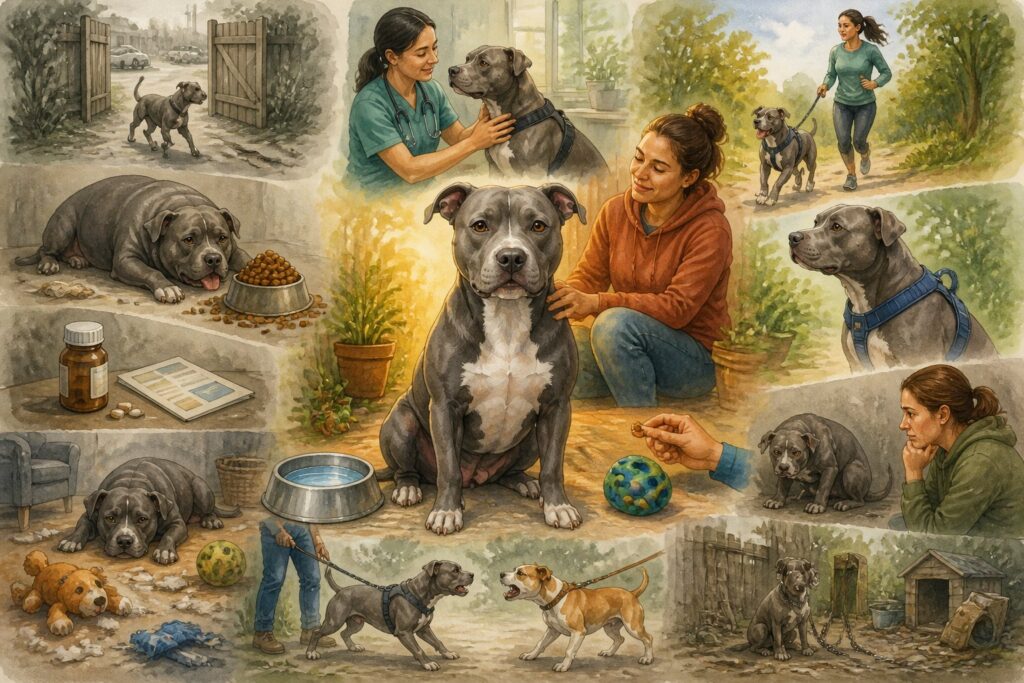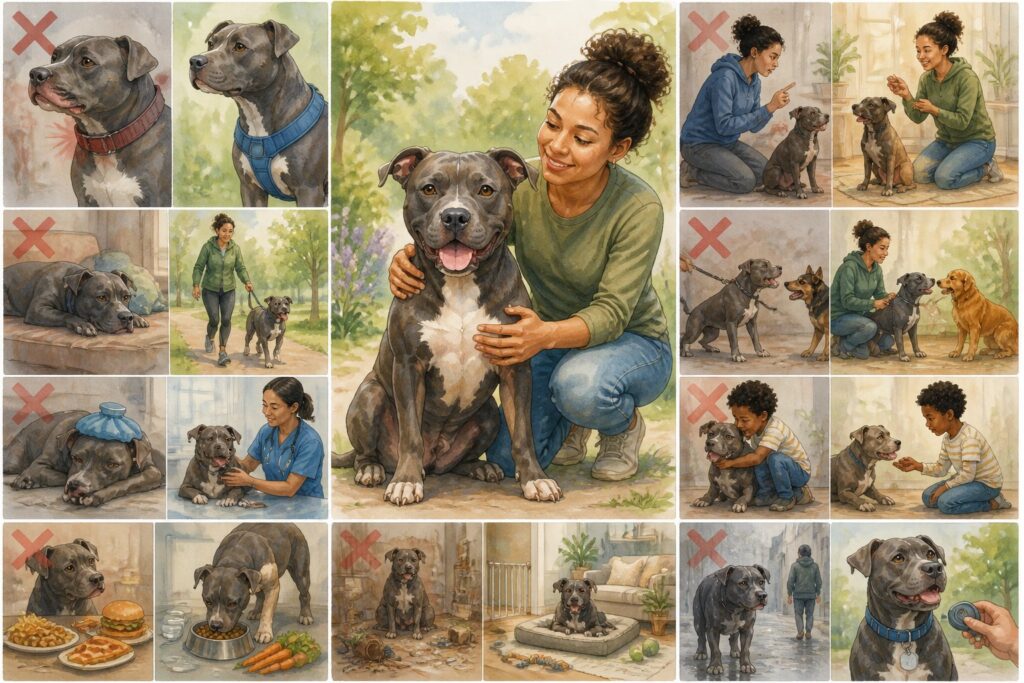
A blue nose Pit Bull is not a separate breed or a guarantee of special temperament. The blue-gray coat and nose come from a recessive color-dilution gene, while behavior depends on genetics, health, early experiences, training, and daily care.
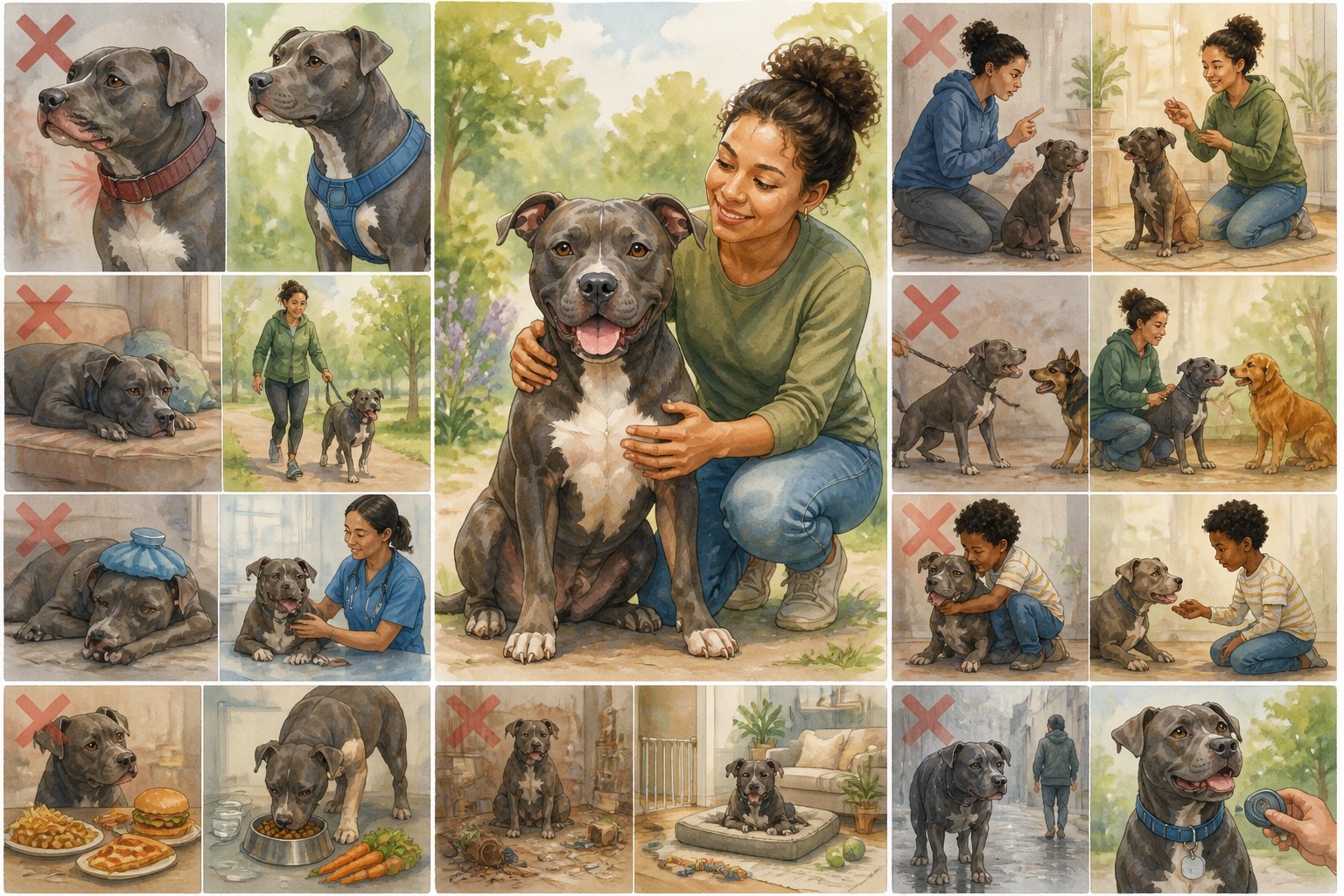
The breed type can be loyal, athletic, and highly trainable. Its strength and energy require thoughtful management.
1. Paying A Premium For A “Rare” Blue Coat
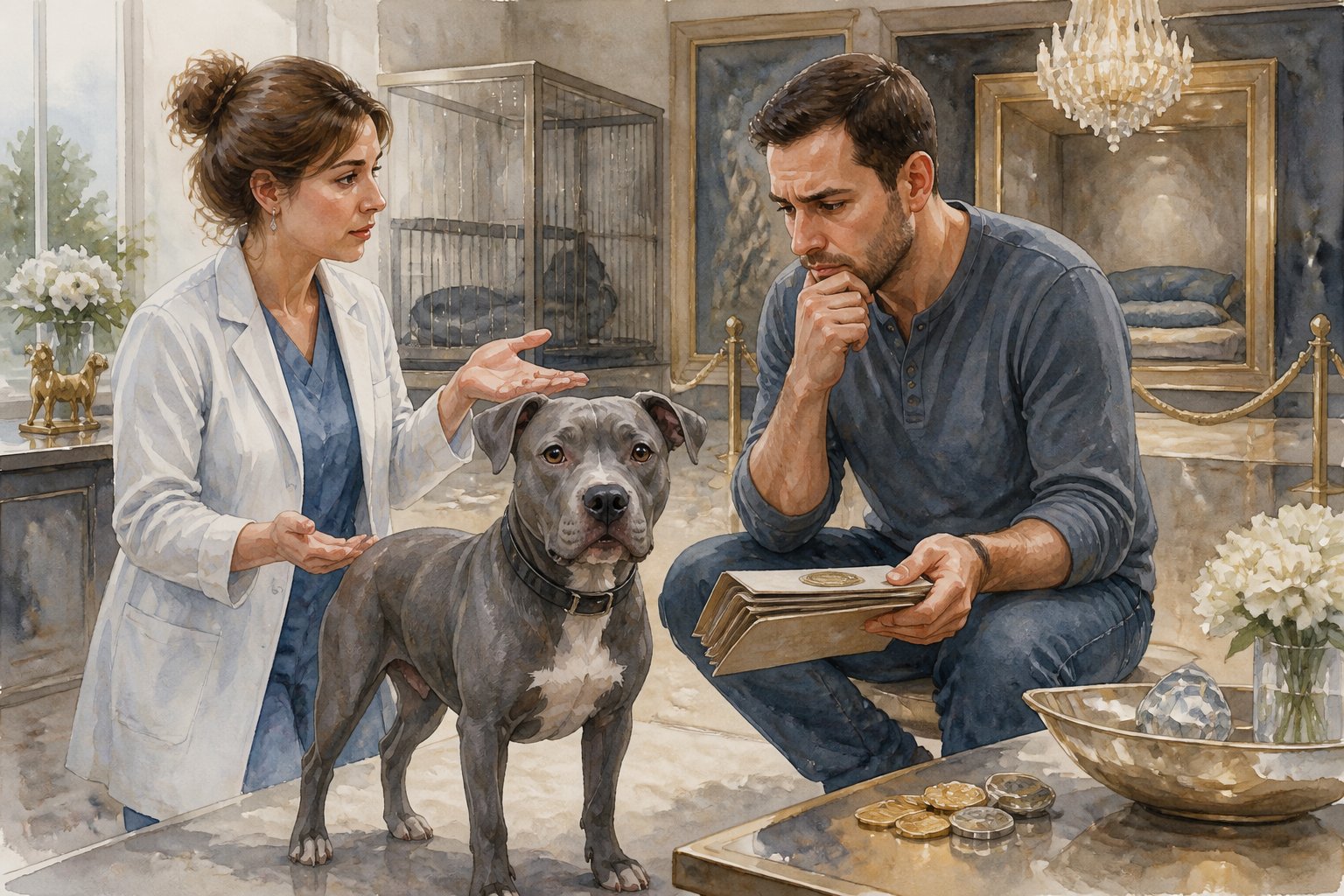
A blue nose Pit Bull’s color is a variation, not proof of a separate breed, superior bloodline, or better personality. The diluted pigment comes from inherited genetics, and calling the coat “rare” can encourage inflated prices and careless breeding.
When you visit a breeder or shelter, focus on health records, adult temperament, living conditions, and honest answers about the dog’s history. A responsible breeder should discuss possible skin problems, allergies, hip health, eye concerns, and hearing issues without making dramatic promises.
Avoid choosing a puppy mainly because of its slate-gray coat or nose. Adoption fees and purchase prices should reflect care and documentation, not marketing hype.
2. Buying From A Breeder Without OFA Hip And Cardiac Testing
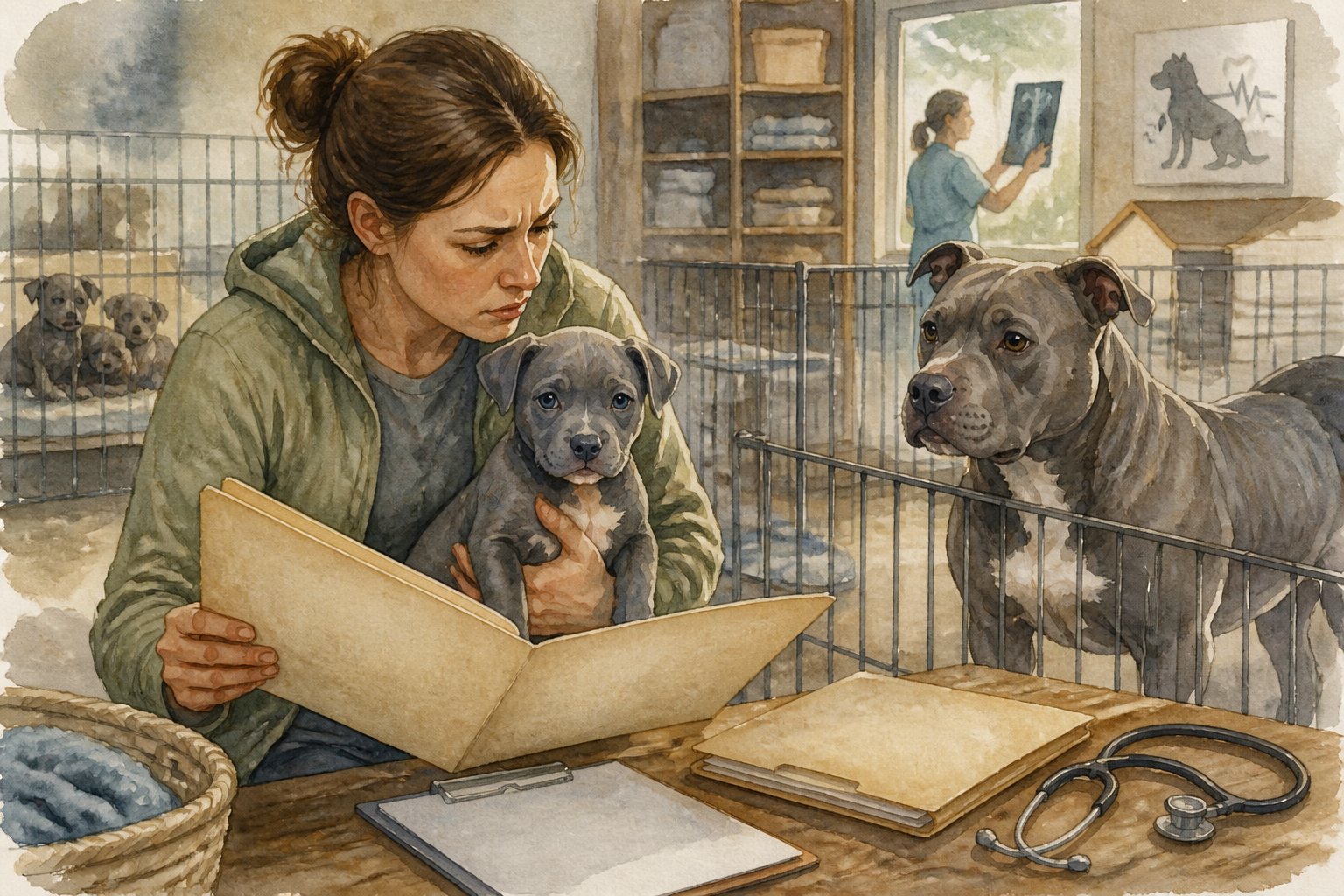
Skipping health screening can leave you with preventable surprises and expensive veterinary care. Ask whether the puppy’s parents have documented Orthopedic Foundation for Animals evaluations for hips and elbows, along with cardiac testing performed by a qualified veterinarian.
Request the actual records, not a verbal claim that the parents are “healthy.” Review vaccination and deworming history, the veterinary examination, microchip information, and any available genetic testing.
A good breeder welcomes questions and lets you see where the dogs live. Hip dysplasia can affect active, muscular dogs, while heart disease may not be obvious during a short visit.
Walk away from sellers who rush payment, hide the parents, or refuse independent record checks.
3. Ignoring Color Dilution Alopecia Warning Signs
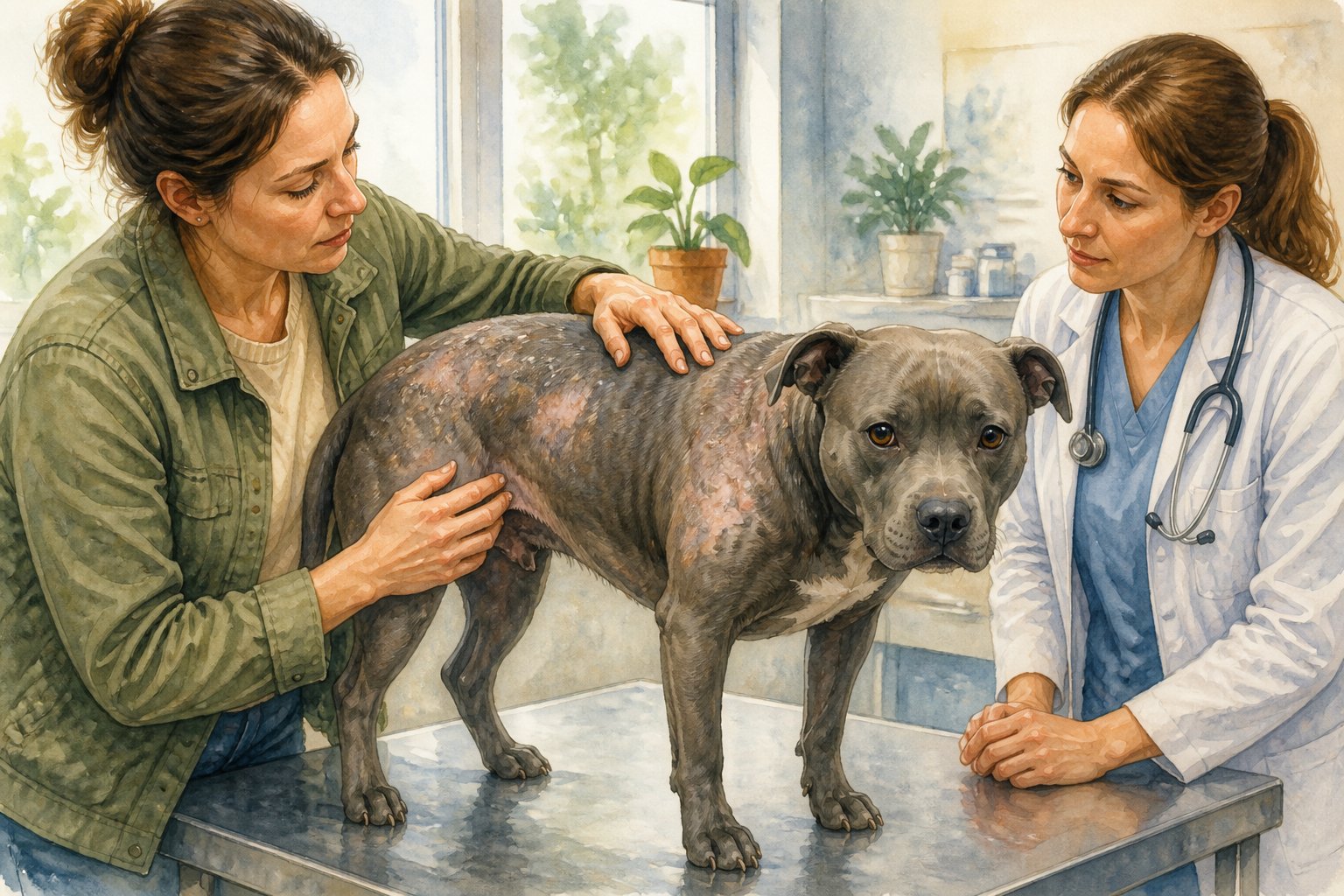
Color dilution alopecia can cause thinning hair, broken hairs, dry skin, scaling, and recurring skin infections in some blue-coated dogs. It does not affect every blue nose Pit Bull, and similar signs can come from allergies, parasites, infection, or other medical conditions.
Check your dog’s coat and skin during regular grooming. Watch for bald patches along the back, flanks, or ears, frequent scratching, odor, redness, and sores.
Do not treat persistent hair loss with human creams or random supplements. Schedule a veterinary examination when changes continue or spread.
Your veterinarian may recommend skin tests, parasite control, allergy evaluation, or a treatment plan that includes medicated shampoo and infection care. Early diagnosis protects the skin barrier and prevents a small irritation from becoming a painful chronic problem.
4. Skipping Early Socialization With People, Dogs, And Handling
Socialization means teaching your puppy that ordinary experiences can be safe and predictable. Introduce people, surfaces, sounds, car rides, grooming, veterinary handling, and calm dogs gradually during the early development period.
Do not force greetings or flood your puppy with crowded, noisy situations. Reward relaxed behavior, allow your dog to retreat, and keep sessions brief.
Practice touching paws, ears, mouth, and collar while offering small treats. Puppy classes can help when they use safe vaccination rules and reward-based methods.
Continue training after puppyhood, since adolescent dogs often become stronger, more confident, and more selective around other dogs.
5. Using Punishment-Based Tools Such As Prong Or Shock Collars
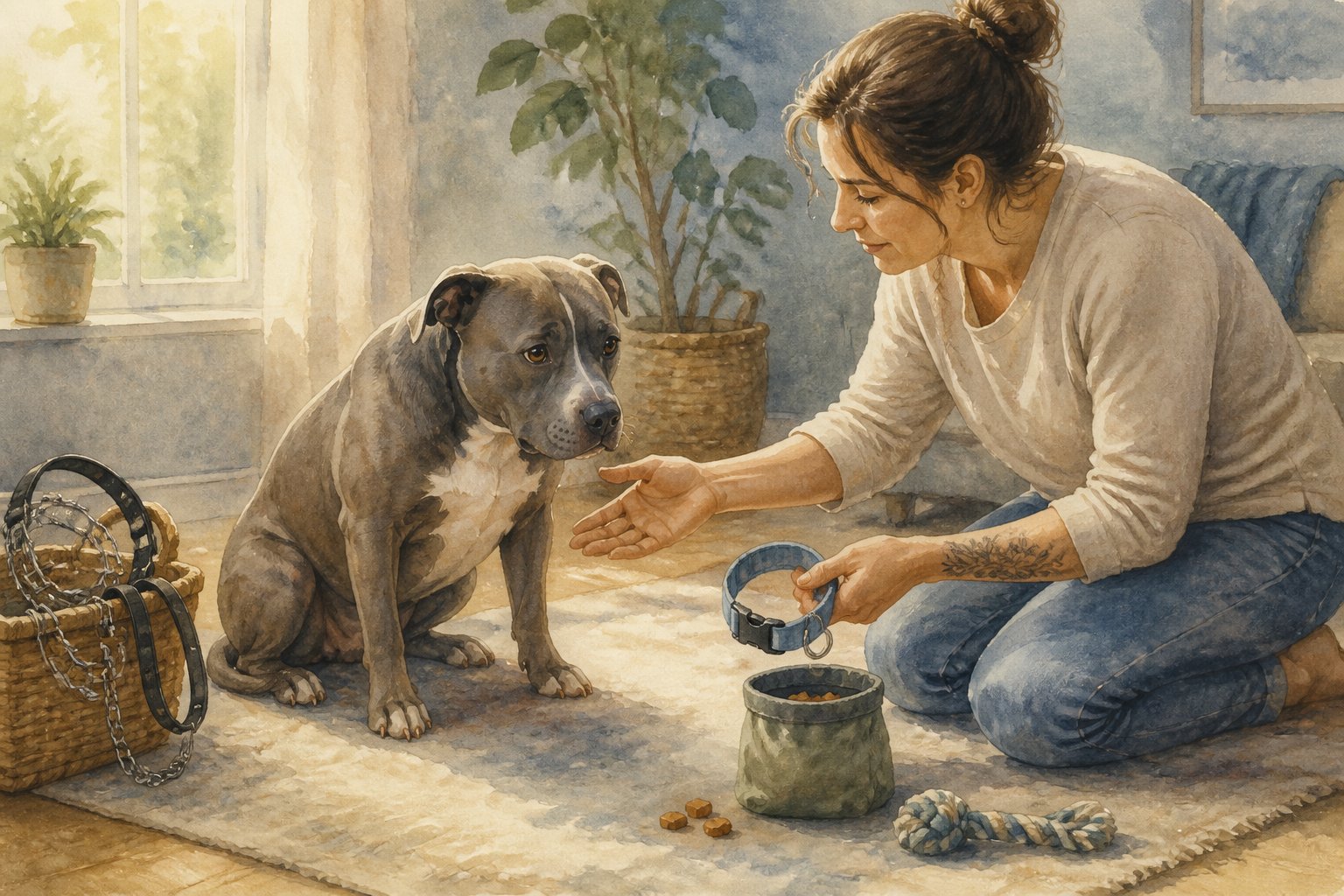
Prong and shock collars can increase fear, stress, and defensive reactions, especially when your dog already feels unsure. A correction may stop a behavior briefly without teaching your dog what to do instead.
Use a well-fitted flat collar, front-clip harness, or appropriately introduced head halter as recommended by a qualified trainer. Reward eye contact, loose-leash walking, coming when called, and calm choices.
Manage triggers by creating distance rather than forcing your dog to endure them. If your dog lunges, growls, or snaps, do not punish the warning.
Prevent contact, improve safety, and seek a reward-based behavior professional.
6. Underestimating Daily Exercise And Enrichment Needs
A blue nose Pit Bull may need substantial physical activity and mental work, not just a short bathroom walk. Many adults do well with a mix of brisk walks, sniffing, fetch, structured play, obedience practice, and food puzzles.
Build stamina gradually, especially for puppies, seniors, overweight dogs, or dogs with joint concerns. Avoid intense jumping and forced running while a puppy is still growing.
Watch for heavy panting, weakness, limping, or reluctance to continue. Mental enrichment can tire your dog without stressing the joints.
Use scatter feeding, scent games, stuffed food toys, trick training, and supervised chewing. Rotate activities so they stay interesting.
7. Leaving A Blue Nose Pit Bull Alone Without A Separation Plan
Some Pit Bulls form strong attachments and may struggle when left alone. Destructive chewing, pacing, barking, house-soiling, drooling, or attempts to escape can signal separation distress rather than stubbornness.
Start with short absences while your dog remains relaxed. Use a camera to observe behavior, provide a safe resting area, and offer a long-lasting food toy if your dog can use it safely.
Keep departures and arrivals calm, and avoid suddenly leaving your dog alone for an entire workday. A crate can help only when your dog already views it as a safe place.
It should never be used for excessive confinement or as punishment. Severe cases may require veterinary guidance and a behavior plan.
8. Assuming Dog-Park Visits Are Required Socialization
Dog parks are not the only way to socialize your dog, and they are not a good fit for every individual. Uncontrolled greetings, crowded play, poor supervision, and mismatched play styles can create fear or conflict.
Your dog can gain valuable social experience through calm walks, parallel walking with a compatible dog, structured playdates, training classes, and relaxed exposure to people and everyday settings. Learn to read loose body movement, soft facial expression, play pauses, and attempts to leave.
If your dog becomes stiff, fixates, hides, repeatedly mounts, or cannot disengage, end the interaction. Do not wait for a fight.
9. Ignoring Local Breed Rules, Insurance Limits, And Leash Laws
Before adopting or buying, check city, county, and state requirements that may affect dogs identified as Pit Bulls or bully-type dogs. Rules can include leash length, licensing, secure fencing, sterilization, muzzling, or special registration.
Ask your landlord or homeowners association for written pet policies. Review renters or homeowners insurance for breed exclusions, liability limits, and required disclosures.
A policy that excludes your dog can expose you to serious financial risk after an incident. Follow leash laws even when your dog is friendly and well trained.
Use secure identification, a properly fitted harness or collar, and current license information. Legal preparation protects your household and helps you avoid a preventable housing or insurance crisis.
Before Bringing One Home
Confirm Housing, Insurance, And Local Breed Restrictions
Get written approval from your landlord, property manager, or homeowners association before bringing home a blue nose Pit Bull. Check local licensing, leash, containment, and breed-specific rules, then confirm that your insurance provides liability coverage.
Meet The Adult Dog Or Both Parents When Possible
Observe the adult dog’s behavior around strangers, handling, food, other dogs, and everyday noise. A parent’s temperament does not predict every puppy perfectly, yet calm, stable adults and clean living conditions are useful signs.
Review Veterinary Records And Genetic Health Documentation
Ask for vaccination, deworming, examination, microchip, and treatment records. Review available hip, elbow, cardiac, eye, and genetic screening documents, and arrange a veterinary visit soon after bringing the dog home.
When To Get Professional Help
Sudden Skin Or Coat Changes
Contact your veterinarian for new hair loss, scabs, odor, redness, persistent itching, or recurring ear infections. Prompt care can separate color dilution alopecia from allergies, parasites, infection, or another illness.
Fear, Resource Guarding, Or Escalating Reactivity
Seek a qualified reward-based trainer or veterinary behaviorist when your dog growls over food, guards toys, reacts strongly to people or dogs, or cannot recover after a trigger. Avoid punishment, forced handling, and risky exposure.
Separation Distress Or Destructive Behavior
Get help when your dog panics during absences, damages doors, escapes confinement, or vocalizes for long periods.
A veterinarian can check for medical factors and guide a gradual behavior plan. Medication may be considered when clinically appropriate.