You want your dog to feel comfortable and healthy when their stomach acts up. This article shows simple, safe ways to help at home.
You’ll get five practical remedies that can ease gas and mild bloating, plus tips for spotting when it’s time to call the vet.
You’ll find clear steps for a gentle tummy massage, gut-supporting probiotics, soothing pumpkin, natural fennel, and slippery elm. The tips also cover basic causes of gas and when you really shouldn’t wait to get veterinary care.
Gentle tummy massage to relieve trapped gas
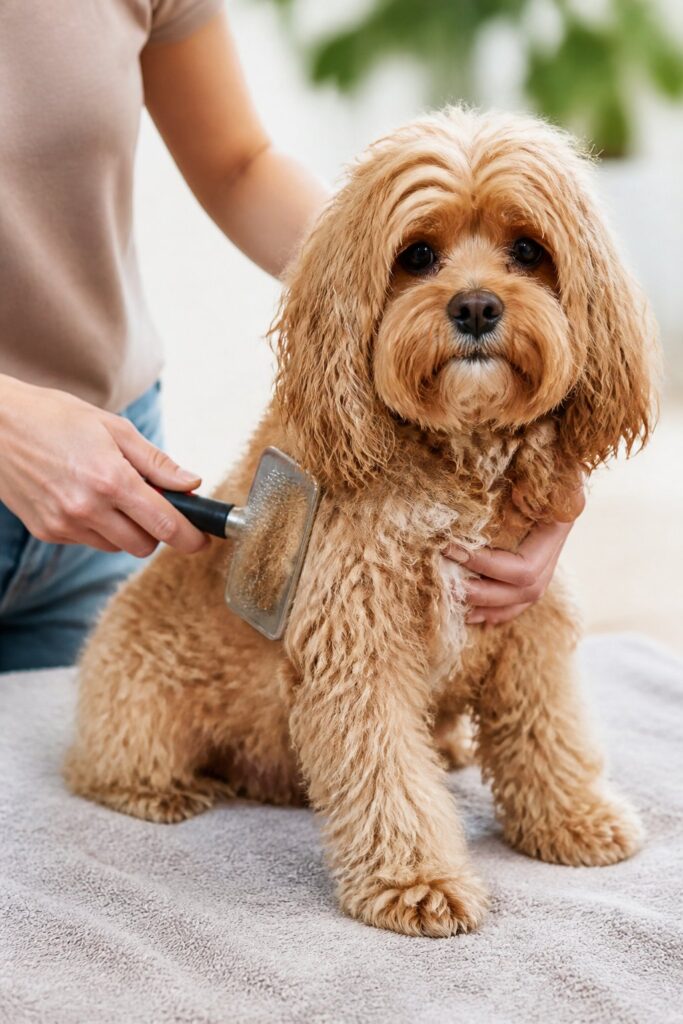
Set your dog on a comfy surface where they feel safe and calm. Speak softly and pet them for a minute or so to help them relax.
Use flat hands and gentle pressure to stroke their belly in a clockwise direction. That follows the normal flow of digestion.
Move slowly, keeping your touch light—don’t press too hard or you might cause pain. Start near the ribs and work down toward the hips in small, circular motions.
Repeat each circle five to ten times. Watch your dog’s body language for any signs they’re not comfortable.
If your dog tenses, whines, or tries to get away, stop and try again later or talk to your vet. Massage for three to five minutes at a time.
You can do this a few times a day as needed, but keep sessions short and gentle. Combine massage with a walk and a bit of water.
If bloating is sudden, severe, or your dog seems really unwell, don’t wait—get emergency veterinary care.
Probiotics to balance gut flora and improve digestion
You can use probiotics to help balance your dog’s gut bacteria and ease gas. These supplements add helpful microbes that support digestion and may cut down on smelly or frequent gas.
Pick a probiotic made for dogs, or use a product your vet recommends. Human versions don’t always match on strains or dosage.
Follow the label and your vet’s advice to avoid giving too much or too little. Start with a low dose and keep an eye out for changes in stool, appetite, or mood.
Sometimes you’ll see mild improvement in a week, but the full effect can take a few weeks. You can also try probiotic-rich foods like plain yogurt or kefir if your pup handles dairy.
Introduce these slowly and in small amounts to avoid stomach upset. If gas sticks around, gets worse, or comes with vomiting, lethargy, or bloody stool, call your vet.
Pumpkin puree to soothe the digestive tract
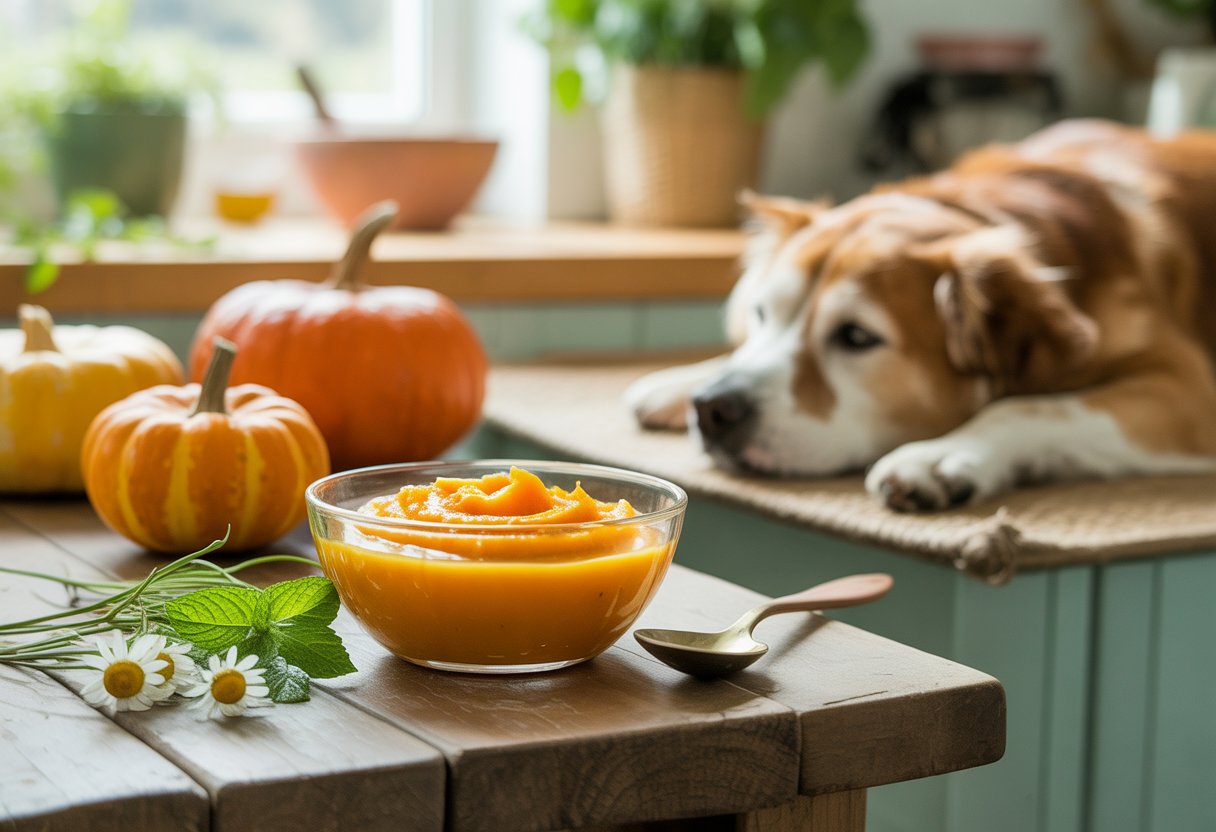
Plain canned or homemade pumpkin puree can calm your dog’s stomach. The fiber adds bulk and helps normalize stool for both diarrhea and constipation.
Start with a small amount—about a teaspoon for small dogs and up to a tablespoon for bigger ones—mixed into their food. Watch for changes over 12 to 24 hours.
Use only plain pumpkin, not pumpkin pie filling, which has sugar and spices. If your dog has ongoing bloating, severe pain, or other concerning signs, call your vet.
Fennel seeds as a natural carminative
Fennel seeds can help reduce your dog’s gas because they act as a carminative. Fennel has mild compounds that may relax intestinal muscles and help release trapped gas.
Offer just a pinch of crushed seeds mixed into food. Start tiny and watch for any upset or allergy before doing it again.
Skip fennel oil or big doses—concentrated forms can be too strong for dogs. If your dog is pregnant, nursing, very young, or has a chronic illness, ask your vet first.
If gas keeps coming back, causes pain, or is paired with vomiting or lethargy, call your vet. Fennel can help mild, occasional bloating, but it’s not a substitute for real medical care when things get serious.
Slippery elm powder mixed in food for mucilage coating
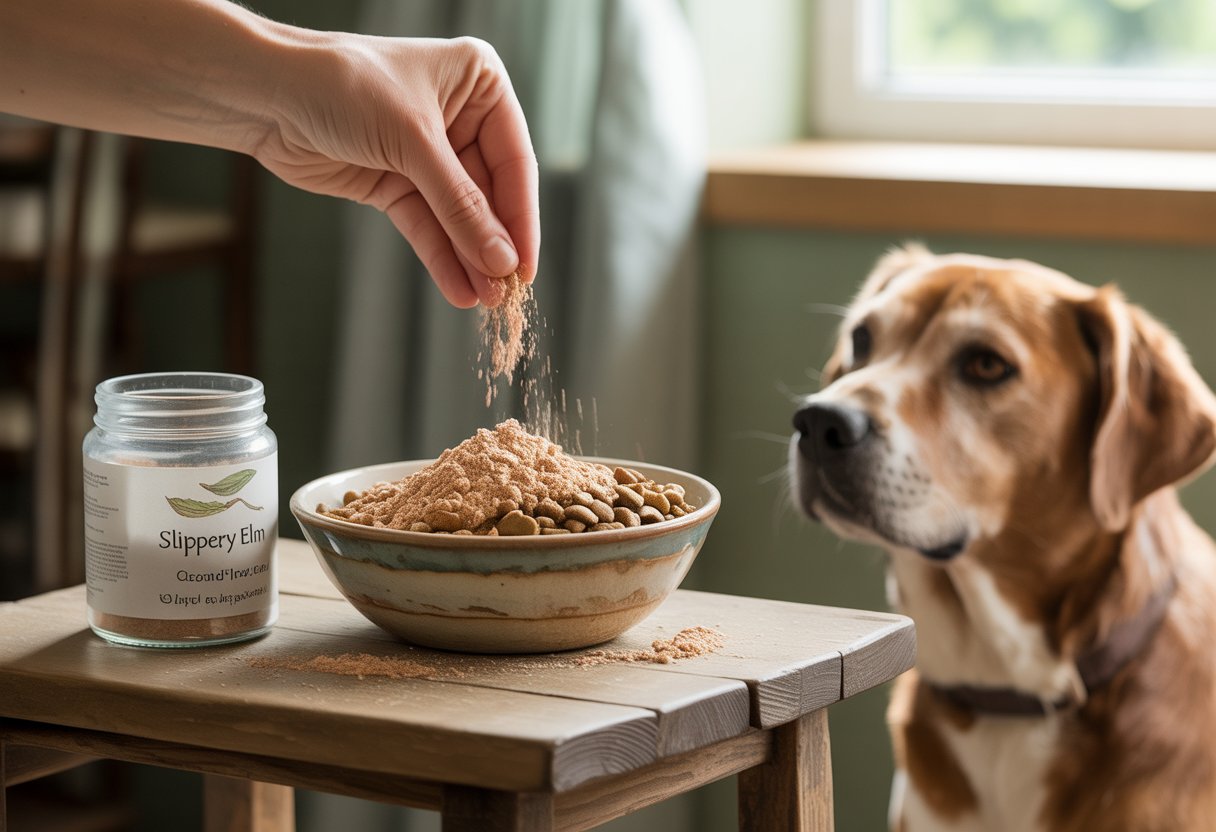
Mix slippery elm powder into your dog’s food to create a soothing, gel-like coating in the throat and gut. The powder forms mucilage when it hits liquid, which can help protect irritated tissues and ease mild digestive discomfort.
Start with a small dose based on your dog’s weight—follow the package or your vet’s advice. Mix the powder into warm water first, then stir it into their meal so it spreads evenly.
Use this for short-term relief of mild gas, burping, or minor stomach irritation. Stop if your dog shows signs of an allergic reaction, gets worse, or refuses to eat, and call your vet for guidance.
Understanding Dog Gas and Bloating
Dogs get gas for lots of reasons, and sometimes it turns into a real emergency. It’s worth knowing the triggers, warning signs, and when you need to act fast.
Common Causes
Diet is a big one. Eating too fast, swallowing air, or gulping water can fill your dog’s belly with gas.
Low-quality kibble, sudden diet changes, or table scraps high in fat or dairy can also mess with digestion. Food intolerances, parasites, or bacterial overgrowth shake up gut bacteria and increase gas.
Puppies and seniors seem to have more trouble since their guts are sensitive. Stress and activity matter, too.
Anxiety or heavy exercise right after eating can increase swallowed air and slow digestion. Some breeds—think Great Danes or other deep-chested dogs—are just more prone to problems from gulping air or eating fast.
Potential Health Risks
Most mild gas is harmless, but persistent or really bad bloating can get dangerous. Gastric dilatation-volvulus (GDV) happens when the stomach fills with gas and twists.
GDV blocks blood flow and breathing, and it can kill a dog within hours. Watch for these urgent signs:
- A hard, swollen belly
- Retching without vomit
- Rapid breathing, drooling, or pale gums
If you see any of those, get emergency vet care now.
Chronic gas can signal something deeper. If your dog keeps bloating, loses weight, has diarrhea, or eats less, book a vet visit to check for infections, food intolerance, or organ problems.
When to Seek Veterinary Attention
If your dog suddenly starts vomiting over and over, has a hard or swollen belly, or collapses, get veterinary care right away. Mild gas is usually fine to handle at home, but some symptoms just shouldn’t wait.
Warning Signs to Watch For
Here’s what to watch for: repeated vomiting, diarrhea that lasts more than 24 hours, loss of appetite, weak or lethargic behavior, fever, or pain when you touch their belly. Also, if your dog’s belly looks hard, swollen, or feels tight, that’s a red flag.
Track how long symptoms last and how quickly they start. Keep a little log of what your dog ate, any new treats or food, and when the symptoms showed up.
Bring that info to the vet—it can really speed things up.
Emergency Situations
If your dog’s belly suddenly swells, or they try to vomit but nothing comes up, get to an emergency clinic right away. Collapsing, pale gums, or a weak pulse? Those are huge red flags—think gastric dilation-volvulus (GDV or bloat) or other critical issues.
Skip the home remedies for these kinds of emergencies. While you’re getting your dog to the clinic, try to keep them calm and as still as possible. Give the clinic a call before you arrive so the staff can get ready. It also helps to bring a quick list of what your dog’s eaten lately, any meds, and anything else you’ve noticed. That’ll help the team jump into action faster.