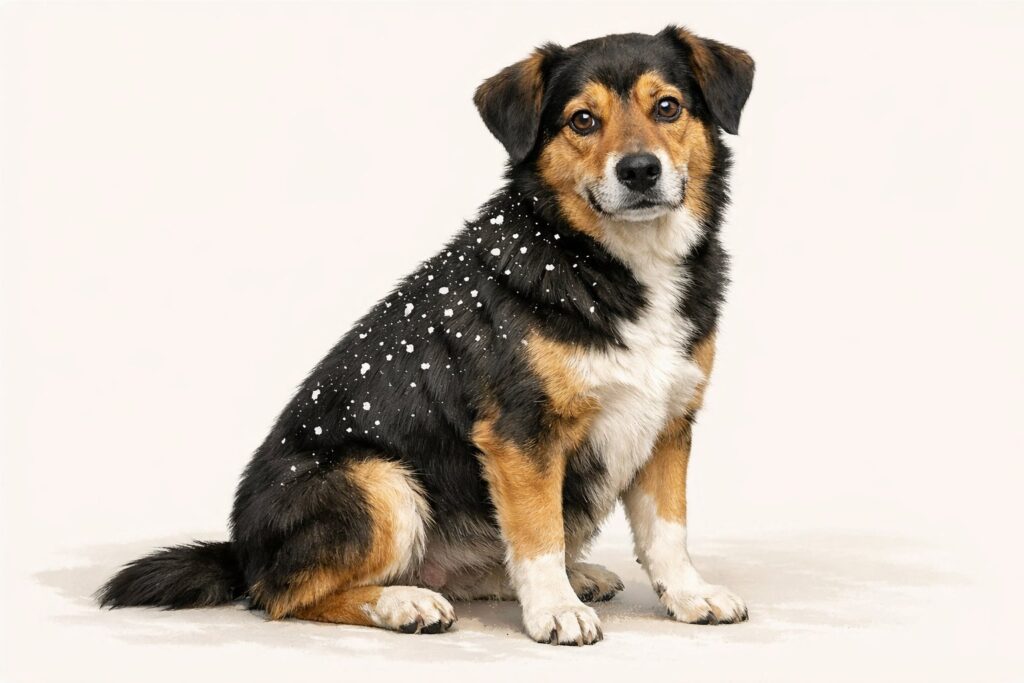
You want your dog’s coat to look and feel healthy, but dandruff makes that harder for both of you.
You can tackle dandruff at home with simple, safe steps that soothe skin, remove flakes, and support long-term coat health.
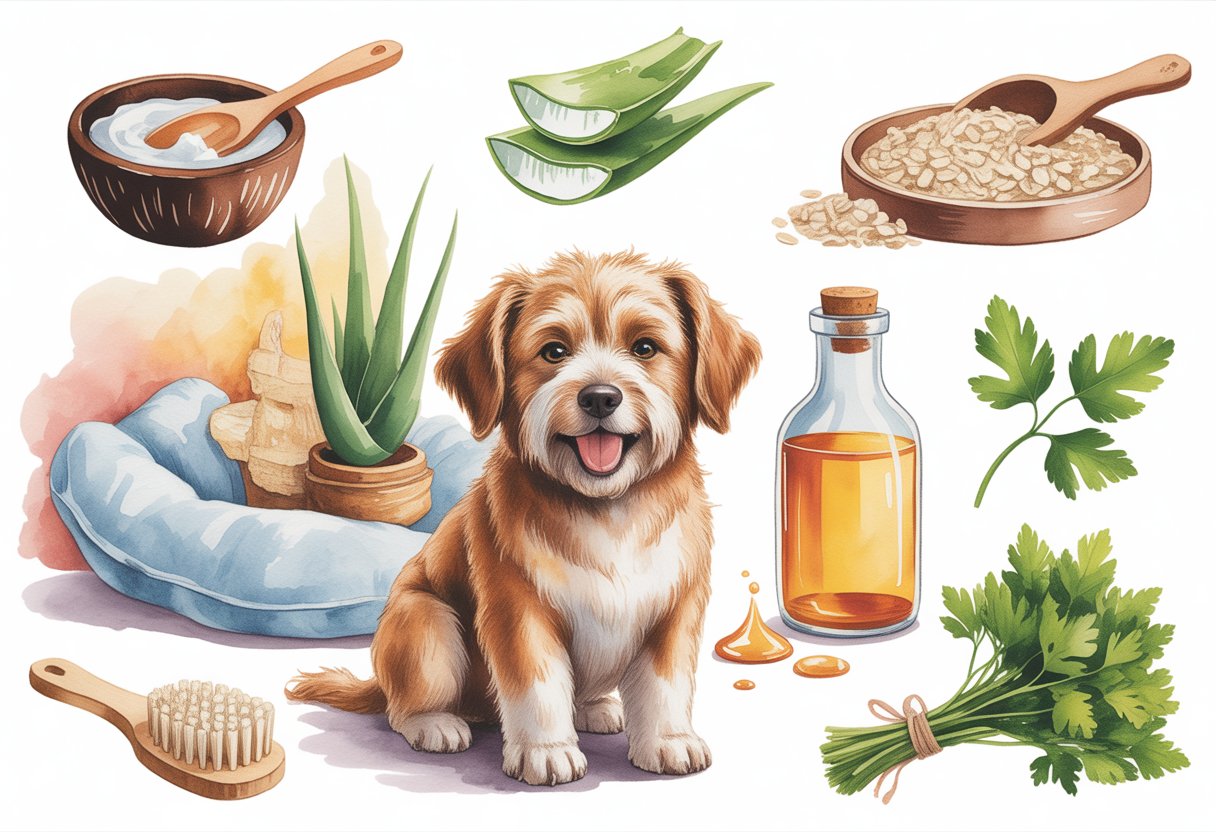
This article walks you through practical DIY options—grooming habits, gentle baths, topical treatments, and diet boosts.
You can pick what fits your dog’s needs and lifestyle. It’s smart to keep an eye on changes in your dog’s skin and comfort as you try these approaches.
Regular brushing to remove flakes and distribute natural oils
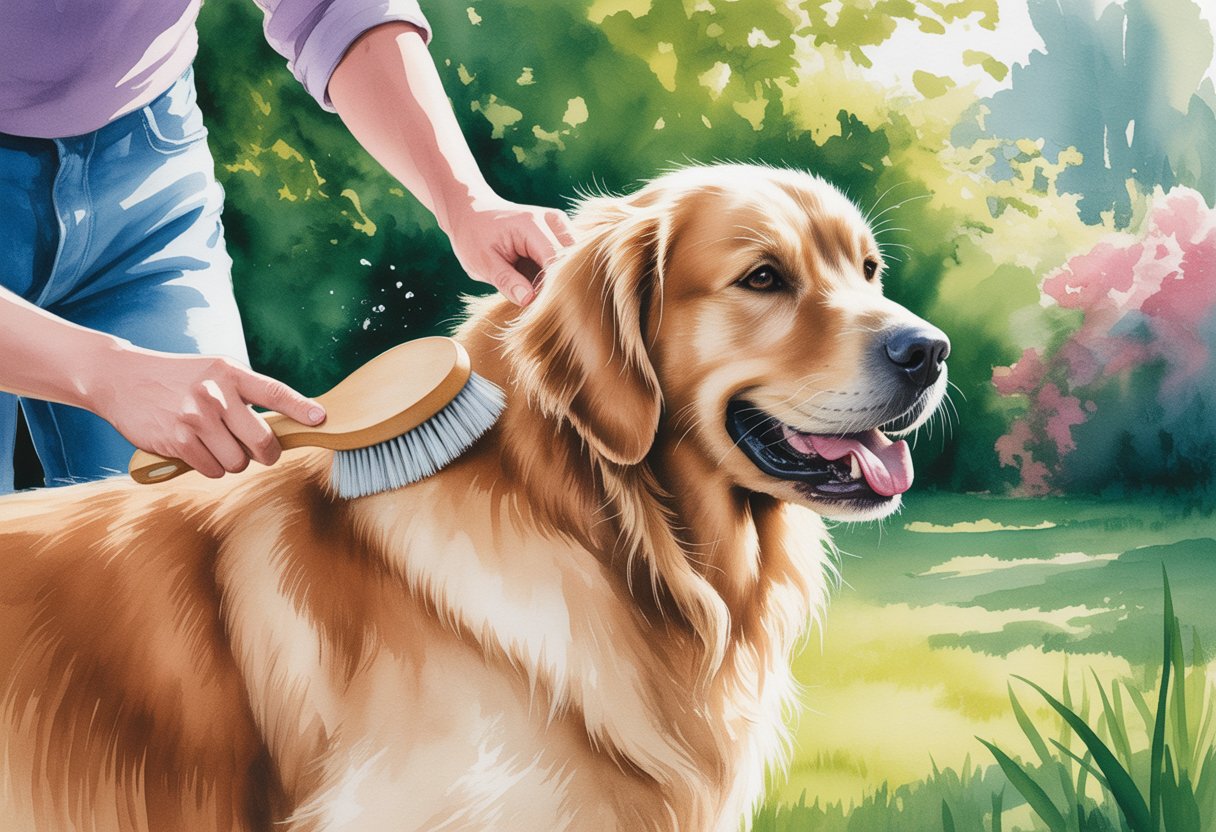
Brushing your dog lifts flakes from the coat, letting you get rid of them before they spread.
Try brushing a few times a week, or daily if your dog’s shedding a lot.
Use a brush that fits your dog’s coat type to avoid making things worse. Soft brushes work for short coats; slicker brushes or undercoat rakes are better for thick or double coats.
Brushing moves natural skin oils down the hairs, which keeps fur softer and helps with visible dandruff.
It also gets rid of loose hair and dead skin that can trap flakes.
While you brush, check the skin for redness, sores, or greasy patches—stuff that needs a vet’s attention.
Keep sessions calm and short at first. As your dog relaxes, you can make them longer.
Reward your dog with praise or a treat so brushing becomes something they look forward to.
Bathing with oatmeal-based dog shampoo for soothing skin
Oatmeal shampoos help calm dry, itchy skin by adding gentle moisture and reducing irritation.
You can buy a vet-formulated oatmeal shampoo or just mix plain, finely ground oats into a mild, unscented dog shampoo.
Wet your dog with warm (not hot) water and apply the oatmeal shampoo.
Massage it into the coat so the skin gets plenty of contact with the oats.
Let the shampoo sit for 5–10 minutes so the oatmeal can work, then rinse thoroughly to avoid leftover residue.
Use this bath method once every 1–3 weeks, depending on how your dog’s skin reacts and what your vet says.
If your dog has open sores, heavy redness, or things suddenly get worse, stop and call your vet before you do more baths.
Applying aloe vera gel to reduce irritation and moisturize
You can use pure aloe vera gel to soothe a dry, itchy scalp on your dog.
Aloe vera feels cool and hydrating, and it can help with mild redness and flaking.
Test a small area first to see if your dog gets irritated.
If you notice more redness, swelling, or itching, stop using it.
Apply a thin layer to the flaky spots and rub it in gently with your fingers or a soft cloth.
Don’t get the gel in your dog’s eyes, nose, or any open wounds.
Try this a few times a week until the skin looks better.
If your dog licks the gel a lot or seems to get stomach upset, reach out to your vet.
Adding omega-3 supplements like fish oil to improve skin health
You can add omega-3 supplements, like fish oil, to your dog’s diet to help skin and coat health.
Omega-3s can reduce inflammation, which eases itching and flaking for a lot of dogs.
Start with a dose your vet recommends based on your dog’s weight and health.
Don’t guess—too much fish oil can upset your dog’s stomach or mess with blood clotting.
Give capsules or mix the liquid into food for easy daily use.
Look for quality products that list EPA and DHA amounts and avoid contaminants.
Improvements take a few weeks, not days.
Pair supplements with good grooming and a proper diet for the best shot at results.
Using coconut oil topically to hydrate dry skin
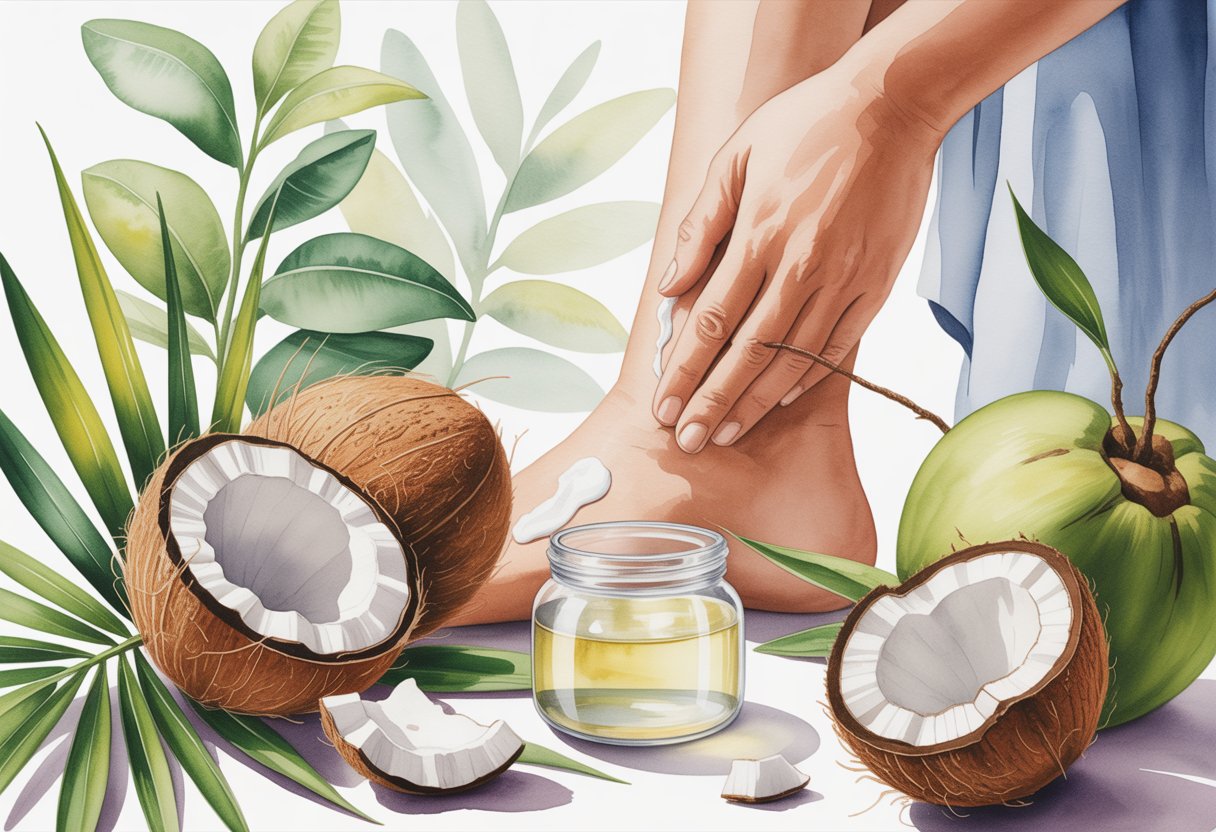
Coconut oil can help moisturize your dog’s dry skin.
Rub a small amount between your fingers until it melts, then massage it gently into the flaky areas.
Start with a test spot to check for redness or irritation.
If your dog shows signs of allergy, stop and call your vet.
Use fractionated or virgin coconut oil sparingly—a thin layer is enough and keeps fur from getting greasy.
Apply once or twice a week, not every day, and wipe off any extra oil to avoid matting.
Coconut oil might help with flakiness and make the skin feel smoother, but it won’t fix infections or serious issues.
If dandruff sticks around or you see sores, heavy scratching, or hair loss, talk to your vet.
Incorporating chamomile tea rinses for anti-inflammatory effects
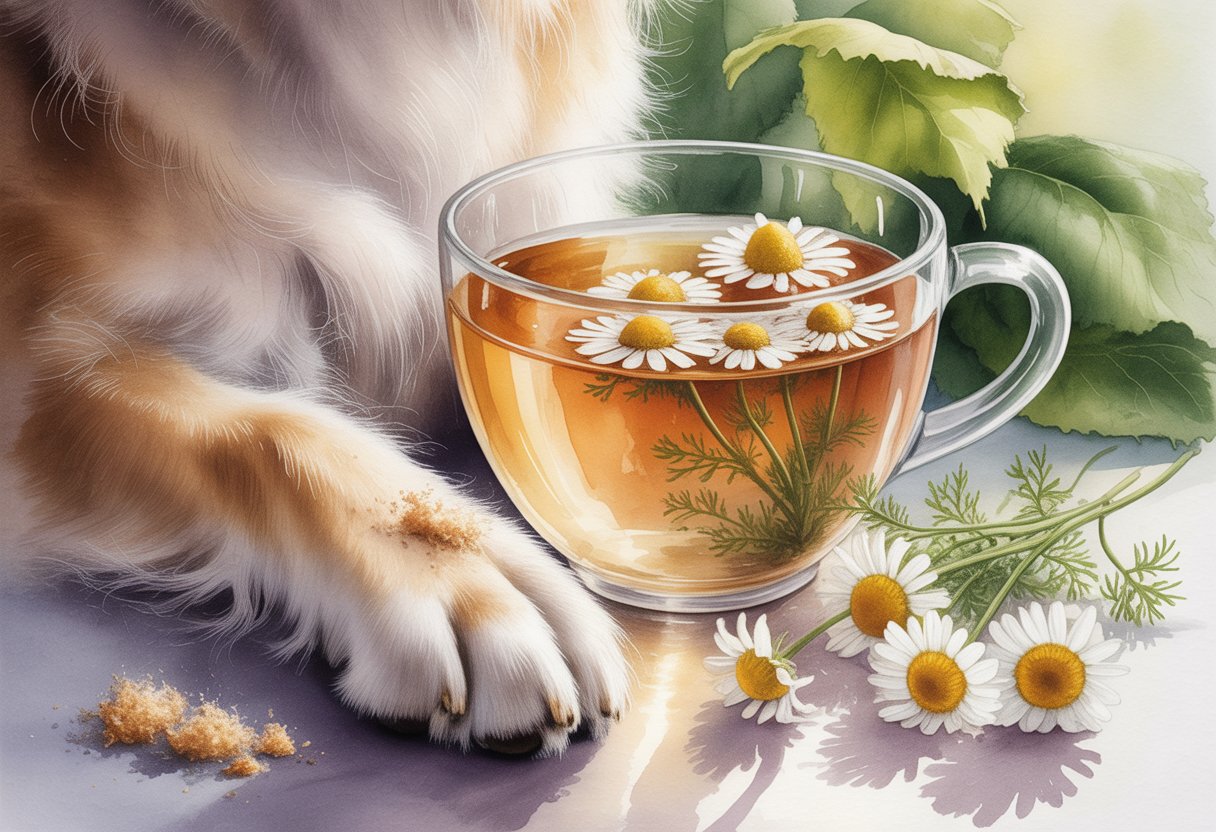
Chamomile tea can calm irritated skin thanks to mild anti-inflammatory compounds.
You can use a cooled, unsweetened brew as a gentle rinse after shampooing.
Brew one strong tea bag or two teaspoons of loose chamomile in a cup of boiling water for 5–10 minutes.
Let it cool to room temperature, then pour it over your dog’s coat and massage it lightly in before rinsing or leaving it on for a short time.
Test a small area first, especially if your dog has allergies or thin skin.
Avoid the eyes, ears, and open wounds, and stop if you see redness or extra irritation.
Use chamomile rinses 1–3 times per week and watch how your dog’s skin responds.
If dandruff or itching keeps coming back, your vet should take a look.
Understanding Dog Dandruff
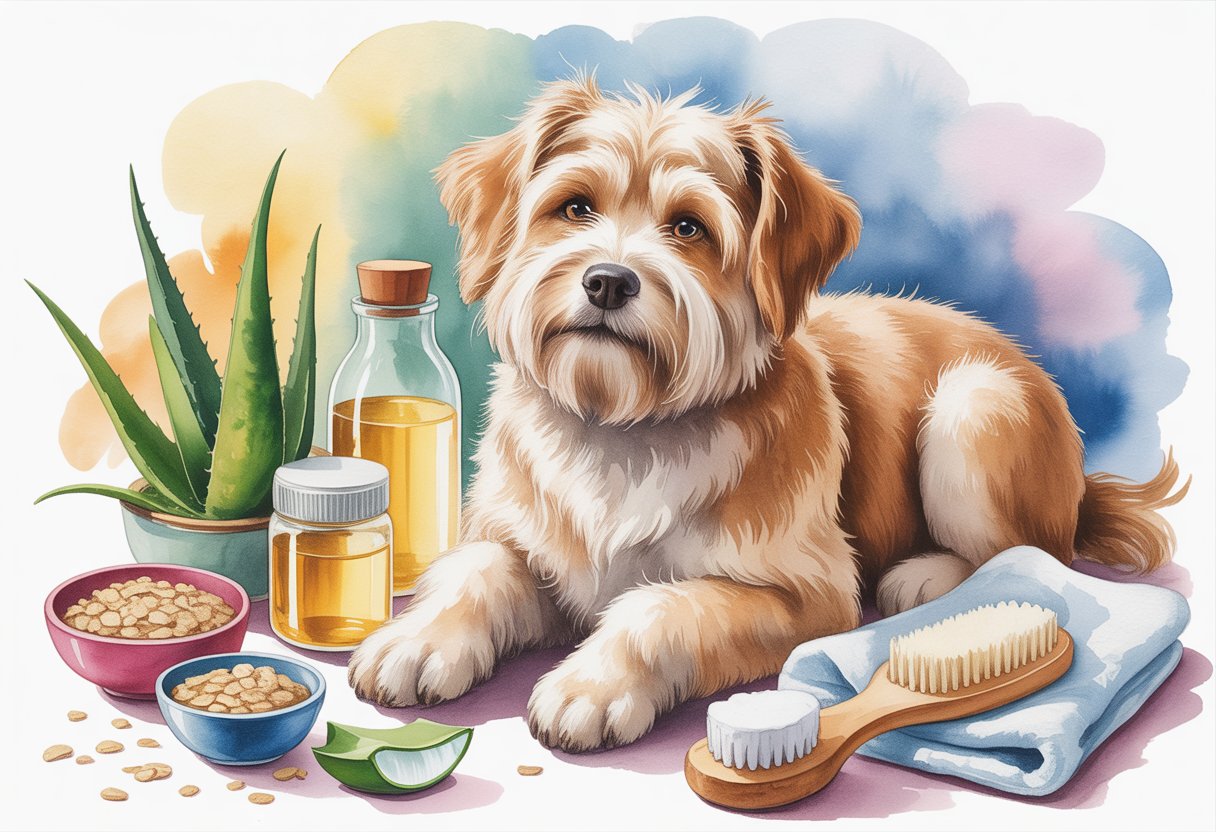
Dandruff in dogs comes from changes in the skin, coat, or environment.
You’ll learn what causes flakes, how to spot them, and when to get professional help.
Common Causes in Dogs
Several clear problems can cause dog dandruff.
Dry air or low humidity strips natural oils from the skin, especially in winter or heated homes.
Poor nutrition—diets low in omega-3 and omega-6 fatty acids—weakens the skin barrier and increases flaking.
Allergies are common.
Food allergies or environmental triggers like pollen and dust mites make dogs itch, scratch, and get flaky.
Parasites like fleas or mites (for example, Cheyletiella) can cause visible flakes and intense itching.
Skin infections—bacterial or fungal—produce greasy or powdery scales and sometimes a bad smell.
Hormonal issues, like hypothyroidism, and even some breeds (Labradors, Westies, for example) are more prone to dandruff.
You can often narrow down causes by noting the season, diet, and whether other pets have similar symptoms.
Signs and Symptoms
Look for dry, white flakes on your dog’s coat, especially on the back, shoulders, and base of the tail.
Flakes might be fine and powdery or bigger and crumbly.
Watch for other signs: scratching, redness, hair loss, scabs, or a funky smell.
If your dog licks or nibbles at certain spots a lot, that points to irritation.
If flakes seem greasy or the skin looks oily, you might be dealing with something more than dryness.
Check your dog’s behavior, too.
If they’re less energetic or not eating like usual, that could signal a bigger health issue.
Jot down when the flakes started and any product or diet changes—it helps with diagnosis.
When to Consult a Veterinarian
See your vet if dandruff comes with heavy itching, open sores, hair loss, or a bad smell.
These signs often mean infection or parasites that need medication.
If your dog has a fever, seems tired, or won’t eat, get help right away.
Bring info about recent diet changes, grooming products, parasite preventives, and a timeline of symptoms.
Your vet might do skin scrapings, fungal cultures, allergy tests, bloodwork, or a coat cytology to find bacteria, yeast, mites, or hormonal problems.
Early diagnosis speeds up treatment and helps your dog feel better sooner.
Preventive Care for Healthy Skin
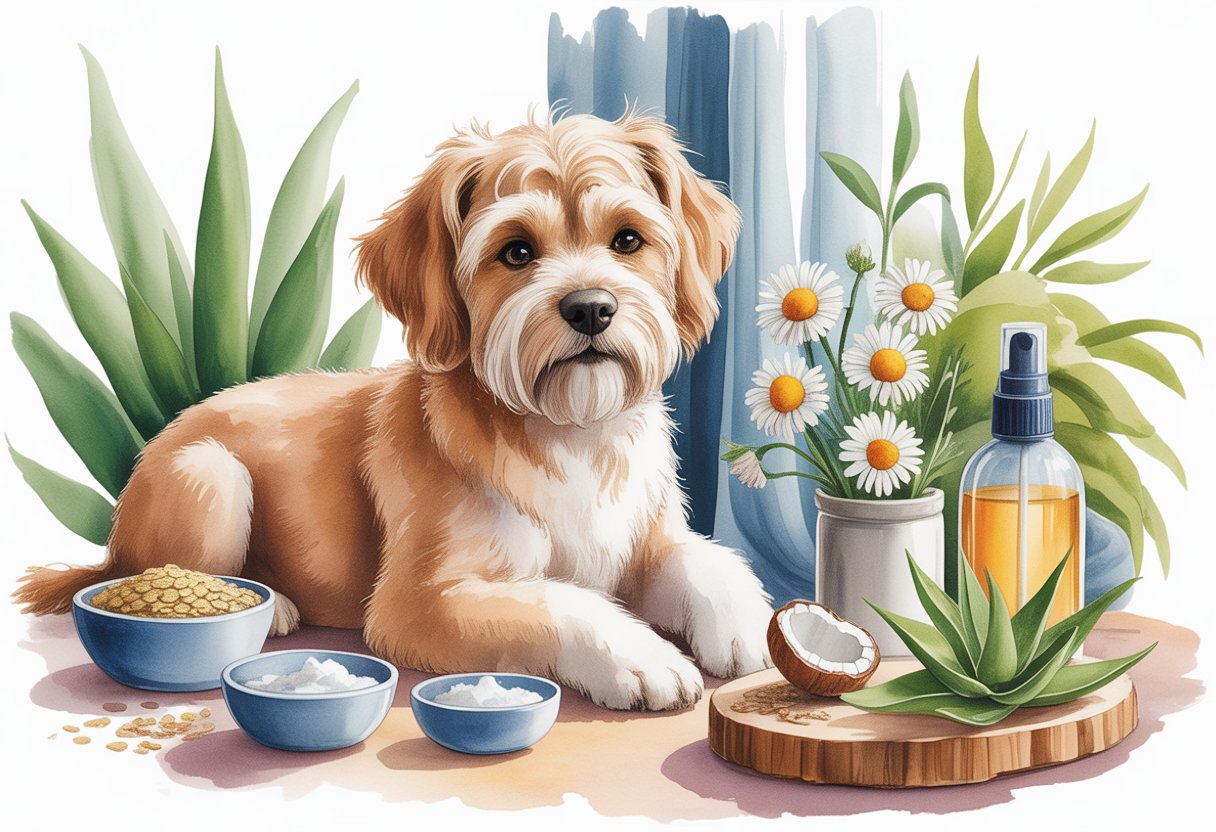
Keep your dog’s skin hydrated, clean, and free of parasites.
Regular brushing, the right food, and targeted supplements help reduce flakes and itching.
Regular Grooming Tips
Brush your dog daily or several times a week, depending on their coat.
Use a slicker brush for long fur, a bristle brush for short coats, and a de-shedding tool for heavy shedders.
Brushing gets rid of loose hair, spreads natural oils, and keeps mats from forming.
Bathe your dog every 4–8 weeks with a gentle, pH-balanced or oatmeal shampoo.
Rinse well to avoid leaving residue behind.
If your dog’s skin is oily or flaky, use a medicated or moisturizing shampoo your vet recommends.
Check for fleas, ticks, and skin sores when you groom.
Use a flea comb and consider monthly parasite prevention.
Trim nails and clean ears to help prevent stress and secondary skin problems.
Optimizing Diet and Nutrition
Feed a high-quality diet with real meat listed first. Skip the fillers and cut back on grains, especially if your dog keeps scratching or has flaky skin.
Add some omega-3 fatty acids for better skin. Here are a couple of options:
- Fish oil (EPA/DHA): dose according to your dog’s weight—just check the label.
- Flaxseed oil: a plant-based pick, but it doesn’t pack as much EPA/DHA as fish oil.
If your vet spots some nutritional gaps, you might want to try a multivitamin. Go slow with new supplements and watch for any weird reactions.
Always keep fresh water out—dehydration just makes dry skin worse.