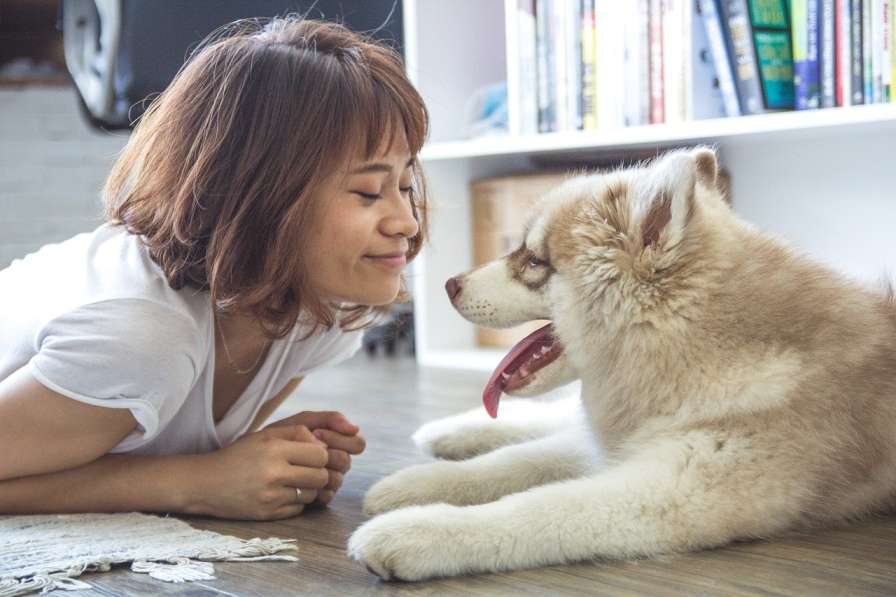
Bichon Frises are cheerful, social dogs. Their friendly nature can hide real care challenges.
Separation anxiety, barking, house-training setbacks, begging, fear, and destructive chewing often grow from routines that seem harmless at first.

The following mistakes show where daily habits can go wrong and what you can do instead.
1. Leaving A Bichon Frise Alone For Too Long
Bichon Frises often form close bonds with their people. Long periods alone may lead to separation anxiety, barking, pacing, house-soiling, or destructive chewing.
Avoid making departures and arrivals dramatic. Give your dog exercise, a food puzzle, and a comfortable resting area before you leave.
Practice short absences first, then increase the time slowly while your Bichon remains calm. A midday dog walker, trusted sitter, or carefully selected dog daycare can help on long workdays.
If your dog panics, scratches doors, or cannot settle even after brief absences, seek professional guidance. Do not simply leave it alone longer.
2. Being Inconsistent With Potty-Training Routines
Small dogs may need more frequent bathroom breaks than you expect. Changing meal times, skipping outdoor trips, or allowing indoor accidents to pass without a plan can slow house-training.
Take your Bichon outside after waking, eating, playing, and napping. Use the same door and a clear cue.
When your dog finishes in the right place, reward it immediately with praise or a small treat. Clean accidents with an enzymatic cleaner so lingering odor does not invite repeat marking.
Never punish a delayed discovery. If a reliably trained dog suddenly has accidents, contact your veterinarian because urinary, digestive, or mobility problems may be involved.
3. Accidentally Rewarding Excessive Barking
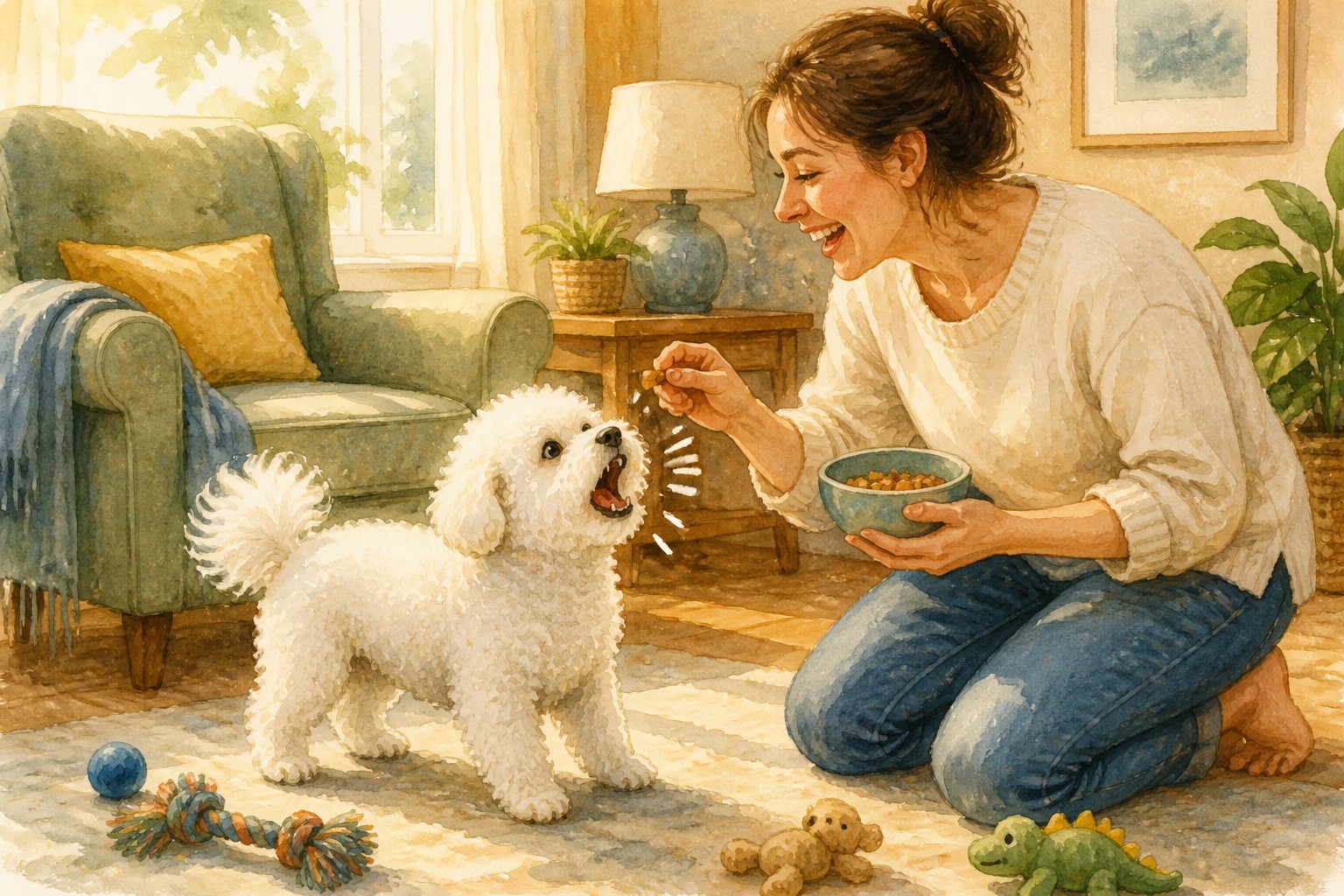
If barking brings eye contact, treats, door access, or play, your Bichon learns that noise works. Even telling your dog to stop can provide the attention it wanted.
Watch for patterns. Your dog may bark at hallway sounds, visitors, other dogs, boredom, or frustration.
Close blinds, add white noise, and give a quiet activity before predictable triggers occur. Reward pauses, not louder demands.
Wait for a brief silence, mark it with calm praise, and offer a treat. Teach a “quiet” cue after your dog can reliably settle.
Avoid shouting, which can increase excitement or fear. Persistent barking may require a trainer to identify the trigger and create a gradual behavior plan.
4. Skipping Early Socialization With People, Dogs, And New Environments

A Bichon Frise puppy needs safe exposure to people, gentle dogs, household sounds, surfaces, grooming, car rides, and new places. Without this practice, unfamiliar situations may produce fear, barking, hiding, or defensive nipping.
Keep each introduction brief and positive. Let your puppy choose whether to approach, and pair new experiences with high-value treats.
Avoid crowded, overwhelming settings and uncontrolled dog interactions. Continue socialization after puppyhood.
Calm visits to a veterinarian, groomer, pet-friendly store, or quiet park can build confidence. Watch body language such as tucked tails, lip licking, freezing, and attempts to escape.
These signals mean you should increase distance and reduce pressure.
5. Using Punishment For Fearful, Nipping, Or Biting Behavior
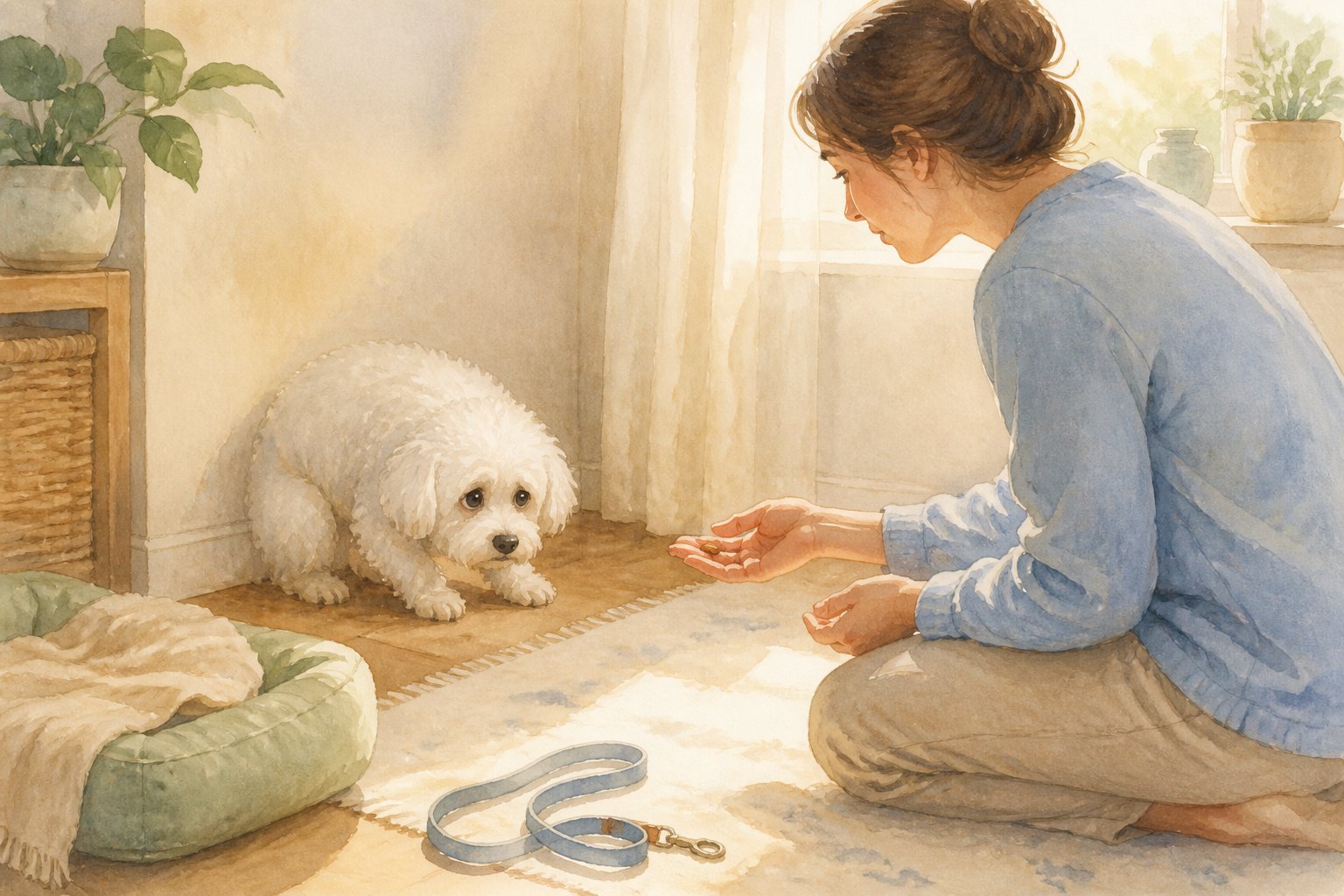
Fear-based behavior is not solved by yelling, hitting, leash corrections, or forcing contact. Punishment can make your Bichon associate people, children, dogs, or handling with greater danger.
Give your dog space and prevent situations that trigger a bite. Use gates, a leash, and controlled introductions.
Reward calm choices, such as looking away, moving behind you, or settling on a mat. Do not grab a frightened dog or take away its warning growl.
A growl provides useful information, and suppressing it can make a bite less predictable. Any bite, repeated snap, or serious nipping needs a safety plan and help from a qualified behavior professional.
6. Ignoring Sudden Behavior Changes That May Signal Health Problems
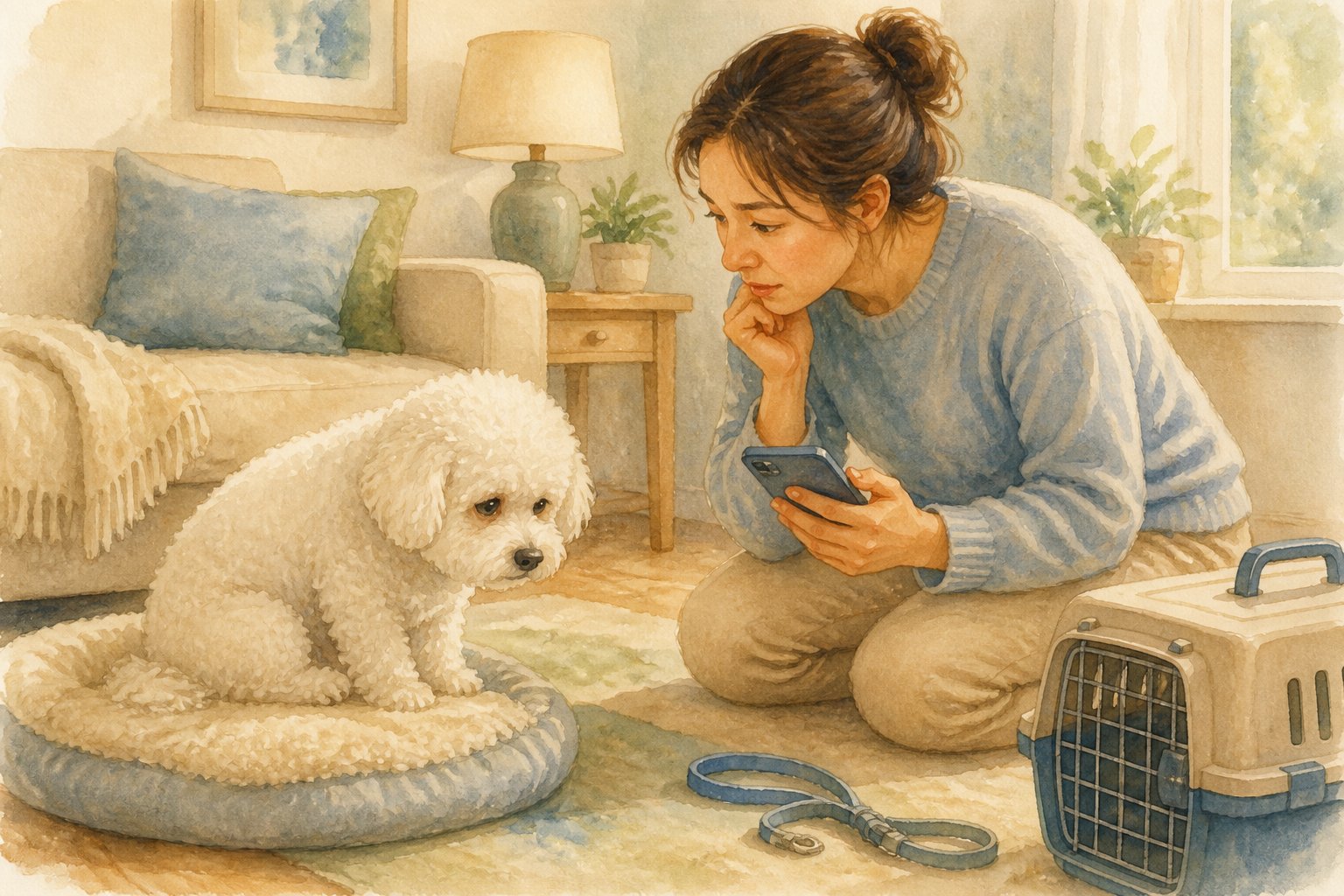
A sudden change in barking, appetite, sleep, house-training, touch tolerance, or activity deserves attention. Pain, dental disease, skin irritation, vision loss, digestive trouble, and other medical issues can appear as behavior problems.
Keep notes about when the change began, what triggers it, and related signs. Share this record with your veterinarian.
A dog that becomes irritable during grooming may have pain, while new accidents may point to urinary or digestive concerns. Seek prompt veterinary care for severe lethargy, repeated vomiting, breathing trouble, collapse, inability to urinate, or sudden disorientation.
Training should address learned habits after medical causes have been checked.
7. Giving Table Scraps And Reinforcing Begging
Bichon Frises can quickly learn that staring, pawing, whining, and barking earn food. Feeding scraps from your plate also makes calorie control harder and may expose your dog to unsafe ingredients.
Set a household rule that everyone follows. Feed measured meals at regular times, and keep your dog away from the table with a gate, bed cue, or food puzzle.
Reward quiet behavior away from the dining area. If you want to share food, reserve small, veterinarian-approved portions and include them in your dog’s daily calorie allowance.
Avoid foods such as chocolate, grapes, raisins, onions, garlic, xylitol, alcohol, and cooked bones. A consistent routine helps begging fade.
8. Providing Too Little Daily Play, Exercise, And Mental Stimulation
A Bichon Frise does not need extreme exercise, yet it does need daily movement and useful activity. Short walks, indoor games, training sessions, sniffing, and puzzle feeders can reduce boredom and attention-seeking behavior.
Adjust activity to your dog’s age, health, weather, and fitness. Several short sessions often work better than one long outing.
Practice simple cues, hide treats for scent games, or rotate safe toys to keep them interesting. Watch for signs of overload, including lagging, heavy panting, reluctance to move, or irritability.
Mental work counts, especially for a small companion breed. A dog that receives appropriate outlets is less likely to bark, dig, lick, or chew from frustration.
9. Letting Destructive Chewing Become A Self-Rewarding Habit
Chewing feels satisfying, relieves boredom, and may reduce anxiety. Each time your Bichon reaches shoes, furniture, or electrical cords, the behavior becomes more practiced and rewarding.
Manage the environment before training. Store tempting items, block access to unsafe areas, and supervise your dog during free time.
Provide durable, size-appropriate chew toys and rotate them rather than leaving every toy out at once. If you catch inappropriate chewing, calmly trade the object for a legal chew.
Praise your dog for choosing it. Do not chase, scold, or pull objects from a guarded mouth.
Sudden or intense chewing can also reflect stress, pain, or separation anxiety, so consider the cause rather than treating only the damage.
10. Failing To Teach Calm Independence From Puppyhood
Constant contact can seem comforting, yet it may leave your Bichon unable to relax without you. Following you from room to room, demanding attention, and panicking when you close a door can become established habits.
Teach independence in small steps. Reward your puppy for resting on a mat while you sit nearby, then briefly move away.
Give attention when your dog is calm, not only when it paws, whines, or climbs onto you. Practice short, predictable separations inside the home.
Offer a safe chew or puzzle, return before distress rises, and increase duration gradually. Independence does not mean emotional neglect.
It means helping your dog feel secure while you are present and absent.
11. Waiting Too Long To Get Help For Aggression Or Severe Anxiety
Growling, lunging, snapping, biting, escape attempts, panic, and self-injury should not be dismissed as stubbornness. These behaviors can worsen when triggers are repeated or when people use harsh corrections.
Start with safety. Use distance, barriers, a secure harness, and careful management around children, visitors, and other animals.
Do not force greetings or test whether your Bichon is “better.” Contact a veterinarian to check for medical contributors, then seek a qualified trainer or veterinary behavior professional with experience in fear, aggression, and separation anxiety.
Early help usually gives you more options and reduces the chance of injury.
When To Contact A Veterinarian Or Qualified Trainer
Red Flags That Require Veterinary Evaluation
Arrange veterinary care for sudden aggression, unusual withdrawal, confusion, loss of balance, repeated accidents, appetite or thirst changes, persistent licking, limping, pain during handling, vomiting, diarrhea, or marked fatigue.
Seek emergency care for breathing difficulty, collapse, seizures, severe injury, suspected poisoning, or inability to urinate. Medical treatment may be essential before behavior training can succeed.
When A Credentialed Behavior Professional Is Appropriate
Choose professional help for biting, repeated lunging, severe fear, resource guarding, escape behavior, destructive separation anxiety, or problems that do not improve with careful management.
Look for a credentialed trainer or veterinary behavior professional who uses reward-based methods and explains safety steps clearly.
Avoid anyone who promises a quick fix or relies on fear, pain, intimidation, or dominance-based punishment.