A Basset Hound’s funny habits can make you laugh. Yet some everyday mistakes can harm its health.
Its long back, heavy body, floppy ears, strong nose, and food-driven nature call for a thoughtful routine.
You can prevent most serious Basset Hound owner slip-ups with secure boundaries, measured meals, gentle training, safe exercise, and regular health checks. Small habits, such as wiping damp ears or blocking access to dropped food, make daily life safer.
1. Letting A Basset Hound Off-Leash Outside A Secure Fence
A Basset Hound may seem slow and relaxed until its nose catches an interesting scent. Then it can ignore your calls, follow a trail, and wander toward traffic or unfamiliar animals.
Use a securely fitted harness and leash outside enclosed areas. Check gates for gaps near the ground, since a determined Basset can push through weak spots.
A fenced yard should have a latched gate, sturdy panels, and no objects that help your dog climb. Practice recall indoors and in a fenced space with high-value treats.
Even with training, treat an open yard, park, or roadside as unsafe unless you maintain physical control.
2. Allowing Weight Gain In A Long-Backed, Low-Slung Dog
Extra weight places more stress on a Basset Hound’s spine, joints, and short legs. Since this breed often acts hungry even after eating, casual table scraps and oversized treats can add up quickly.
Measure meals with a standard cup or kitchen scale. Count training treats as part of the daily food allowance.
Ask your veterinarian to check body condition rather than relying only on the number on a scale. You should be able to feel the ribs beneath a light covering, without seeing sharp bones.
Choose steady, low-impact walks. Avoid sudden jumps or intense exercise, especially if your dog is already heavy.
3. Skipping Ear Cleaning After Walks And Meals
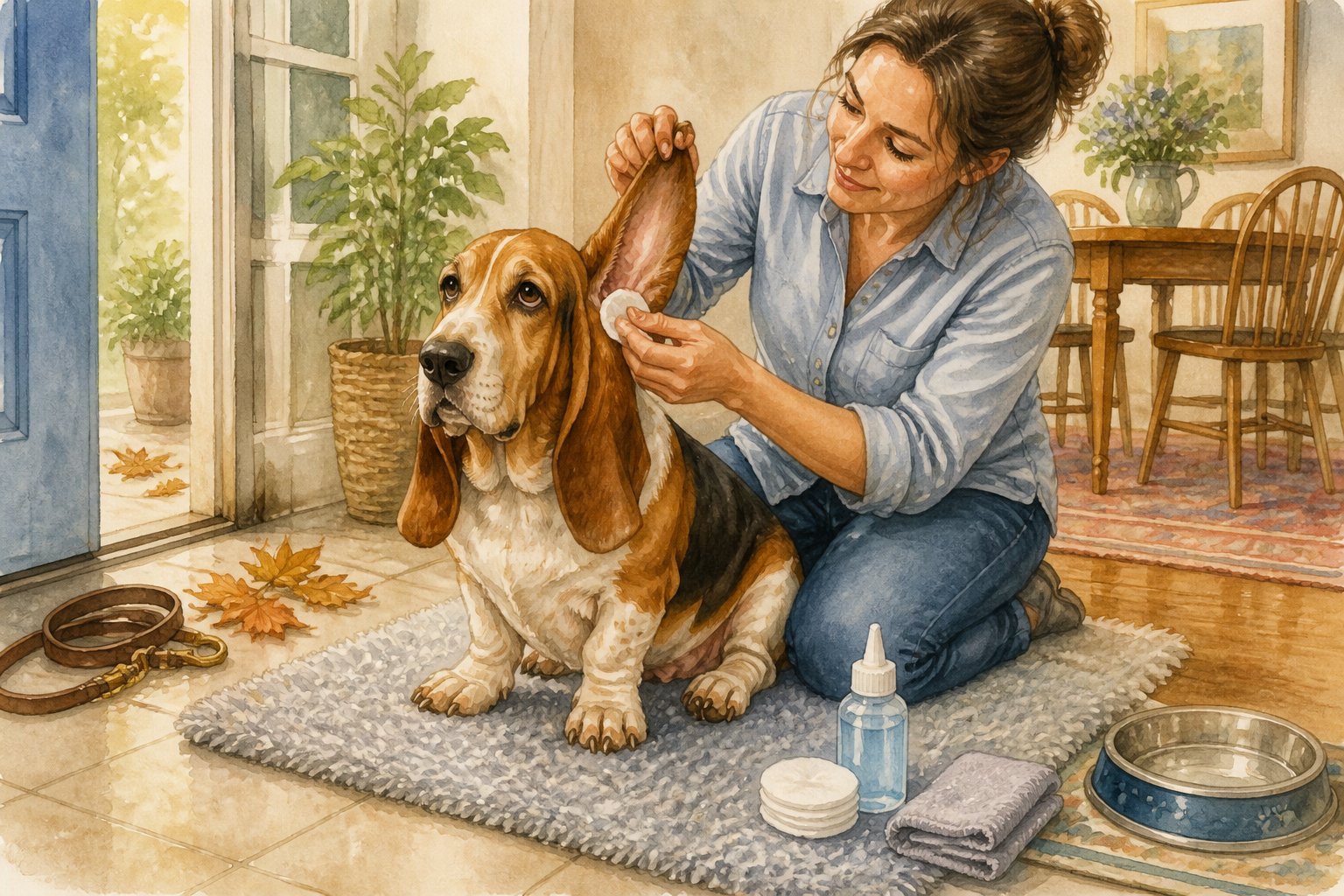
Long ears trap warmth, moisture, dirt, food, and drool. If you ignore them, yeast or bacterial problems can develop before you notice the first strong odor.
Check each ear several times a week, especially after wet walks or messy meals. Use a veterinarian-approved ear cleaner and a soft cotton pad on the visible parts.
Never push cotton swabs deep into the canal. Stop if your dog shows pain.
Redness, swelling, discharge, head shaking, repeated scratching, or a sour smell calls for veterinary advice rather than more cleaning at home.
4. Using Punishment Instead Of Food-Motivated, Patient Training
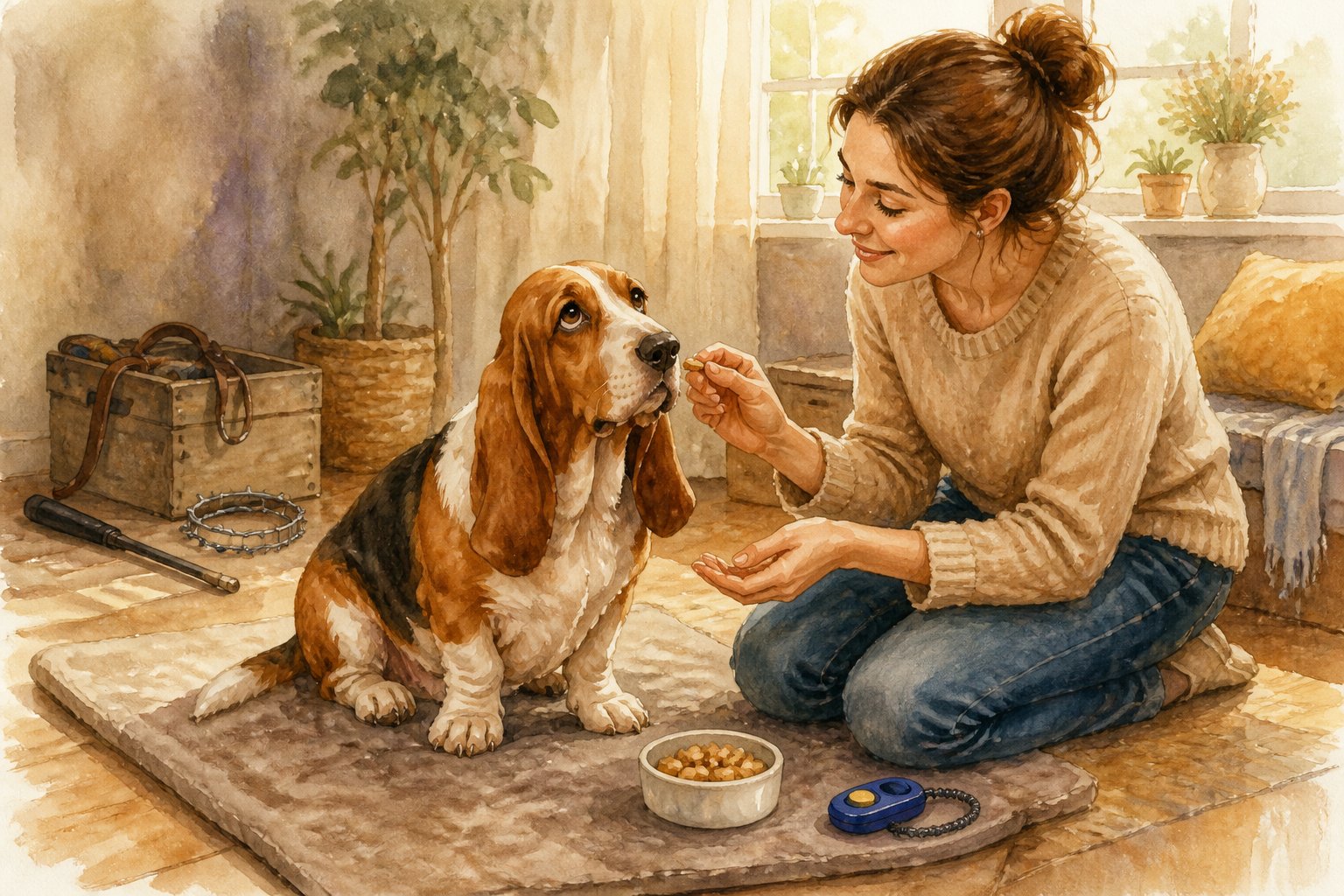
A Basset Hound can be independent, and harsh corrections may make it worried, resistant, or less willing to engage. Yelling after a mistake also fails to show your dog what behavior you want.
Use tiny, soft treats, a calm voice, and short sessions. Reward the instant your dog sits, looks at you, walks beside you, or releases an object.
You may need to repeat a cue patiently when a scent or food is more interesting. Keep training consistent across your household.
If you want your dog off the couch, provide a comfortable bed and reward it for choosing that spot instead of physically dragging it away.
5. Underestimating Their Scent Drive On Every Walk
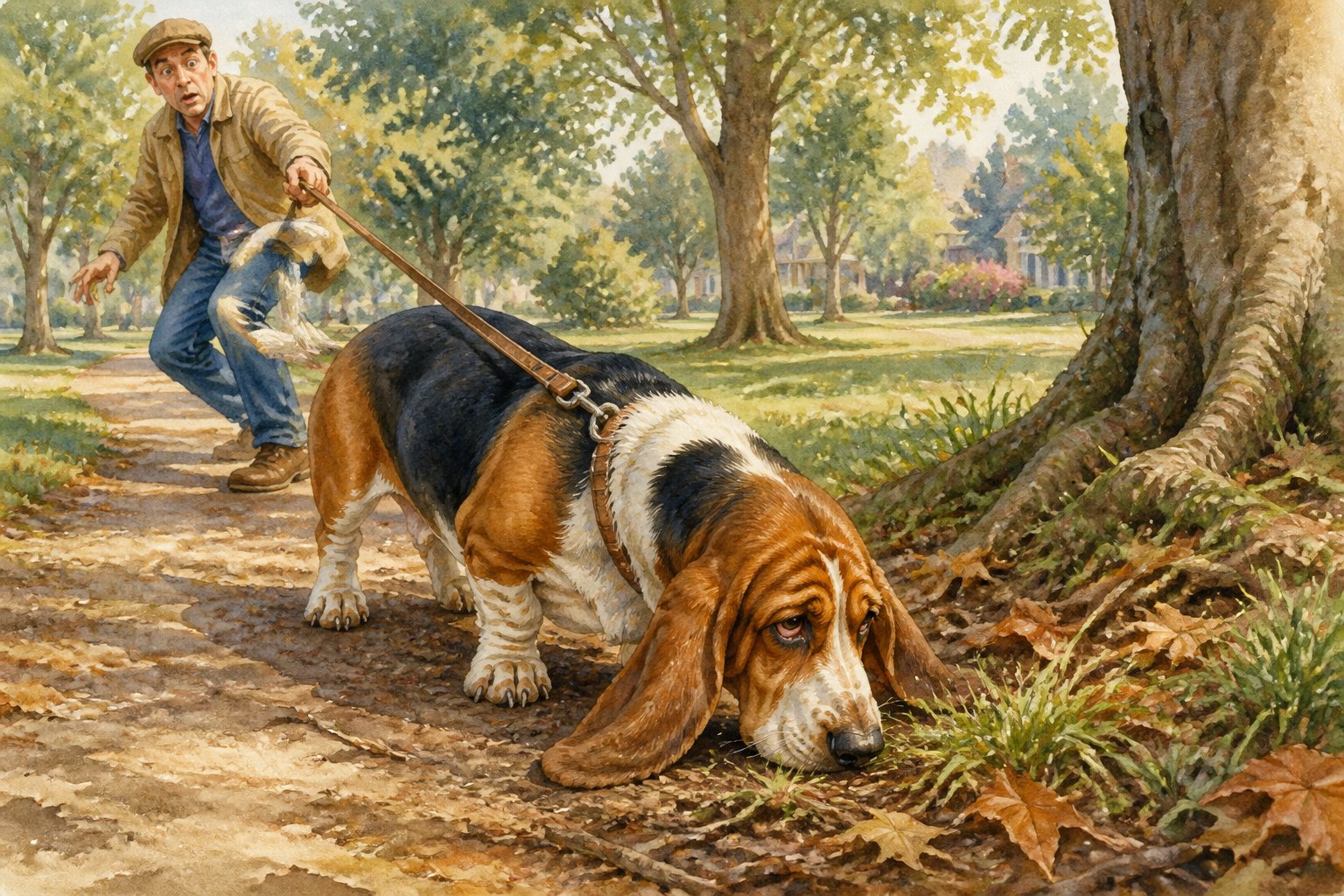
Your Basset Hound may spend more time sniffing than moving. Pulling it away from every scent can turn a walk into a frustrating contest, especially when its nose is locked onto a trail.
Build planned sniffing into the outing. Let your dog investigate safe areas on a regular leash, then use a cheerful cue and a treat to move on.
A longer leash can work in open, permitted spaces when you can still control your dog. Avoid retractable leashes near roads or crowded paths.
Watch for sudden lunges toward wildlife, dropped food, or another dog. Keep enough distance to regain attention before your dog reaches the trigger.
6. Leaving Rawhide Chews Or Small Food Hazards Unsupervised
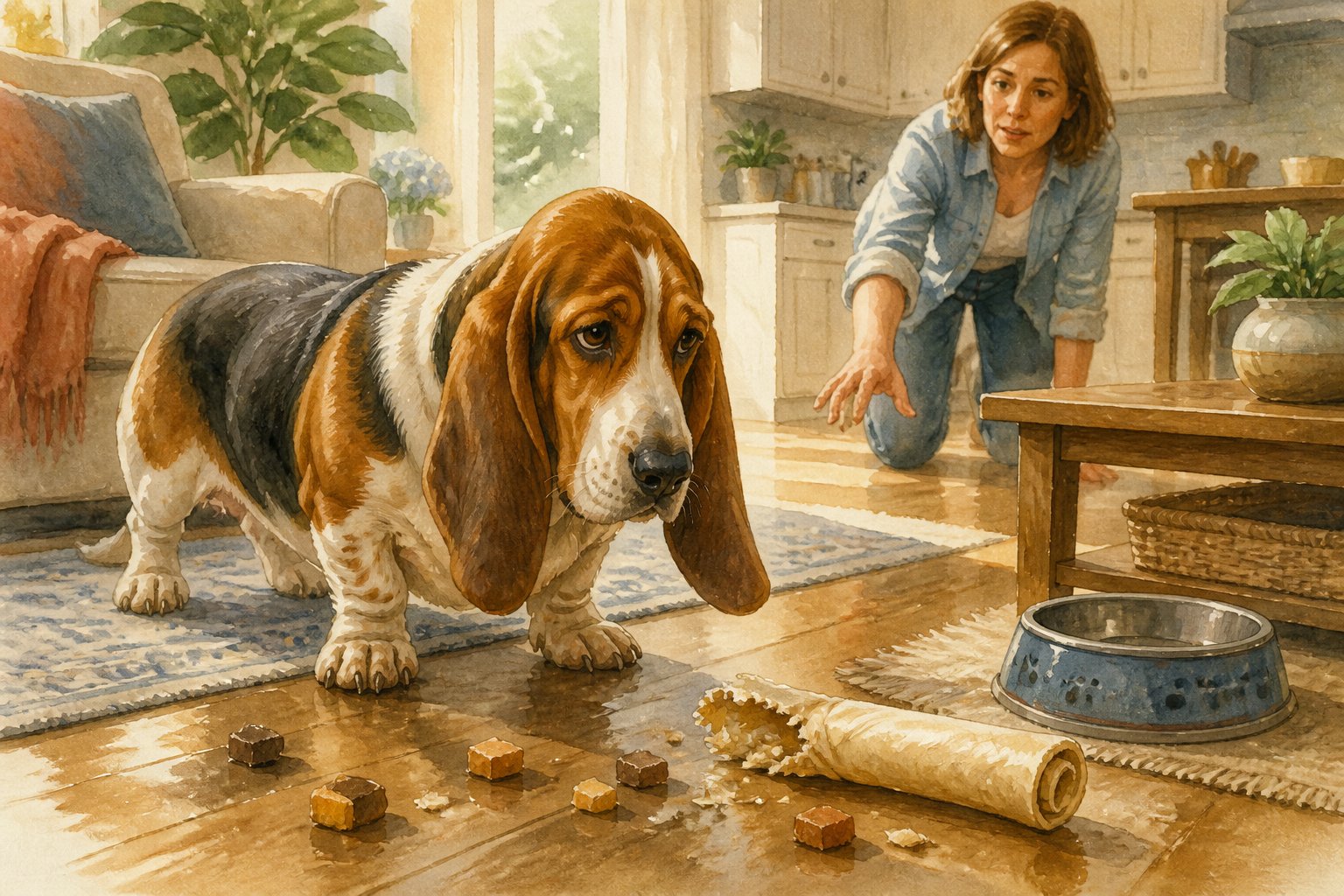
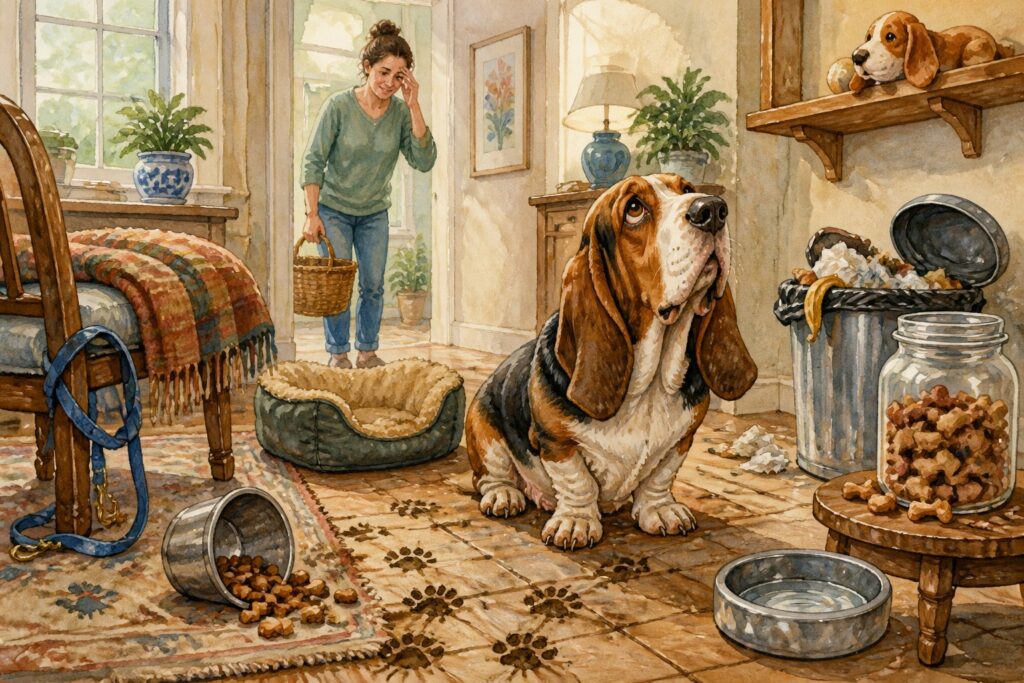
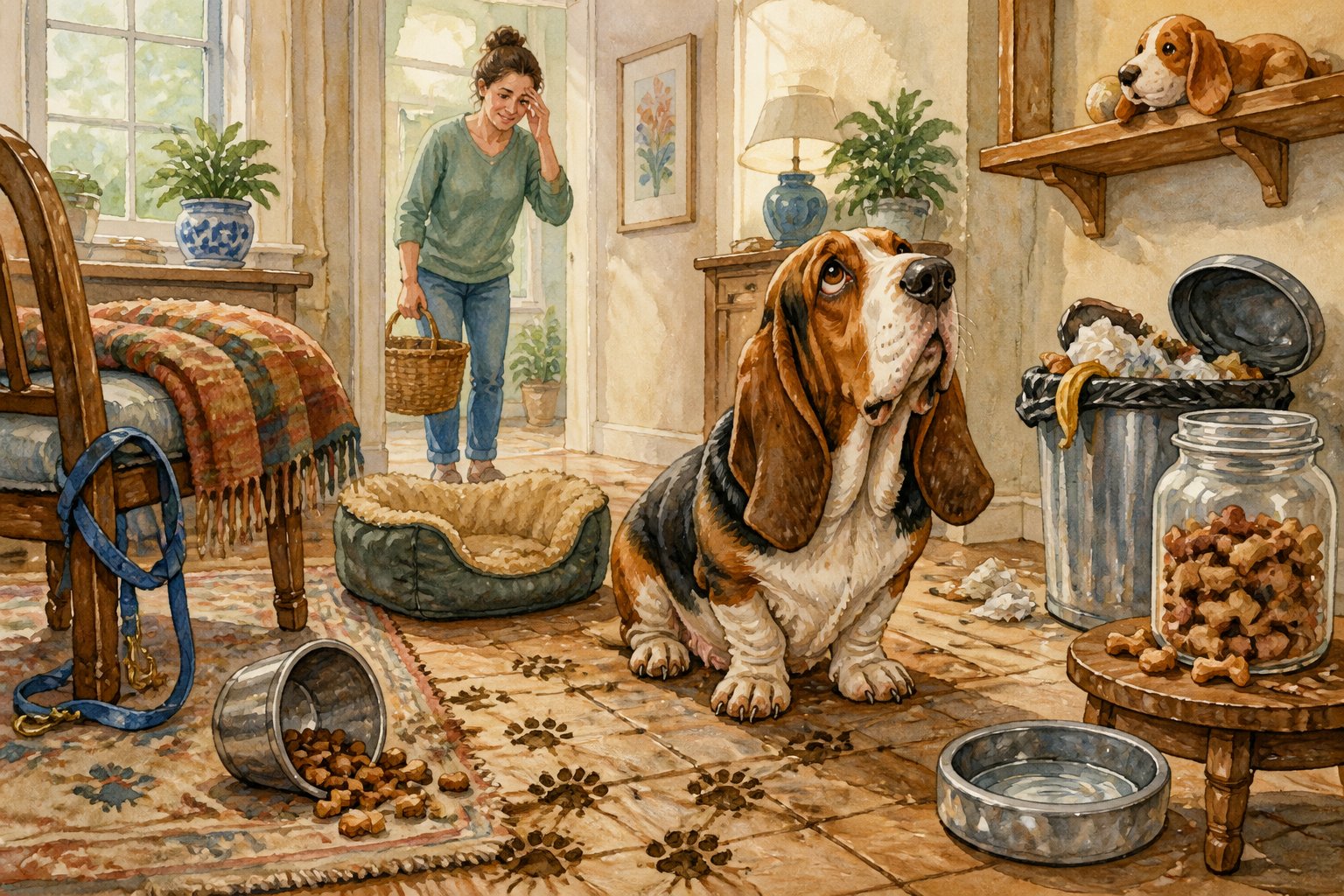
Food-driven Basset Hounds often search counters, bags, trash cans, and children’s floors. A swallowed chunk of rawhide or a small household item can cause choking or an intestinal blockage.
Choose chews that match your dog’s size and chewing style. Supervise every session.
Remove a chew when it becomes small, stringy, or damaged. Ask your veterinarian about safer alternatives if your dog gulps pieces.
Store food behind closed doors. Secure the trash, and teach a reliable “leave it” cue.
Keep grapes, raisins, chocolate, onions, garlic, xylitol-containing products, cooked bones, and medications out of reach. If your dog eats a risky item, contact your veterinarian or a pet poison service promptly.
7. Treating Them Like Couch Potatoes And Skipping Daily Walks
A Basset Hound enjoys naps, yet too little movement encourages weight gain, boredom, stiffness, and food-seeking behavior. You do not need to turn your dog into a distance runner.
You do need a steady routine. Offer daily walks at a comfortable pace, with time for sniffing.
Add gentle indoor games, simple obedience practice, or food puzzles when weather limits outdoor activity. Avoid repeated stair climbing, high jumps, and rough play that jars the spine.
Watch your dog’s breathing, gait, and energy. Shorter outings with rest breaks are wiser than pushing through fatigue, heat, or soreness.
8. Ignoring Howling, Drool, And Destructive Food Seeking As Normal Needs
Howling, heavy drooling, and frantic scavenging may be familiar Basset traits, yet a sudden increase can signal stress, pain, hunger from a medical condition, or another health change. Do not dismiss every new behavior as stubbornness.
First check basic needs: exercise, water, meal timing, bathroom access, companionship, and a quiet rest area. Use washable blankets and keep a towel near food and water bowls for routine drool.
Secure counters and cabinets. Redirect food seeking with supervised puzzle feeders and reward-based training.
If vocalizing becomes intense, appetite changes, or destructive behavior appears suddenly, schedule a veterinary evaluation.
A Safer Basset Hound Home Setup
Secure Fencing And Gate Checks
Inspect your fence and gates each week for loose boards, ground gaps, broken latches, and openings beneath doors. Keep your Basset Hound leashed during repairs, deliveries, and busy outdoor gatherings.
Back-Friendly Ramps And Rest Areas
Use ramps or sturdy steps for access to approved furniture, vehicles, and porches. Place nonslip mats on slick floors, and provide a supportive bed away from drafts.
Discourage jumping from beds, couches, and car trunks.
Food Storage And Chew Supervision
Keep food, trash, medicine, and small objects in closed cabinets or containers. Supervise chews from start to finish, and remove damaged pieces before your dog can swallow them.
When To Call Your Veterinarian
Signs Of Back Pain Or Mobility Trouble
Call promptly if your Basset Hound cries when moving, refuses stairs, develops a hunched posture, drags a paw, wobbles, or suddenly cannot walk. Keep your dog quiet and avoid lifting it without support while you seek instructions.
Ear Infection Warning Signs
Redness, swelling, heat, discharge, strong odor, repeated head shaking, scratching, or pain during ear handling needs veterinary attention. Do not use leftover medication or household products in the ear.
Weight And Appetite Changes
Arrange a checkup for fast weight gain or loss, unusual hunger, reduced appetite, vomiting, diarrhea, or marked thirst.
A veterinarian can look for medical causes and create a safe feeding plan.