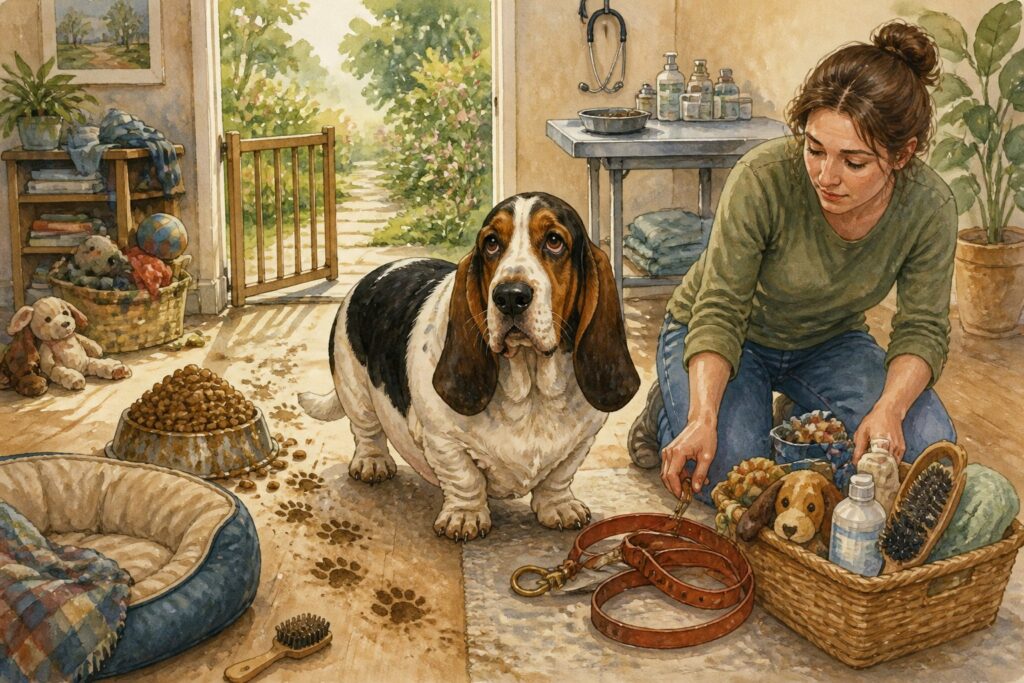
The 8 Biggest Basset Artesien Normand owner mistakes usually involve ignoring the instincts and body shape that make this French scent hound special. Off-leash roaming, excess weight, poor ear care, and too little daily enrichment can create avoidable health and behavior problems.
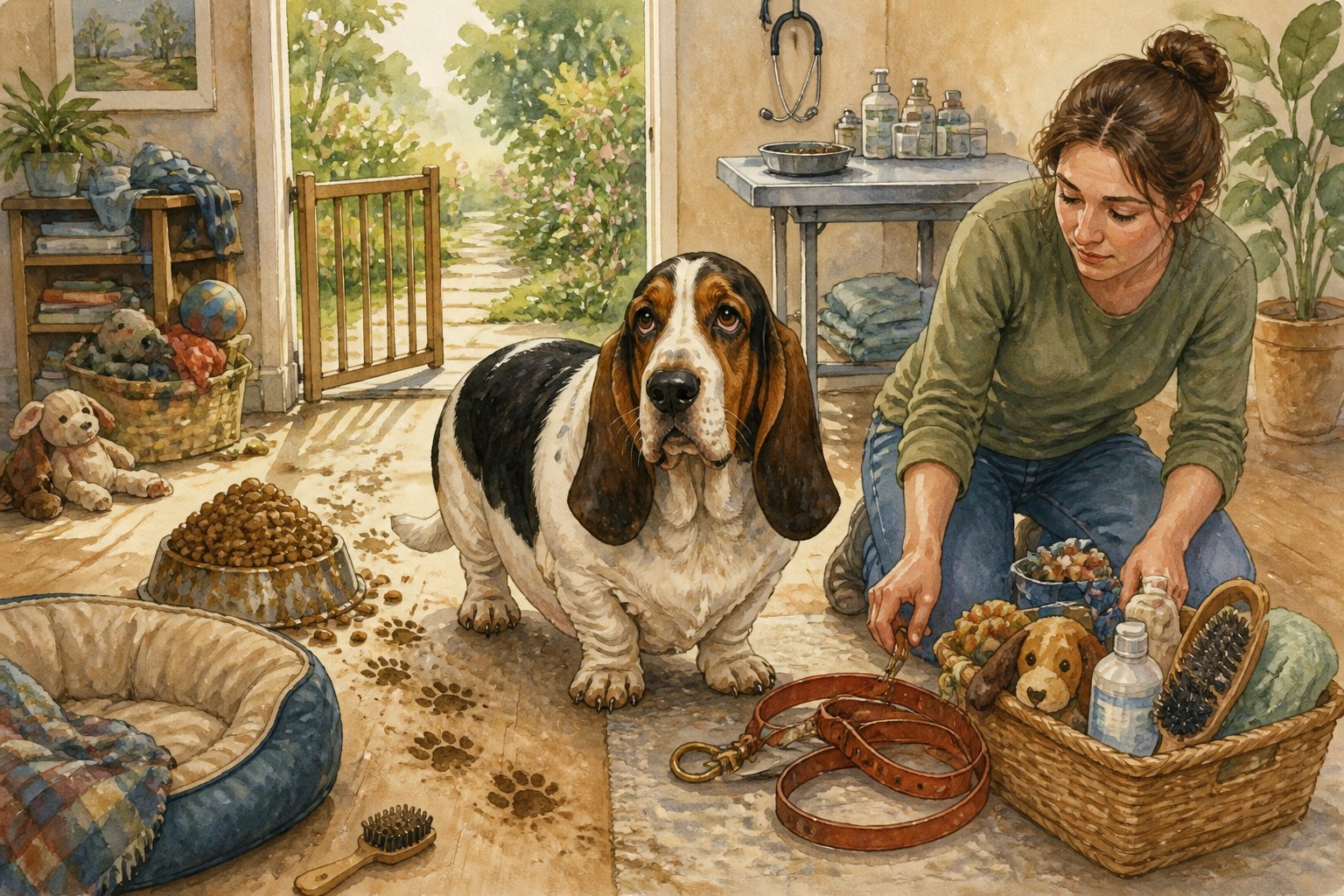
The breed may look relaxed, yet its nose, voice, and persistent nature still shape daily care.
1. Letting Your Basset Artesien Normand Roam Off-Leash Around Scent Trails
A Basset Artesien Normand can follow an interesting scent with surprising focus. Once the nose takes control, your calls may become background noise, especially near wildlife, wooded paths, or another dog’s trail.
Use a secure fenced area for free running. In open spaces, attach a well-fitted harness to a long line and practice recall before allowing more freedom.
A long line gives your dog room to investigate while preserving your control. Check gates, fence gaps, and low openings often.
This low-built hound can find escape routes you may miss. Keep identification current, and consider a registered microchip in case curiosity carries your dog farther than expected.
2. Allowing Weight Gain In A Long-Backed, Short-Legged Dog
Extra pounds place more stress on your dog’s back, joints, elbows, and short legs. Treats, table scraps, and inaccurately measured meals can add weight gradually, even when your dog seems only slightly rounder.
Measure each meal with a kitchen scale or a proper measuring cup. Count training treats as part of the daily food allowance, and use small pieces so rewards do not replace balanced meals.
Check body condition by feeling the ribs beneath a light covering. You should be able to feel them without pressing hard, while the waist remains visible from above.
Ask your veterinarian to confirm an ideal weight and adjust portions slowly. Choose steady walks and sniffing games rather than intense jumping or sudden bursts.
A lean body makes everyday movement easier and helps protect the long back.
3. Skipping Weekly Ear Checks And Cleaning
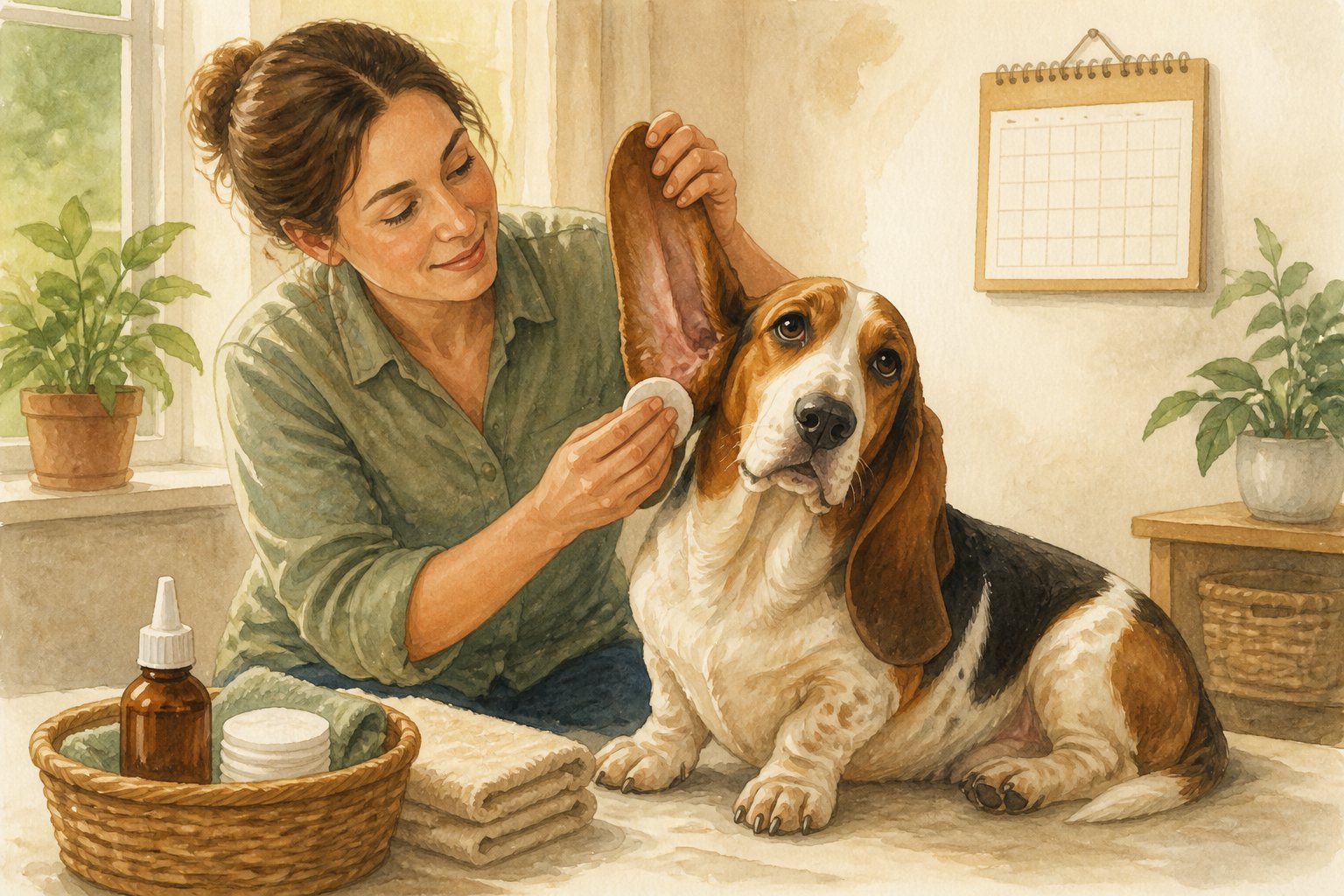
Long, floppy ears hold warmth and moisture, creating conditions where irritation can develop. A quick weekly check helps you notice redness, excess wax, odor, dampness, or tenderness before the problem becomes painful.
Lift each ear gently and inspect the skin and opening. Use only a veterinarian-approved ear cleaner, apply it as directed, and massage the base before letting your dog shake.
Wipe away loosened debris with cotton or gauze around the visible area. Never push cotton swabs deep into the canal or use household products.
Dry the ears after bathing, swimming, or wet walks. If cleaning causes pain, stop and arrange veterinary advice rather than forcing the routine.
Pair ear checks with praise and tiny treats. Calm handling now makes future care much easier.
4. Treating Daily Sniffing Walks As Optional
A short walk that allows real sniffing can be more satisfying than a rushed march. Your Basset Artesien Normand was developed to work by scent, so nose-led exploration supports both physical exercise and mental comfort.
Aim for a daily routine that adds up to about 45 to 60 minutes, adjusted for age, health, weather, and fitness. Let your dog investigate safe areas at a relaxed pace instead of pulling constantly toward the next block.
On busy days, scatter part of the meal in a snuffle mat, hide treats around a room, or create a simple scent search in the yard. These activities do not replace regular movement, yet they can reduce boredom when time is limited.
Watch for signs of overload, such as heavy panting, lagging, or reluctance to continue.
5. Relying On Repetition Instead Of Reward-Based Recall Training
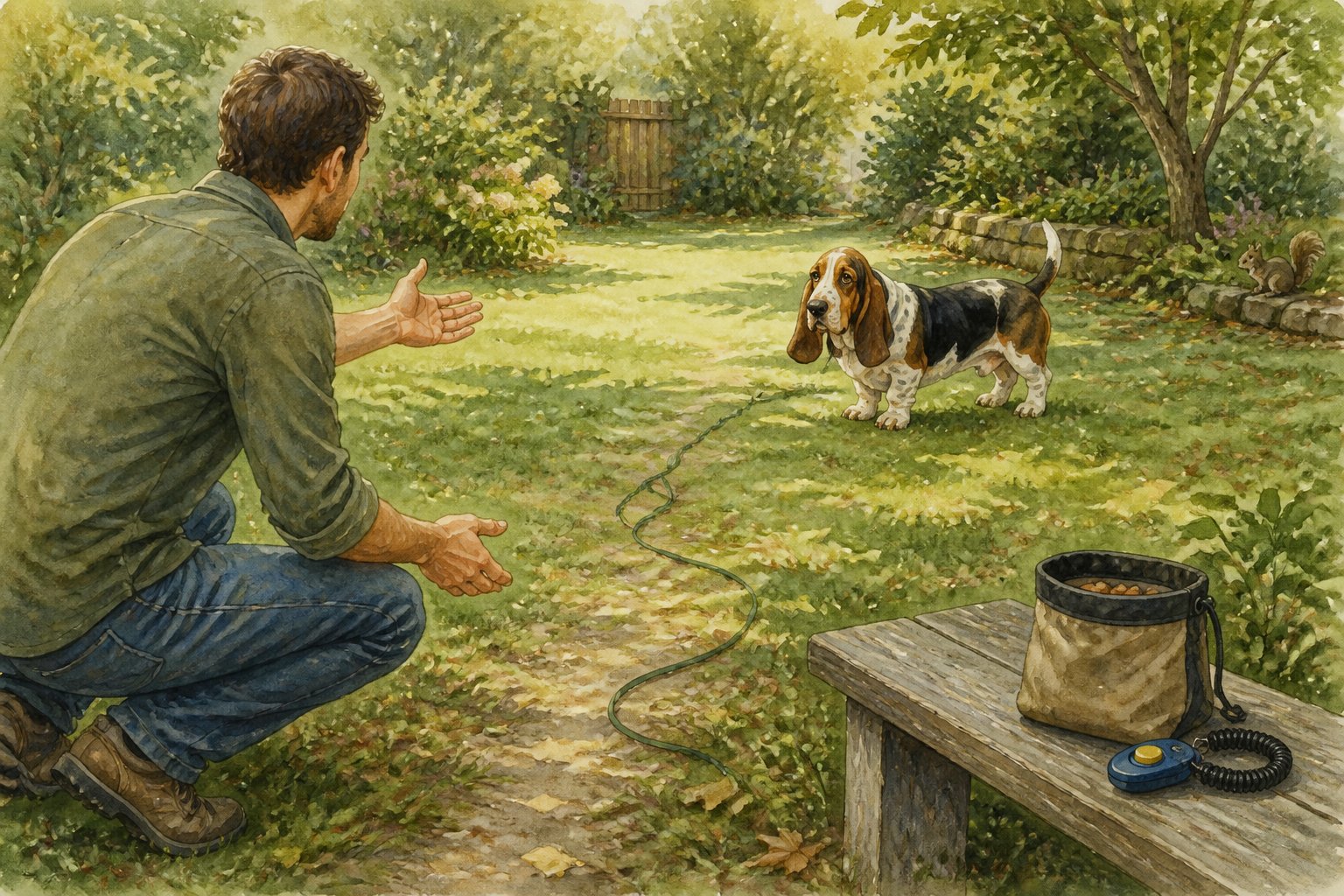
Repeating your dog’s name while it ignores you can teach that the cue has no consequence. A scent hound may hear every word and still decide that the smell is more rewarding.
Start indoors with a cheerful recall cue. Say it once, move backward, and reward your dog generously when it follows.
Practice in a quiet yard, then add a long line and mild distractions in small steps. Never call your dog for punishment, nail trimming, or an unpleasant end to every outing.
Occasionally call, reward, and release your dog back to sniffing so returning does not always remove the fun. Keep sessions short and stop after successful responses.
Recall around wildlife or active scent trails takes time, so use management instead of testing a skill before it is reliable.
6. Underestimating Barking In Apartments And Shared-Wall Homes
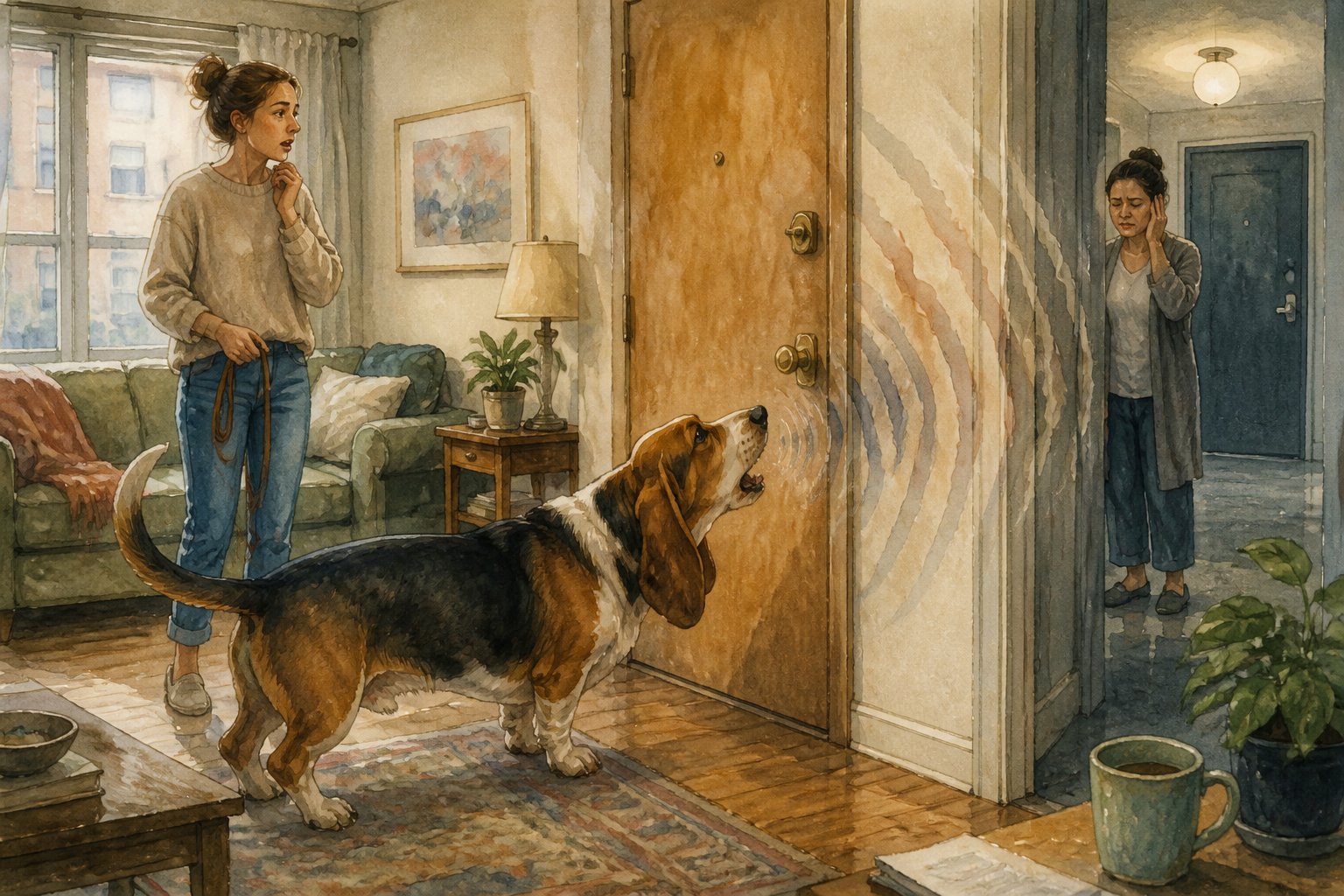
Your dog’s hound voice can carry through doors, hallways, and shared walls. Barking may increase when your dog hears neighbors, sees passersby, feels bored, or cannot investigate an interesting scent.
Track the situations that trigger vocalizing. Close visual access to busy windows, add white noise, and provide a sniffing activity before predictable quiet periods.
Reward calm behavior before barking begins whenever possible. Teach a quiet cue with patience.
Wait for a brief pause, mark it with praise, and offer a treat. Avoid shouting, since your dog may read your raised voice as participation.
Apartment living can work when you plan for daily walks, enrichment, and neighbor-friendly routines. If barking remains intense, seek qualified behavior help early.
7. Using Stairs And Jumping Furniture Without Back Protection
Repeated jumps from sofas, beds, vehicles, or steps can strain a long, low back. The risk rises when your dog is overweight, slips on smooth flooring, or launches down from a height.
Use ramps or stable steps for cars and favorite furniture. Add nonslip runners on slick floors, keep nails trimmed, and block access to high surfaces when you cannot supervise.
Do not encourage stair sprints or rough games involving twisting and sudden stops. Controlled movement is safer than repeated impact.
Carry your dog only when you can support the chest and hindquarters securely, especially on stairs. Teach a “wait” cue at doorways and vehicle exits.
If your dog suddenly avoids movement, cries, arches the back, or cannot settle comfortably, stop activity and contact your veterinarian promptly.
8. Choosing A Basset Artesien Normand Expecting A Basset Hound Temperament
A Basset Artesien Normand is not simply a smaller version of a Basset Hound. Although both breeds are low-slung scent hounds, your dog may show different energy, sensitivity, persistence, voice, and training responses.
Expect a friendly and sociable companion with a strong nose and an independent streak. Affection does not guarantee instant obedience, especially when an exciting scent competes with your cue.
Meet adult dogs when possible, speak with experienced breeders or rescue professionals, and ask about daily behavior rather than relying on appearance. Consider whether you can provide secure exercise, ear care, weight control, and patient training.
Choose this breed because its real traits fit your household.
A Practical Care Baseline
Healthy Body Condition And Portion Control
Feed measured portions on a regular schedule and adjust them for age, activity, treats, and veterinary guidance. Feel the ribs regularly, monitor weight, and address gradual gain before it becomes difficult to reverse.
Secure Fencing, Long Lines, And Identification
Use secure fencing with no gaps at ground level. A harness and long line provide safer outdoor freedom while recall develops.
Keep tags current and maintain microchip registration details.
Routine Ear, Nail, And Skin Checks
Check the ears weekly, trim nails before they click heavily on floors, and inspect the skin after wet or muddy outings. Dry damp areas and use gentle, approved products.
When To Call A Veterinarian Or Qualified Trainer
Ear Odor, Head Shaking, Or Persistent Scratching
Bad odor, repeated head shaking, redness, discharge, or constant scratching can signal ear disease. Arrange a veterinary examination instead of repeatedly cleaning or using leftover medication.
Back Pain, Reluctance To Move, Or Sudden Lameness
Crying, trembling, a hunched posture, reluctance to climb, weakness, or sudden limping deserves prompt veterinary attention. Prevent stairs and jumping while you arrange care, and do not give human pain medicine unless your veterinarian specifically directs you.
Escaping, Resource Guarding, Or Unmanageable Vocalizing
Repeated escapes, snapping around food or toys, or severe barking calls for skilled help.
A qualified reward-based trainer or veterinary behavior professional can create a safe plan suited to your dog and home.