
An American Water Spaniel can be a bright, affectionate, hardworking companion. Your daily choices shape whether that energy becomes useful drive or frustrating behavior.
Many owner mistakes come from treating this active hunting breed like a low-key house dog.
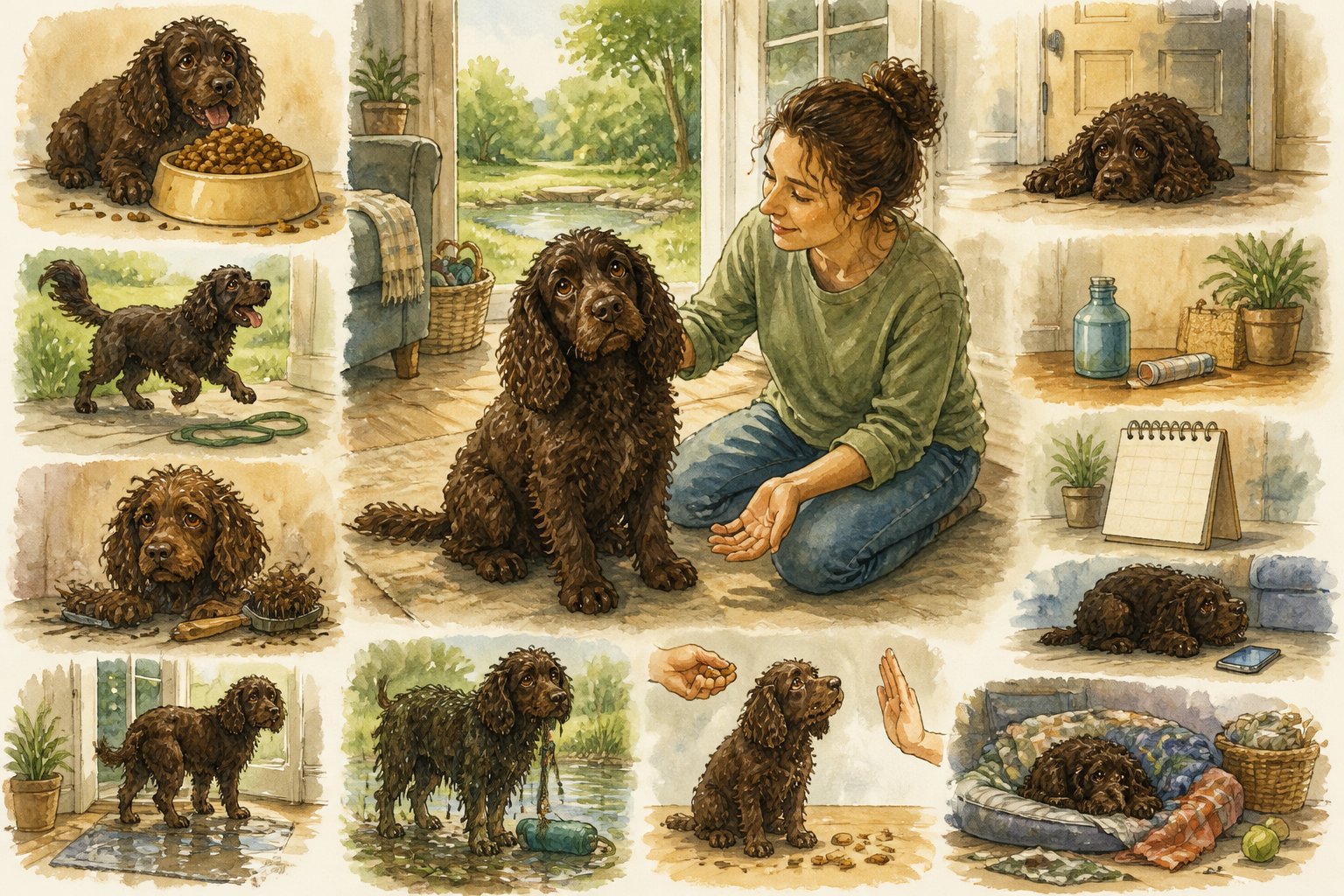
The breed often thrives when you give its body and mind a clear job.
1. Underestimating Daily Exercise Needs
A short neighborhood walk rarely meets an American Water Spaniel’s needs. This athletic breed was developed to work, retrieve, and move through challenging terrain, so unused energy may appear as pacing, jumping, barking, digging, or chewing.
Aim for a mix of brisk walks, play, training, and safe off-leash activity. Fetch, swimming, hiking, and retrieving games can be especially satisfying.
Increase intensity gradually, provide fresh water, and watch for overheating or sore paws. A practical routine might include a morning walk, several brief training sessions, and an evening game.
Your dog does not need nonstop activity, yet it does need regular opportunities to move with purpose.
2. Leaving an American Water Spaniel Alone for Hours
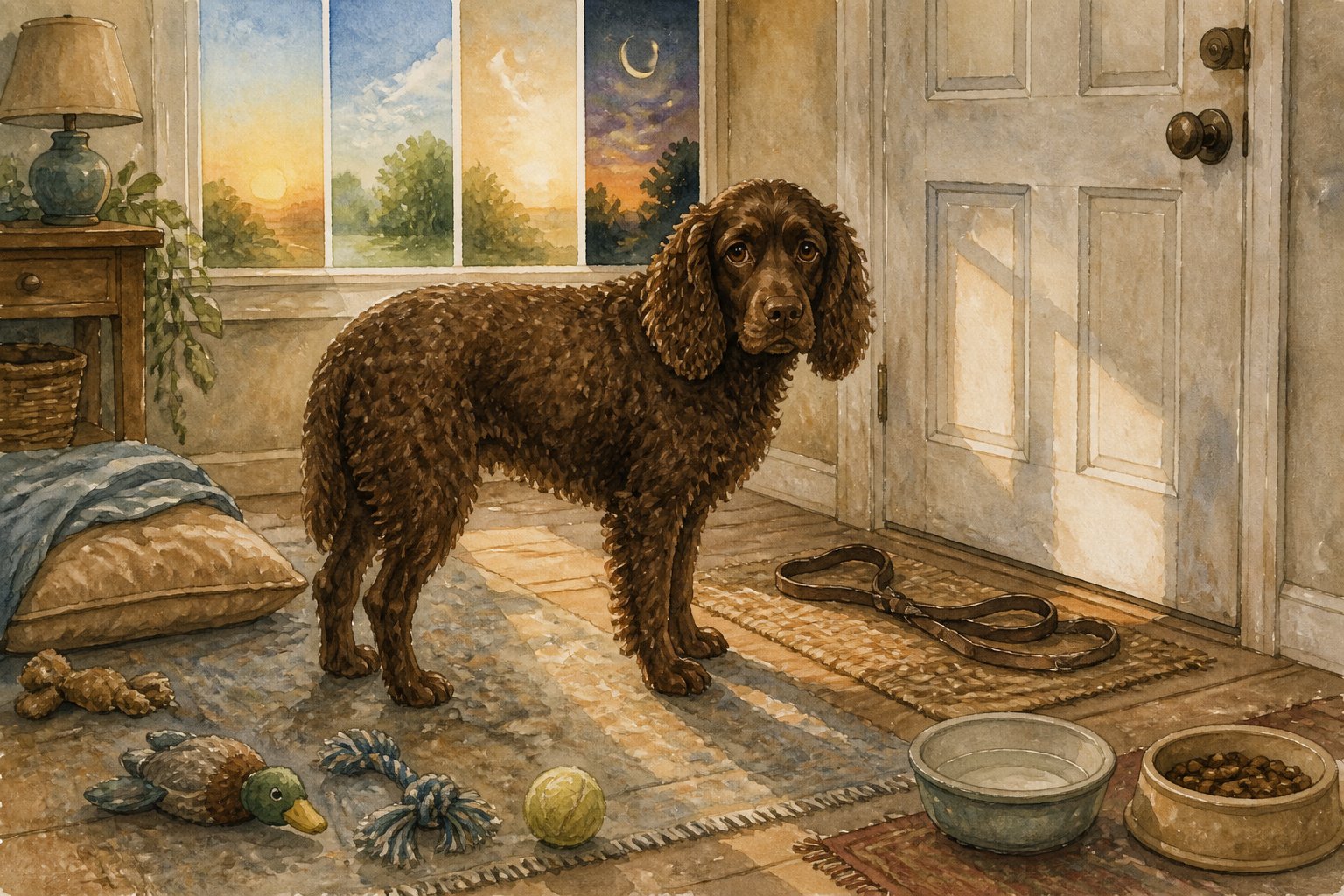
Long periods of isolation can be hard for this people-oriented, energetic breed. When you leave your dog alone without preparation, boredom or stress may lead to barking, destructive chewing, house-soiling, or frantic greetings.
Build alone time in small steps. Give your dog a calm departure routine, a safe resting area, and a food puzzle or durable chew.
A midday walker, trusted sitter, or dog daycare can help when your schedule keeps you away. Record your dog occasionally while you are gone.
Scratching at doors, nonstop vocalizing, pacing, or escape attempts may signal distress rather than simple mischief. Address those signs early with a qualified behavior professional.
3. Skipping Early Recall Training Around Wildlife
Your American Water Spaniel may chase squirrels, rabbits, birds, or other moving animals before you can react. A recall that works in your living room may fail completely near a pond or wooded trail.
Start recall indoors with a cheerful cue and a high-value reward. Progress to a fenced yard, then use a long line outdoors.
Reward your dog every time it turns toward you, even when the response is slow. Never call your dog to punish it or end every enjoyable activity.
Keep your dog leashed in unfenced areas until recall is reliable around real distractions. Wildlife, roads, thin ice, and unfamiliar terrain create risks that enthusiasm cannot overcome.
4. Failing to Socialize a Reserved Puppy With Strangers
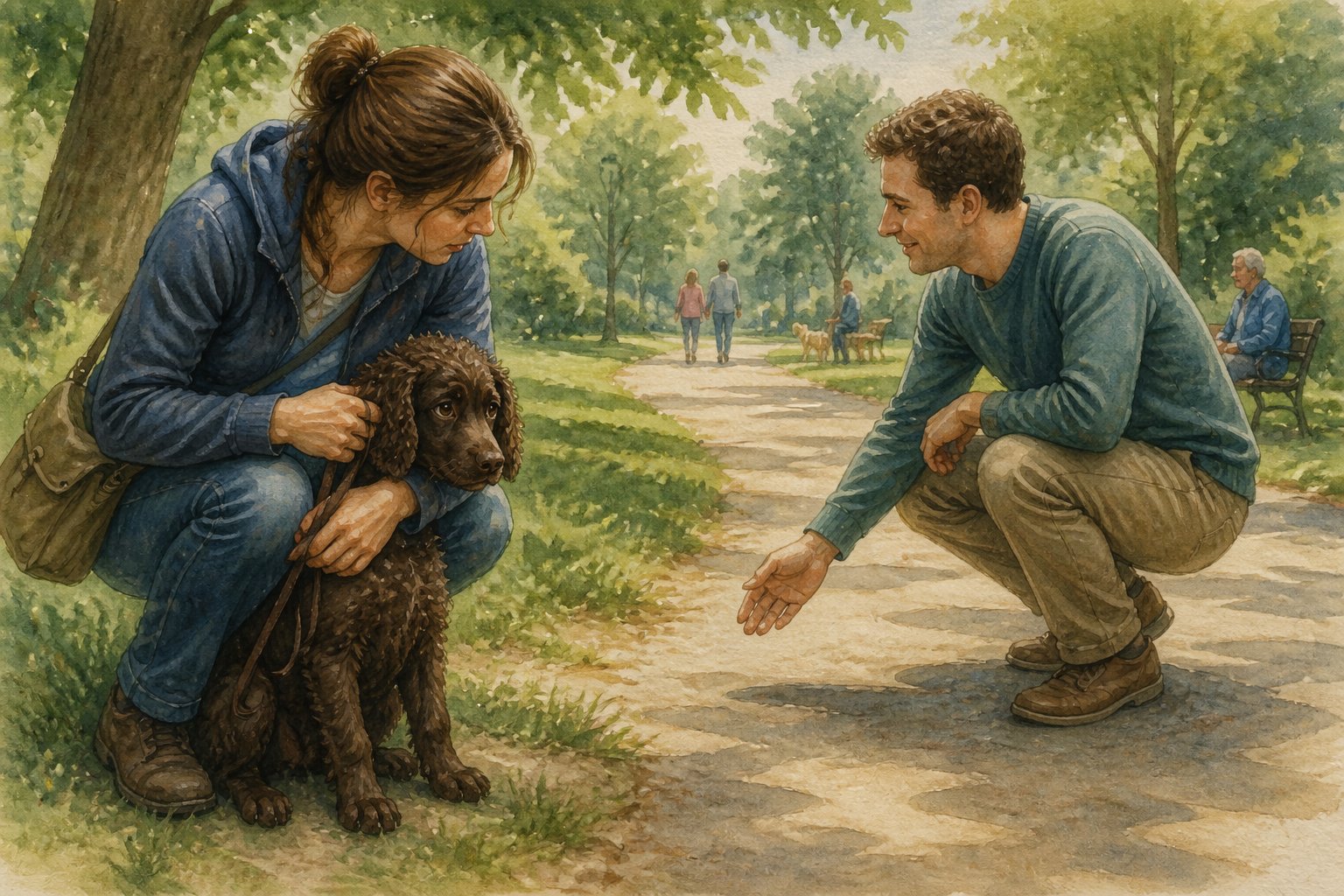
Some American Water Spaniels are reserved with unfamiliar people. Forcing a puppy to accept hugs, crowded greetings, or direct approaches can increase fear instead of building confidence.
Let your puppy choose the distance. Ask strangers to ignore the puppy at first, turn sideways, and toss treats without reaching.
Reward calm glances, relaxed body language, and voluntary approaches. Short, positive meetings are more useful than overwhelming exposure.
Include varied sounds, surfaces, vehicles, handling, and friendly dogs in your socialization plan. Stop when your puppy shows stress, such as hiding, stiffening, lip licking, or repeated yawning.
Your goal is not to make your dog greet everyone, but to help it feel safe around everyday experiences.
5. Using Harsh Corrections With a Sensitive Spaniel

Harsh shouting, leash jerks, and physical punishment can damage trust and make a sensitive American Water Spaniel more fearful or reactive. They may suppress warning signals without learning the behavior you actually want.
Use clear rewards and calm limits instead. If your dog jumps, pause attention and reward four paws on the floor.
If it pulls, stop moving and resume when the leash softens. Keep sessions brief, upbeat, and easy enough to produce frequent success.
Your timing matters. Mark the desired action immediately, then provide a treat, toy, praise, or access to something your dog wants.
A reward-based trainer can help you change difficult behavior without intimidation.
6. Providing Walks Without Fetch, Swimming, or Scent Work
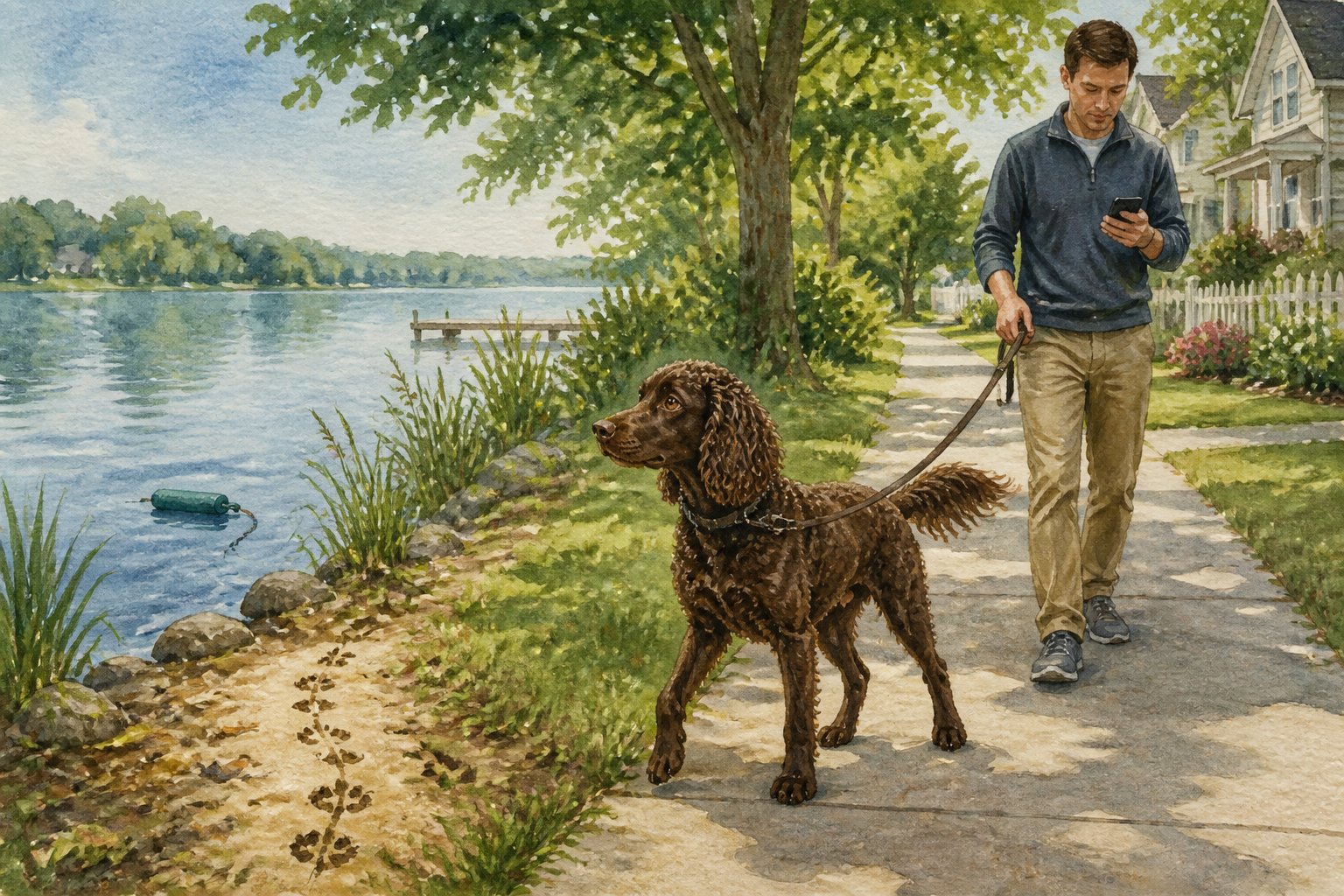
A walk provides movement and new sights, yet it may not satisfy your dog’s retrieving and hunting instincts by itself. Many owners notice that their dog remains restless after a perfectly respectable stroll.
Add activities that use natural skills. Play structured fetch, hide treats for scent searches, practice retrieving from shallow water, or use a toy-filled puzzle.
Letting your dog sniff safely can be tiring because it requires focus and decision-making. Rotate games so your dog does not become fixated on one activity.
Use safe water, rinse your dog after swimming, dry the ears well, and check local rules before using public parks or shorelines.
7. Ignoring Boredom-Driven Digging and Chewing
Digging and chewing often increase when your American Water Spaniel lacks exercise, attention, or an appropriate outlet. Scolding after you find damage rarely teaches your dog what to do instead.
Protect tempting items, supervise access, and provide sturdy chew options that match your dog’s size and chewing style. Food puzzles, frozen stuffed toys, scent games, and short retrieving sessions can occupy the same busy mind that created the problem.
If digging happens outdoors, create a legal digging area and reward its use. If chewing appears suddenly or seems extreme, consider stress, dental pain, or another medical concern.
Replace forbidden items calmly, then reinforce the acceptable choice.
8. Letting Excited Barking and Whining Become a Habit
Excited barking and whining can start during greetings, meal preparation, car rides, or play. If you respond with attention, treats, or immediate access each time, your dog may learn that louder behavior works.
Watch for the first quiet pause and reward it. Teach a mat cue, ask for a simple sit, and keep greetings low-key.
During exciting routines, prepare treats before the noise begins so you can reinforce calm behavior quickly. Do not yell over barking, since your dog may read your raised voice as participation.
If vocalizing occurs mainly when alone, investigate separation distress rather than treating it as disobedience.
9. Allowing Leash Pulling on Every Walk
An American Water Spaniel may pull toward scents, birds, dogs, or open spaces. Permitting pulling for months makes the habit stronger and can turn ordinary walks into tiring battles.
Use a well-fitted harness or collar and begin in a quiet area. Reward your dog beside you, change direction before the leash becomes tight, and pause when pulling starts.
Resume movement as soon as the leash loosens. Keep early sessions short and successful.
A long line can provide sniffing freedom in safe areas after your dog learns that a loose leash earns forward movement. Avoid retractable leashes near traffic or crowded paths.
10. Expecting Reliable Obedience Without Short Daily Practice
A smart dog does not automatically become a reliable dog. If you practice only during emergencies, your American Water Spaniel may know a cue at home yet ignore it around wildlife, visitors, or other dogs.
Train for a few minutes at a time throughout the day. Practice name recognition, recall, place, leave it, leash skills, and calm greetings.
Reward generously at first, then vary rewards with praise, play, sniffing time, or access to a favorite activity. Increase distractions gradually.
When your dog struggles, make the task easier instead of repeating the cue louder. Consistent family rules matter as much as formal sessions.
11. Choosing an American Water Spaniel for a Sedentary Lifestyle
An American Water Spaniel may not fit a home where you prefer quiet routines, limited outdoor time, or long periods on the couch. Exercise is not an occasional weekend project for this breed.
Before committing, examine your weekday schedule. Consider whether you can provide daily movement, training, companionship, grooming, and safe outlets for retrieving and scent work.
A fenced yard can help, yet it does not replace interaction or purposeful activity. If you already have one and your lifestyle has changed, build support rather than feeling guilty.
A dog walker, trainer, active friend, or structured enrichment plan may close the gap. Honest planning protects both your dog and your household.
When to Ask a Trainer or Veterinarian for Help
Signs a Behavior Problem Needs Professional Support
Seek help when your dog shows aggression, repeated escape attempts, severe separation distress, sudden fear, bites, or behavior that puts people or animals at risk. Persistent destruction, panic, or worsening reactivity also deserves prompt attention.
Do not wait for a problem to become a crisis. Keep notes about triggers, timing, location, and what happens before and after the behavior.
A short video, recorded safely, can help a professional spot patterns.
Choosing a Reward-Based Dog Trainer
Look for a trainer who explains behavior clearly, uses rewards, manages the environment, and welcomes your questions. Ask about credentials, methods, and experience with sporting breeds or sensitive dogs.
Avoid anyone who promises instant results or relies on fear, pain, intimidation, or forced contact. Your trainer should teach you practical skills while keeping sessions safe and achievable for your dog.
Ruling Out Pain and Medical Causes
A sudden change in barking, irritability, house-soiling, reluctance to move, or withdrawal can reflect pain or illness. Ear problems, dental pain, joint trouble, digestive issues, and other health concerns may appear as behavior changes.
Schedule a veterinary exam when behavior shifts without a clear cause. Share your dog’s exercise, sleep, appetite, bathroom habits, and training history so your veterinarian can assess the full picture.
Setting Realistic Expectations for the Breed
Hunting Heritage and Prey Drive
Your American Water Spaniel may notice movement, scent, and water before you do. Its hunting heritage can produce intense interest in birds, small animals, and exciting trails.
Management is part of responsible ownership. Use secure fencing, a leash near hazards, and gradual recall training.
Give your dog legal ways to retrieve, search, and explore instead of expecting instinct to disappear.
Energy, Independence, and Sensitivity
You may see enthusiasm, persistence, independence, and sensitivity in the same dog. That combination can produce a devoted companion when you provide structure.
Inconsistent rules or harsh handling may create confusion and stress. Plan for daily activity and regular learning.
Respect your dog’s need for warm-up time with unfamiliar people. Reward calm choices before excitement takes over.
The Time Commitment Before Bringing One Home
Before bringing one home, picture an ordinary Tuesday rather than an ideal weekend.
You need time for exercise, training, companionship, grooming, veterinary care, and enrichment throughout the year.
The breed can suit an active household that enjoys outdoor work and interactive play.