
American Cocker Spaniels are affectionate, bright, and full of energy. Their beauty and sensitive nature create care needs that are easy to miss.
Many problems start with small choices, such as delaying grooming or skipping ear checks. Expecting a people-focused dog to handle long hours alone can also lead to issues.
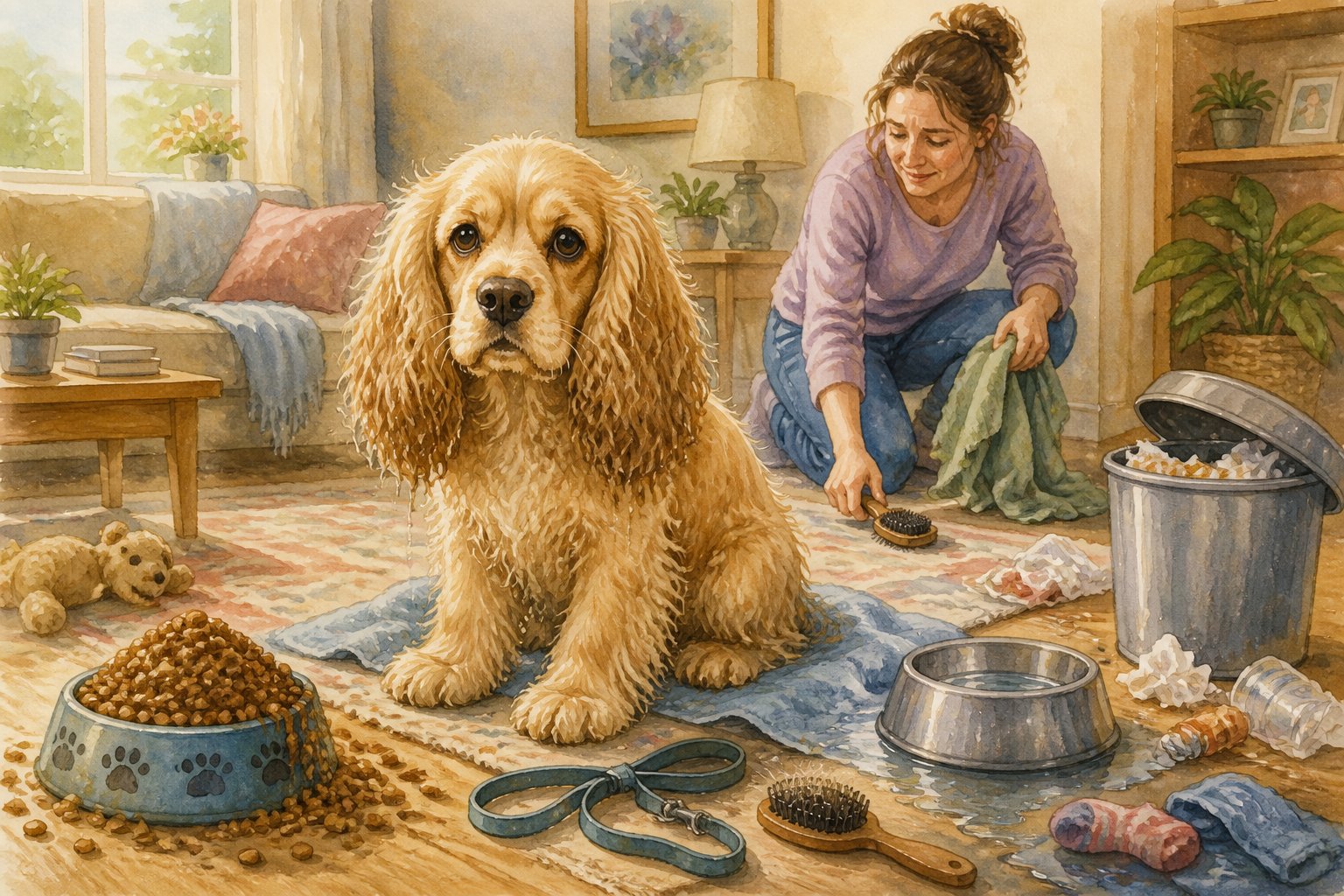
A simple routine protects your dog’s comfort and helps you spot trouble early.
1. Treating Professional Grooming As Optional
An American Cocker Spaniel’s thick, silky coat can mat quickly behind the ears, under the legs, and around the belly. Brushing at home helps, yet it does not replace skilled trimming, nail care, bathing, and coat checks.
You can usually keep the coat manageable with gentle brushing several times each week. A professional groomer can set a practical trim that suits your dog’s lifestyle, especially if your Cocker enjoys muddy walks or swimming.
Mats pull at the skin and trap moisture. They can hide irritation, parasites, or small wounds.
Schedule grooming before the coat becomes difficult to handle. Teach your dog to accept brushing through short, reward-filled sessions.
2. Leaving Your Cocker Alone For A Full Workday
American Cockers were bred to work closely with people, so a full workday alone can create stress, boredom, barking, or destructive habits. You may also see clinginess when you return, which can signal that your dog needs more support.
Arrange a midday dog walker, trusted sitter, daycare, or a family visit when your schedule keeps you away for many hours. Food puzzles, safe chew items, and a calm rest area add enrichment.
Practice short departures and calm returns. A predictable routine, gradual alone-time training, and exercise before you leave can make your dog more comfortable.
3. Skipping Daily Ear Checks And Drying After Baths
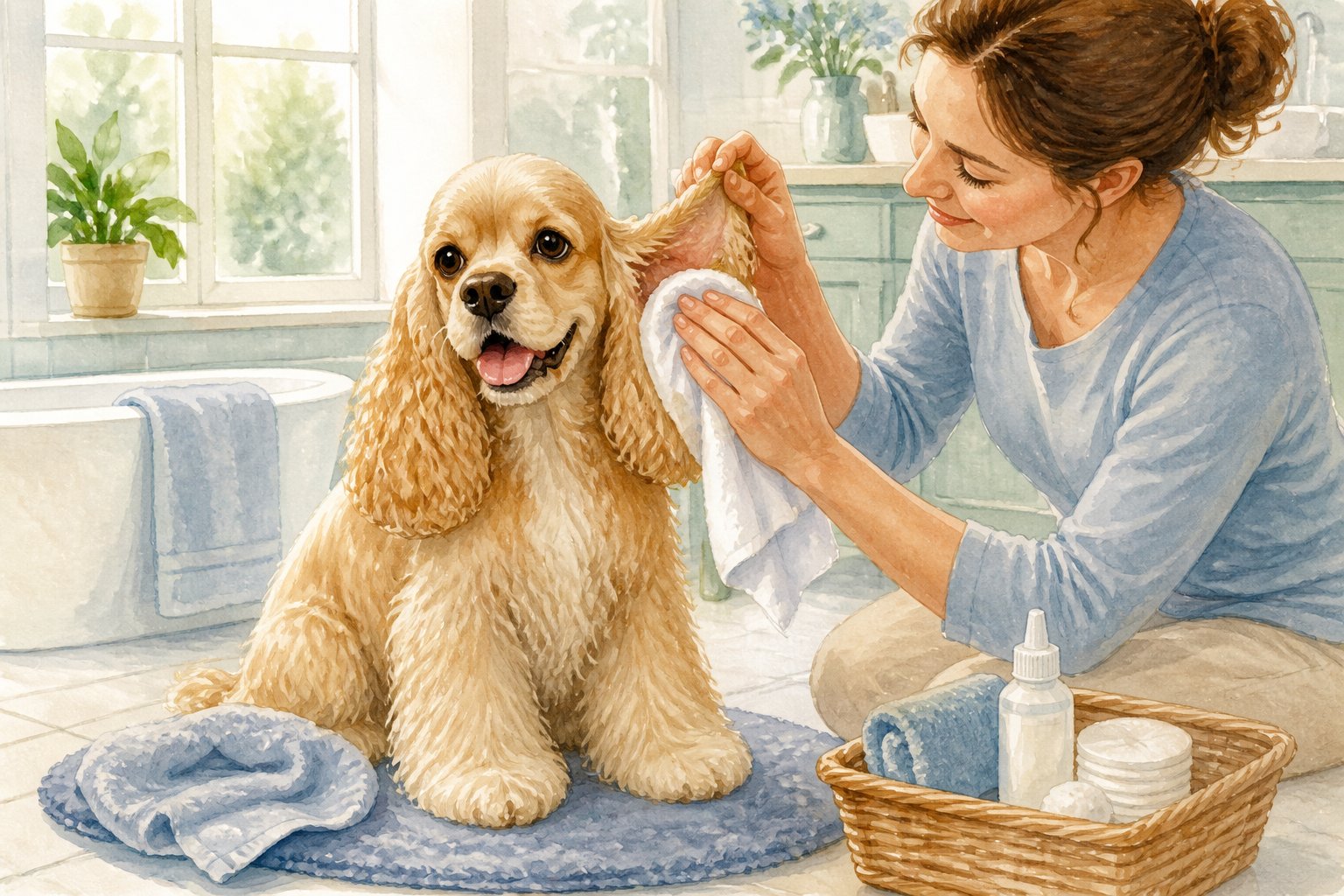
Long, low-set ears reduce airflow and can hold warmth and moisture. Check your Cocker’s ears daily for redness, odor, discharge, swelling, or sudden sensitivity.
These signs deserve a veterinary appointment instead of home treatment. After bathing or swimming, gently dry the outer ear and the areas you can safely reach.
Never push cotton swabs deep into the canal. Ask your veterinarian which ear cleaner fits your dog, because repeated use of the wrong product can irritate delicate skin.
During a quick check, lift each ear flap, look at the skin, and notice any change from normal. Your dog may resist if the process is rushed, so pair gentle handling with treats and stop before your dog becomes upset.
4. Using Harsh Corrections Instead Of Positive Reinforcement

American Cockers often respond well to patient, reward-based training. Shouting, leash jerks, or physical corrections can increase fear and make your dog less willing to listen.
Mark the behavior you want with a calm word, then reward it quickly. Use small treats, praise, toys, or access to a favorite activity.
For example, reward four paws on the floor when greetings become too excited. Keep practice sessions short and repeatable.
If your dog makes a mistake, guide your dog toward an easier choice rather than turning the moment into a confrontation. A qualified trainer who uses humane methods can help with barking, pulling, guarding, or separation distress.
5. Underestimating Their Daily Walk And Sniffing Needs

A quick bathroom trip rarely meets an American Cocker’s physical and mental needs. Your dog benefits from daily movement, purposeful sniffing, play, and short training games that use the breed’s natural interest in exploring scents.
Try a steady walk with time to investigate safe areas instead of rushing every step. Add fetch, gentle retrieving games, food puzzles, or scent searches indoors when weather limits outdoor exercise.
Increase activity gradually, especially for puppies, older dogs, or dogs carrying extra weight. Watch for limping, heavy fatigue, or reluctance to continue.
Your veterinarian can help you choose an exercise plan that protects your dog’s joints and health.
6. Buying A Puppy Without PRA And PFK Health-Test Results

Eye and ear problems are important concerns in American Cocker Spaniels. Progressive retinal atrophy, often called PRA, can cause inherited vision loss.
Phosphofructokinase deficiency, or PFK deficiency, is an inherited condition that can affect red blood cells and exercise tolerance. Before you commit to a puppy, ask the breeder for verifiable parent health-test results and clear explanations of what each result means.
Do not accept vague statements such as “the parents are healthy” as a substitute for records. Ask about eye evaluations, genetic screening, family health history, and the breeder’s plan if a puppy develops an inherited condition.
A responsible breeder welcomes careful questions and gives you time to review documents. A rescue or shelter may not have complete family records, so discuss a pre-adoption veterinary exam and realistic risks.
7. Ignoring Early Socialization Around Noise, Children, And Dogs
American Cocker Spaniels need safe, positive exposure during puppyhood. Without it, ordinary experiences such as vacuum cleaners, traffic, children’s movements, grooming, or unfamiliar dogs can feel threatening.
Introduce new sights and sounds gradually. Keep sessions brief, allow your puppy to retreat, and pair each experience with treats or play.
Avoid forcing contact with people or dogs, since fear can grow when your puppy cannot escape. Choose calm, healthy dogs for controlled meetings, and supervise every interaction with children.
Include gentle handling of paws, ears, mouth, and coat so grooming feels familiar later. Continue social learning beyond puppyhood through varied walks, calm outings, and reward-based practice.
Before You Bring Home An American Cocker Spaniel
Weekly Time And Grooming Commitment
Plan for daily interaction, exercise, training, and quick ear checks. Set aside several brushing sessions each week, plus regular professional grooming.
Your schedule should also include time for appointments, cleaning muddy paws, and helping your dog settle when routines change.
Realistic Annual Budget
Your budget should cover quality food, routine veterinary care, vaccinations, parasite prevention, grooming, training, supplies, and licensing. Keep an emergency fund for unexpected illness or injury.
Pet insurance may help with major costs, depending on the policy’s exclusions and coverage limits.
Questions To Ask A Breeder Or Rescue
Ask about temperament and health history. Inquire about grooming needs and behavior around children and dogs.
Ask about any known allergies or ear problems. For a breeder, request PRA and PFK results and eye records.
Ask for parent information and a written contract. For a rescue, ask what the dog is like when left alone and when handled.
Find out how the dog behaves when walked and introduced to new situations.