The Appenzeller Sennenhund is bright, athletic, watchful, and deeply connected to your daily life. Those traits make your dog an exciting partner for hiking, training, and active family routines.
They can also create problems when you treat this working breed like a low-maintenance companion.
1. Underestimating The Need For Daily Vigorous Exercise
Your Appenzeller Sennenhund needs more than a short walk around the block. This athletic herding breed usually thrives with daily movement that raises its heart rate, such as hiking, running beside you, structured fetch, agility, or long training walks.
When you provide too little activity, you may see chewing, digging, jumping, leash pulling, restless pacing, or nuisance barking. Build activity gradually, especially for puppies and adolescent dogs.
Watch for heat stress, sore feet, and unusual fatigue. Ask your veterinarian for age-appropriate limits.
2. Skipping Structured Mental Work Such As Obedience And Scent Games
Physical activity alone may leave your Appenzeller Sennenhund ready to invent its own job. You can channel that sharp mind through short obedience sessions, scent searches, puzzle feeders, trick training, tracking games, and controlled problem-solving tasks.
Keep sessions brief and rewarding. Five to ten focused minutes can be more useful than a long, repetitive drill that causes frustration.
Rotate activities so your dog learns to think rather than simply repeat familiar motions. Use everyday moments as training opportunities.
Ask for a sit before opening a door, a wait before meals, or eye contact before greeting someone. These small habits give your dog clear direction throughout the day.
3. Letting Herding Nipping Go Uncorrected Around Children And Pets
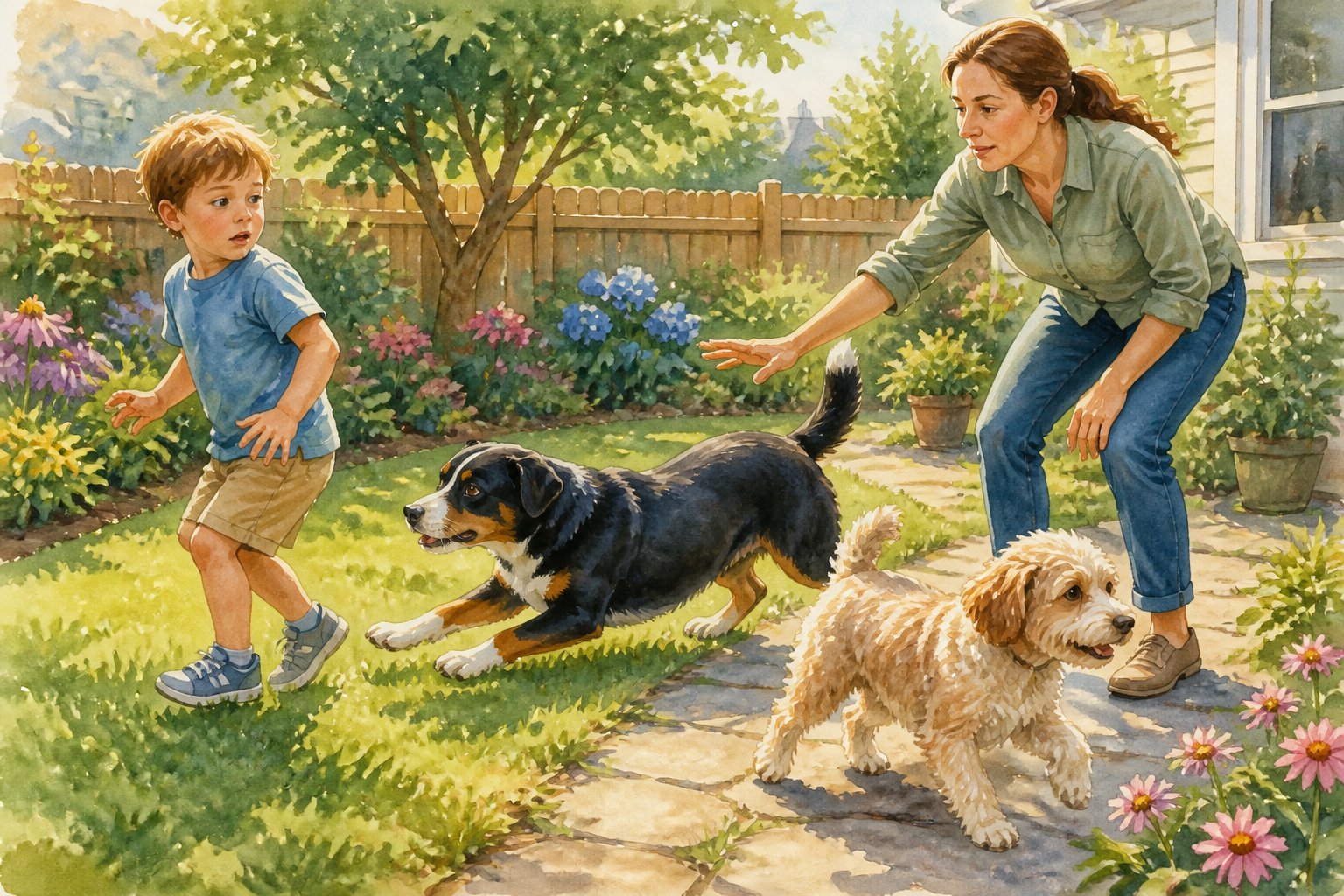
Herding behavior can include chasing, circling, blocking movement, barking, and nipping at heels. Your dog may view running children, cats, or smaller dogs as moving livestock, yet a natural instinct still needs safe limits.
Do not wait for a painful nip before acting. Interrupt calmly, guide your dog to you, and reward a sit, hand target, or mat settle.
Manage the environment with gates, leashes, and separate spaces when excitement rises. Teach children not to run, scream, or wrestle with the dog.
Never leave your Appenzeller Sennenhund unsupervised with a child or small pet, even if previous interactions seemed easy.
4. Failing To Socialize A Naturally Reserved Watchdog Early
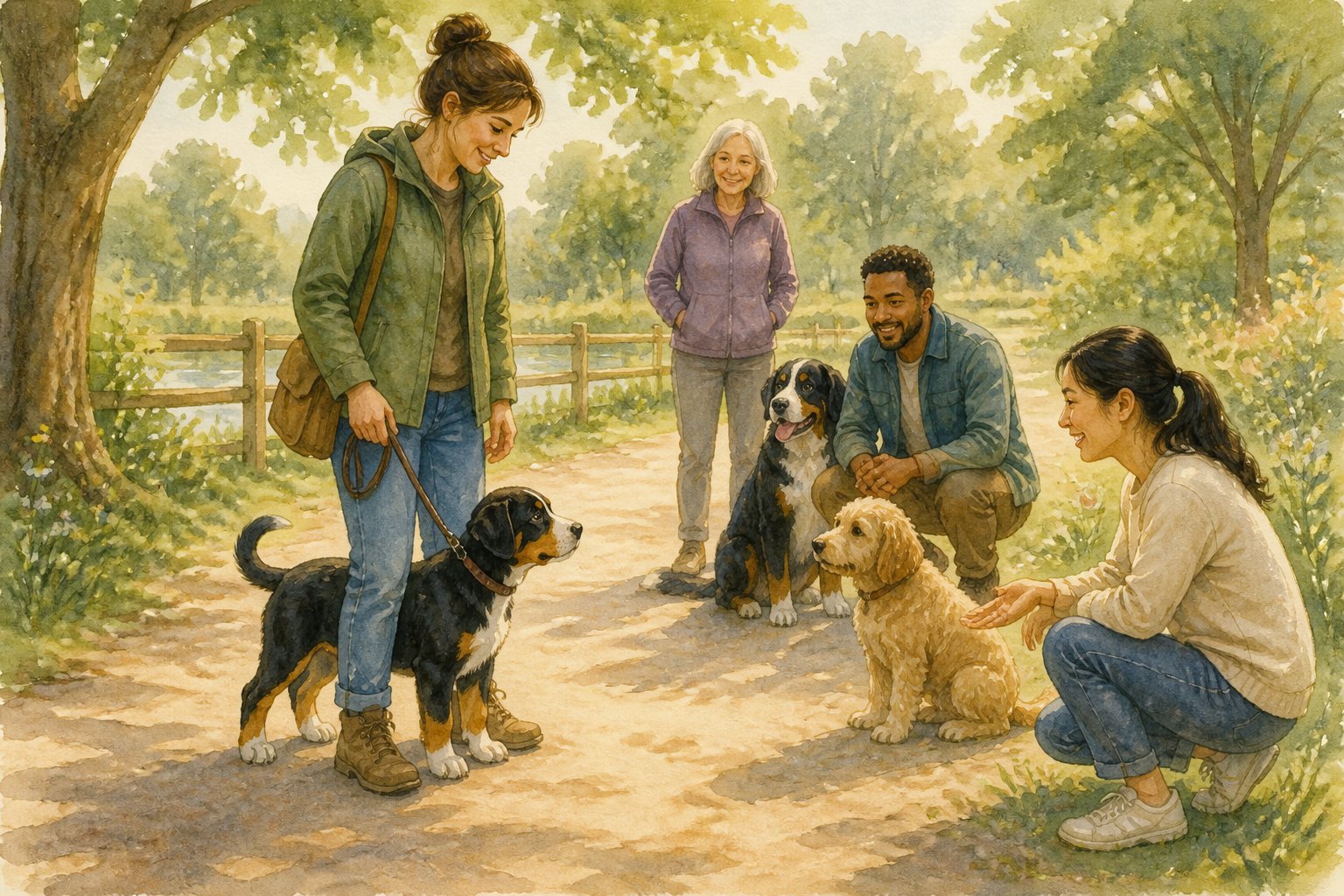
Your Appenzeller Sennenhund may be loyal and reserved with unfamiliar people. Without careful early socialization, that caution can grow into fear, defensive barking, lunging, or avoidance.
Introduce your puppy to people, calm dogs, surfaces, sounds, vehicles, handling, and new places at a pace that keeps the experience positive. You do not need to force greetings.
Allow your dog to observe from a comfortable distance, then reward relaxed behavior. Watch body language closely.
Stiffness, tucked posture, lip licking, hiding, or a hard stare means you should increase distance. A well-run puppy class and reward-based trainer can help you build confidence without overwhelming your dog.
5. Ignoring Alert Barking Until It Becomes A Neighborhood Problem
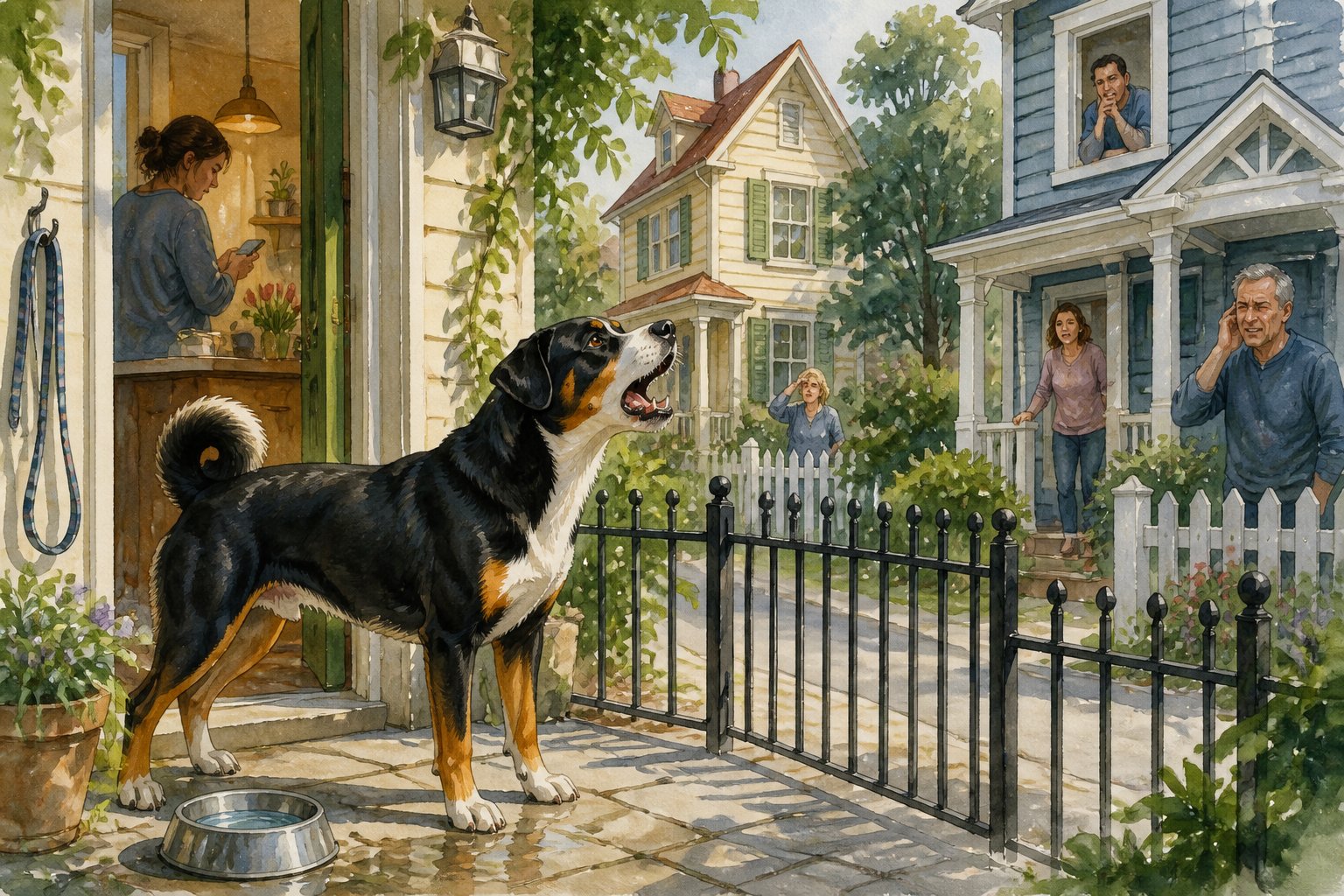
Alert barking is common in a watchful Appenzeller Sennenhund, especially when someone approaches your home. The mistake is allowing repeated barking to become your dog’s normal response to every sound, passerby, or delivery.
Identify triggers and reduce unnecessary rehearsals with window coverings, white noise, fencing, or supervised outdoor time. Teach a quiet cue by rewarding the first pause, then gradually extend the calm interval.
Avoid shouting over the barking. Your dog may interpret your raised voice as joining the alarm.
Thank your dog for alerting you, call it away, and reward calm behavior on a mat or beside you.
6. Expecting Reliable Off-Leash Recall Around Bikes, Cars, And Wildlife
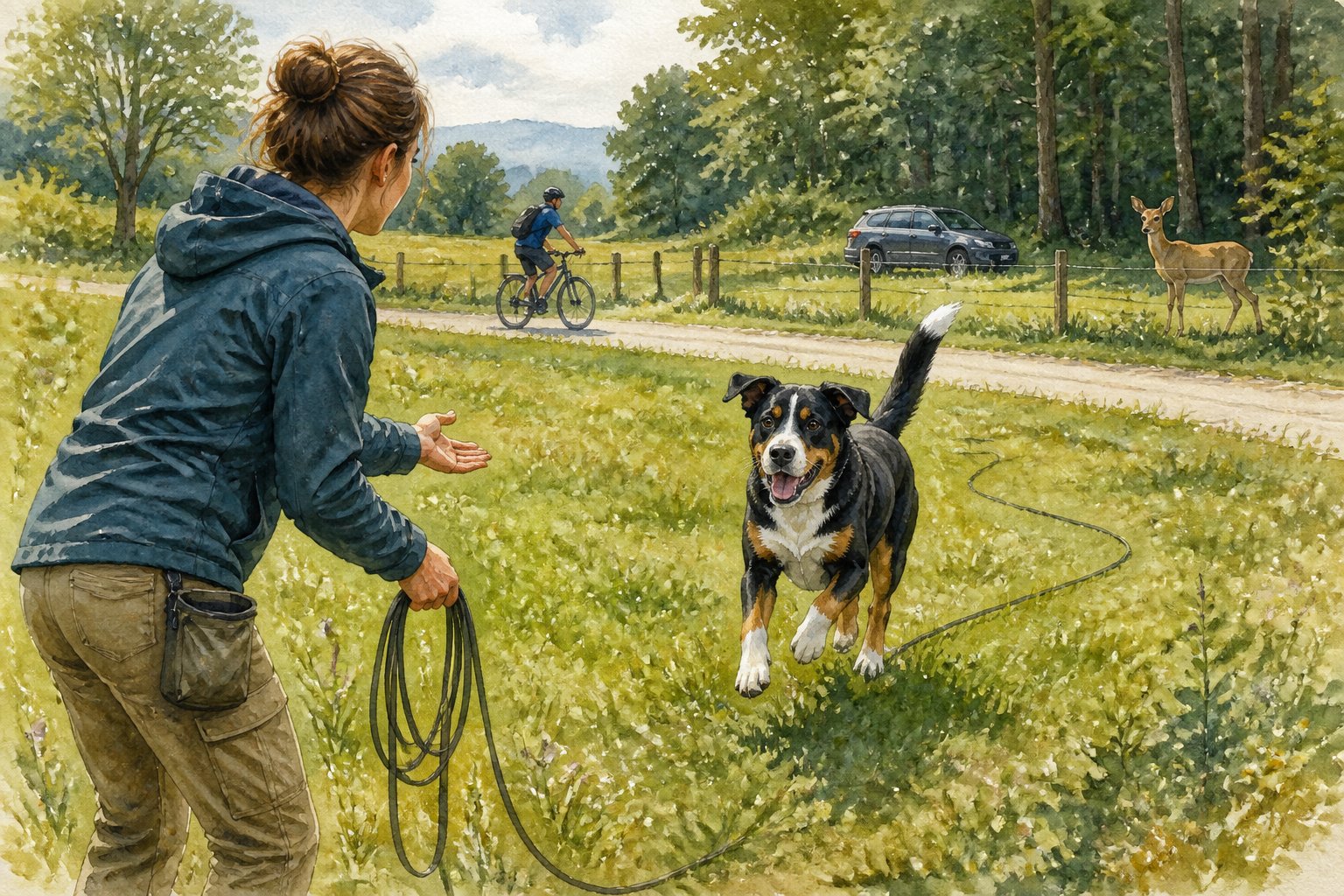
Your Appenzeller Sennenhund may chase fast-moving bikes, cars, wildlife, or unfamiliar animals. A recall that works in your yard can fail when instinct, speed, and excitement take control.
Train recall first indoors, then in a fenced area, and later with a long line in quiet outdoor spaces. Reward every return with something valuable, such as food, play, or permission to resume exploring.
Do not call your dog only to end fun. Use a secure leash near roads, trails with wildlife, and shared paths.
Off-leash freedom should come after repeated success around carefully controlled distractions.
7. Leaving An Attachment-Oriented Appenzeller Alone For Long Workdays
Your Appenzeller Sennenhund often wants to participate in your routines. Long, unplanned absences can lead to barking, destructive chewing, digging, pacing, or separation distress.
Teach independence in small steps. Begin with brief departures, provide a safe resting area, and return before your dog becomes panicked.
Food puzzles, a dog walker, midday exercise, or supervised day care may help, though they do not replace gradual alone-time training. Record your dog occasionally when you leave.
Hidden distress can include nonstop movement, whining, scratching at doors, or refusal to settle. If those signs appear, shorten the absence and contact a qualified behavior professional.
8. Using Inconsistent Rules With A Confident, Independent Dog
Your Appenzeller Sennenhund learns quickly, including which rules you enforce only sometimes. If jumping earns attention on one day and correction on another, your dog has a reason to keep trying.
Choose simple household rules and make sure every person follows them. Reward four paws on the floor, walking beside you, waiting at doors, and settling during meals.
Clear reinforcement usually works better than harsh corrections, which can increase conflict or distrust. Keep cues consistent.
If “off” means get down, do not use it for several unrelated behaviors. A confident dog becomes easier to manage when your expectations are calm, predictable, and practiced every day.
9. Choosing Apartment Living Without A Real Exercise And Barking Plan
An apartment does not automatically rule out an Appenzeller Sennenhund, yet limited space makes your daily plan more important. You need reliable outlets for movement, training, sniffing, and calm recovery.
Schedule exercise before your dog faces long quiet periods. Practice elevator manners, hallway focus, polite greetings, and settling when neighbors pass your door.
Manage window views and outside noises if your dog reacts to them. Consider your building’s rules, nearby walking routes, access to secure running areas, and tolerance for barking.
If your work schedule leaves little time for activity or supervision, a different breed or more support may fit your life better.
10. Overfeeding A Highly Food-Motivated Working Breed
Your Appenzeller Sennenhund may act hungry even after eating enough. Extra treats, large portions, table scraps, and free-feeding can add weight faster than you expect, especially when exercise changes with weather or age.
Measure meals with a standard measuring cup or kitchen scale. Include training treats in the daily calorie budget, and replace some treats with kibble from your dog’s meal.
Check your dog’s body shape and ask your veterinarian to assess weight during routine visits. Keep food secure because a clever, motivated dog may raid counters, bags, or containers.
Healthy portions support easier movement, stamina, and joint comfort throughout your dog’s working life.
Before You Bring Home An Appenzeller Sennenhund
Time, Activity, And Training Commitment
You need a realistic plan for daily exercise, short training sessions, enrichment, grooming, veterinary care, and rest. A fenced yard can help, yet it does not replace your involvement or teach your dog how to behave.
Household, Children, And Other-Pet Compatibility
Discuss supervision, house rules, visitor routines, and safe separation before bringing your dog home. Children need instruction, and smaller pets require careful introductions because chasing and herding can be intense.
Finding A Responsible Breeder And Trainer
Look for a breeder who prioritizes sound temperament, health screening, early handling, and honest placement advice. Arrange reward-based training early, preferably with someone experienced with alert, energetic working dogs.
When To Get Professional Help
Escalating Guarding Or Reactivity
Seek help when barking, staring, lunging, growling, or snapping becomes frequent or harder to interrupt. A qualified, reward-based professional can identify triggers and create a safe behavior plan.
Persistent Separation Distress
Contact your veterinarian and a behavior specialist if your dog panics when alone, damages doors, vocalizes continuously, or cannot settle despite gradual training. Severe distress deserves prompt support rather than punishment.
Nipping, Chasing, Or Unsafe Recall
Get professional guidance when nipping causes injury or chasing targets roads or people. Seek help if recall fails around everyday distractions.
Use management immediately, including secure leashes, gates, and barriers. Rely on controlled introductions while training progresses.