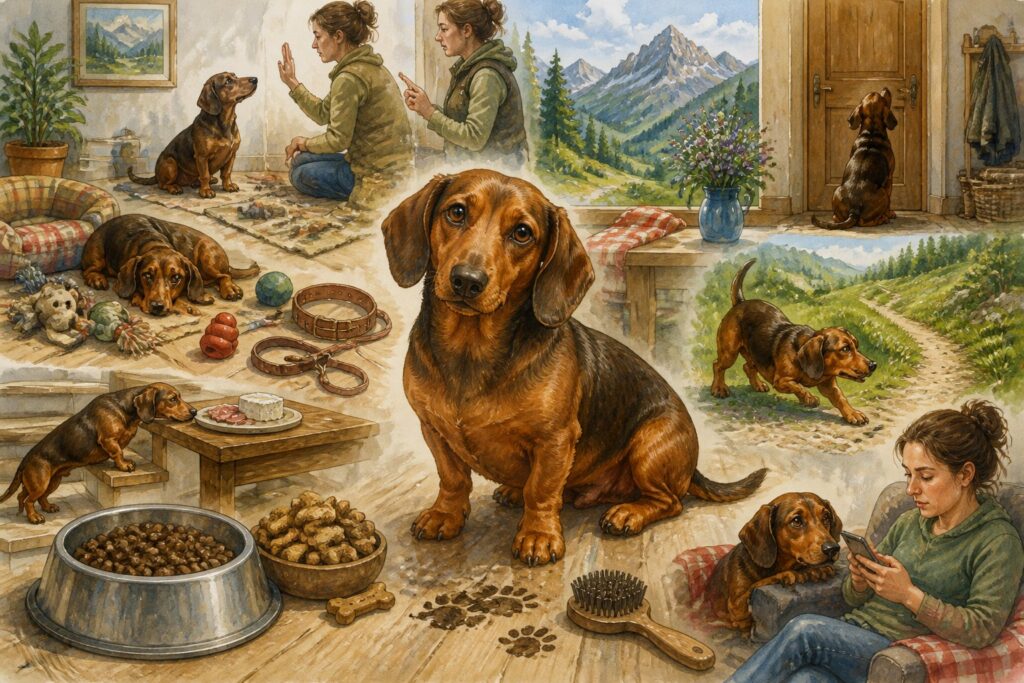
An Alpine Dachsbracke can seem easy to manage because of its compact size, calm affection, and sturdy nature. Yet you live with a tracking hound built to follow scent through rough terrain, so everyday habits can create safety, training, and health problems quickly.
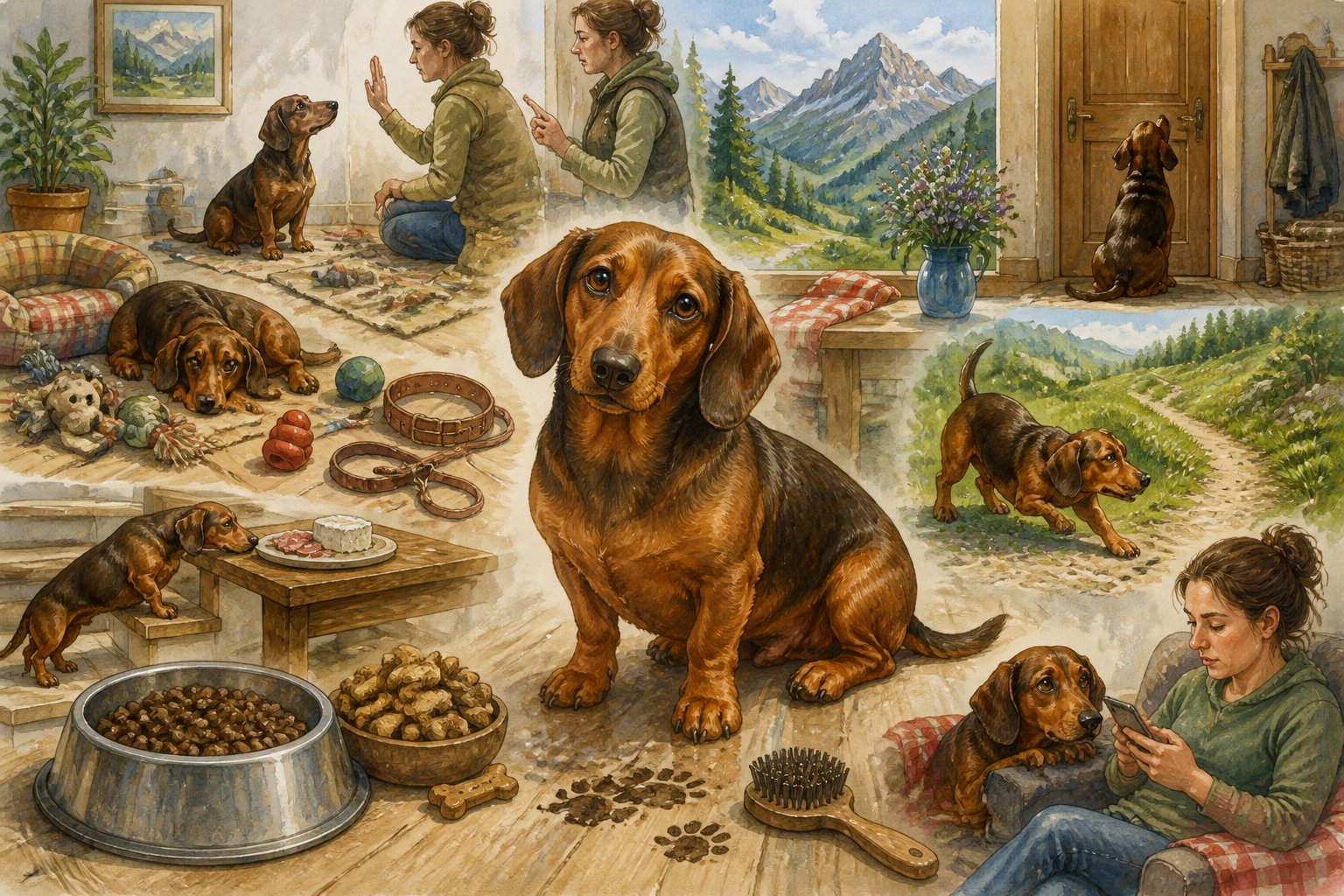
Avoiding these nine common Alpine Dachsbracke owner missteps helps you build safer walks, calmer home behavior, and better long-term fitness.
1. Treating Recall Like It Matters More Than Scent
You may practice recall successfully in your yard, then assume it will work when your Alpine Dachsbracke catches a rabbit or fresh trail. In that moment, scent can become more rewarding than your voice.
Build recall in small steps. Start indoors, move to a fenced area, then use a long line outdoors.
Reward every return with something your dog values, such as cooked meat, a favorite toy, or permission to resume sniffing. Avoid repeating the cue while your dog ignores you.
Instead, shorten the distance, reduce distractions, and make returning consistently worthwhile.
2. Letting An Alpine Dachsbracke Roam Off-Leash In Unfenced Areas
An unfenced field can look safe until your dog locks onto a scent and disappears through brush. Small size does not reduce the risk from roads, wildlife, steep ground, or an unreliable recall.
Use a secure harness and a long line in open areas. Check the line often for tangles, and keep enough distance to prevent sudden stops that could strain your dog’s neck or back.
Off-leash freedom belongs in a properly fenced space unless you have confirmed your dog’s recall under strong distractions. Even then, scan the area before unclipping the leash.
3. Underestimating The Daily Need For Trail Work And Sniffing
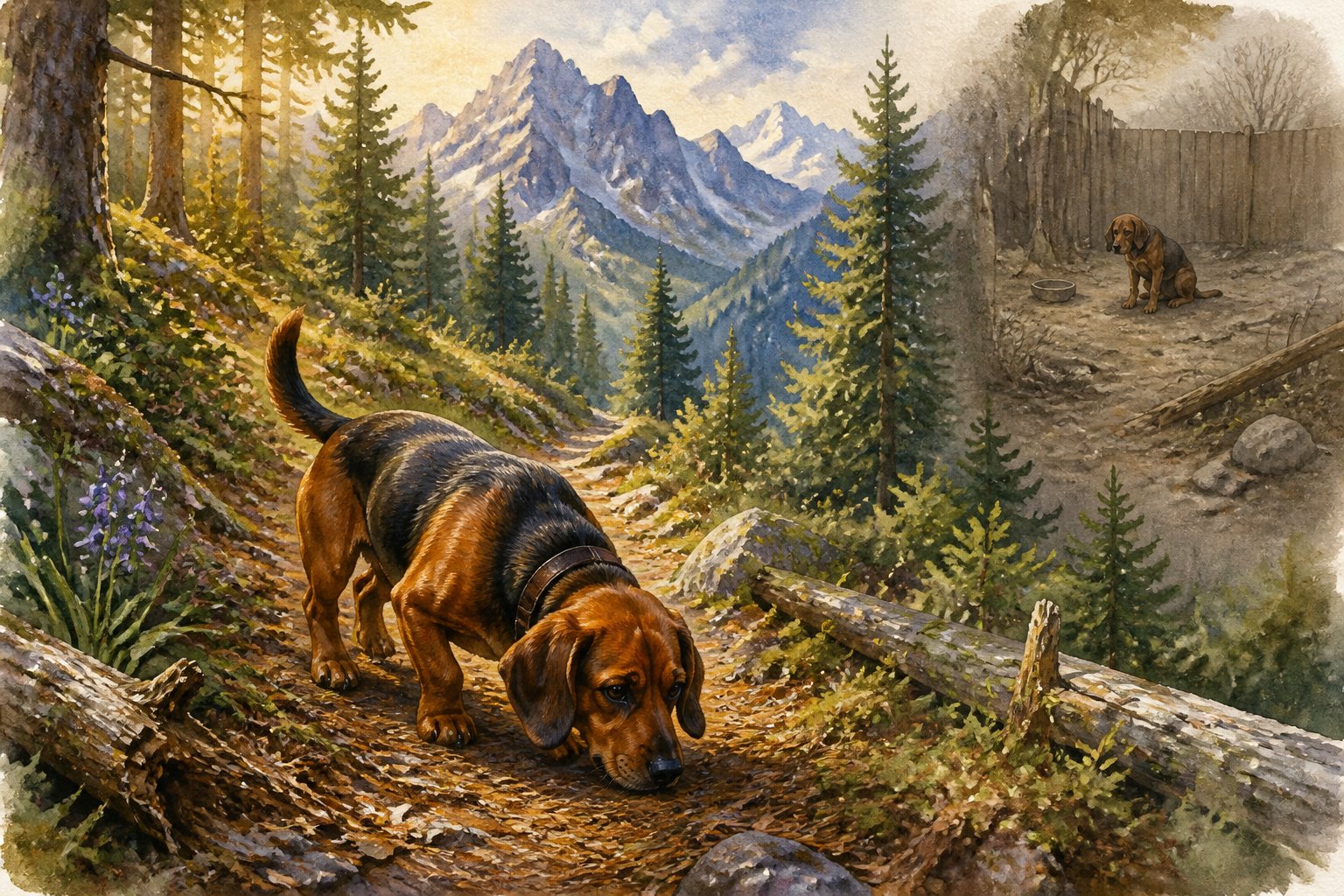
A quick bathroom walk may exercise your legs without satisfying your dog’s working instincts. When scent needs go unmet, you may see pulling, restlessness, barking, or intense interest in every outdoor smell.
Give your Alpine Dachsbracke purposeful sniffing time each day. A 30- to 60-minute outing can include a slow trail walk, short tracking exercises, and brief obedience practice rather than nonstop marching.
You can also hide treats around a room, scatter part of a meal in grass, or lay a simple scent trail with a food reward at the end. Watch for tiredness, sore paws, or heat stress, and adjust the workload to your dog’s age and fitness.
4. Using Harsh Corrections Instead Of Reward-Based Training
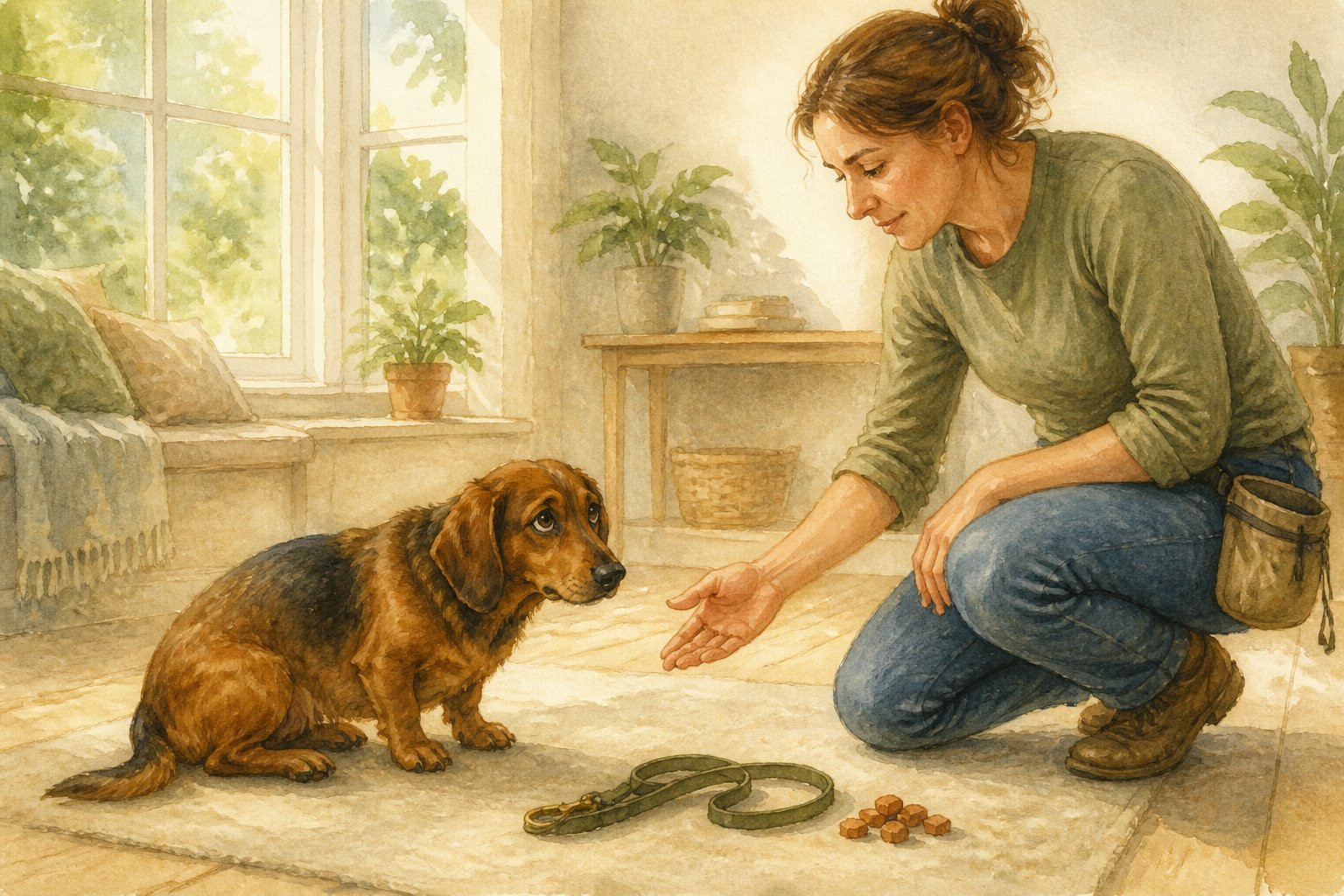
Harsh leash jerks, yelling, or punishment can make your dog worried and less willing to work with you. They also do not remove the scent or prey motivation that caused the behavior.
Use clear cues, quick rewards, and short sessions. When your dog pulls toward a smell, increase distance, wait for a glance back, and reward that choice.
You can then allow a controlled sniff as another reward. Keep rules steady across the household.
Calm repetition works better than an angry reaction, especially with a determined dog that may simply shut down when pressure becomes confusing.
5. Skipping Early Socialization Because The Breed Seems Calm
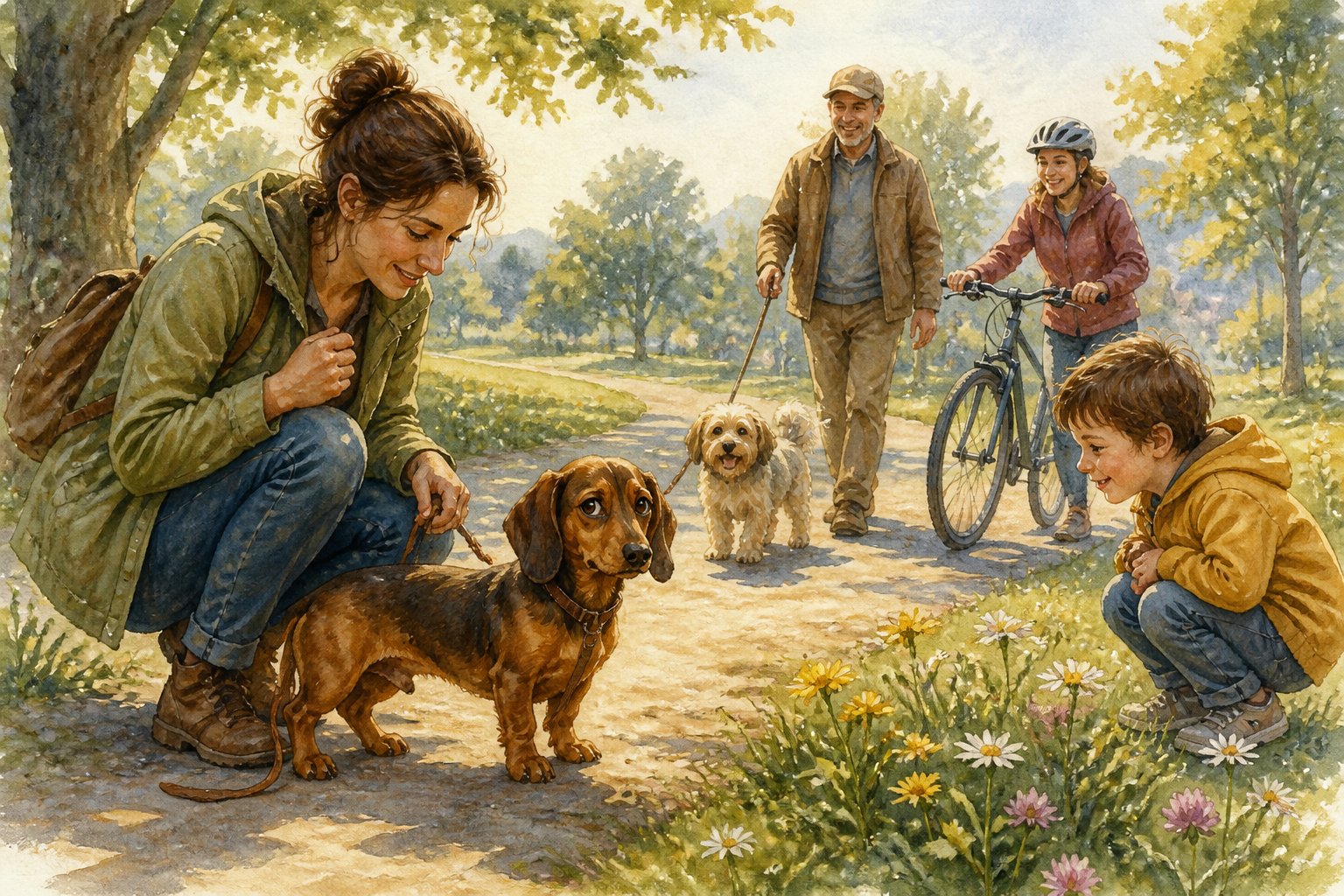
A relaxed puppy still needs safe exposure to people, dogs, sounds, surfaces, vehicles, grooming, and handling. Without that practice, a calm young dog may become wary when unfamiliar situations appear later.
Introduce new experiences gradually. Let your puppy watch bicycles from a comfortable distance, hear household noises at low volume, and meet calm people who avoid crowding or forced contact.
Pair each experience with treats and an easy retreat. Stop while your dog remains comfortable, and ask your veterinarian about safe socialization options during the vaccination period.
6. Ignoring Ear Cleaning After Wet Walks And Field Time
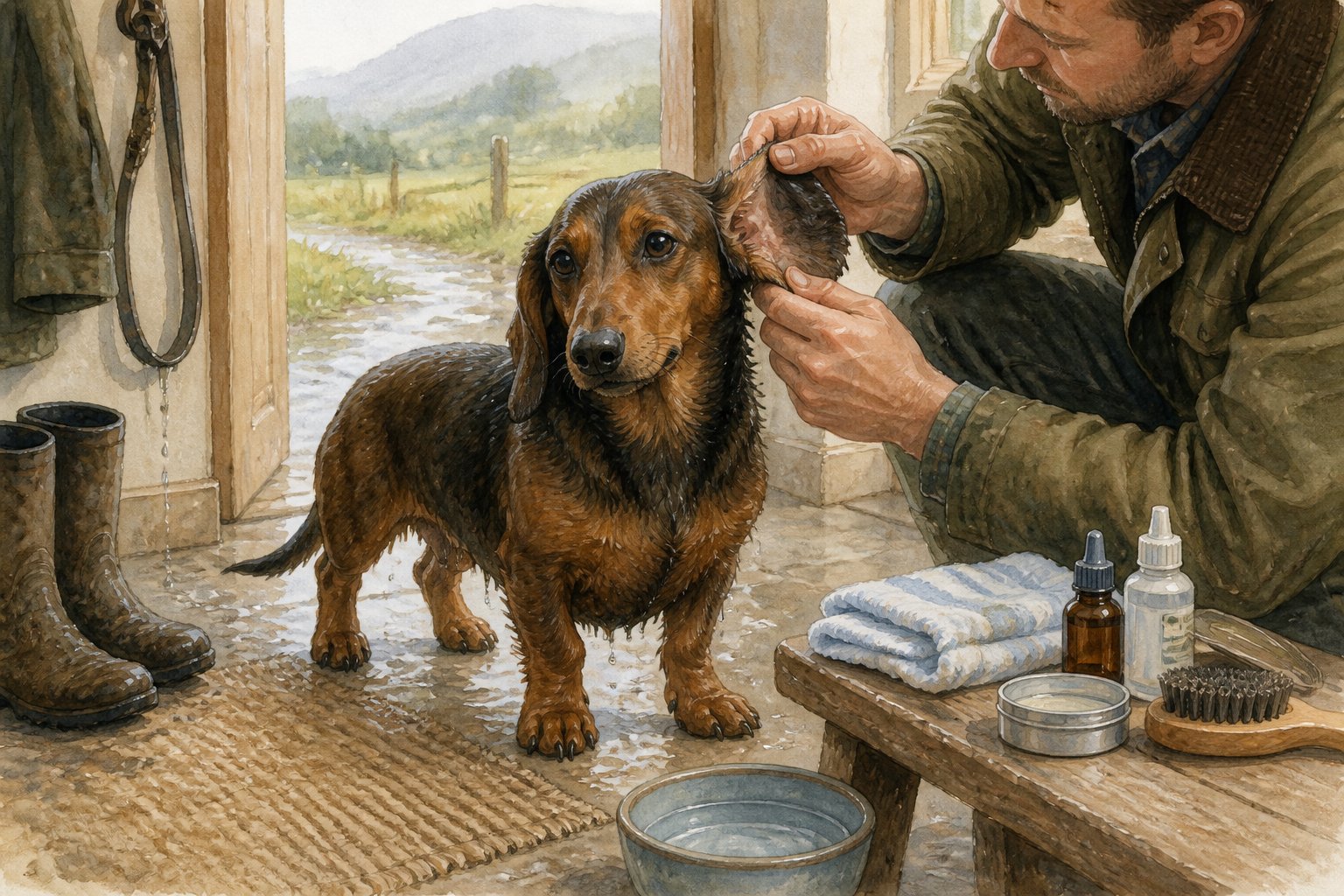
Long, floppy ears can hold moisture, dirt, and plant debris after rain, swimming, or brush-heavy walks. Skipping checks may allow irritation or infection to develop unnoticed.
After wet outings, lift each ear flap and inspect the skin, opening, and visible canal. Dry gently with a soft towel, and remove only debris you can easily reach.
Never push cotton swabs deep into the ear. Redness, swelling, strong odor, discharge, repeated scratching, or head shaking calls for veterinary advice.
Use ear cleaners only when your veterinarian recommends the product and method for your dog.
7. Allowing Weight Gain On A Long, Short-Legged Frame
An Alpine Dachsbracke’s compact, long-backed shape makes extra weight especially unhelpful. Added pounds can increase strain during stairs, jumping, sharp turns, and trail work.
Measure meals rather than filling the bowl by guesswork. Include treats in the daily food allowance, and check your dog’s body every week.
You should be able to feel the ribs under a light layer of fat and see a waist from above. Ask your veterinarian to assess body condition instead of relying only on a scale.
If weight needs to come off, reduce portions gradually and preserve satisfying activities such as scent games and controlled walks.
8. Expecting A Quiet, Low-Prey-Drive Apartment Dog
Apartment living can suit an Alpine Dachsbracke when you provide exercise, sniffing, training, and rest. Problems arise when you expect a small dog to behave like a naturally quiet companion with little interest in outdoor movement.
Plan calm departures, hallway manners, and enrichment before barking or pacing begins. Food puzzles, scent searches, chew items, and scheduled trail walks can help meet daily needs without turning your home into a constant play zone.
Manage prey drive rather than denying it. Use leash control around squirrels and cats, block window triggers when needed, and reward quiet observation.
9. Leaving Children And Dog Interactions Unsupervised
An Alpine Dachsbracke may be affectionate with children, yet any dog can react when startled, cornered, hurt, or bothered while eating. A child’s quick movements and a dog’s hunting instincts can create unsafe moments.
Stay close during interactions, especially with toddlers. Teach children not to pull ears, climb on the dog, hug tightly, disturb sleep, or take food and toys.
Give your dog a gated resting area that children cannot enter. Watch body language such as lip licking, turning away, stiff posture, hiding, or repeated yawning.
Separate everyone calmly when your dog needs space, and do not wait for a growl to take the warning seriously.
How To Set Up A Safer Alpine Dachsbracke Routine
Secure Fencing And Long-Line Management
Inspect fence gaps, loose gates, and areas where your dog could dig or squeeze through. Use a well-fitted harness and long line outside secure boundaries, and keep identification and microchip details current.
Scent Games And Structured Exercise
Schedule a daily mix of sniffing, walking, training, and rest. Rotate simple searches, food scatters, tracking lines, and short obedience drills so your dog works both body and mind.
Positive Reinforcement And Consistent Boundaries
Reward behaviors you want repeated, including coming when called, settling on a mat, waiting at doors, and walking with a loose leash. Keep cues and household rules consistent so your dog does not have to guess what earns success.
Health And Care Checks To Keep On Schedule
Weight And Body-Condition Monitoring
Check your dog’s ribs, waist, and abdominal tuck weekly, and record weight at regular veterinary visits. Adjust food, treats, and activity with professional guidance when body condition changes.
Ear, Paw, And Coat Inspections
Look at ears after wet outings and examine paws for cracks, cuts, packed mud, or thorns after trail work. Brush the short coat as needed and check for ticks after time in grass or woods.
Back-Safe Home And Vehicle Habits
Limit repeated jumping from furniture, beds, and vehicle cargo areas.
Use ramps or steps with secure footing. Support your dog when lifting.
Keep stairs controlled when your dog is tired or carrying extra weight.