
Bearded Collies are bright, athletic herding dogs with shaggy double coats and a strong need for companionship. Their playful nature can make them easy to love, yet their care routine requires more than food, walks, and occasional brushing.
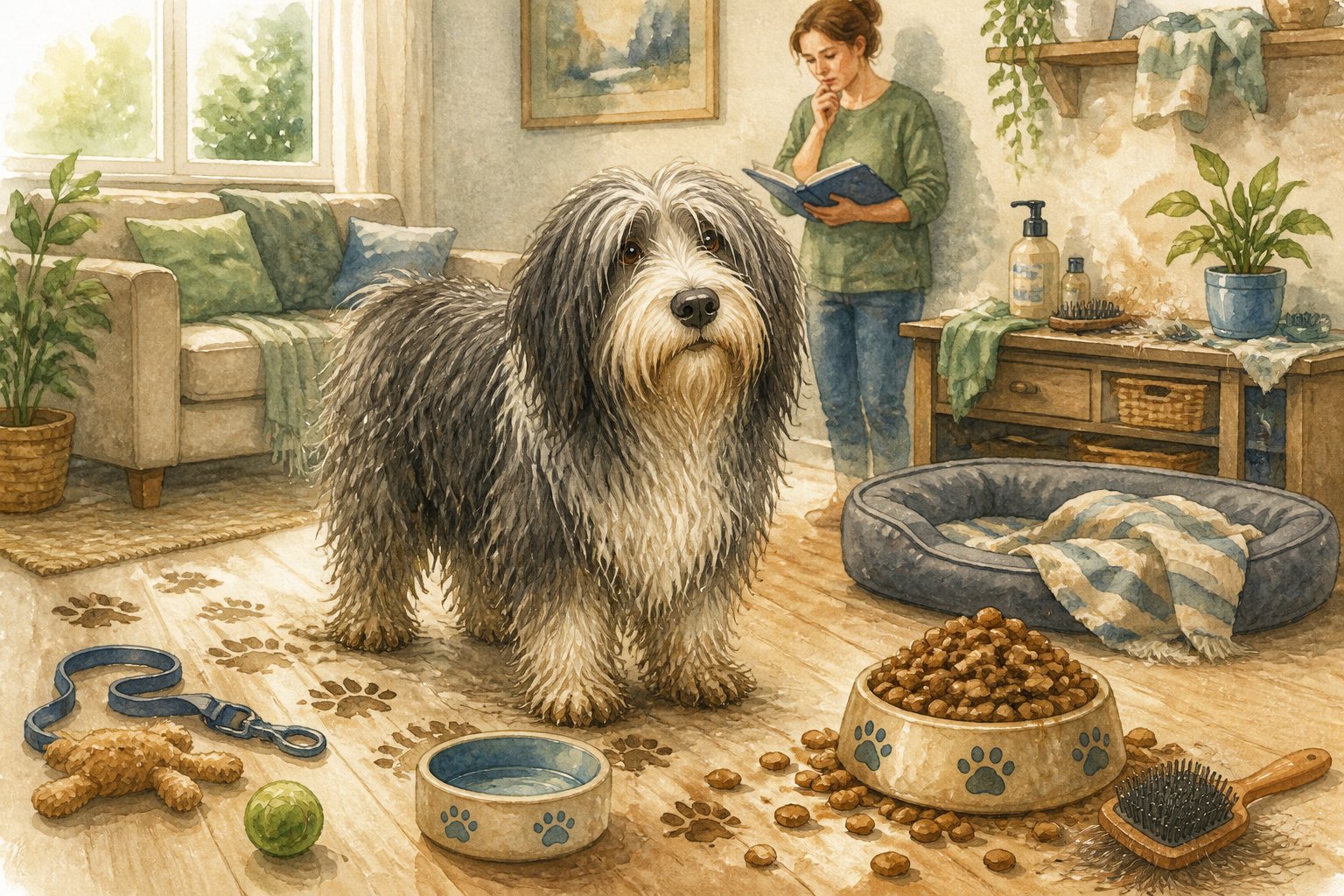
You can prevent many common Bearded Collie problems by providing daily exercise, reward-based training, regular grooming, health screening, and prompt veterinary care. The following owner errors are easy to miss, especially during busy workweeks.
1. Underestimating Daily Physical And Mental Exercise Needs
A Bearded Collie usually needs more than a short neighborhood walk. This energetic Scottish herding breed benefits from daily movement combined with problem-solving activities, such as scent games, trick training, puzzle feeders, hiking, or agility exercises.
When exercise is too limited, you may see barking, chewing, digging, jumping, or restless evening behavior. Instead, divide activity into manageable sessions and include both physical play and focused training.
Watch your dog’s body language and recovery time. Puppies need controlled activity while their joints develop, and older dogs may benefit from low-impact walks, swimming, and veterinarian-approved conditioning.
2. Skipping Early Training For Herding, Chasing, And Nipping
Bearded Collies were bred to move livestock, so chasing motion, circling, vocalizing, and heel-nipping can appear in family life. Allowing these behaviors during puppyhood can make them harder to manage around children, joggers, visitors, and other pets.
Start with short, reward-based sessions. Teach attention, hand targeting, “leave it,” “drop it,” calm greetings, and a strong response to your name cue.
Redirect ankle-nipping to a toy, then reward four paws on the floor. Avoid chasing your puppy or using harsh corrections.
Clear limits, frequent rewards, and consistent responses help your Beardie learn which herding behaviors are acceptable and which are not.
3. Letting The Double Coat Mat Before Brushing It
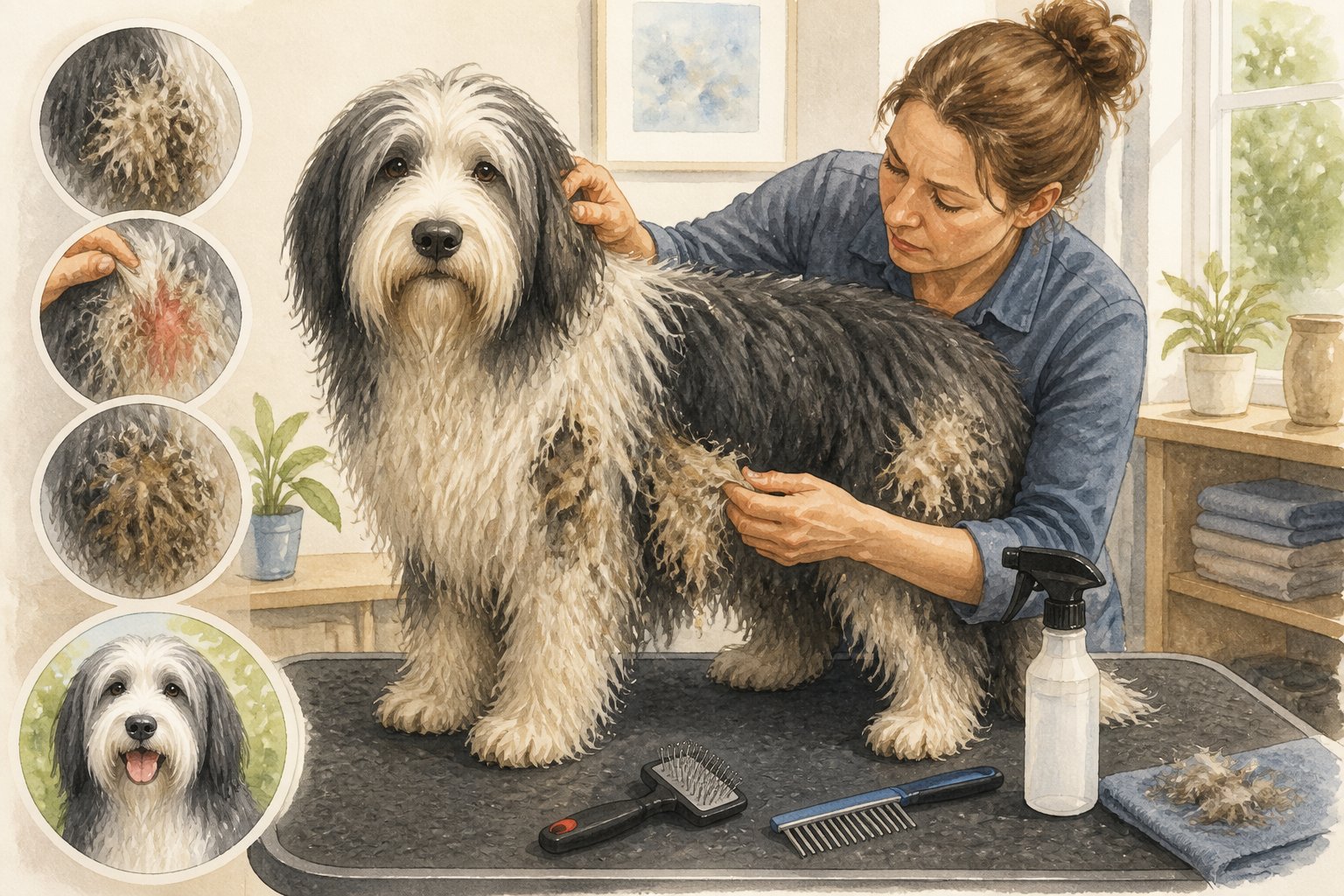
A Bearded Collie’s long outer coat and soft undercoat can hide mats close to the skin. Wet weather, burrs, harness friction, and loose undercoat can turn a small tangle into a painful patch quickly.
Brush in sections, working from the skin outward with a pin brush and metal comb. Pay close attention to the ears, beard, chest, armpits, belly, tail, and areas behind the legs.
Separate small tangles with your fingers instead of pulling hard. A full brushing session may take time, so make it easier with treats and breaks.
If mats are tight against the skin, ask a professional groomer for help. Cutting blindly with scissors can cause serious skin injuries.
4. Buying From A Breeder Without Hip, Eye, And DNA Health Testing
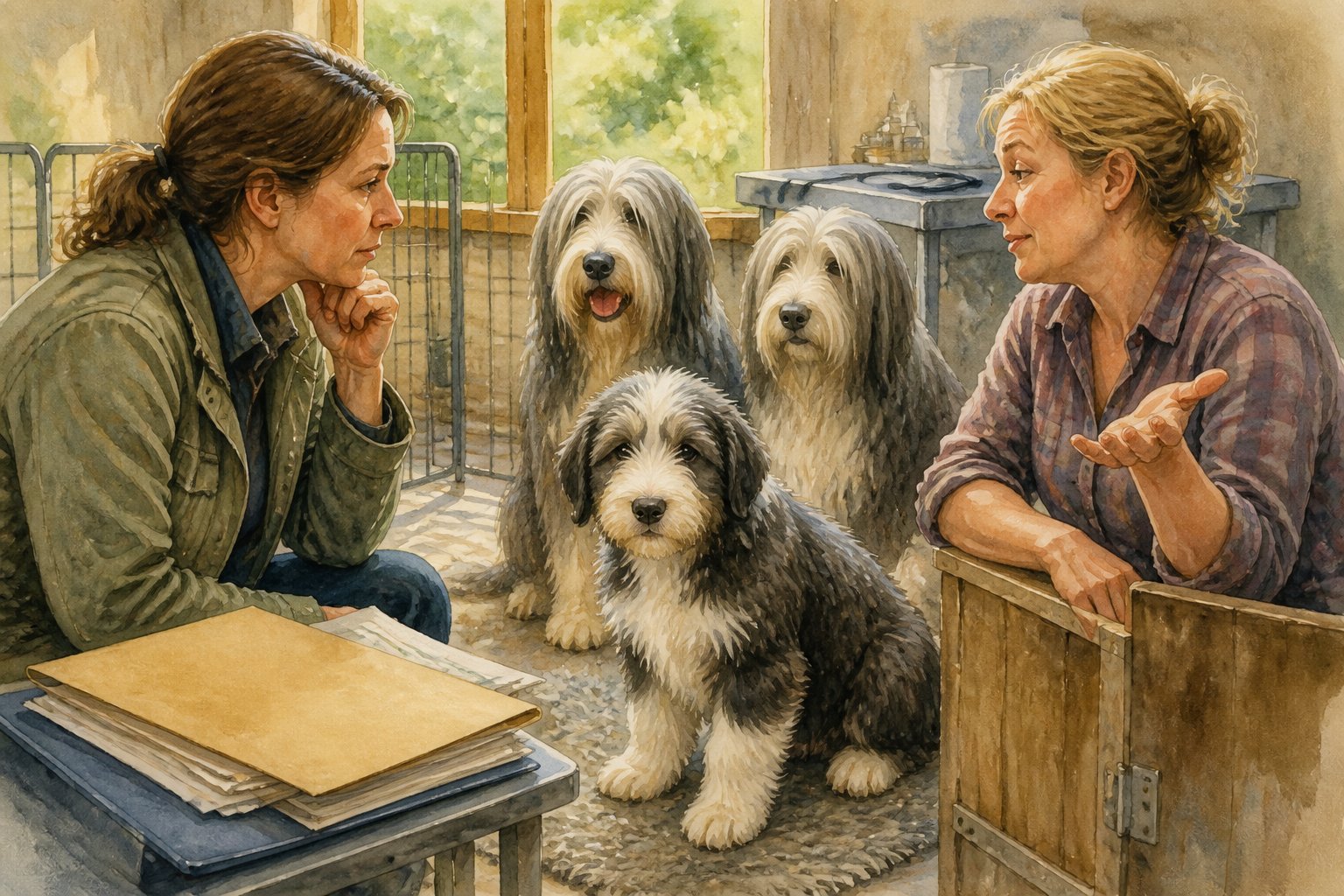
A friendly puppy and a clean kennel do not prove that a breeding program is responsible. Before you commit, ask for verifiable health records for both parents and learn which conditions have affected close relatives.
For Bearded Collies, discuss hip evaluations, ophthalmic eye exams, and breed-relevant DNA testing with the breeder and your veterinarian. Testing does not guarantee a completely healthy puppy, yet it can reduce avoidable genetic risk and improve your ability to plan care.
A responsible breeder should explain results clearly, provide a contract, answer questions, and allow you to meet the dam when possible. Be cautious if you face pressure to pay quickly, vague health claims, missing records, or a refusal to discuss family medical history.
5. Missing Subtle Signs Of Addison’s Disease
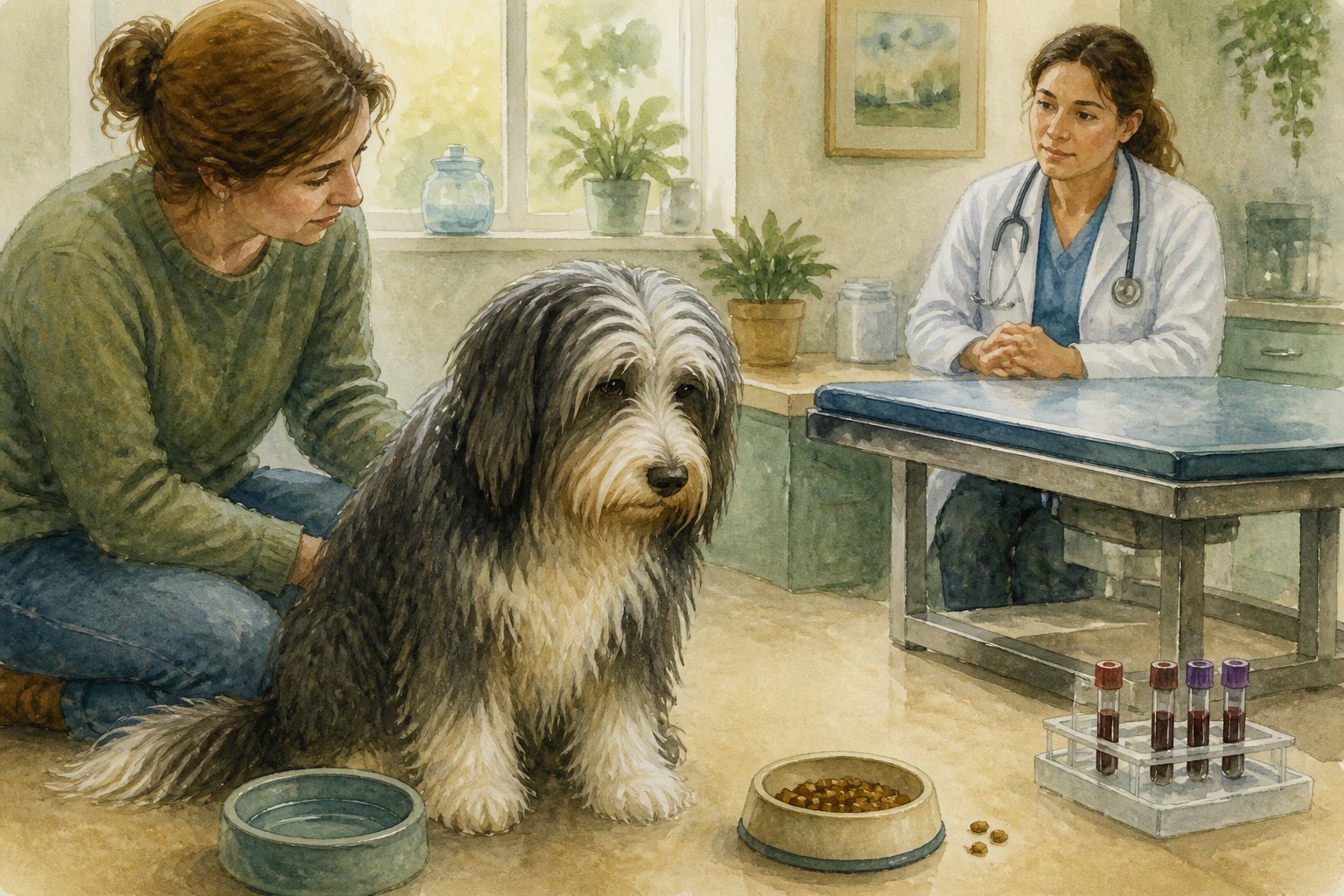
Addison’s disease, or hypoadrenocorticism, can begin with signs that seem minor. You may notice reduced appetite, tiredness, vomiting, diarrhea, weight loss, increased thirst, or episodes that improve and then return.
Do not assume repeated stomach upset is simply a sensitive digestive system. Keep a record of symptoms, appetite, water intake, medications, and stressful events, then share it with your veterinarian.
Blood tests and hormone testing may be needed to investigate adrenal function. A sudden collapse, severe weakness, repeated vomiting, bloody diarrhea, pale gums, or extreme dehydration can signal an Addisonian crisis.
Treat those signs as an emergency rather than waiting for a routine appointment.
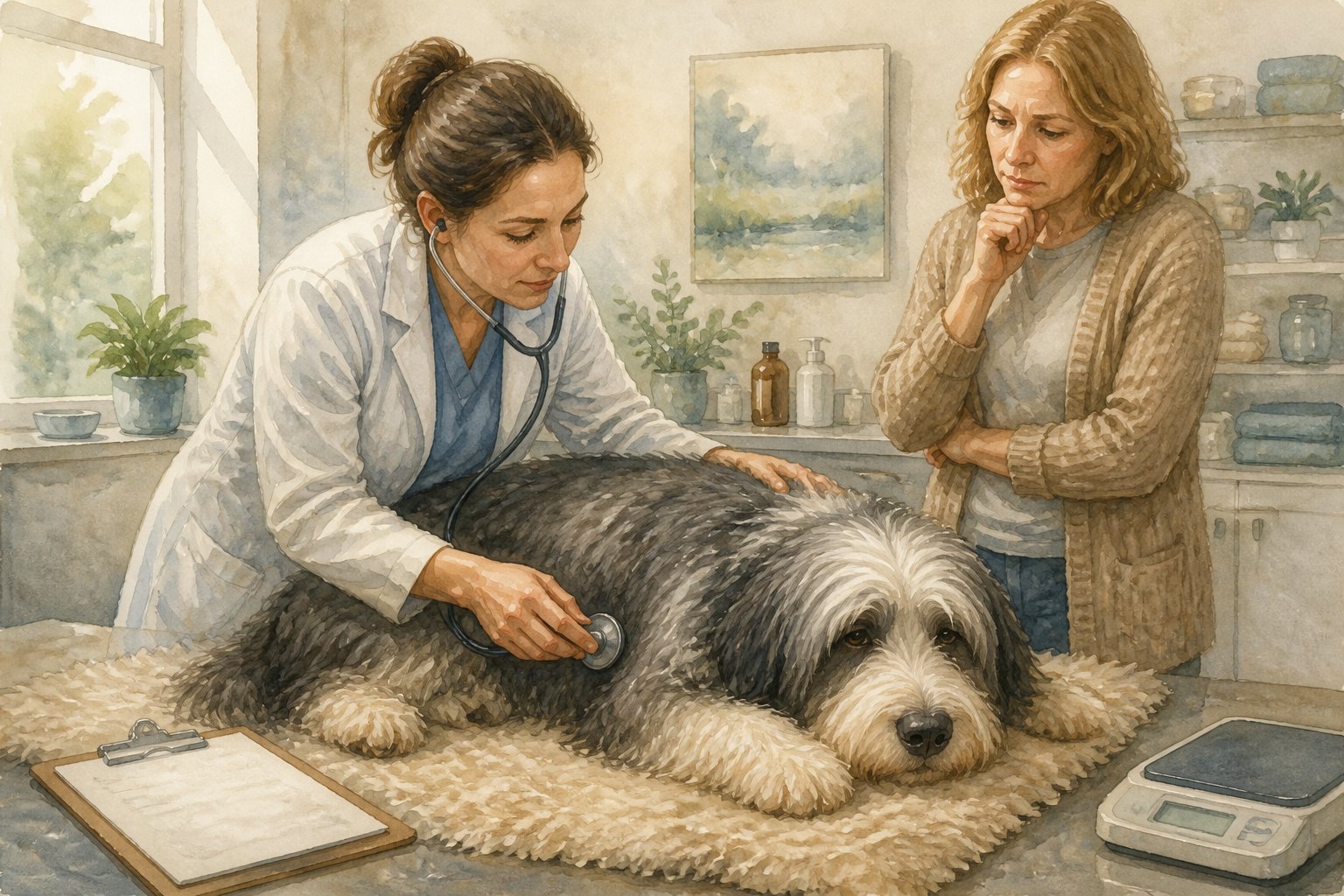
6. Assuming Lethargy Or Weight Gain Is Just Aging Instead Of Checking Thyroid Health
A slower pace can be normal in a senior Beardie, yet marked fatigue, unexplained weight gain, cold-seeking behavior, dry coat, hair thinning, or recurring skin and ear problems deserve attention. Hypothyroidism is one possible cause, along with pain, obesity, heart disease, medication effects, or other illness.
Track your dog’s weight and activity instead of judging changes only by appearance. Ask your veterinarian whether a physical exam and appropriate blood testing are needed.
Thyroid results require careful interpretation because illness and some drugs can affect values. Do not start supplements or reduce food sharply without guidance.
A safe plan combines diagnosis, measured portions, suitable exercise, and treatment when prescribed.
7. Ignoring Limping, Bunny-Hopping, Or Reluctance To Jump
Limping, stiffness after rest, a bunny-hopping gait, difficulty climbing stairs, or reluctance to jump can point to hip dysplasia, arthritis, muscle strain, or another orthopedic problem. Dogs often hide pain, so a small change in movement matters.
Record a short video of the behavior at home, where your dog may move more naturally. Contact your veterinarian if lameness lasts more than a brief period, keeps returning, or affects normal activity.
Seek prompt care for severe pain, swelling, inability to bear weight, or an injury. Keep your Beardie lean, use traction on slippery floors, and avoid forcing high-impact exercise during a painful episode.
Never give human pain medication unless a veterinarian specifically directs you.
8. Leaving A Beardie Bored And Alone For Long Workdays
Bearded Collies form strong bonds with their people, and long stretches of isolation can create frustration or separation-related behavior. Chewed doors, repeated barking, pacing, accidents, and destructive digging may reflect unmet social and mental needs rather than disobedience.
Before leaving, provide a sniff walk, a safe food puzzle, and a comfortable rest area. Rotate enrichment so the activities stay interesting.
A midday dog walker, trusted sitter, daycare trial, or neighbor visit may help on especially long days. Build alone time gradually, rewarding calm behavior rather than making departures dramatic.
If your dog panics, drools heavily, attempts escape, or cannot settle, ask a qualified behavior professional and veterinarian for a tailored plan.
9. Failing To Teach A Reliable Recall Around Bikes, Cars, And Wildlife
A Beardie that races after squirrels, bikes, or wildlife can reach danger before you can react. A recall practiced only indoors is not reliable enough for parks, trails, or open fields.
Begin in a quiet area with high-value rewards. Say your recall cue once, move backward, and reward your dog generously for turning toward you.
Add distance and distractions slowly, using a long line until the response is dependable. Never call your dog only to end fun, deliver medication, or scold.
Practice an occasional recall, reward it, then release your dog to play again. Near roads or unpredictable wildlife, use a secure leash regardless of training progress.
10. Treating Puppy Socialization As Casual Dog-Park Exposure
Socialization means teaching your puppy to feel safe and confident around many people, surfaces, sounds, handling routines, vehicles, and calm dogs. A busy dog park can overwhelm a young Beardie and does not replace controlled experiences.
Introduce new situations gradually. Pair umbrellas, grooming tools, children at a distance, elevators, traffic sounds, and veterinary handling with treats.
Let your puppy observe without forcing contact or flooding them with stimulation. Choose clean, supervised puppy classes and stable adult dogs for early play.
Follow your veterinarian’s advice about vaccination protection before visiting high-traffic dog areas. Reward calm investigation, easy recovery, and checking in with you.
11. Overlooking Routine Eye, Ear, Paw, And Skin Checks
Your Beardie’s coat can conceal redness, parasites, sores, dampness, and developing mats. During weekly handling, look at the eyes, ears, teeth, paw pads, nails, skin, and coat.
Watch for squinting, cloudiness, discharge, head shaking, odor, itching, hair loss, cracked pads, swollen toes, or painful nails. Regular nail trims and careful drying after wet walks can prevent small problems from becoming painful.
Teach handling with short, positive sessions. Do not put cotton swabs deep into the ear canal or use leftover medication.
New or persistent changes need veterinary advice, especially when your dog seems painful or vision appears affected.
When To Call A Veterinarian
You should call your veterinarian when a change is persistent, recurring, painful, or different from your Beardie’s normal behavior. Emergency signs require immediate veterinary attention rather than home monitoring.
Possible Addisonian Crisis Symptoms
Collapse, severe weakness, repeated vomiting, profuse diarrhea, dehydration, shaking, pale gums, or unusual unresponsiveness can indicate a serious adrenal crisis. Keep your dog calm and seek emergency care promptly.
Mobility Changes That Need Prompt Assessment
Sudden lameness, inability to stand, severe stiffness, yelping, a swollen joint, or refusal to bear weight needs prompt evaluation. Repeated bunny-hopping, difficulty rising, or reluctance to use stairs also deserves a scheduled examination.
Vision And Eye Warning Signs
Squinting, sudden cloudiness, unequal pupils, eye pain, redness, swelling, discharge, or bumping into objects can threaten vision. Avoid using human eye drops unless your veterinarian approves them.
Persistent Digestive Or Skin Problems
Repeated vomiting, diarrhea, appetite loss, weight loss, intense itching, recurring ear infections, or nonhealing skin lesions should not be dismissed. Bring symptom notes, diet details, and medication information to the appointment.
Building A Realistic Bearded Collie Care Routine
A practical routine prevents small oversights from becoming major problems. Adjust it for your dog’s age, health, coat, temperament, and daily schedule.
Daily Exercise And Enrichment
Plan movement plus mental work each day. Use walks, sniffing, training games, food puzzles, fetch, and supervised play rather than relying on one exhausting outing.
Weekly Grooming And Body Checks
Brush thoroughly, check common matting areas, inspect paws and nails, and examine ears, eyes, skin, and teeth. Daily coat checks are useful during shedding seasons or after outdoor adventures.
Preventive Veterinary Care
Keep vaccinations, parasite prevention, dental care, weight checks, and wellness exams current. Discuss breed-related screening, senior blood work, thyroid concerns, eye health, and any change in behavior or movement.
Training Consistency For The Whole Household
Use the same cues, boundaries, rewards, and leash rules. When every person responds consistently, your Bearded Collie learns faster and has fewer chances to practice unwanted behaviors.