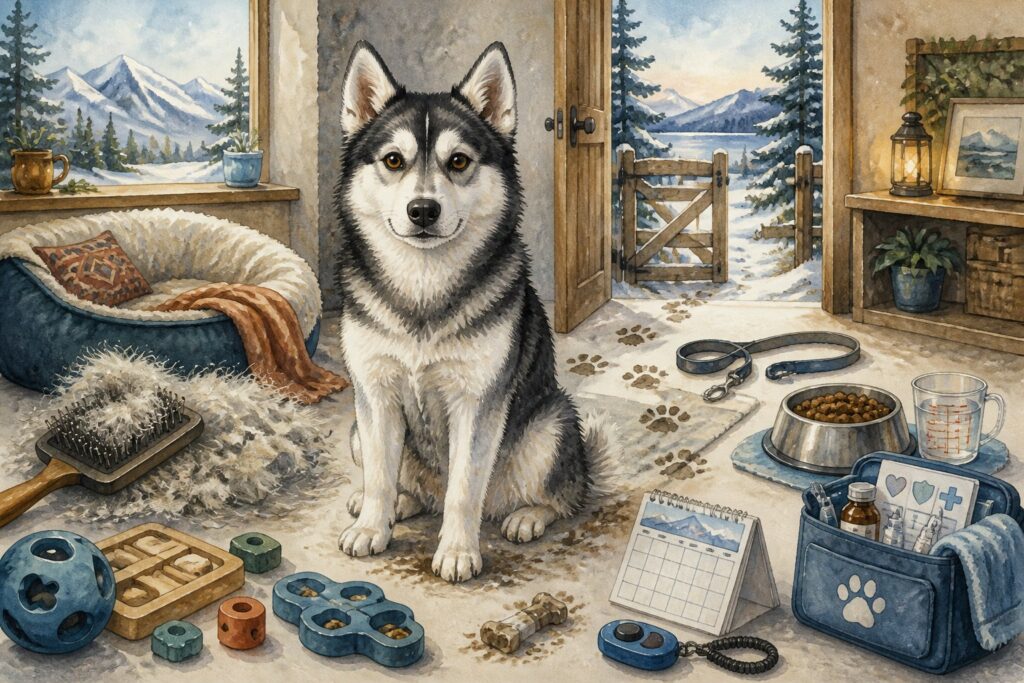
Your Alaskan Klee Kai may be small, yet you still need to meet the needs of an alert, intelligent, active companion. Many owner problems begin with simple choices, such as delaying socialization, allowing leash pulling, or giving too much freedom too soon.
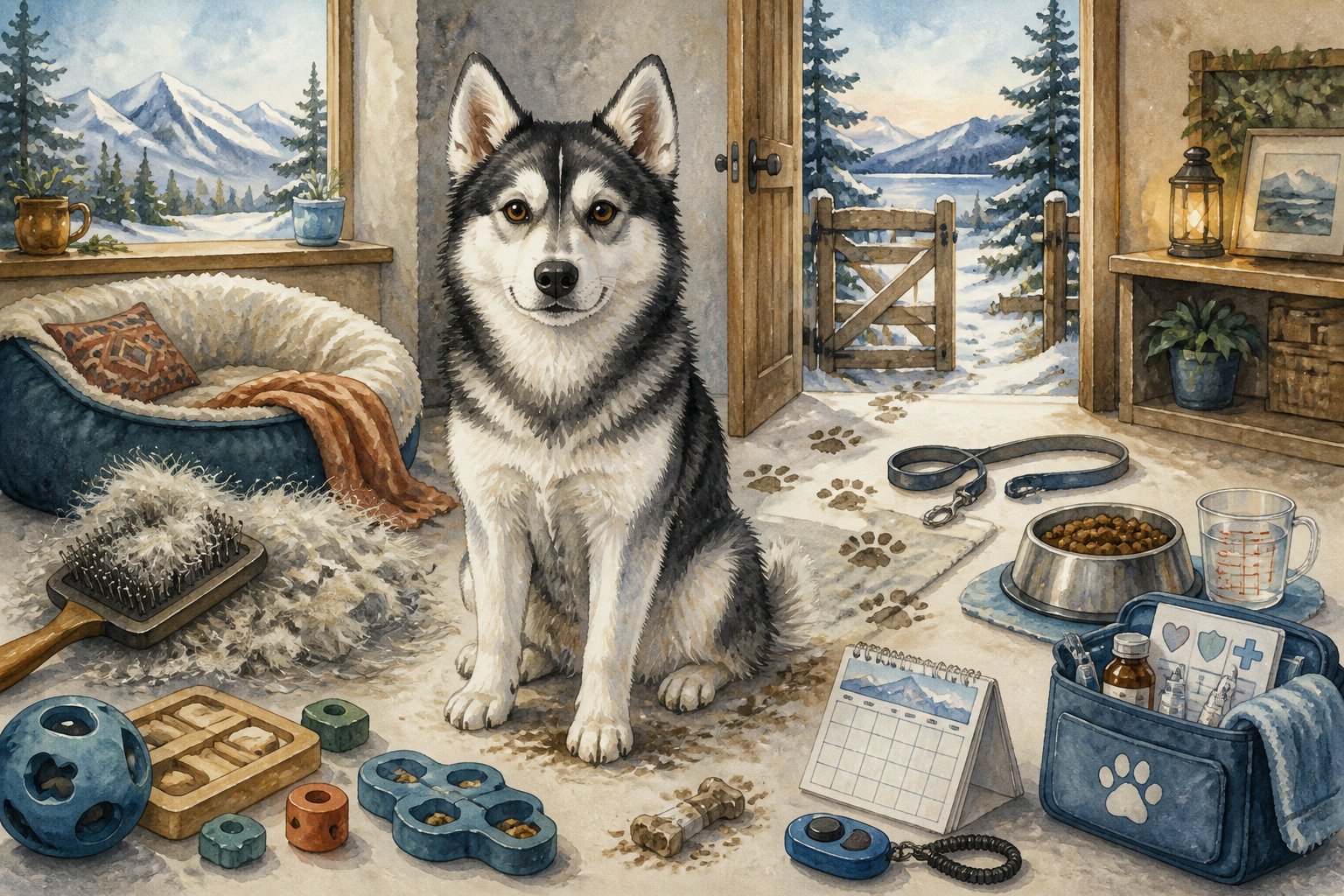
Small daily habits shape your dog’s confidence and behavior far more than occasional intense training sessions.
1. Delaying Puppy Socialization Beyond The Early Window
Your puppy’s early socialization window moves quickly, especially during the first few months. Waiting until every vaccination is complete can leave your Klee Kai cautious around unfamiliar people, sounds, surfaces, and places.
Use safe, controlled exposure approved by your veterinarian. Let your puppy watch traffic from a distance, meet calm people of different ages, hear household noises, and walk on new surfaces.
Keep each experience brief and positive. Socialization is not the same as letting every dog approach.
You are teaching your puppy that new situations can be predictable and safe. Stop before fear appears, reward calm behavior, and repeat experiences gradually.
2. Letting Leash Pulling Become A Daily Habit
A small dog can still pull hard enough to make walks unpleasant. Each time you move forward while your Klee Kai strains, pulling becomes more rewarding and harder to replace.
Start with short practice sessions in a quiet area. Reward your dog when the leash hangs loosely, then change direction before tension builds.
You can use a comfortable, properly fitted harness or collar based on your veterinarian’s and trainer’s advice. Keep walks slow and purposeful at first.
Sniffing can be a reward for calm walking, while stopping or changing direction removes the payoff for pulling. Consistency matters more than distance.
3. Giving A New Puppy Full Access To The House
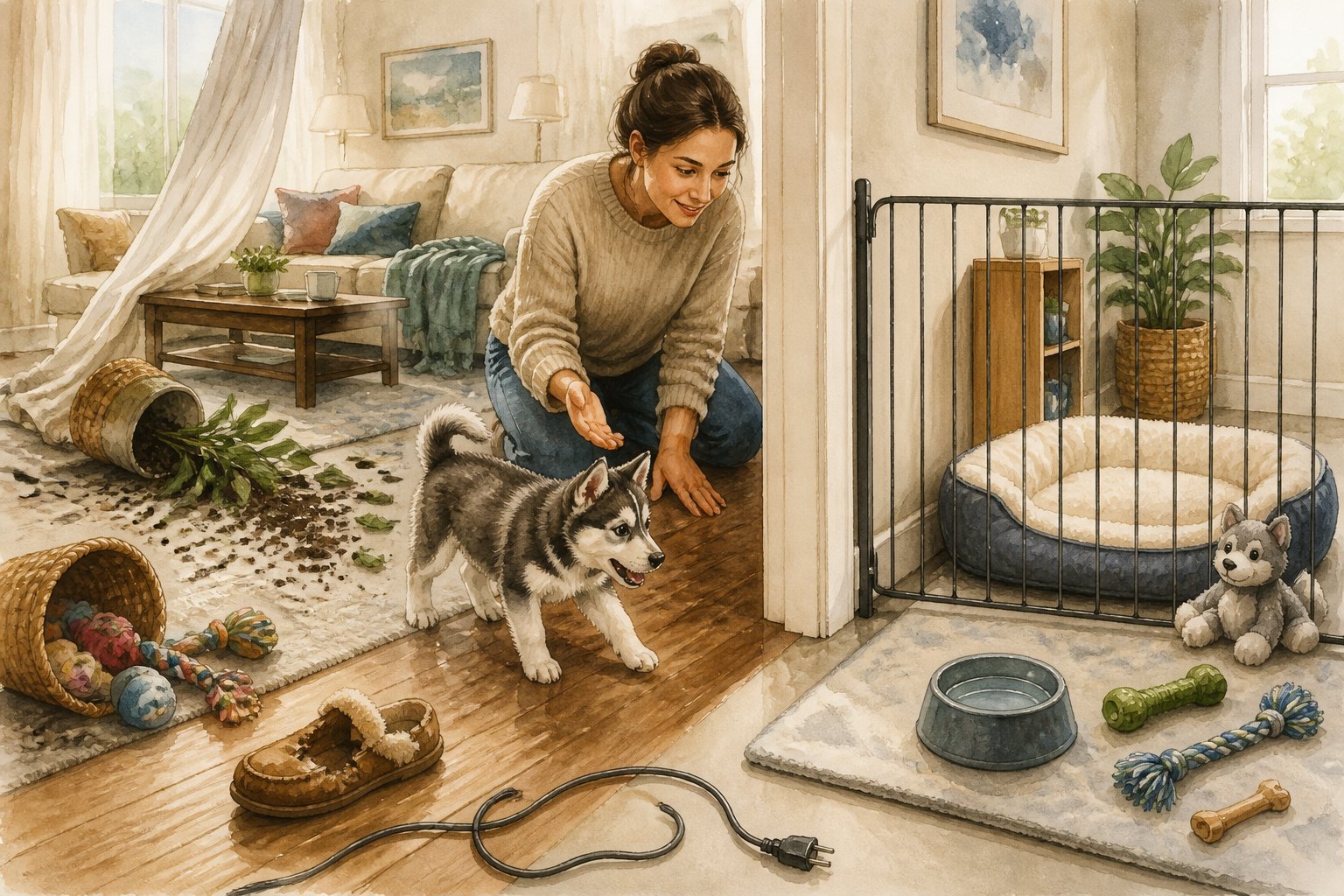
A young puppy with full access can quickly practice accidents, chewing, hiding, and unsafe exploration. You may also miss early signs that your puppy needs to go outside.
Begin with a gated, puppy-proofed area near the part of the home where you spend time. Remove cords, small objects, toxic plants, and anything your puppy might swallow.
Use a crate or pen for brief periods when you cannot supervise. Expand access slowly after your puppy shows reliable bathroom habits and calm behavior.
Supervise new rooms, reward appropriate choices, and close doors when you cannot watch closely. More freedom should follow good habits, not come before them.
4. Skipping Positive Crate Training And Alone-Time Practice
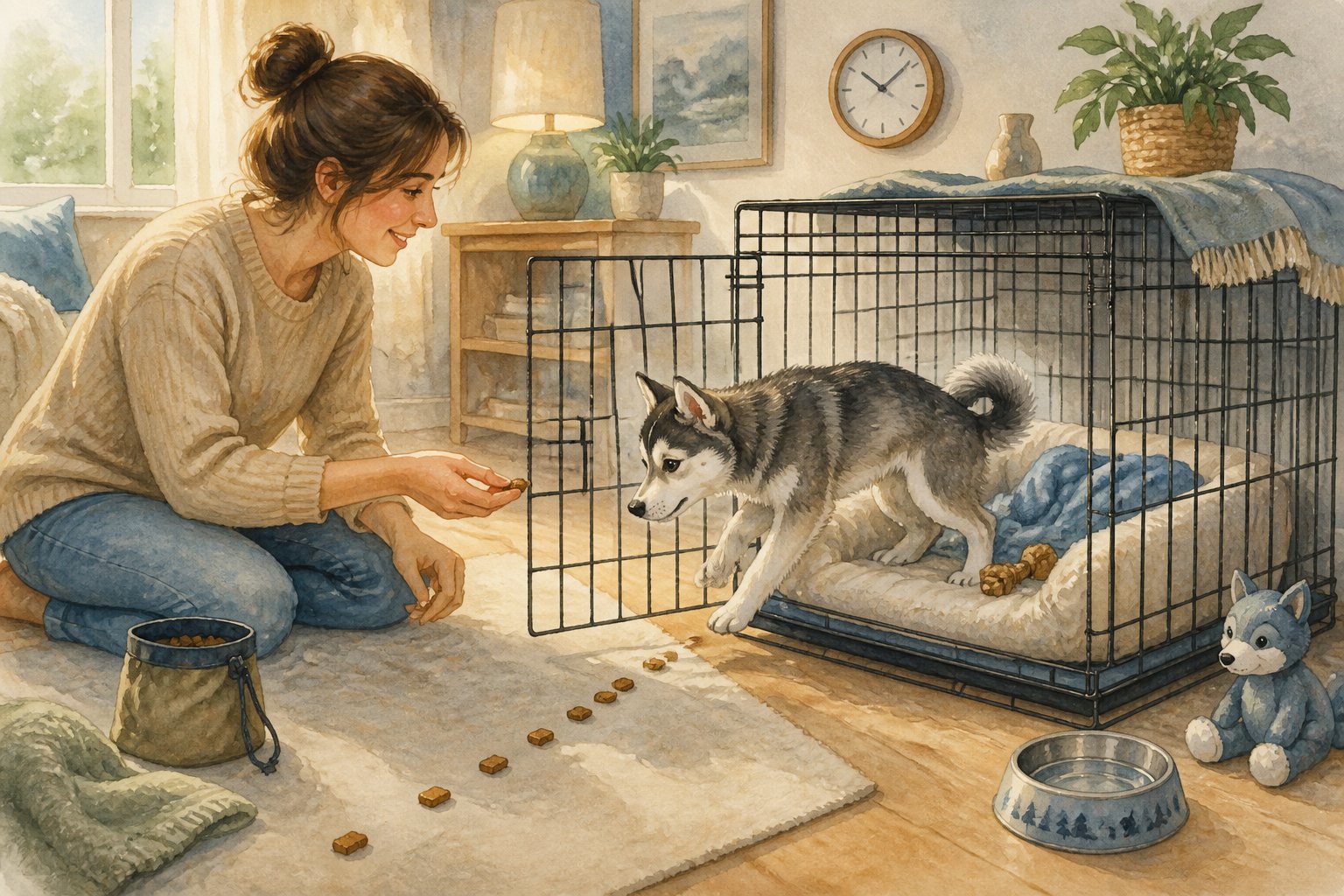
A crate can provide a safe resting place, support house-training, and prevent destructive chewing. Problems arise when you introduce it as punishment or expect your puppy to tolerate long confinement immediately.
Leave the door open at first and place treats, meals, and comfortable bedding inside. Build positive associations before closing the door for a few seconds.
Increase time gradually while your puppy remains relaxed. Practice leaving the room for short periods, then return calmly.
A predictable routine with exercise, bathroom breaks, naps, and quiet time helps your dog settle. If your puppy panics, reduce the duration and seek help from a qualified behavior professional.
5. Treating A Klee Kai Like A Lap Dog Instead Of Teaching Independence
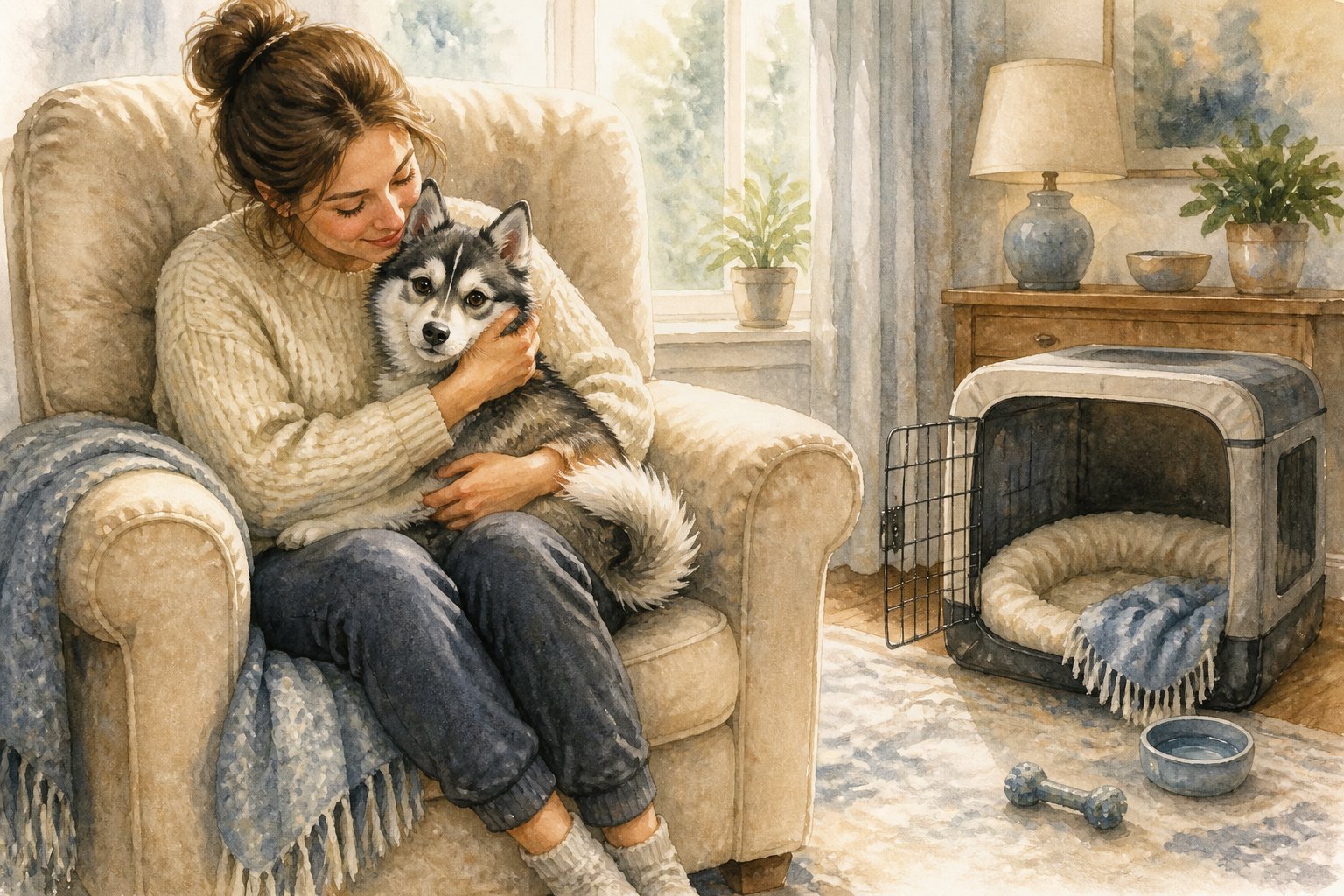
Your Klee Kai may enjoy cuddling, yet constant carrying can limit confidence and encourage dependence on you. A dog that never practices walking, resting alone, or exploring safely may struggle when you are unavailable.
Offer affection while also teaching independent skills. Reward your dog for relaxing on a bed, chewing a safe toy, or calmly observing the room from the floor.
Practice short walks instead of carrying your puppy through every outing. Keep affection predictable rather than using it to interrupt every moment of uncertainty.
If your dog seeks constant contact, provide a calm alternative, such as a mat, food puzzle, or quiet rest area. Independence grows through small, successful repetitions.
6. Using Inconsistent Rules For Jumping, Barking, And Boundaries
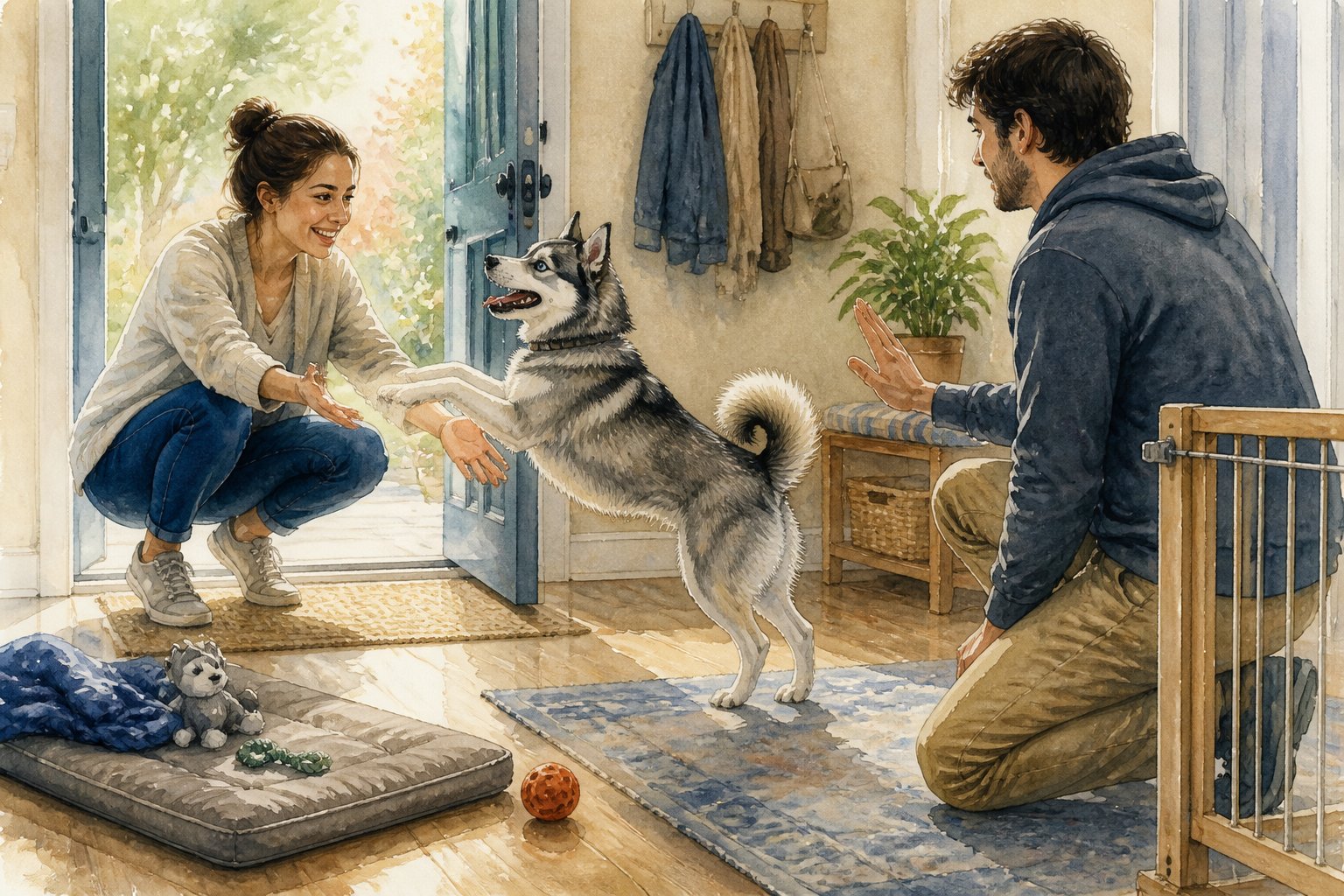
Your Klee Kai cannot follow rules that change from person to person. If jumping earns attention from one family member but earns a correction from another, your dog receives confusing feedback.
Choose clear household rules before problems grow. Decide whether your dog may climb on furniture, where greetings happen, and which words signal behaviors such as sitting, waiting, or leaving an item.
Reward the behavior you want immediately. For jumping, ask for four paws on the floor and give attention when your dog complies.
For barking, reduce triggers when possible and reward quiet pauses. Everyone in your home needs to use the same signals and responses.
7. Underestimating Mental Enrichment And Daily Exercise Needs
An Alaskan Klee Kai needs more than a quick bathroom walk. Without enough movement and mental work, you may see barking, digging, chewing, pacing, or inventive attempts to escape.
Mix short walks with sniffing, recall practice, trick training, food puzzles, and supervised play. Several brief activities often work better than one exhausting session, especially for puppies.
Include rest periods because overtired puppies can become nippy and unsettled. Watch your dog rather than chasing a fixed mileage goal.
Heat, age, fitness, and health all affect safe exercise. A satisfied Klee Kai usually settles more easily when you provide both physical activity and opportunities to solve simple problems.
8. Buying From Parents Without Documented Health Testing
Choosing a puppy based only on appearance, color, or availability can expose you to avoidable health risks. A responsible breeder should discuss the parents’ health history and provide records for recommended screening.
Ask for documentation rather than accepting verbal assurances. Discuss patellar evaluation, heart checks, thyroid screening, and Factor VII testing with your veterinarian and the breeder.
Records should identify the tested dog and the testing date. You also need to observe how puppies are raised.
Look for clean living areas, appropriate handling, clear contracts, honest answers, and a willingness to remain available after placement. A rescue organization should also share known medical and behavior information.
Careful questions protect your future dog and your household.
Before Bringing Home An Alaskan Klee Kai
Lifestyle And Time Commitment
Your Klee Kai needs daily training, exercise, interaction, grooming, and supervision. Plan for puppy naps, frequent bathroom breaks, and gradual alone-time practice.
A busy schedule is manageable only when you arrange reliable care and predictable routines. Consider whether you can meet this breed’s needs for many years.
Your plan should include travel, workdays, illness, emergencies, and changing household schedules.
Apartment, Yard, And Escape-Proofing Considerations
An apartment can work when you provide regular walks, enrichment, and quiet training. Teach your dog to settle around hallway sounds, elevators, visitors, and neighbors.
A yard does not replace exercise, and you should inspect every fence line. Klee Kais can be agile and curious, so secure gates, lower gaps, climbing points, and door routines.
Use a leash until your dog has reliable recall, and never trust an unfamiliar yard.
Questions To Ask A Breeder Or Rescue
Ask about temperament, socialization, medical records, diet, vaccination status, previous behavior, and return policies. Ask how the dog responds to children, cats, other dogs, handling, confinement, and being alone.
You should also ask what support is available after adoption or purchase. Honest answers are more valuable than promises that every puppy will be easy.
Health And Grooming Essentials
Patellar Luxation
Patellar luxation occurs when the kneecap shifts out of its normal position. Watch for skipping steps, brief hind-leg lifting, stiffness, or reluctance to jump.
Schedule a veterinary exam if you notice these signs, even if your dog quickly appears normal. Maintain a healthy body weight and avoid repeated high-impact jumping during puppy growth.
Ask about patellar evaluations when reviewing parental health records.
Heart, Thyroid, And Factor VII Screening
Discuss breed-relevant screening with your veterinarian and breeder. Heart checks, thyroid evaluation, and Factor VII testing can add useful information when planning breeding and long-term care.
A test does not replace routine exams. Keep copies of health records and share them with your veterinary team when your dog changes clinics.
Veterinary Prevention And Early Warning Signs
Keep vaccinations, parasite prevention, dental care, and wellness exams on schedule. Contact your veterinarian for repeated vomiting, breathing changes, unusual thirst, sudden weakness, persistent lameness, appetite loss, or major behavior changes.
You know your dog’s normal habits best. Early attention is especially important when a small change lasts more than a day or appears severe.
Managing Seasonal Undercoat Shedding
Your Klee Kai’s double coat often sheds heavily during seasonal coat changes.
Brush regularly with tools suited to a double coat. Work gently through dense areas instead of pulling mats.
Bathe only when needed, using a dog-specific shampoo.
Frequent bathing can dry the skin and remove natural oils.
Never shave the double coat unless your veterinarian recommends it for a medical reason.