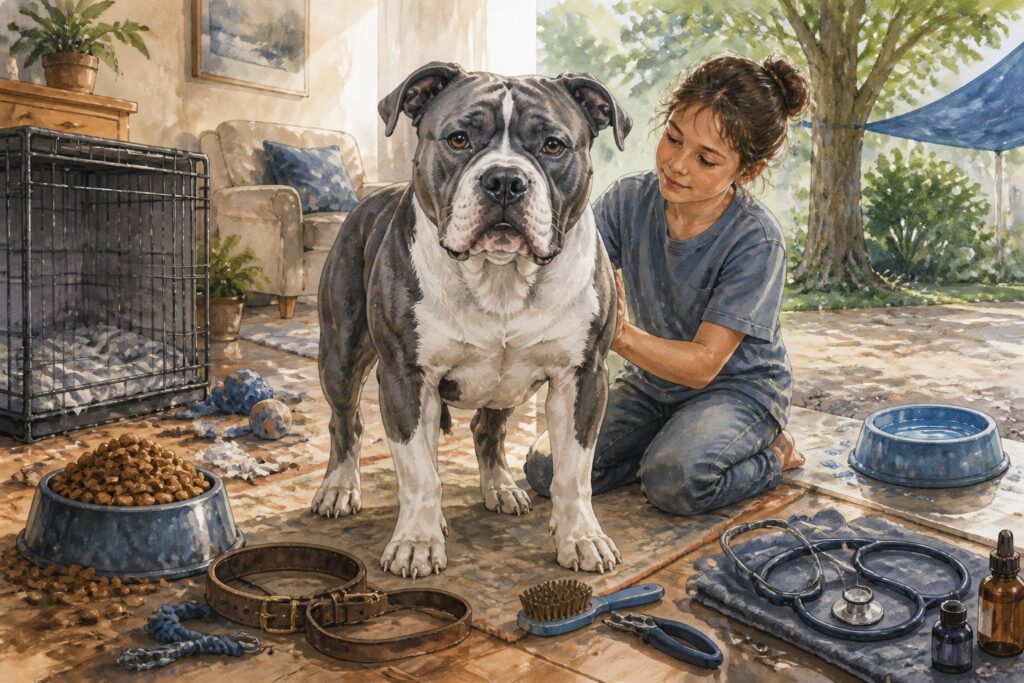
An Alapaha Blue Blood Bulldog can be affectionate, loyal, and deeply devoted to your family. You also need to respect the traits that come from its history as a catch dog and property guardian: strength, confidence, alertness, and a strong desire to control its surroundings.
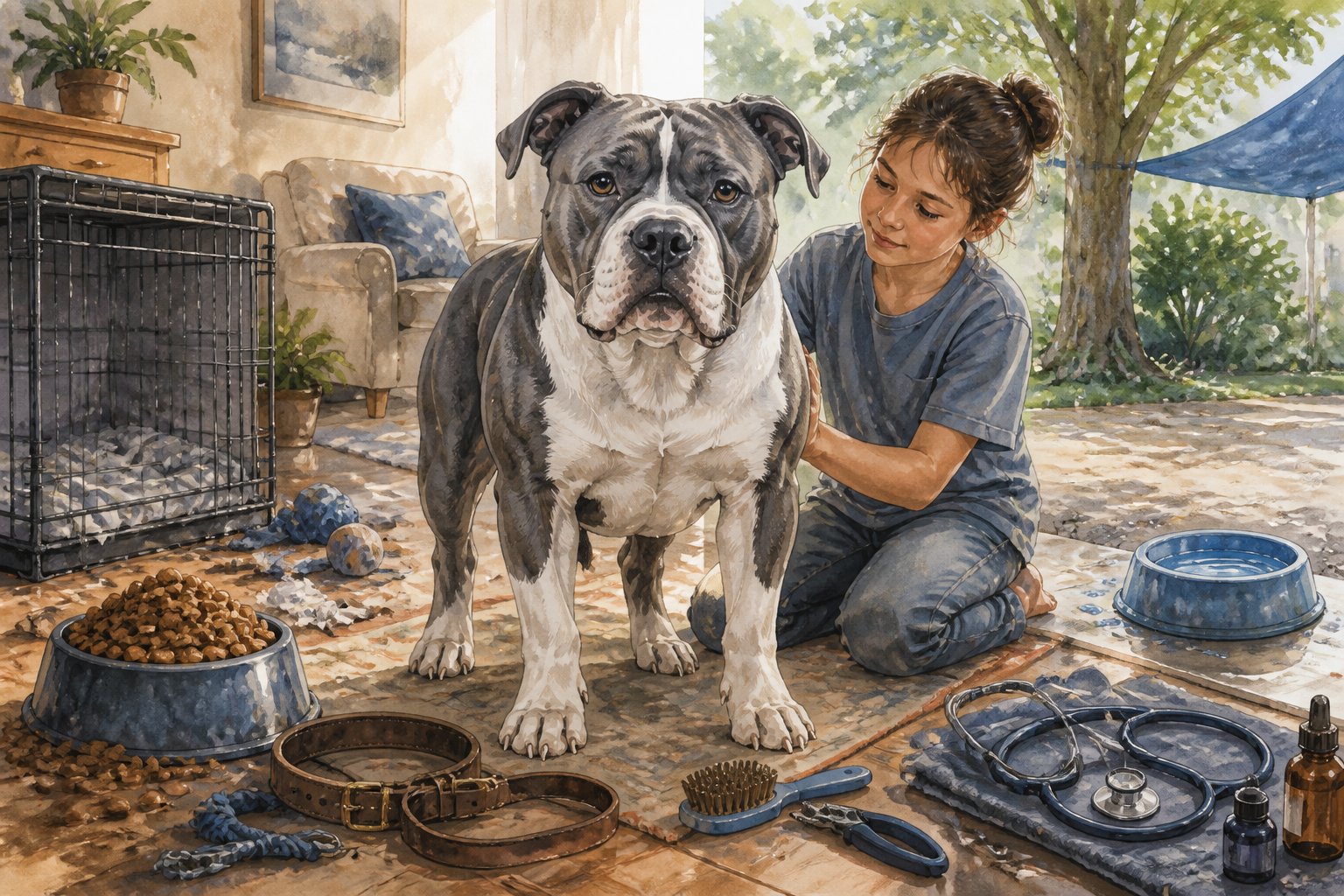
The biggest owner mistakes usually involve treating this powerful working breed like a low-maintenance pet, delaying training, or ignoring health, containment, and social needs. When you plan ahead and provide calm structure, you give your dog a much better chance to become a stable companion.
1. Treating An Alapaha Like A First-Time Owner’s Easy Family Dog
An Alapaha may be loving at home, yet its size, athletic ability, guarding instinct, and confidence demand experienced handling. You cannot rely on affection alone to manage a dog that may challenge boundaries or react strongly to unfamiliar people and animals.
Before bringing one home, assess your leash skills, training experience, household routines, and ability to control a powerful dog. Set rules for furniture, greetings, feeding, doors, and play from the first day.
Everyone in your household should use the same commands and expectations. A calm, predictable home helps this breed settle.
If you want a dog that needs little training, accepts every visitor, and fits easily into a busy home, this may not be the right match.
2. Skipping Early, Controlled Socialization With Strangers
Protective instincts can become difficult when your puppy rarely sees new people, places, sounds, or handling. Waiting until adolescence often leaves you trying to change a strong reaction instead of preventing it.
Invite calm, trusted adults to offer treats without crowding the puppy. Practice brief visits to quiet outdoor areas, car rides, gentle grooming, and polite greetings.
Reward your dog for looking at a stranger and choosing to remain relaxed. Do not force contact or allow every person to touch your puppy.
Socialization means teaching your dog that unfamiliar experiences are safe and manageable, not making your dog greet everyone.
3. Waiting To Start Obedience Training Until The Dog Is Fully Grown
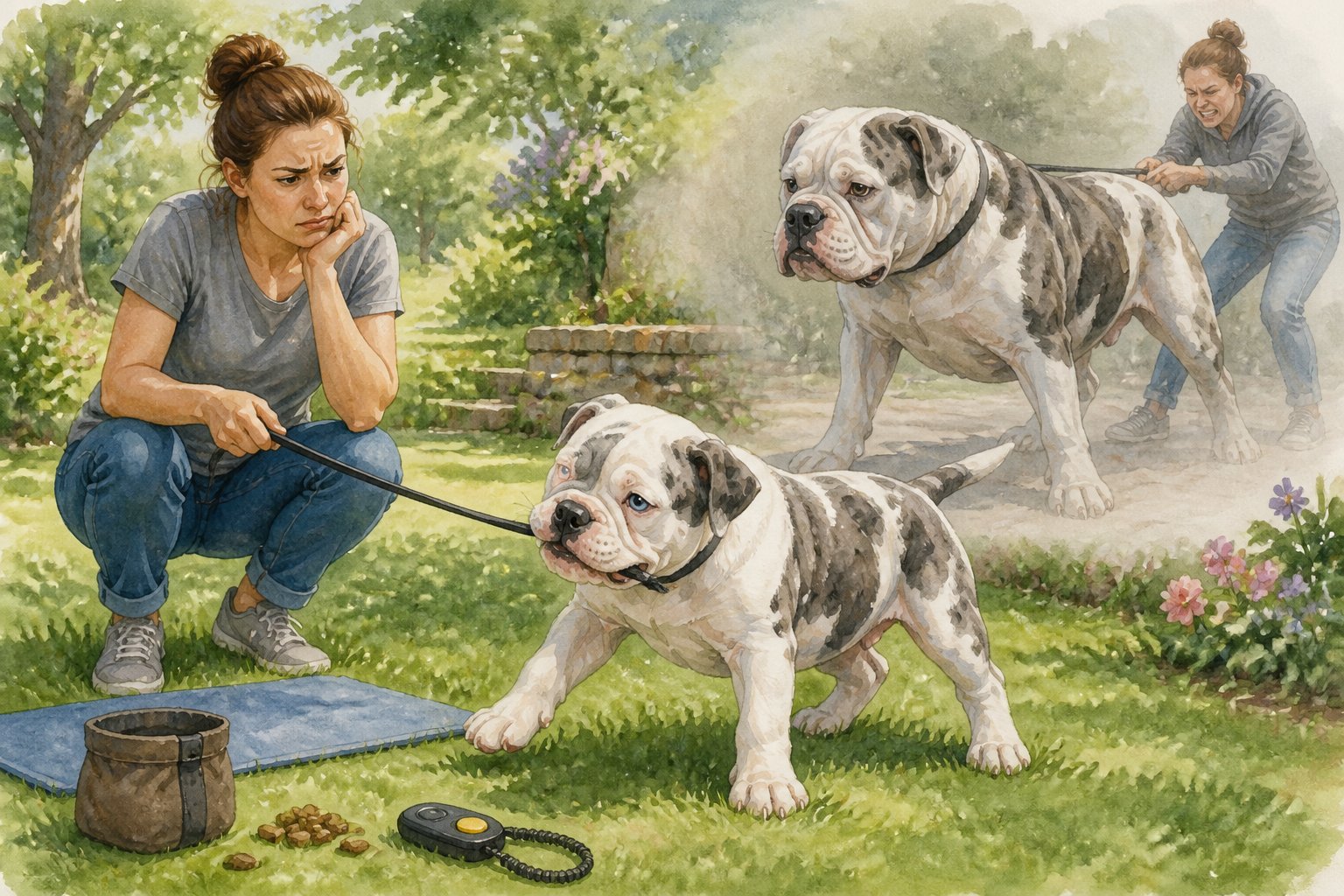
A small puppy that jumps, pulls, or ignores you can become a serious handling problem when it reaches full strength. Start with name recognition, recall, loose-leash walking, waiting at doors, and a reliable “leave it.”
Use short sessions, food rewards, toys, and clear repetition. An Alapaha often learns quickly, though it may test whether a command truly matters.
Give the cue once, guide the correct response, and reward it promptly. A well-fitted harness or sturdy collar can improve control during training.
Enroll with a trainer who has experience with guardian and bulldog-type breeds. Early lessons are easier, safer, and more fair to your dog than trying to repair months of uncontrolled behavior.
4. Underestimating Prey Drive Around Cats, Poultry, And Small Dogs
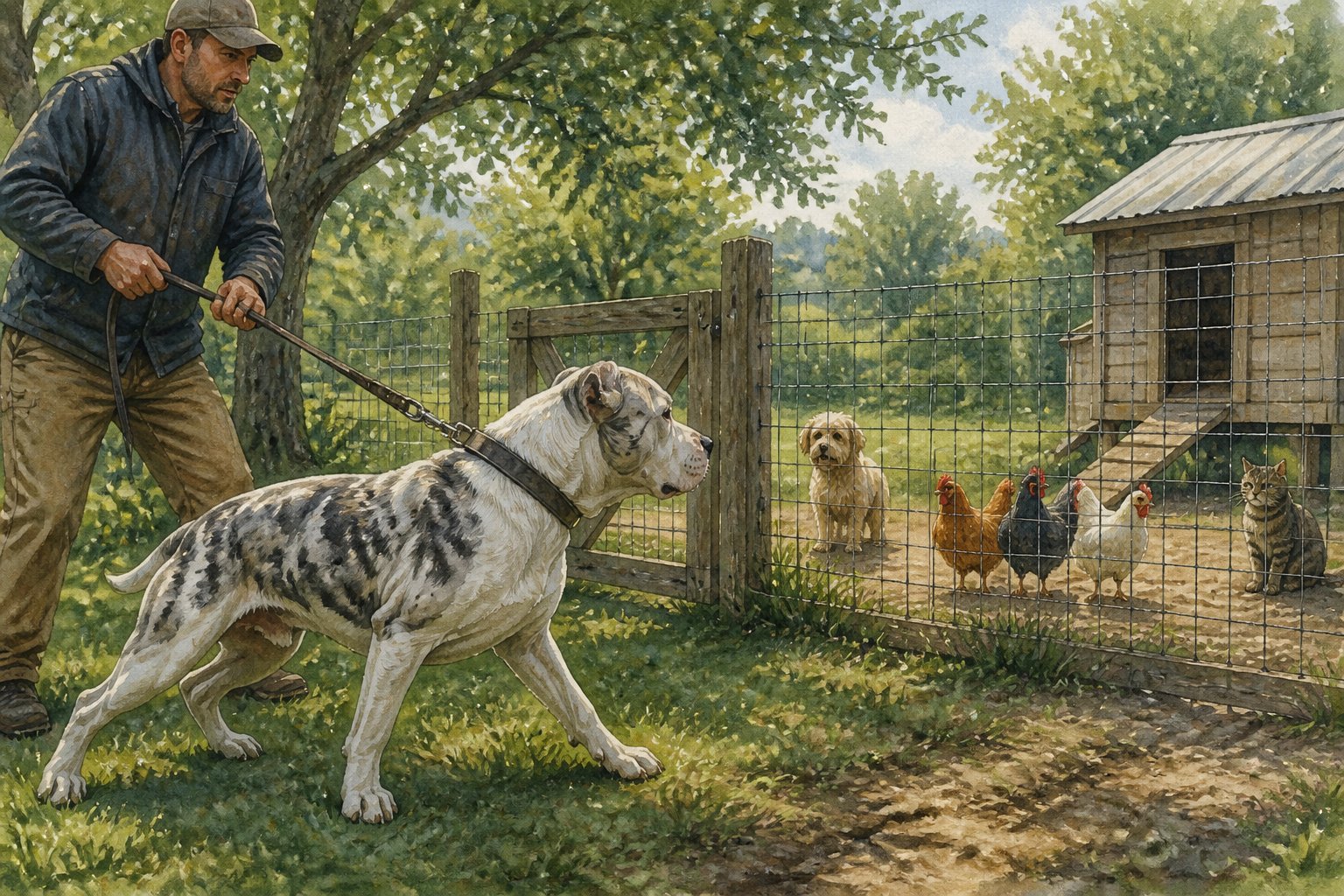
You should never assume that living peacefully with your family means your Alapaha will safely accept every small animal. A moving cat, chicken, rabbit, or small dog can trigger chasing or gripping behavior, especially outdoors.
Use secure barriers, leashes, long lines, and separate feeding areas. Introduce animals slowly through controlled distance, rewarding calm behavior instead of allowing a sudden chase.
Never leave an Alapaha and a vulnerable animal together without active supervision. Some dogs can learn reliable household manners around cats.
Others require permanent separation. Plan for management rather than promising yourself that instinct will disappear with age.
5. Relying On A Backyard Instead Of Providing Daily Structured Exercise
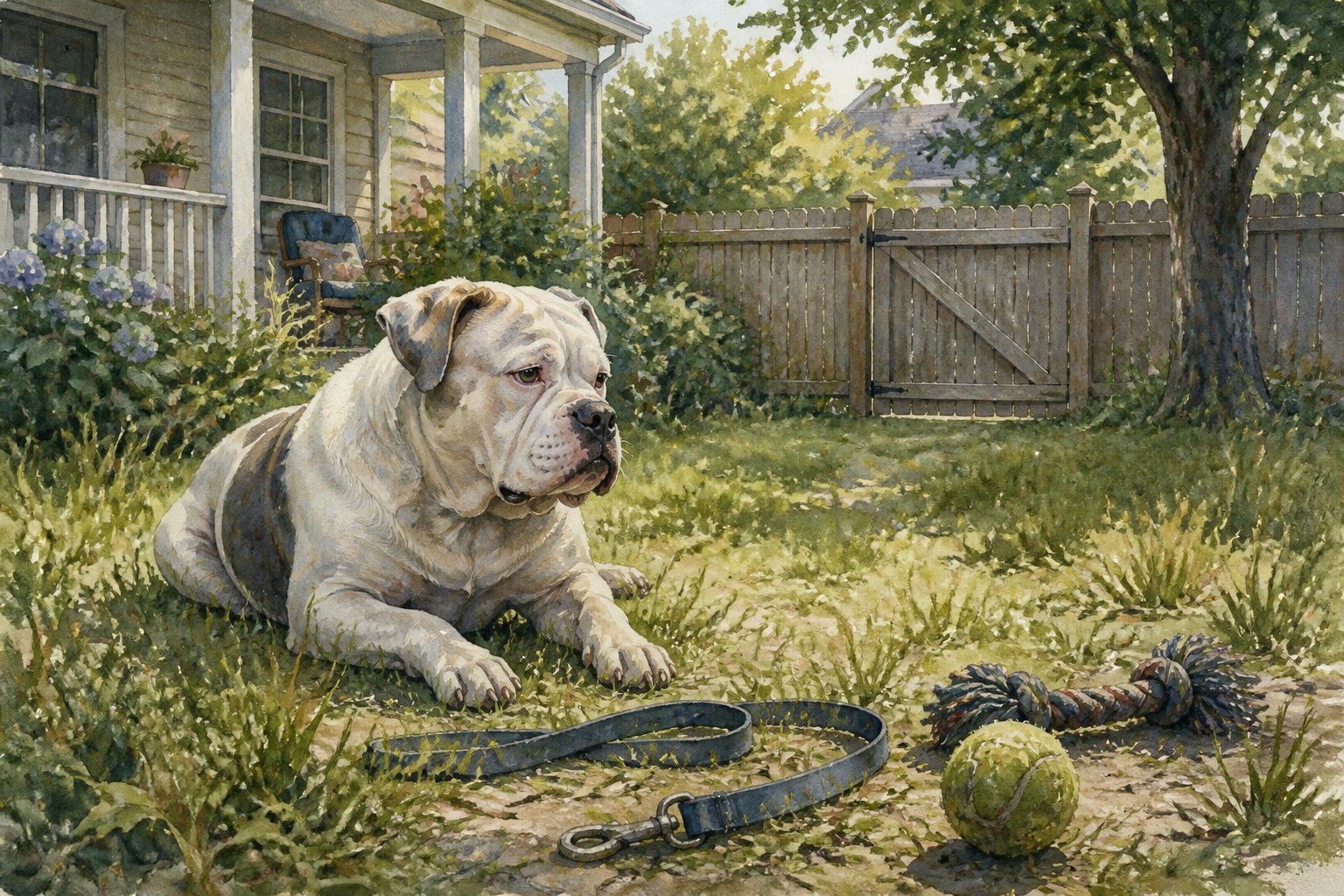
A yard gives your dog space, not a complete exercise plan. Many Alapahas wander, patrol, dig, or lie down after briefly exploring.
Without purposeful activity, boredom may appear as chewing, barking, fence running, or pushy behavior. Build a daily routine that includes controlled walks, training games, tug with rules, scent searches, and age-appropriate play.
Young dogs need gradual conditioning because growing joints can suffer from forced running, repeated jumping, or hard stops. Watch your dog in warm weather, especially if its muzzle is short.
Offer water, shade, and cooler exercise times. Consistency matters more than exhausting your dog once a week.
6. Failing To Give This Working Catch Dog A Job And Mental Stimulation
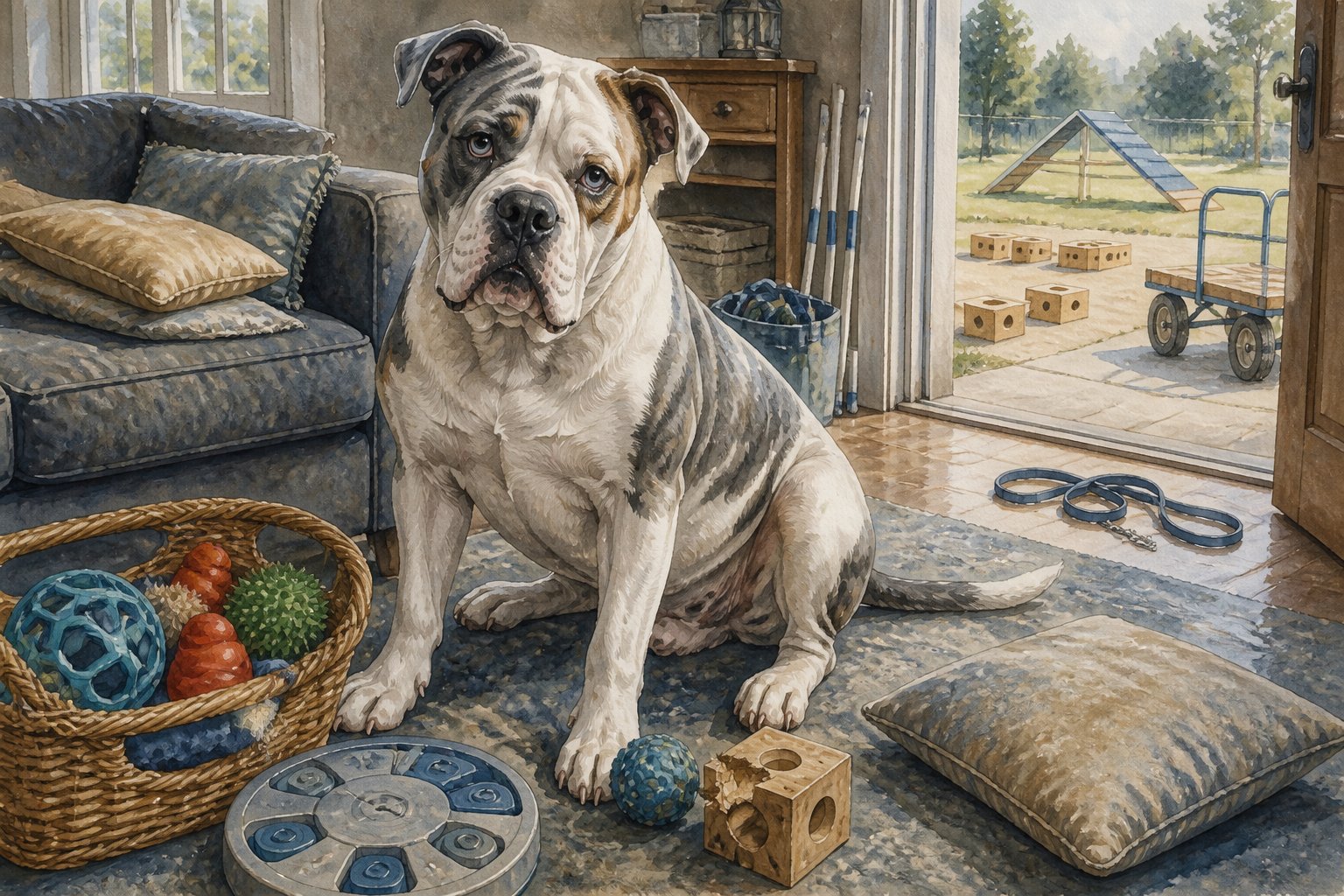
Physical exercise alone may not satisfy a dog bred to make decisions and respond to demanding work. A bored Alapaha may invent jobs, such as guarding windows, moving household items, or controlling family movement.
Give your dog useful tasks that fit home life. Practice carrying a toy, finding hidden treats, identifying objects, waiting on a mat, or completing a short obedience course.
Food puzzles and scent games can tire the mind without placing heavy stress on the joints. Rotate activities so they remain interesting.
Reward calm settling as carefully as active work. Teaching your dog when to switch off is just as important as giving it something to do.
7. Choosing A Breeder Without Verifiable Health Testing And Registration
A rare breed can attract sellers who focus on unusual colors, large heads, or impressive claims instead of stable health and temperament. Do not treat registration papers alone as proof of responsible breeding.
Ask for written records of parent health testing, veterinary examinations, vaccination history, and genetic screening. Confirm the identity of the parents and check whether the breeder tracks health outcomes in older offspring.
Meet the mother, observe her behavior, and inspect clean living areas. A responsible breeder asks you detailed questions, provides a contract, explains return policies, and does not rush a deposit.
Be cautious when a seller refuses records, always has puppies available, or markets blue eyes and merle coloring as the main value.
8. Ignoring Risks Of Hip Dysplasia, Entropion, Deafness, And Skin Problems
Alapahas can face inherited and structural health concerns, including hip dysplasia, inward-turning eyelids, hearing loss, and skin irritation. A healthy-looking puppy can still carry future risk, so regular veterinary care matters.
Ask your veterinarian to check movement, eyes, ears, skin, weight, and breathing during routine visits. Report squinting, rubbing, repeated ear problems, limping, odor, hair loss, or sudden changes in activity.
Early attention often gives you more treatment choices. Keep skin folds clean and dry when your dog has them, and avoid overfeeding during growth.
Use low-impact exercise for puppies and maintain a lean adult body condition. Your breeder’s records can guide screening, but they never replace ongoing veterinary exams.
9. Using Harsh Or Inconsistent Discipline With A Confident Protective Dog
Harsh corrections can increase fear, resistance, or defensive behavior in a strong, watchful dog. Inconsistent rules create a different problem: your Alapaha learns that persistence sometimes earns access, attention, or freedom.
Use rewards, clear boundaries, and calm consequences. If your dog jumps, remove attention and reward four paws on the floor.
If your dog guards a doorway, teach a mat stay and release cue instead of physically forcing it through. Keep sessions brief and predictable.
Everyone should use the same words and follow the same rules. If guarding, snapping, or aggression appears, involve a qualified behavior professional promptly rather than escalating punishment yourself.
10. Leaving Doors, Gates, Or Fences Insecure For An Escape-Prone Bulldog
An Alapaha can push through weak gates, climb poorly designed barriers, or rush an open door when excited. Its strength makes a small containment mistake more serious than it would be with a lightweight companion dog.
Inspect latches, hinges, fence gaps, and ground-level digging spots. Use self-closing gates, secure locks, and a double-door routine when visitors arrive.
Teach your dog to wait behind a boundary before you open an exterior door. Keep identification current and consider a registered microchip.
Do not depend on an invisible fence for a dog that may ignore stimulation when chasing or protecting. Supervise outdoor time, even in a fenced yard.
11. Assuming Size And Strength Make Unsupervised Child Play Safe
A gentle relationship with your children does not remove the risks of accidental knocks, guarding, rough play, or a child misreading canine signals. A powerful Alapaha can injure a child without intending to do so.
Teach children not to climb on, hug, disturb, ride, or take food and toys from the dog. Give your Alapaha a quiet retreat that children cannot enter.
Separate them during meals, high-energy play, and visits from unfamiliar children. Adults should actively supervise rather than watching from another room.
Learn to notice stiff posture, freezing, lip lifting, hard staring, avoidance, and repeated attempts to leave. Respect those warnings and seek professional guidance before a bite occurs.
Before You Bring Home An Alapaha Blue Blood Bulldog
Experience, Time, And Budget Reality Check
Plan for daily training, structured exercise, socialization, supervision, grooming, and companionship. Budget for quality food, routine exams, preventives, training help, secure equipment, and unexpected medical care.
Ask yourself whether you can control a strong adult dog during an emergency. You also need a backup plan for travel, illness, work changes, housing rules, and aging-related care.
Questions To Ask A Breeder
Ask about parent temperaments, health testing, hearing and eye checks, hip evaluations, previous litters, puppy socialization, vaccination records, and contract terms. Ask what happens if you can no longer keep the dog.
A good breeder answers directly and shares records. You should leave when the conversation centers only on rare markings, size, or fast deposits.
Home And Containment Preparation
Prepare a sturdy crate, chew-safe toys, food containers, fitted walking equipment, barriers, and a securely latched fence. Remove toxic plants, exposed cords, small objects, and easy escape routes.
Set house rules before arrival. Decide where your dog rests, how visitors enter, which rooms are restricted, and who handles daily training.
Core Care Needs At A Glance
Exercise And Enrichment
Provide daily walks, training, scent work, play, and calm-settling practice. Adjust intensity for age, heat, body condition, and joint health.
A secure yard supports exercise, though it should not replace interaction or structure.
Grooming And Coat Care
The short coat usually needs weekly brushing, with extra cleaning during shedding periods. Check ears, nails, skin folds, eyes, teeth, and paws regularly.
Bathe when needed with a dog-safe product, then dry skin folds thoroughly.
Veterinary Care And Lifelong Costs
Keep vaccines, parasite prevention, dental care, weight checks, and wellness exams current.
Discuss screening for joint, eye, hearing, skin, and breathing concerns with your veterinarian.
Your long-term budget should include food, equipment replacement, training, routine care, medications, dental work, and emergency treatment.