
You want your dog to move without pain and enjoy more good days.
This article shows eight safe, practical home treatments you can try to ease joint pain and help your dog feel more comfortable.

You’ll get tips on supplements, simple therapies, exercise, bedding, and when to call your vet.
Mix and match these ideas with your vet’s advice to build a plan that works for your dog.
Glucosamine supplements to support cartilage repair
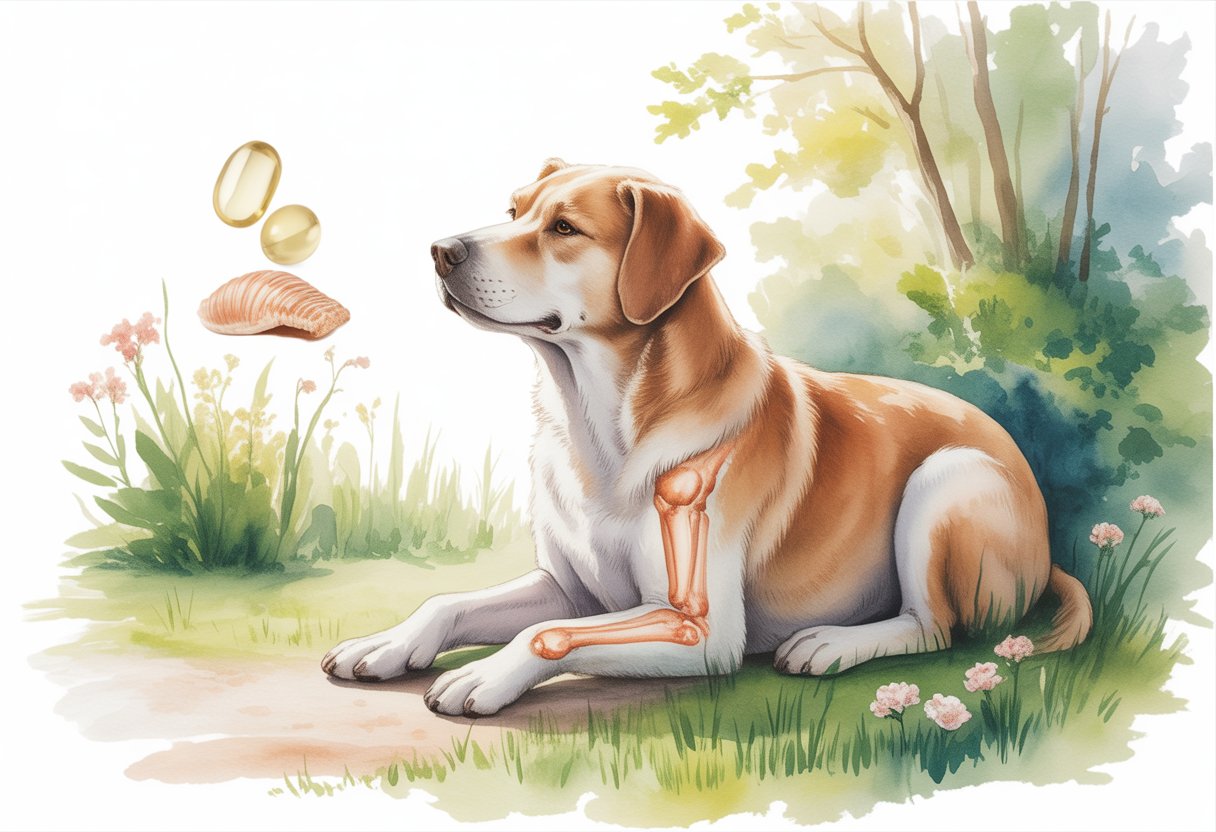
Glucosamine is a go-to supplement for many dogs with creaky joints. It helps repair and maintain cartilage—the cushion between bones.
You’ll find glucosamine in chewable tablets, powders, and even treats.
Most vets recommend it alongside joint care like weight control and exercise.
Ask your vet about the right dose, since it depends on your dog’s size and health. Some dogs get mild tummy upset or drink more water when starting.
Don’t expect overnight miracles. It usually takes a few weeks to see changes.
Keep glucosamine as one part of a bigger plan—think diet tweaks, activity changes, and regular check-ins with your vet.
Omega-3 fish oil for reducing inflammation
Omega-3 fish oil gives your dog EPA and DHA—fats that help reduce inflammation in joints.
You might notice less stiffness and smoother movement, especially in older or active dogs.
Omega-3s lower inflammatory molecules, which can cut down pain and swelling. Some folks see improved mobility within weeks, but every dog’s different.
Give fish oil in measured amounts based on weight, and stick to your vet’s advice.
Too much can upset your dog’s stomach or mess with blood clotting, so don’t guess at the dose.
Pick a high-quality, pet-safe fish oil to avoid stuff like mercury. Store it right and let your vet know if you spot changes in appetite, stool, or energy.
Turmeric powder as a natural anti-inflammatory
Turmeric packs curcumin, a compound that can ease inflammation. You can try turmeric to help with joint pain, but always touch base with your vet first.
Mix turmeric powder with a healthy fat like coconut or olive oil for better absorption. Start with a tiny amount in food and go slow, watching for any stomach issues.
Black pepper boosts curcumin absorption, but use just a pinch and double-check with your vet. Some dogs don’t tolerate turmeric, so keep an eye on appetite, stool, and energy.
If your dog takes meds like blood thinners or NSAIDs, be extra cautious. Your vet can help you figure out if turmeric fits your dog’s plan.
Warm compresses to soothe stiff joints

Warm compresses can help melt away stiffness and make moving a little easier. Gentle heat boosts blood flow and relaxes tight muscles.
Grab a warm (not hot!) towel or a store-bought heat pack wrapped in cloth. Hold it on the sore spot for 10–20 minutes, up to three times daily, and watch your dog’s reaction.
Never put heat on broken skin or brand-new injuries. Test the compress on your own skin first—burns are a no-go.
If your dog has diabetes, poor circulation, or thin fur, check with your vet before trying heat. Pair warm compresses with a gentle massage or a short walk if your vet gives the green light.
Gentle daily massage to improve circulation
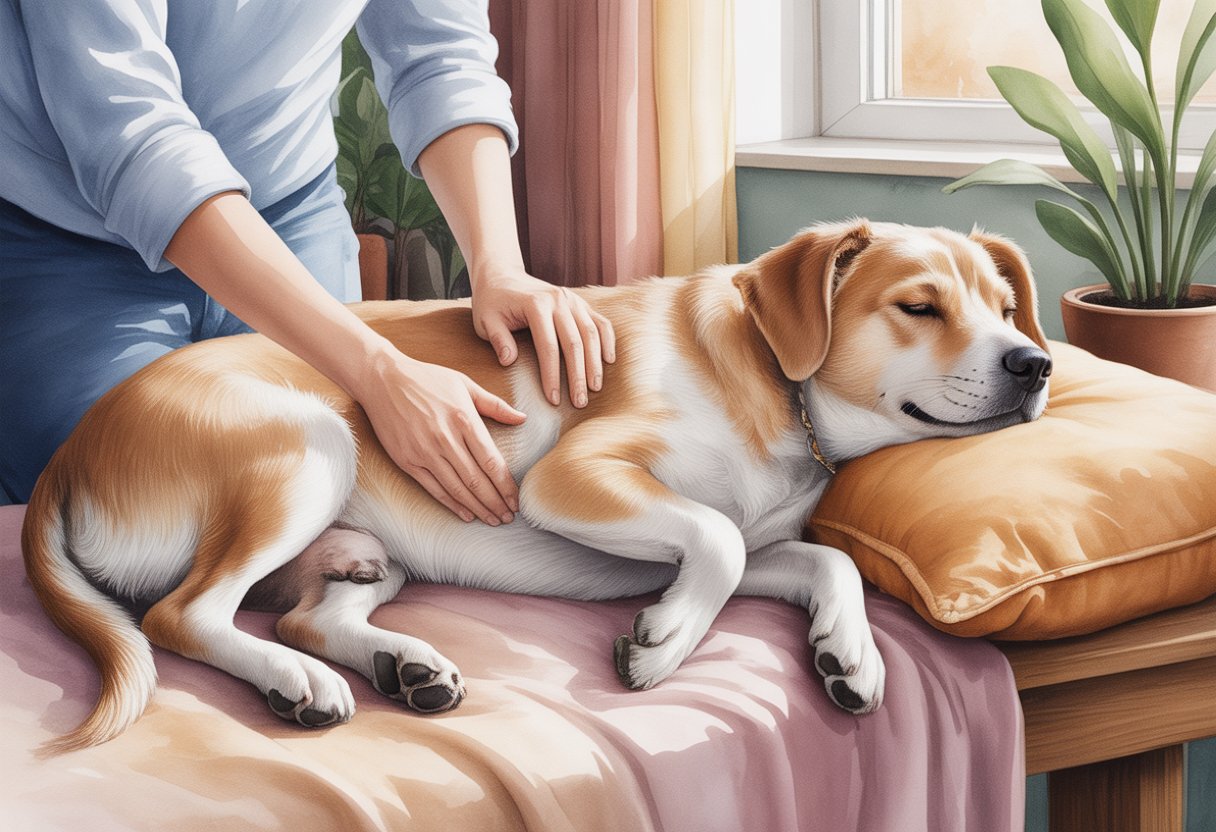
A short daily massage gets blood flowing to stiff joints and tired muscles. You can do this at home—just find a quiet spot and a comfy surface.
Start with slow, gentle strokes along your dog’s neck, shoulders, and back. Use light pressure and move in slow circles with your fingertips.
If your dog flinches or pulls away, stop right away. Focus near hips and elbows—common arthritis spots—but don’t press directly on sore or swollen areas.
Keep sessions short at first—three to five minutes is plenty. If your dog loves it, you can go a little longer next time.
Massage helps you spot changes in your dog’s body, like heat or swelling, so you can alert your vet if something’s off.
Stick to a calm routine. Most dogs start looking forward to this quiet time.
Regular low-impact exercise like swimming
Low-impact exercise keeps joints moving but doesn’t pile on extra strain. Swimming is a great choice—water supports your dog’s weight and cushions sore spots.
Go slow at first and see how your dog handles it. Short, calm swims can build strength and cut down stiffness.
Use a life vest and pick calm water or a supervised pool. Always help your dog in and out—wet paws can slip.
Mix in short, daily walks on soft ground if your dog tolerates it. Consistent, gentle activity helps keep muscles working and joints from locking up.
CBD oil for pain relief and inflammation
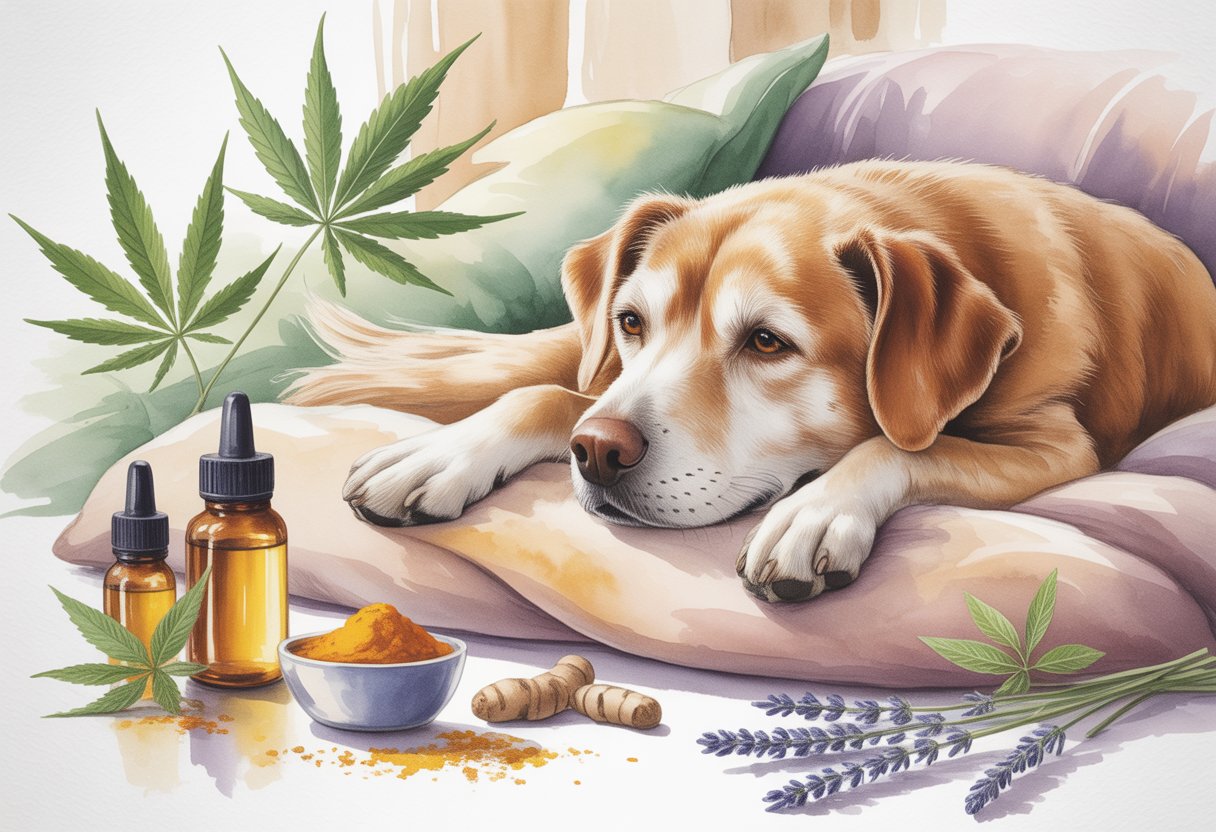
CBD oil is getting a lot of buzz for easing joint pain and inflammation in dogs. Some owners say their dogs limp less and seem more comfortable when they add CBD to the mix.
Pick a hemp-derived, full-spectrum product made for pets. Read the label for CBD and THC content.
Start with a low dose and go up slowly, watching for changes in behavior or appetite.
CBD might help with symptoms, but it won’t rebuild cartilage or cure arthritis. Always talk to your vet before starting, especially if your dog takes other meds—CBD can mess with how some drugs work.
Watch for side effects like drowsiness, upset stomach, or wobbly walking. If your dog has problems or you don’t see any change after a few weeks, stop and check in with your vet.
Providing orthopedic dog beds for joint comfort
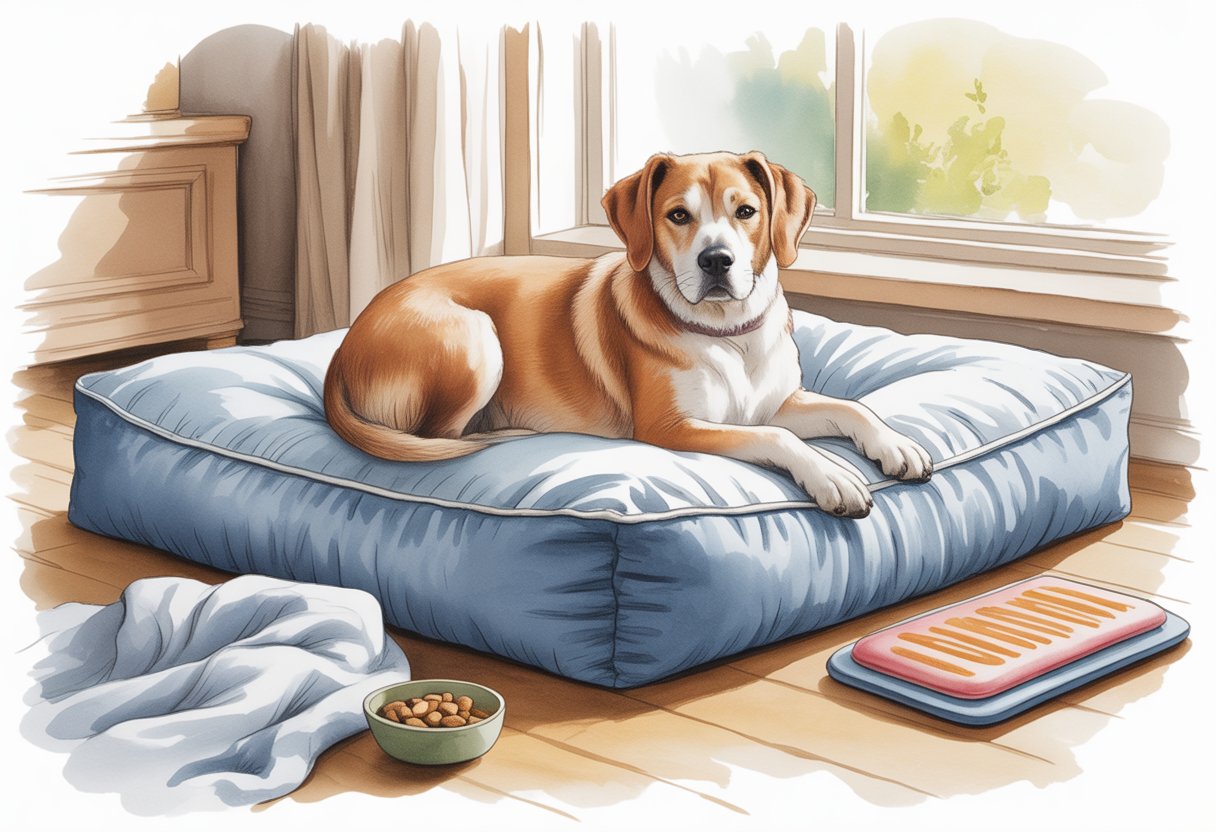
Pick an orthopedic bed with memory foam or dense foam to support your dog’s joints. These beds spread out weight and take pressure off hips and shoulders.
Choose a bed big enough for your dog to stretch out. A bolster or raised rim can help support the head and neck, especially for older dogs.
Put the bed somewhere warm and flat, away from drafts and hard floors. A washable cover makes cleaning up a breeze.
Go for tough materials if your dog likes to chew or scratch. If your dog’s joints are really bad, ask your vet about medical-grade beds or extra therapies.
Understanding Dog Joint Pain
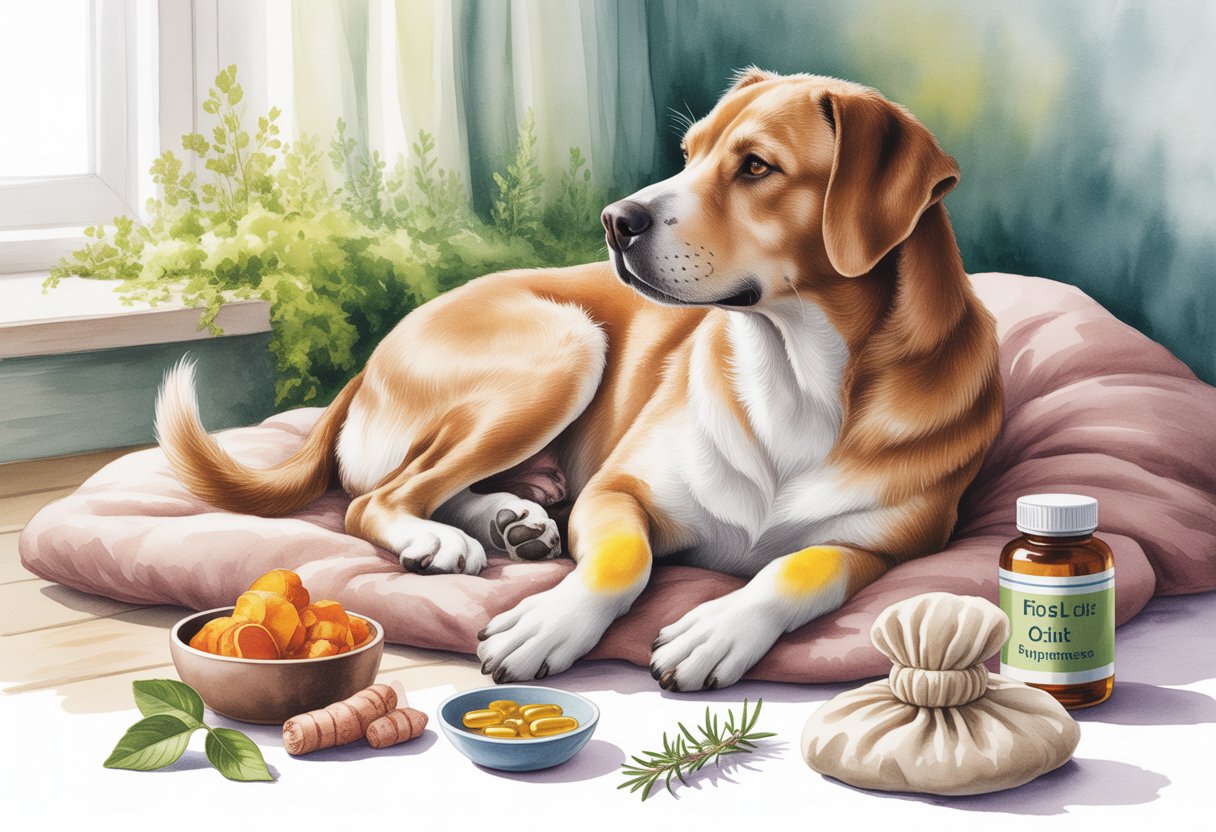
Joint pain in dogs pops up from wear, injury, or disease. Knowing what causes it—and how it changes your dog’s movement—helps you spot problems sooner.
Common Causes of Joint Discomfort
Arthritis (osteoarthritis) leads the pack. Cartilage breaks down over time, so bones rub together and things get stiff and sore.
Dogs over seven and big breeds deal with this more often.
Hip and elbow dysplasia start young, when joints form wrong in puppies. This uneven wear brings on early arthritis, especially in breeds like Labradors, German Shepherds, and Rottweilers.
Injuries like sprains, fractures, or torn ligaments (think ACL tears) can hurt joints and cause long-term trouble if not fixed.
Inflammation from infections or immune diseases doesn’t happen as much, but it’s serious. You might see swelling, fever, or your dog struggling to move.
How Joint Pain Affects Mobility
Joint pain changes how your dog moves. Limping, stiffness after naps, trouble getting up, or skipping stairs—these are all red flags.
You’ll notice your dog shifting weight off the sore leg, which can put stress on other joints and muscles. Over time, the sore side might even lose muscle.
Walks get shorter, playtime drops off, and your dog might avoid standing for grooming or vet visits. Turns get slower, and jumping just isn’t on the menu anymore.
When to See a Veterinarian
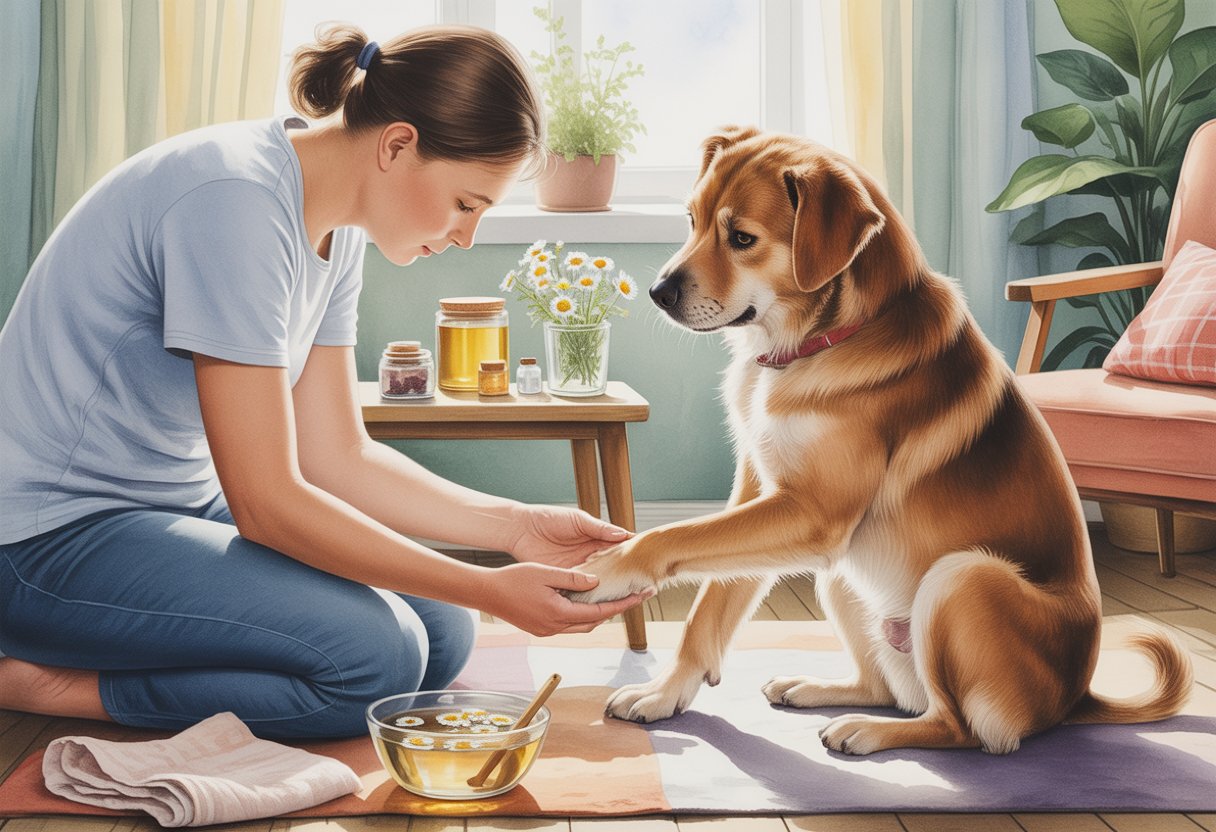
If your dog has pain that won’t quit, suddenly starts limping worse, stops eating, or acts off, get professional help. Your vet can get to the bottom of it and offer real solutions.
Recognizing Warning Signs
Watch for limping that sticks around longer than 48 hours or just keeps getting worse. If your dog favors one leg, has trouble standing up, or struggles with stairs, it’s probably time to call your vet.
Notice any changes in mood or activity? If your dog suddenly withdraws, whines when you touch them, or just stops playing altogether, that’s a red flag for pain.
Keep an eye out for loss of appetite, weight loss, or surprising aggression when you touch a joint. These can all point to something serious going on.
Check the joints themselves, too. Swelling, heat, weird shapes, or not being able to put weight on a limb—those all need a quick vet visit.
If your dog’s pain shows up right after a fall, jump, or some obvious injury, don’t wait—get them checked out right away.
Potential Underlying Conditions
Arthritis and degenerative joint disease often lead to chronic joint pain. You’ll see this a lot in older dogs or the bigger breeds.
Managing these issues usually means pain control, joint supplements, and a solid weight plan. It’s not a quick fix, but it helps.
Sudden problems pop up too—think fractures, ligament tears (like a cruciate ligament rupture), or joint infections. These hit hard and fast, causing obvious lameness.
Dogs with these injuries often need surgery or antibiotics. It’s stressful, but catching it early makes a difference.
Metabolic or systemic diseases sometimes sneak in, like Lyme disease, immune-mediated arthritis, or hip dysplasia. They’re trickier to spot.
Your vet can check for these with blood tests, X-rays, or by looking at joint fluid. That’s how they figure out what’s really going on and pick the right treatment.