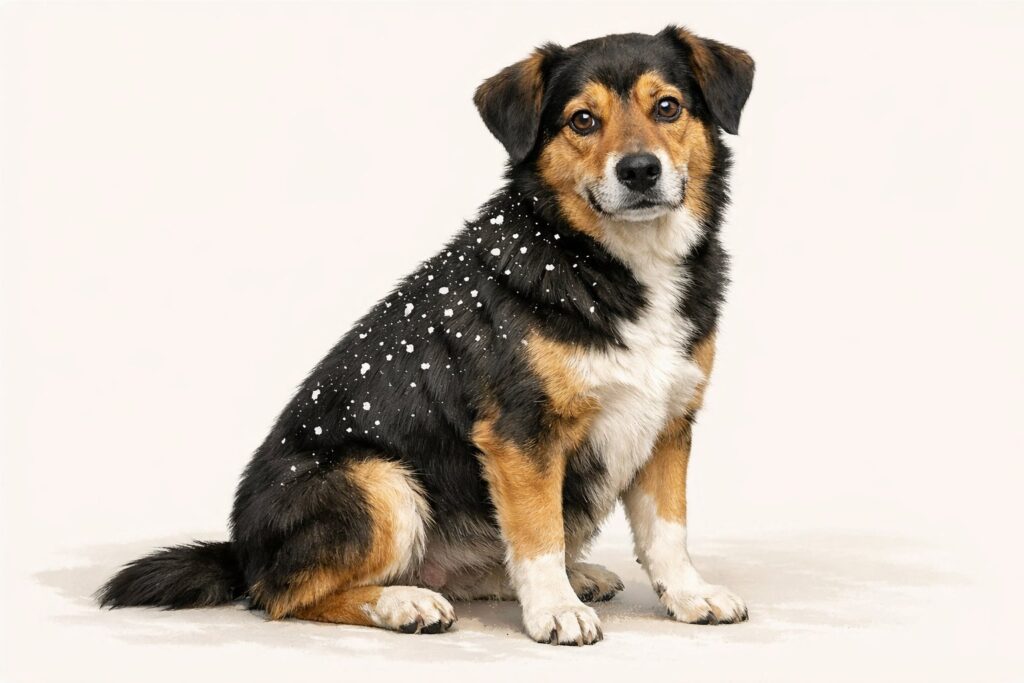
If your dog’s coat looks dull or dry, you probably want easy, safe steps that actually work. Here are seven natural remedies—nutrition, grooming, topical oils, baths, supplements, and gentle treatments—to help restore shine without harsh chemicals.
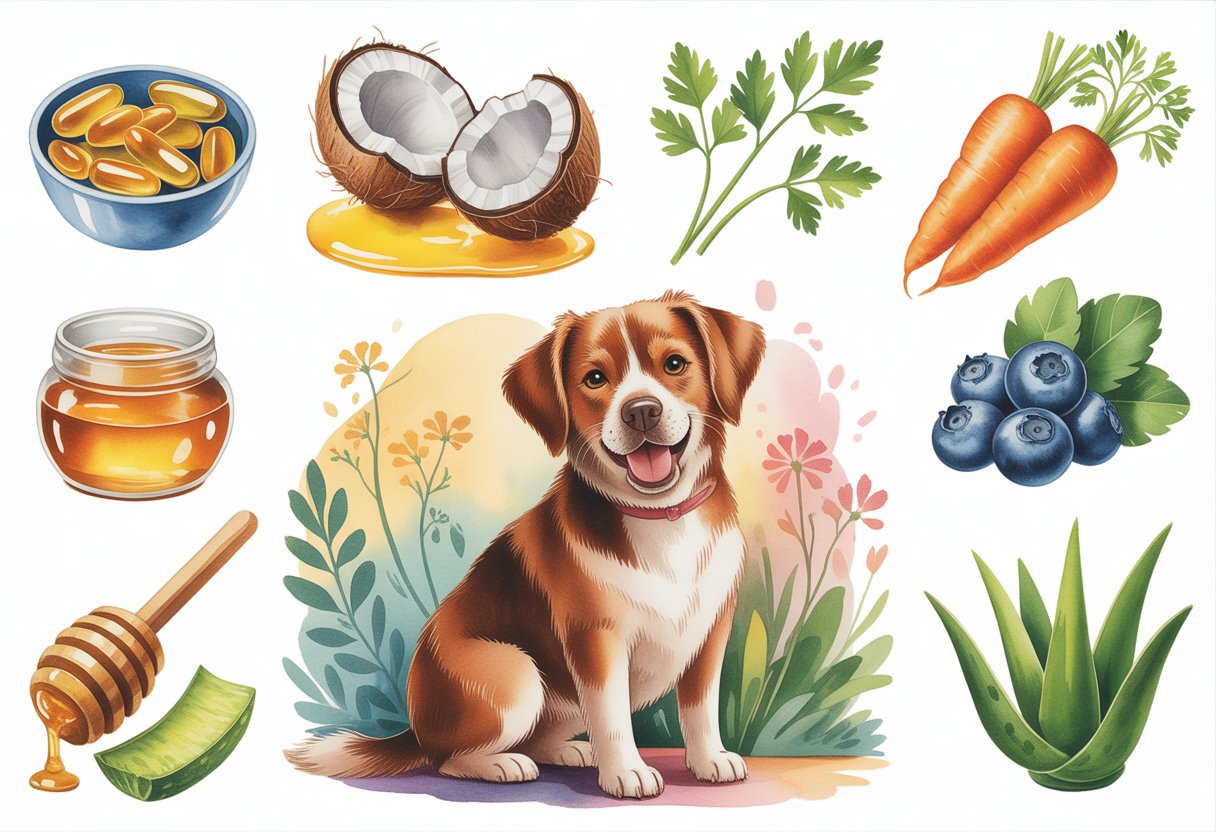
You’ll see what usually causes a dull coat and how to use these home remedies safely. These are real, everyday options that work with a good diet and regular care.
Balanced diet rich in omega-3 fatty acids
Feeding your dog foods high in omega-3 fats can really boost coat health. Omega-3s help the skin stay moist and the fur look shinier, and they support overall skin health.
Try fatty fish like salmon or sardines, or use fish oil supplements if fish isn’t practical. Plant sources like flaxseed and chia offer ALA, but honestly, dogs don’t convert it as well as fish-based omega-3s.
Bring in new foods slowly and watch for digestive changes or allergies. If you’re thinking about fish oil or supplements, check with your vet first—too much can cause blood-thinning or an upset stomach.
Don’t forget about protein, vitamins, and minerals. A complete diet helps your dog actually use those omega-3s, and over time, you’ll notice a healthier, glossier coat.
Regular grooming to remove dead hair and debris
Brush your dog at least a few times a week to get rid of dead hair and dirt. Brushing spreads natural oils so the fur looks smoother and less dull.
Pick a brush that matches your dog’s coat type. Slicker brushes work for long or curly fur, while bristle brushes are better for short coats.
Brush in the direction the hair grows and be gentle near the skin. Bathing helps, but don’t overdo it—use a mild, dog-safe shampoo and rinse well so nothing dries on the coat.
Look for mats and tangles and remove them with a comb or dematting tool. Regular grooming helps you catch skin problems, parasites, or broken hairs early.
Topical application of virgin coconut oil
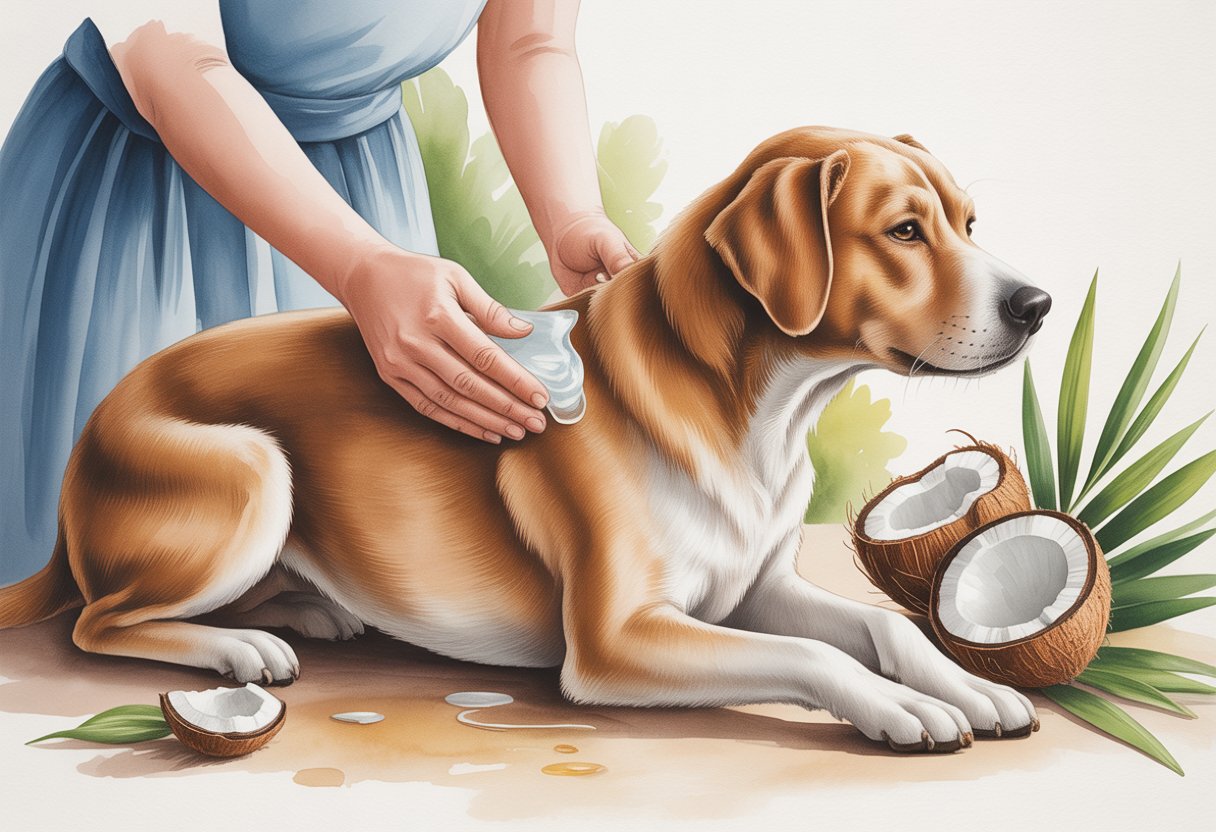
Virgin coconut oil can moisturize dry skin and add shine to a dull coat. Start with a pea-sized amount, rub it between your palms, and apply gently to dry or flaky spots.
Massage it in for a minute or two, but don’t overdo it—you want shine, not grease. Always do a patch test on a small area for a couple of days to check for irritation or too much licking.
If your dog tries to lick the oil, distract them or use a shirt until it absorbs. Skip this remedy if your dog has oily skin, acne, or pancreatitis.
Check with your vet before starting coconut oil if your dog has health issues or a special diet.
Oatmeal baths to soothe irritated skin
Oatmeal baths can calm itchy, dry skin and help your dog feel more comfortable. Colloidal oatmeal forms a barrier that soothes inflammation and reduces scratching.
Mix finely ground oats into warm water until it turns milky. Let your dog soak for 5–10 minutes, and keep the water shallow for smaller pups.
Use a soft cloth to rub the oatmeal water over irritated spots. Rinse lightly and dry your dog thoroughly so no dampness lingers.
You can do this once or twice a week, or follow your vet’s advice if your dog has ongoing skin problems. If the skin worsens or your dog seems in pain, stop and call your vet.
Adding fish oil supplements for EPA and DHA
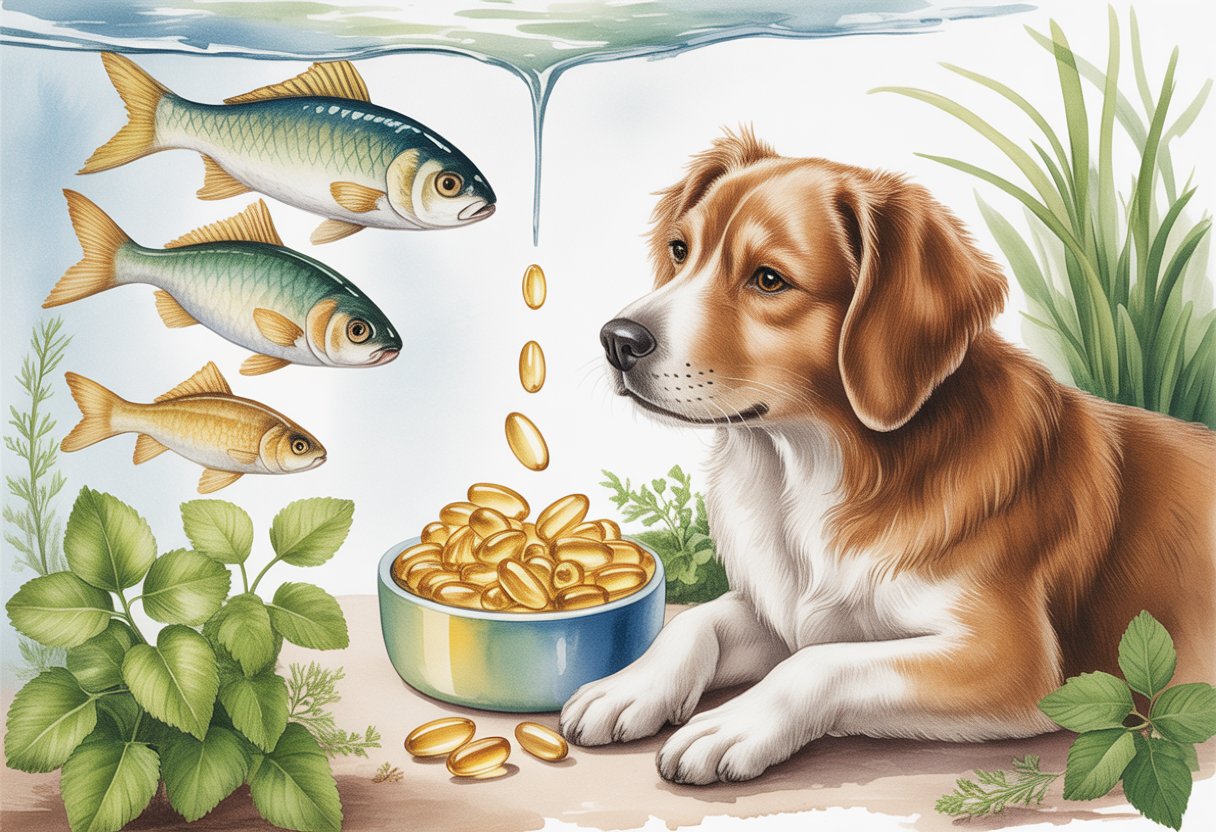
Fish oil gives your dog EPA and DHA, two important omega-3 fats that reduce inflammation and help skin health. Add a fish oil capsule or liquid to food—just make sure it’s made for pets.
Follow the label or your vet’s advice for dosing. Give it a few weeks to see improvement in shine and less flaking.
Watch for stomach upset or loose stools, and stop if you notice bleeding or weird bruising. Store fish oil in a cool, dark place so it doesn’t go bad.
If your dog’s on medication or has health issues, always ask your vet before starting supplements.
Egg yolk treatments for natural shine
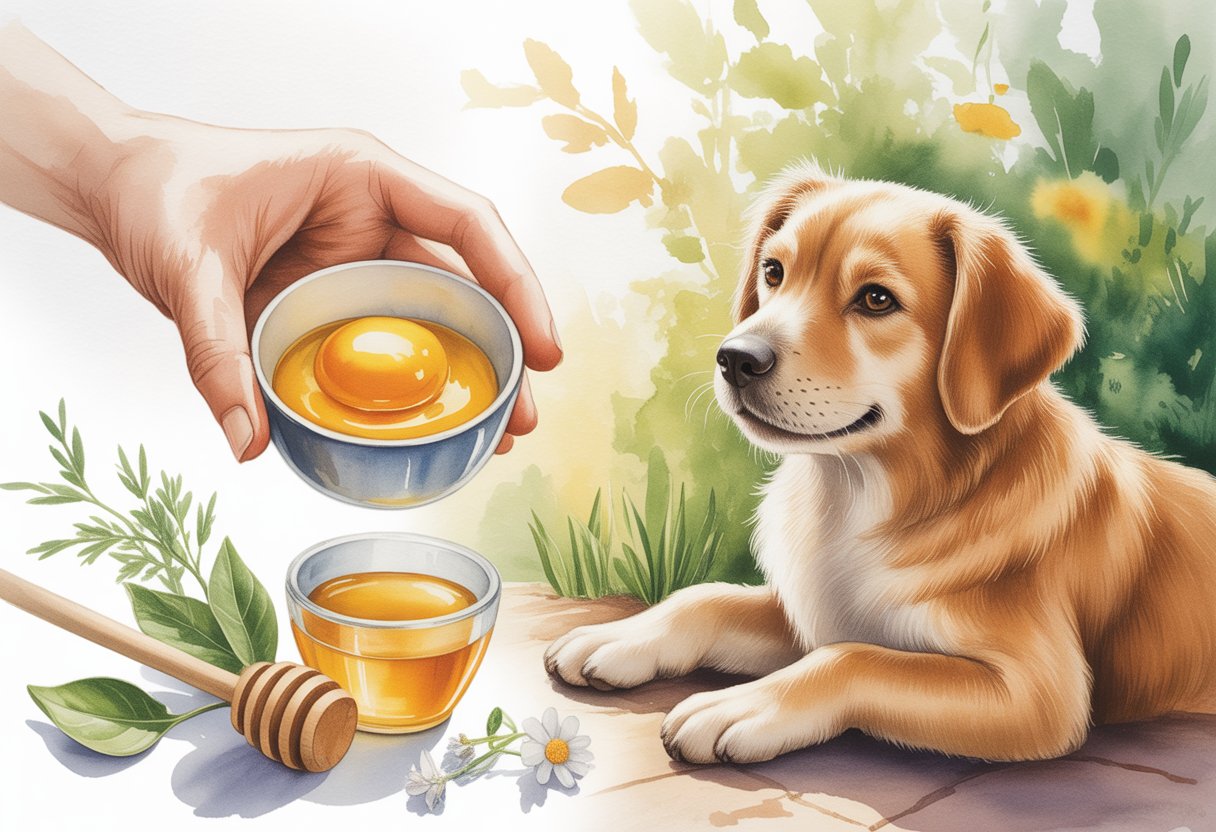
Egg yolks are loaded with biotin and healthy fats that can help moisturize your dog’s skin and coat. Mix one or two yolks with a little warm water for a simple conditioner.
Massage it into the fur, down to the skin, and let it sit for 5–10 minutes. Rinse thoroughly with lukewarm water and a mild dog shampoo.
Stick to plain eggs—skip salt, oil, or extras. Patch test first to check for allergies.
Use this once every 2–4 weeks. Good grooming and a balanced diet are still the main ways to keep your dog’s coat healthy.
Massaging almond oil into the coat
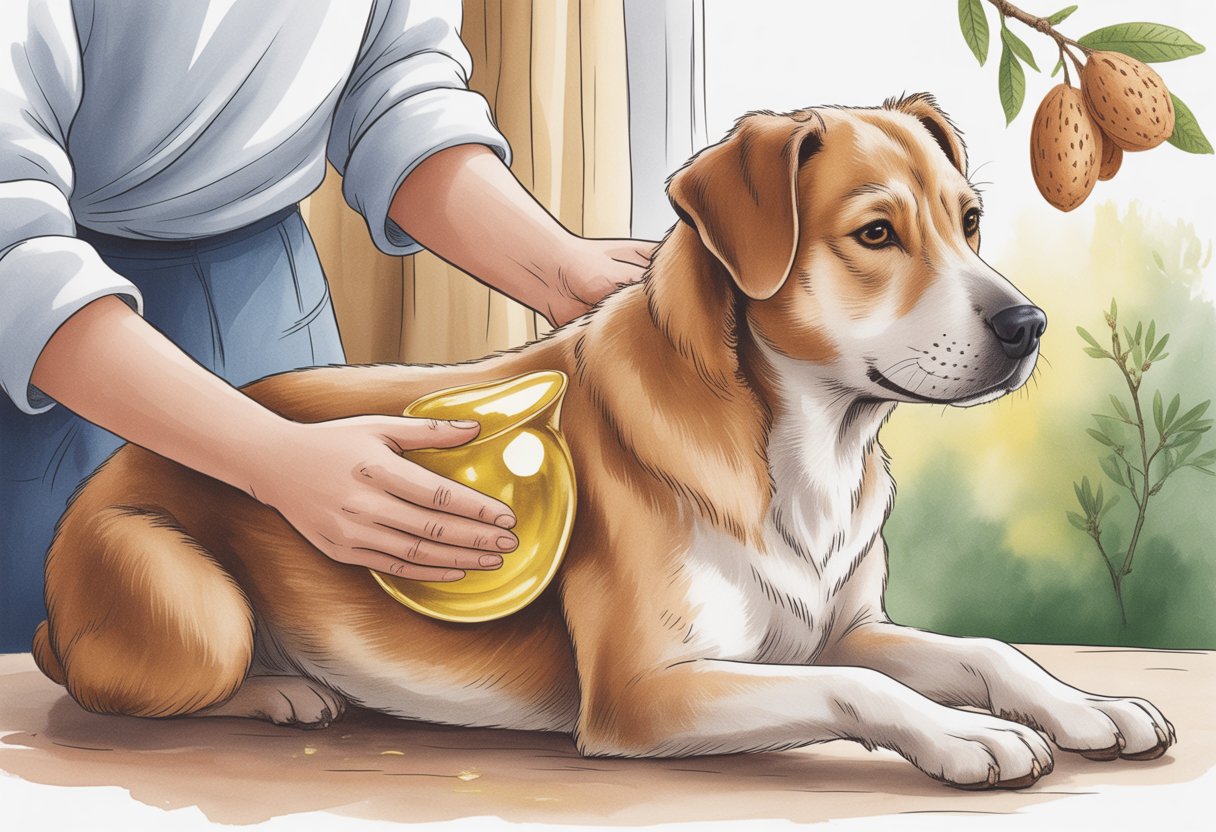
Sweet almond oil works as a gentle moisturizer for dry or dull fur. Warm a little between your palms first, so it spreads easily and isn’t cold.
Massage it in with slow, circular motions, focusing on dry spots and along the belly and legs. Avoid the eyes, nose, and ears.
Use light pressure to reach the skin without pulling fur. A short massage can calm your dog and boost blood flow.
Wipe off any extra oil with a soft cloth. Start with once a week and see how your dog’s coat responds before doing it more often.
Understanding Causes of Dull Coats in Dogs
A dull coat usually means something’s off—maybe in your dog’s environment, diet, or health. Figure out what fits your dog’s situation and you can pick the right remedy faster.
Common Environmental Factors
Dry indoor air, especially in winter, can strip oils from skin and fur. If your home’s heating runs a lot, expect low humidity and a brittle, flaky coat.
Outside, sun damage, dust, and swimming in chlorinated pools can fade shine. Over-bathing or using the wrong shampoo can irritate skin and strip oils.
Matted fur traps dirt and stops oils from spreading. Check for dust, smoke, or harsh cleaning chemicals in your dog’s space, since those can dull the coat too.
Nutritional Deficiencies
Omega-3 and omega-6 fatty acids control oil production and skin health. If your dog’s food lacks EPA, DHA, or linoleic acid, the coat dries out and loses luster.
Protein’s a big deal—hair is mostly keratin, so not enough protein or poor amino acids weakens it. Vitamins like A, E, zinc, and biotin also help with skin repair and hair growth.
If you’re not sure about your dog’s diet, take a look at the food label and see what’s really in there.
Underlying Health Conditions
Hormonal issues like hypothyroidism or Cushing’s disease can make coats dull and thin. These usually come with other signs—weight changes, tiredness, or more thirst.
Parasites like fleas, mites, or ringworm irritate the skin and lead to patchy, dull fur. Allergies (food or environmental) make dogs scratch and damage their hair.
Chronic infections or metabolic problems can change coat quality, too. If you see sudden changes, hair loss, sores, or behavior changes, it’s time for a vet visit.
Implementing Natural Remedies Safely
Use trusted remedies in small amounts and keep an eye on how your dog reacts. Get your vet’s input for new supplements, and track changes in skin, coat, and behavior to see what’s actually helping.
Consulting With Your Veterinarian
Always talk to your vet before starting any supplement, oil, or herbal remedy. Bring the label or ingredient list and explain your reasons for trying it.
Mention any meds or health problems like liver disease, pancreatitis, or allergies. Sometimes, common options—fish oil, coconut oil, or herbs—just aren’t safe for every dog.
If you change foods or add omega supplements, ask your vet how long before you’ll see results and what warning signs to watch for. Get clear dosing instructions and possible side effects so you can act quickly if needed.
Monitoring Your Dog’s Progress
Keep a simple log with dates, treatments, and little notes on what you notice. Jot down things like coat shine, shedding, skin flakes, itchiness, appetite, or stool changes.
Take some photos every couple of weeks. They’ll help you spot subtle improvements you might otherwise miss.
Watch for any adverse reactions: vomiting, diarrhea, extra scratching, swelling, or just plain lethargy. If any of that pops up, stop the remedy and call your vet right away.
Try not to adjust more than one thing at a time. Switch up the oil or food, then give it a few weeks before adding something else. That way, you actually know what’s working—and your dog stays safer.