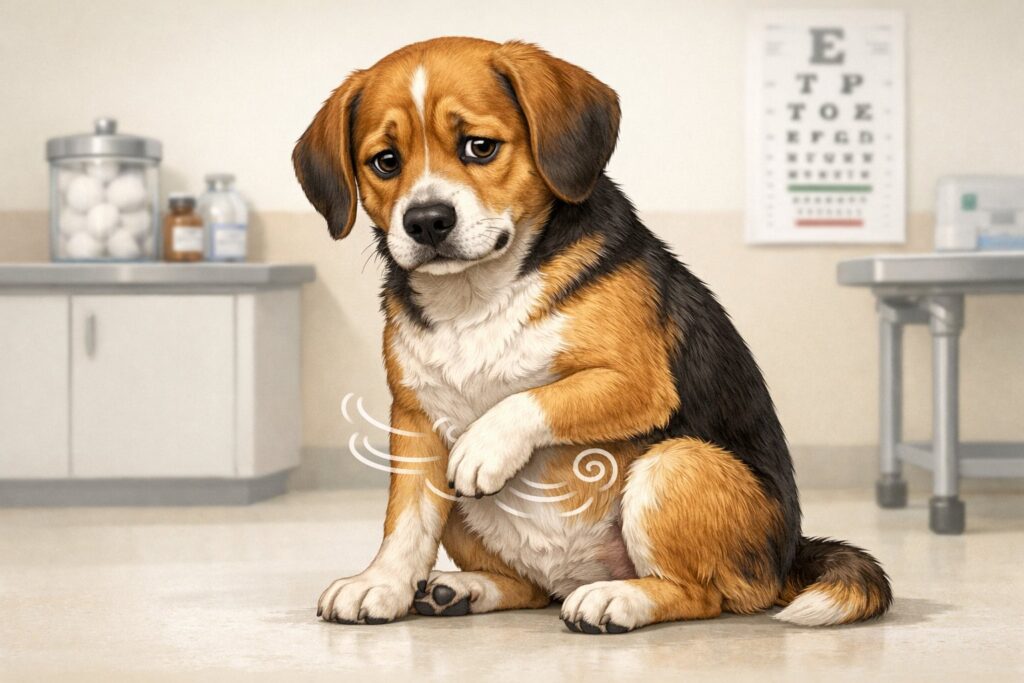
Your dog’s upset stomach can really worry you, but there are a few safe, easy things you can try at home to help them feel better.
Here are nine natural remedies you can use to calm their digestion, keep them hydrated, and help restore normal stool—without going straight to medication.
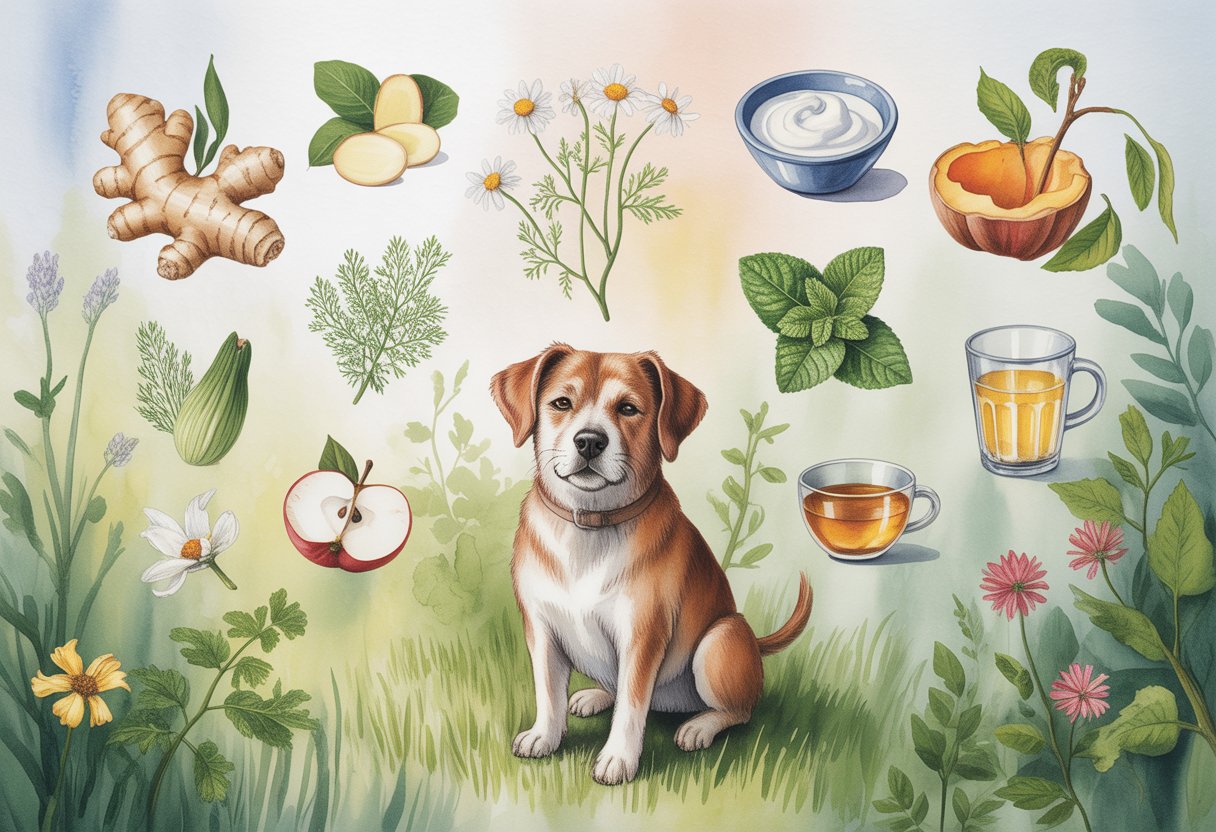
Let’s look at some practical, vet-approved ways to tackle nausea, loose stool, and mild GI upset.
You’ll also see when it’s time to stop home care and get help from your vet.
These steps focus on gentle foods, soothing supplements, and easy options you probably already have at home.
Boiled white rice to soothe irritation and firm stools
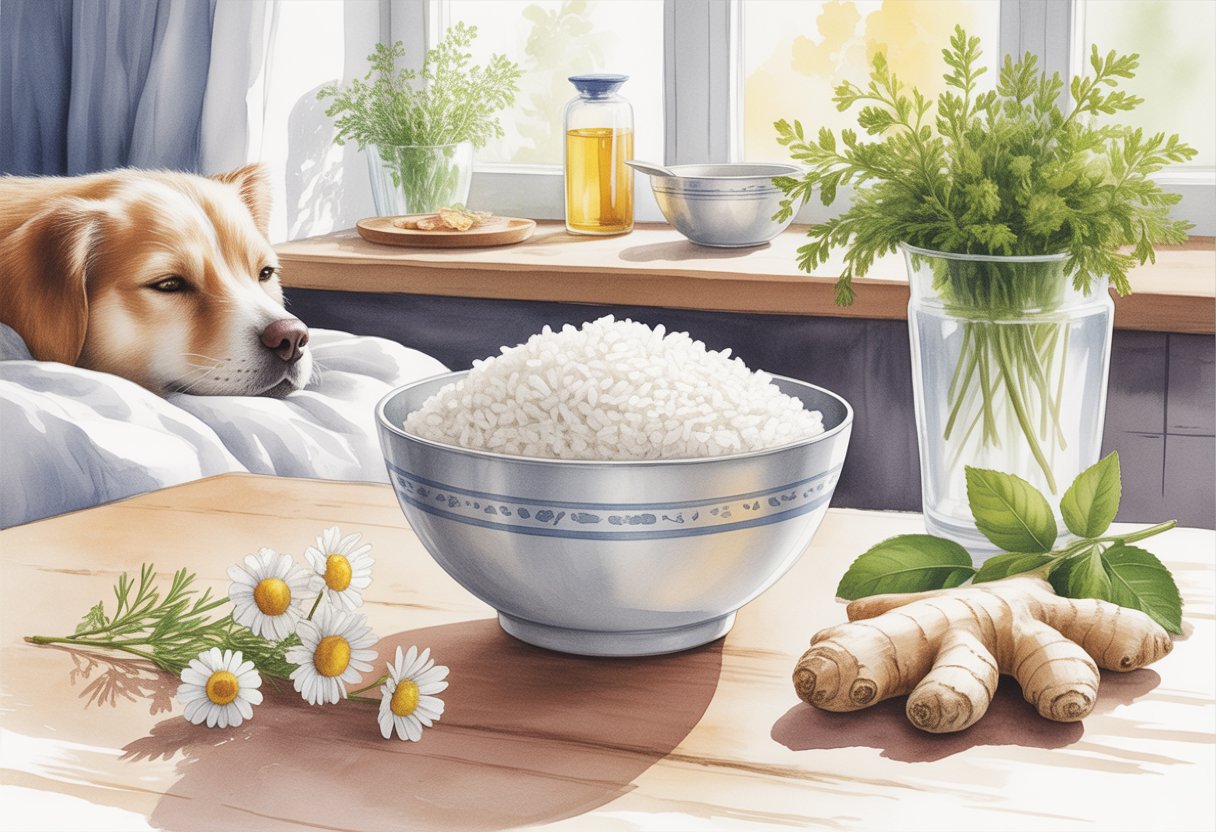
Boiled white rice is easy on your dog’s stomach and simple to digest.
It can help slow down stomach upset and firm up stools, with no added fats or spices.
Cook plain white rice in plenty of water until it’s soft.
Skip the salt, butter, or seasonings—they just irritate your dog.
Offer small, frequent portions mixed with a little plain boiled chicken or even rice water if your dog feels nauseous.
Start with a tablespoon or two for small dogs, and increase slowly if they tolerate it.
Try rice for a day or two and keep an eye out for improvement.
If you notice vomiting, blood in stool, or your dog seems very tired, stop and call your vet.
Plain pumpkin puree for gentle fiber and digestion support

Plain canned pumpkin puree can really help a dog’s upset stomach.
It’s got both soluble and insoluble fiber, so it can firm up loose stools or soften hard ones, depending on what your dog needs.
Start small—a teaspoon to a tablespoon with food, once or twice a day, based on your dog’s size.
Watch for changes in stool, appetite, or comfort, and stop if your dog gets worse.
Use only plain pumpkin puree, not pumpkin pie filling.
Pumpkin pie filling has sugar and spices that can be harmful.
If your dog has sodium or kidney issues, check labels for added salt or go for low-sodium.
Pumpkin can sometimes cause gas or bloating, especially if your dog’s gut is already sensitive.
If you notice more gurgling, bloating, or diarrhea, it’s time to call your vet.
Ginger in small amounts to reduce nausea and inflammation
A little ginger can help with mild nausea and stomach upset in dogs.
Ginger contains natural compounds that ease cramps and calm an upset stomach when you use it carefully.
Try fresh grated ginger or a small piece of cooked root mixed into food.
A pinch to 1/4 teaspoon for small dogs, up to 1/2 teaspoon for big ones, is usually fine, but it’s smart to check with your vet first.
Don’t give ginger to dogs with bleeding problems or those on blood thinners.
Start with a tiny amount and watch for appetite changes or vomiting.
If your dog’s symptoms stick around, get veterinary help.
Ginger’s great for mild cases, but it won’t replace a real diagnosis if things get serious.
Probiotics specially formulated for dogs to restore gut flora
Dog-specific probiotics help restore your pet’s gut bacteria after a stomach upset.
These probiotics have strains like Lactobacillus, Bifidobacterium, or Enterococcus that are actually chosen for dogs—not humans.
Follow the label or your vet’s directions.
You’ll find powders, chews, or capsules, so dosing is pretty easy.
Start with a short course when your dog has loose stool, and keep going if your vet says to.
Probiotics can cut down diarrhea, help with gas, and support nutrient absorption, but they’re not magic—they work best with a good diet and vet care.
If your dog has severe symptoms, immune issues, or you see bloodwork changes, talk to your vet before you start any supplement.
Watch for improvement, and stop if you see any bad reactions.
Bone broth to hydrate and provide easy-to-digest nutrients
Bone broth gives your dog extra fluids and a bit of flavor, which helps if they’re not drinking much.
The high water content helps rehydrate your pup after vomiting or diarrhea.
It also has gentle proteins and minerals that won’t upset a sensitive stomach.
Use plain, low-sodium broth made from simmered bones and veggies.
Skip onions, garlic, and added salt.
Offer small amounts at first and watch for any issues.
If your dog has a fever, blood in their stool or vomit, or a serious illness, call your vet before trying home remedies.
For mild, routine stomach upset, bone broth can be a soothing, simple option.
Slippery elm powder mixed with water for mucous membrane protection
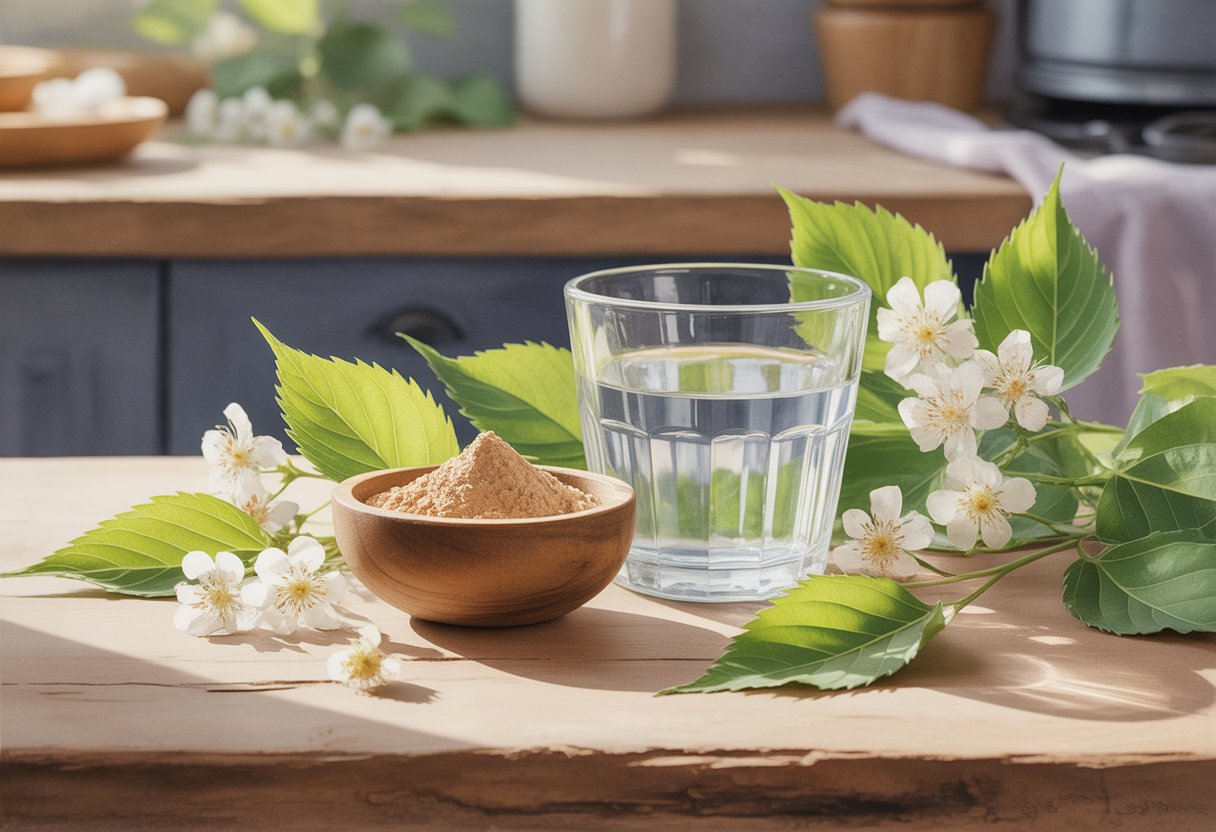
Mix slippery elm powder with water to make a soothing gel that coats your dog’s digestive tract.
The powder swells up and forms a thick paste that can protect irritated stomach lining.
Give the gel by mouth, either mixed into a bit of food or with a syringe if your dog’s picky.
Start with a low dose based on your dog’s weight, and increase if needed.
Use cold or room-temperature water to whisk up a smooth slurry.
It should be thick but easy to swallow—add more water if it’s too dense.
Watch for improvement within a day or two.
If your dog reacts badly, stop right away.
Check with your vet first if your dog takes other meds or has chronic health problems.
Plain canned pumpkin over fresh pumpkin for digestive consistency
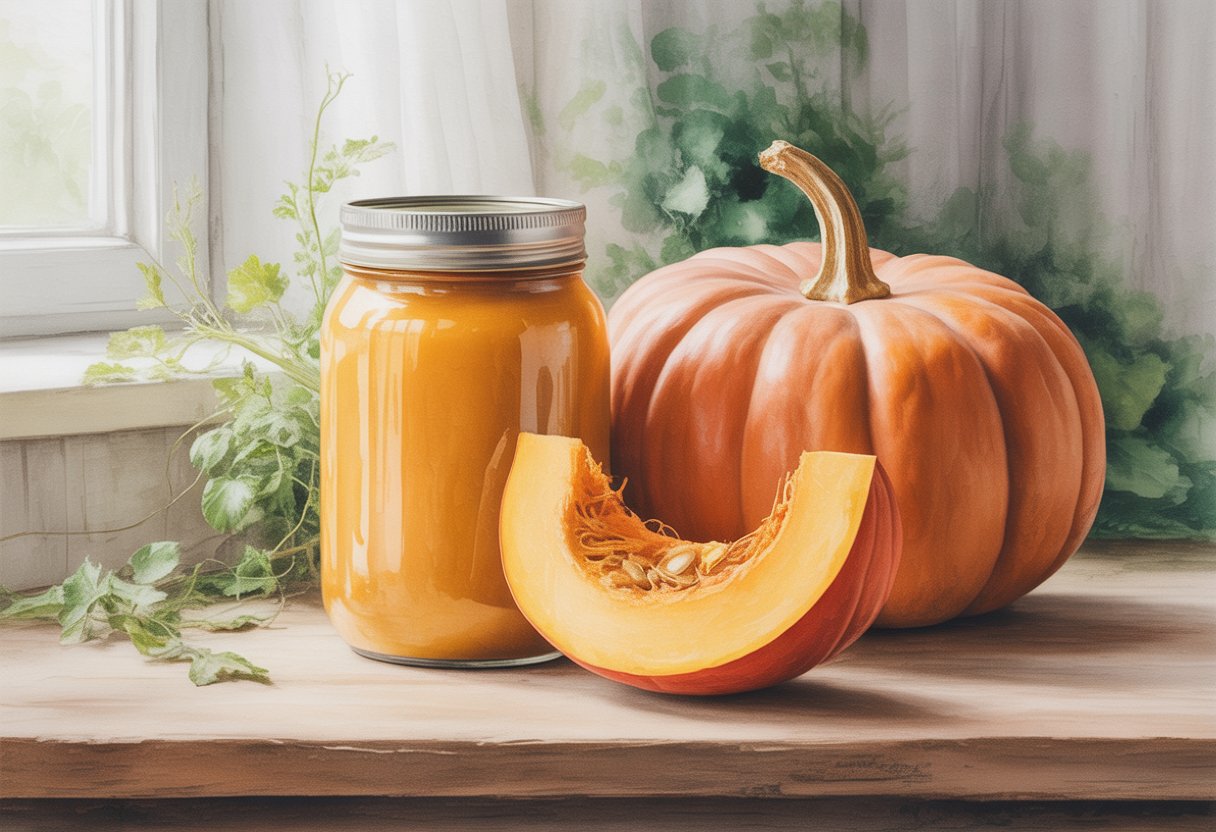
If your dog has loose stool or mild constipation, plain canned pumpkin usually works best.
It’s got a smooth, steady texture that mixes easily with food.
Canned pumpkin is more concentrated in soluble fiber than most fresh pumpkin.
That fiber helps absorb water in the gut to firm up stool—or adds bulk to help things move.
Avoid pumpkin pie filling and any canned pumpkin with spices, sugar, or salt.
Start with a teaspoon for small dogs, a tablespoon for big ones, and see how your dog does.
If things don’t improve or get worse, check with your vet before giving more.
Boiled white potatoes to calm upset stomachs without added seasoning
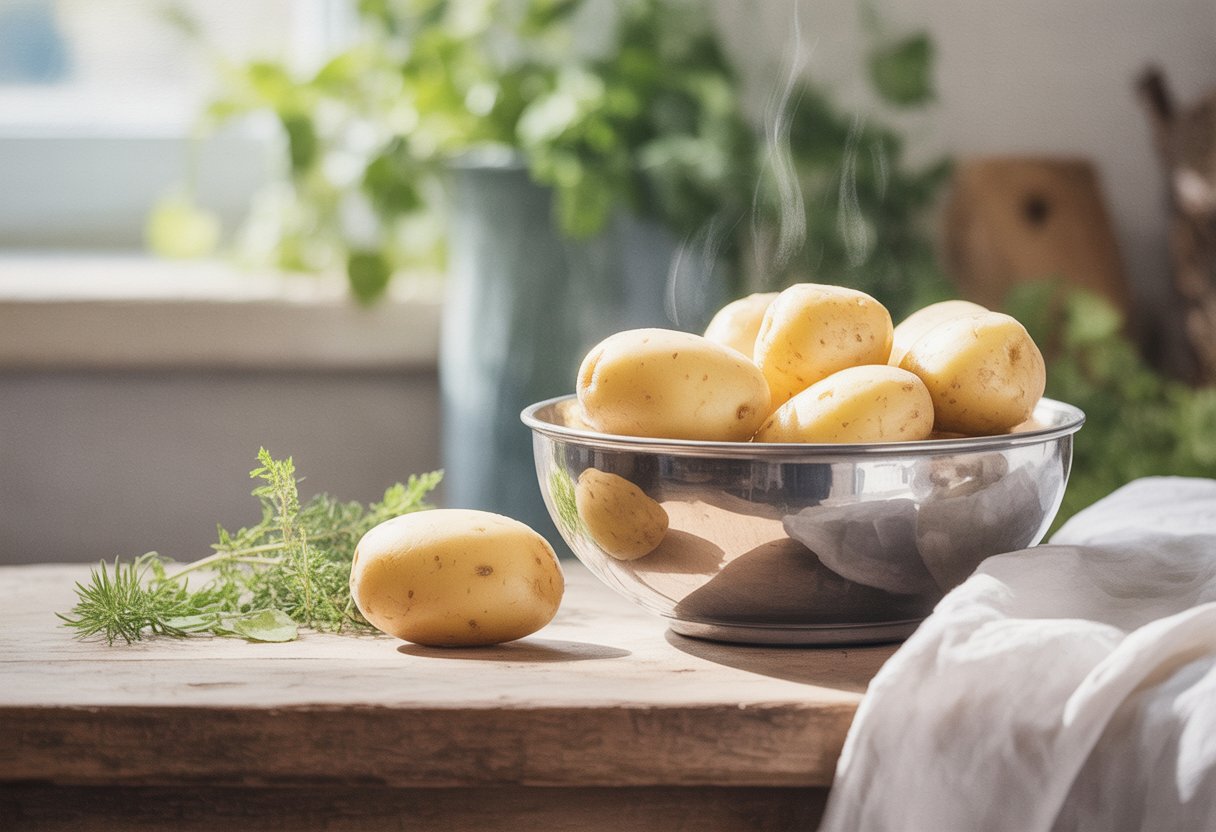
Plain boiled white potatoes can help settle a mild upset stomach.
They’re bland and starchy, making them gentle on the gut and easy to digest compared to fatty or spicy foods.
Peel and boil the potatoes until soft, then mash or dice into small pieces.
Don’t add salt, butter, oil, milk, or seasonings—those just make things worse.
Mix a small amount into their normal food or feed alone for one meal.
Watch for improvements in appetite, energy, or stool.
If things don’t get better, stop and call your vet.
Never feed raw potatoes, green bits, or potato skins—they’re tough to digest and can be toxic.
Boiled potatoes are just a short-term, bland option, not a full diet, so don’t use them for long.
Small portions of plain cooked chicken breast for protein without fat
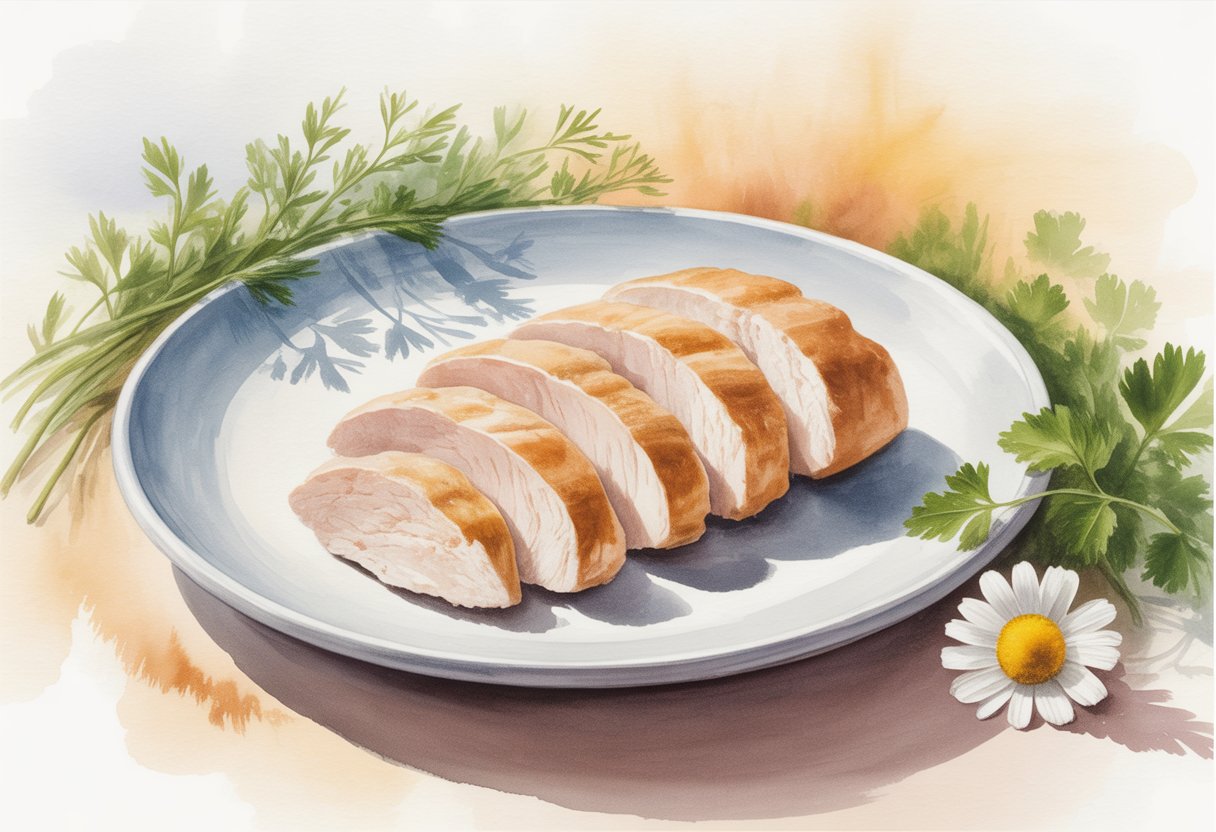
Plain, cooked chicken breast gives your dog lean protein without extra fat.
It’s easy to digest and gentle on an upset stomach.
Cut or shred the chicken into small pieces and serve in small amounts.
Too much protein at once can overwhelm their stomach, so spread out small feedings through the day.
Use boneless, skinless chicken cooked without oil, salt, or spices.
Boiling or poaching works best—it keeps the meat moist and washes away fat.
Watch for improvement, but if your dog’s symptoms last more than a day or two, call your vet before continuing.
Understanding Canine Digestive Health
Your dog’s stomach and intestines work a lot faster than yours and react quickly to new foods, stress, or things they shouldn’t eat.
Knowing the usual causes and clear signs helps you act fast and pick the right home remedy—or know when to get your vet involved.
Common Causes of Upset Stomach in Dogs
Dogs get upset stomachs from sudden diet changes, table scraps, or rich treats.
Eating garbage, spoiled food, or nonfood items (like toys or socks) can really irritate the gut and sometimes cause blockages.
Food intolerances and allergies to proteins or grains might show up after repeated exposure, not right away.
Certain meds, like antibiotics or NSAIDs, often cause diarrhea or nausea as side effects.
Infections—viral, bacterial, or parasitic—bring on vomiting and loose stool.
Stress from travel, boarding, or new routines can throw digestion off, too.
Chronic conditions like pancreatitis, inflammatory bowel disease, or organ disease can cause recurring stomach issues that need a vet’s diagnosis.
Signs and Symptoms to Watch For
Watch for vomiting, diarrhea, or a sudden drop in appetite—those are the most common signs.
Keep an eye on stool frequency, color, and consistency. Black, tarry stool or bright red blood means you need to call your vet right away.
Notice their energy levels and hydration. If your dog seems weak, drinks a lot, or has dry gums, dehydration might be starting.
Repeated vomiting, a swollen or painful belly, or signs of pain like whining or pacing mean you should get help fast.
Track how long symptoms last. One mild episode of vomiting or loose stool after a known reason might not be a big deal.
But if symptoms stick around for more than a day or two, get worse, or show up in puppies, seniors, or dogs with weak immune systems, it’s time for a vet visit.
When to See a Veterinarian
If you spot severe signs like repeated vomiting, bloody diarrhea, high fever, lethargy, or clear pain, don’t wait. Go get professional care.
Warning Signs That Require Immediate Attention
Head to the vet right away if your dog vomits more than twice in a few hours or has bloody or black diarrhea.
Vomiting or diarrhea lasting over a day can cause dehydration and mess with electrolytes.
Look for these urgent signs:
- Weakness, collapse, or extreme lethargy
- Trouble breathing or pale/blue gums
- Repeated vomiting, especially with bile or blood
- Severe abdominal pain, distended belly, or hard abdomen
- High fever (over 104°F / 40°C) or seizures
If your dog eats something toxic—chocolate, xylitol, or household chemicals—or swallows a big foreign object, get help now.
Try to note what and when they ate it. That info really helps the vet decide what to do next.
How to Prepare for a Veterinary Visit
Jot down a quick timeline of your pet’s symptoms. Note when the vomiting started, any stool changes, appetite shifts, or new foods and toxins your pet might’ve encountered.
List out all medications, supplements, and even treats your dog’s had lately. Include amounts and times, even if you’re not totally sure.
Scoop up a fresh stool sample in a clean plastic container if you can. If the mess is tough to bring, snap a quick photo of the vomit or stool.
Use a short leash for the visit. If your dog gets cold or anxious, toss in a towel or blanket.
The vet will check your dog’s vitals and might hydrate them. They may suggest blood work, X-rays, or fecal tests too.
Be ready to approve urgent treatments if needed. Ask about costs and whether your dog might need to stay overnight before anything starts.