A Canaan Dog can be loyal, athletic, and deeply connected to your family. Its primitive-dog instincts shape how it learns and responds.
You are working with an alert, independent breed. It may question unfamiliar people, sounds, dogs, and routines rather than accepting them without hesitation.
Small choices made early can prevent barking, fear, territorial behavior, and unsafe roaming from becoming established habits.
1. Expecting Golden Retriever-Style Obedience From An Independent Canaan Dog
A Canaan Dog may understand a cue and still pause to assess whether following it makes sense. That independent response is part of the breed’s history as a self-reliant desert and guardian dog, not proof that your dog is unintelligent or stubborn.
Use short, varied training sessions with food rewards, praise, toys, and clear boundaries. Practice in several locations so your dog learns to respond despite mild distractions.
Repeating the same drill too long often causes your dog to disengage. Reward fast choices, calm attention, and voluntary check-ins.
When you stay patient and consistent, your Canaan Dog is more likely to cooperate without feeling pressured.
2. Skipping Early Stranger Socialization During The Sensitive Puppy Period
Your puppy’s natural caution toward strangers can become fear or reactivity when unfamiliar experiences are delayed. The sensitive puppy period is a valuable time to create calm, positive associations with people, sounds, surfaces, vehicles, handling, and new settings.
Introduce visitors one at a time and let your puppy choose whether to approach. Give treats when your puppy notices a person without lunging, hiding, or barking.
Socialization does not mean forcing friendly contact. Keep exposures brief and below your puppy’s stress limit.
A few successful minutes can teach more than a crowded outing that leaves your dog overwhelmed. Continue these controlled experiences through adolescence.
3. Using Punishment Or Harsh Corrections For Alert Barking
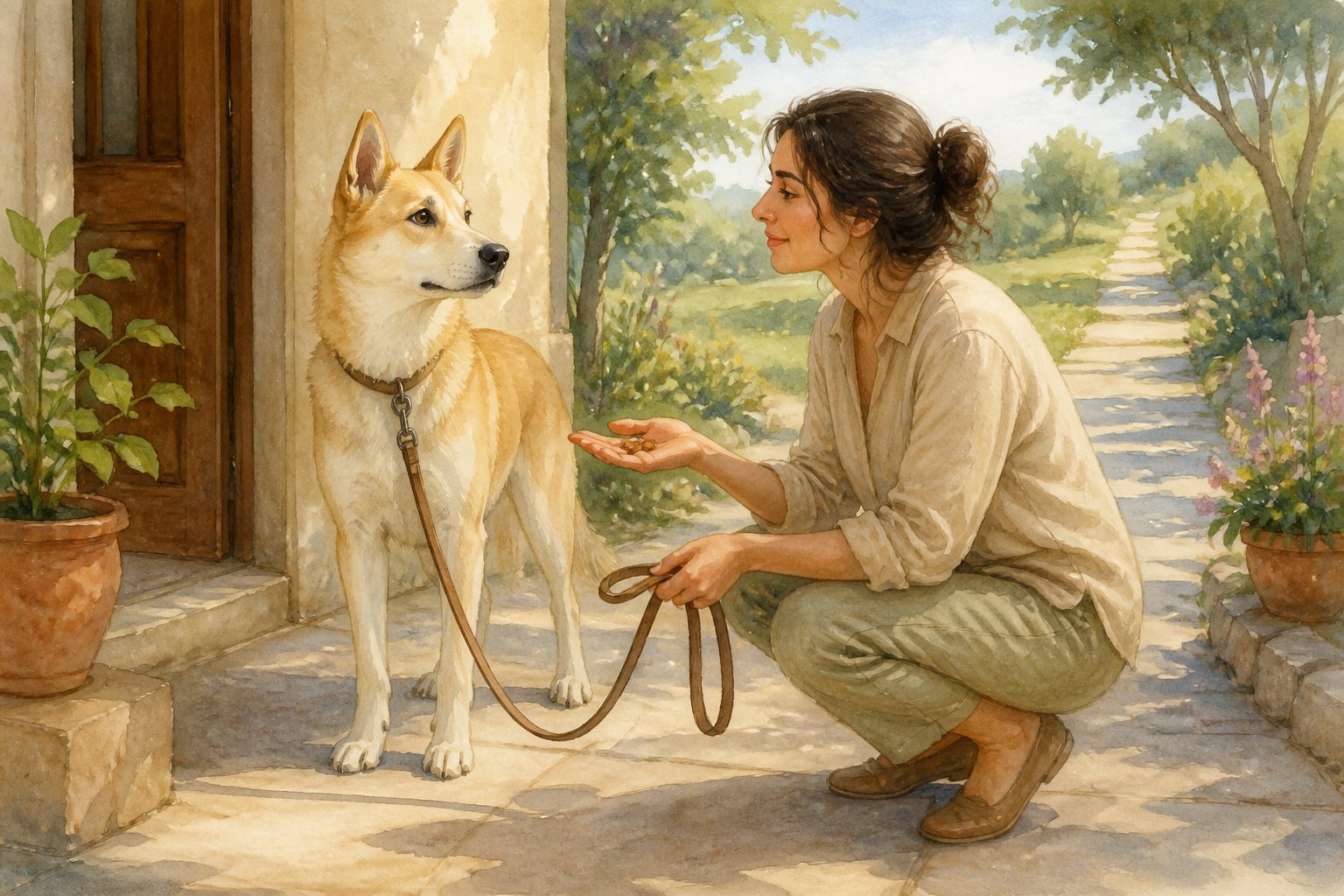
Alert barking is a normal Canaan Dog behavior, especially near doors, windows, fences, and unfamiliar sounds. Harsh corrections may increase anxiety and make your dog more determined to warn you.
Teach a calm response such as “thank you,” “quiet,” or “go to mat.” When your dog alerts, acknowledge the signal, check the trigger, and guide your dog away from the doorway.
Reward silence, relaxed body language, and attention toward you. Manage the environment while training.
Use window film, white noise, closed curtains, or a baby gate to reduce repeated rehearsal. If barking suddenly increases, ask your veterinarian to rule out pain, illness, or age-related changes.
4. Letting A Canaan Dog Rehearse Fence Running And Territorial Patrols
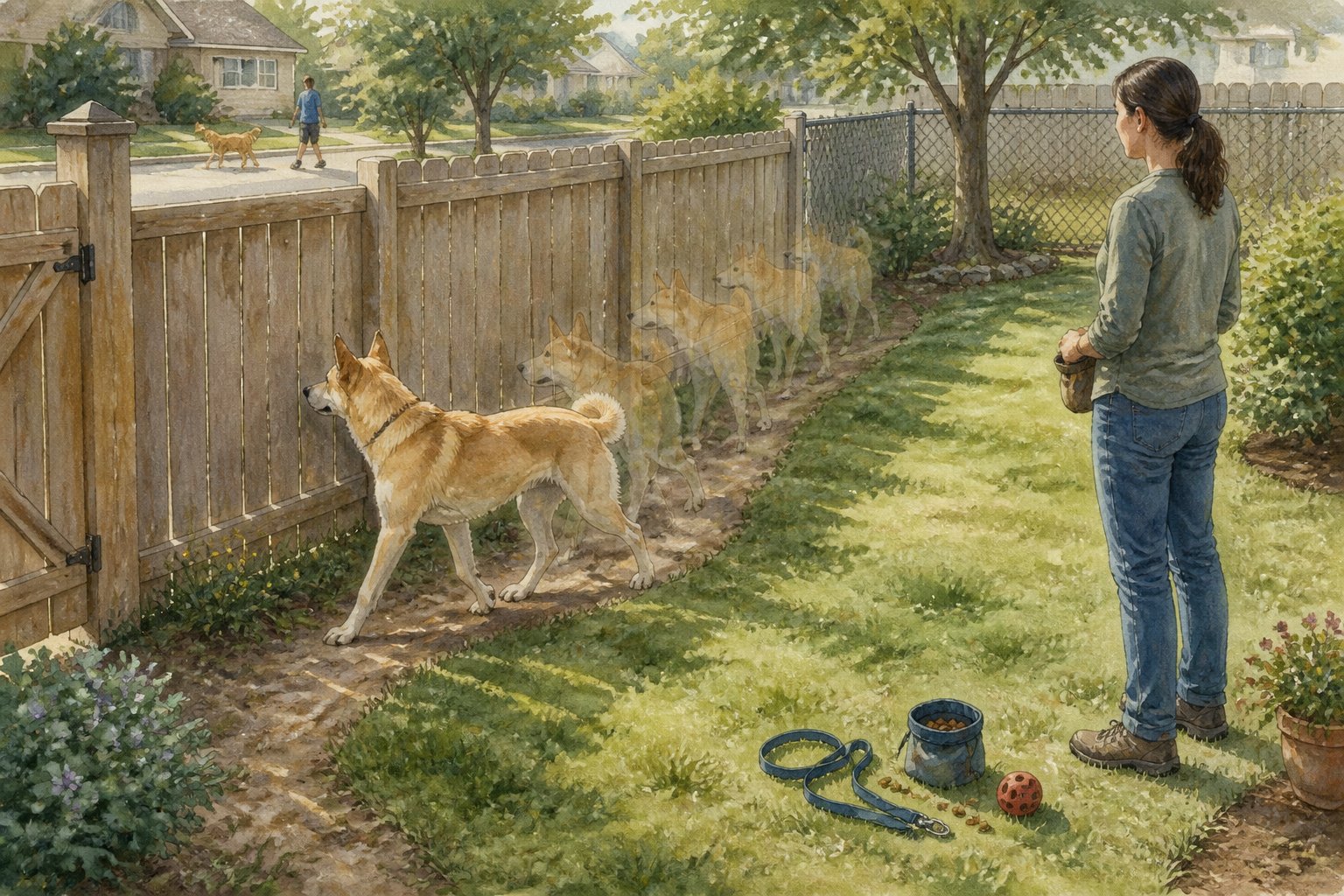
Repeated fence running teaches your Canaan Dog that every passerby, animal, and vehicle deserves a chase or alarm. Each rehearsal can strengthen territorial arousal and make the behavior harder to interrupt.
Inspect the fence for gaps, climbing points, and visual openings. Add privacy screening where appropriate, and do not leave your dog outside unsupervised for long periods.
A secure yard is useful, yet it should not replace interaction and training. Call your dog away before it reaches full intensity, then reward a turn toward you.
Provide structured yard games, scent searches, and short training sessions instead of passive patrol time. If neighborhood triggers are intense, use a leash or long line during outdoor practice.
5. Taking A Newly Adopted Canaan Dog Straight To A Busy Dog Park
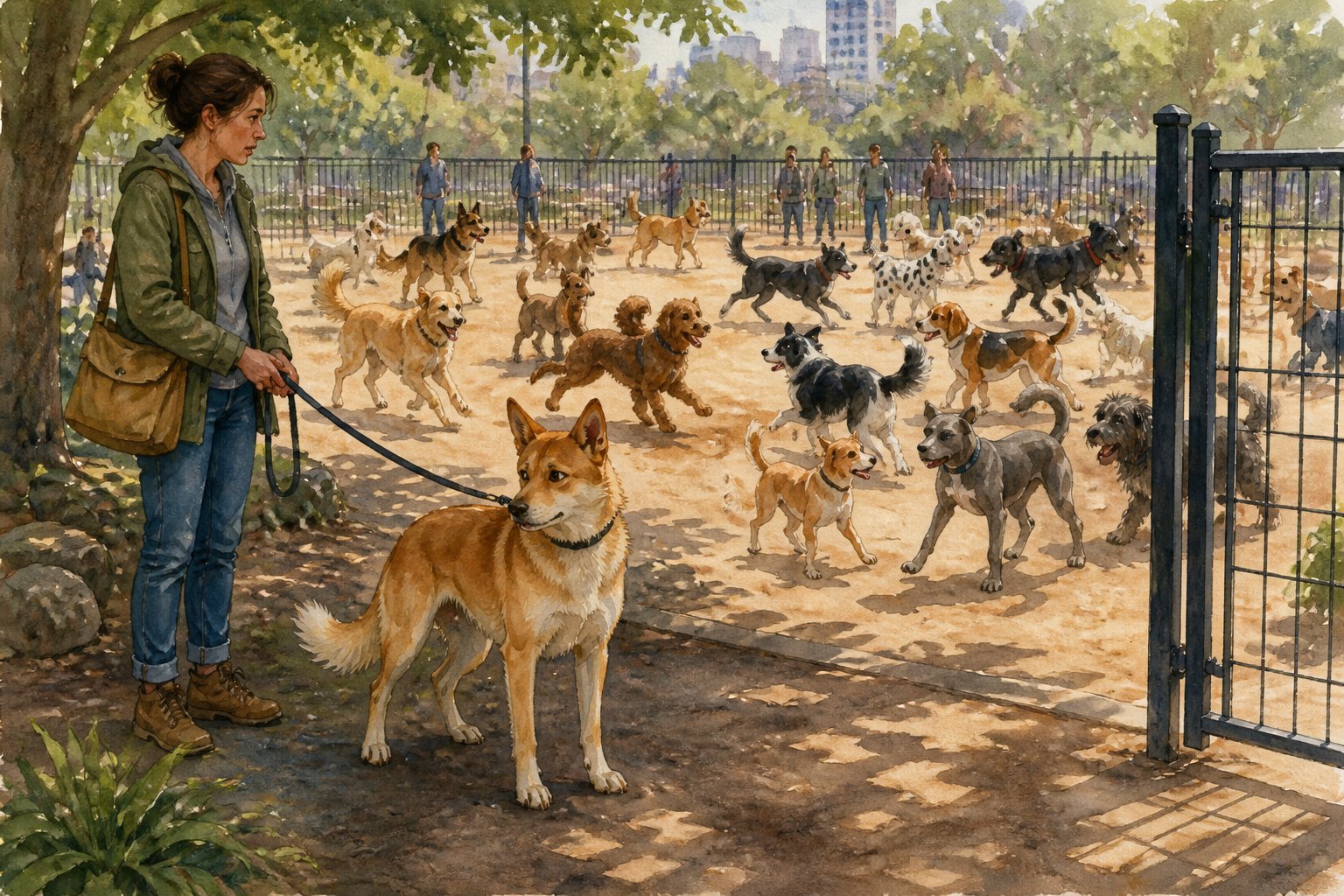
A newly adopted Canaan Dog needs time to decompress before facing a crowded dog park. Unknown dogs, sudden movement, loud play, and tight spaces can overwhelm a cautious breed and create lasting negative associations.
Start with predictable walks, quiet sniffing areas, and calm observation from a distance. Learn your dog’s signals, including lip licking, freezing, tucked posture, hard staring, and repeated scanning.
These signs tell you to increase space. When your dog is settled, arrange parallel walks with a compatible dog and a skilled handler.
Choose neutral ground and allow gradual interaction. A dog park is not required for social development, and many Canaan Dogs do better with controlled, selective friendships.
6. Relying On A Backyard Instead Of Daily Purposeful Exercise

A yard gives your Canaan Dog room to move, yet it rarely provides enough novelty or direction by itself. Many dogs simply patrol, dig, or wait by the door instead of exercising in a useful way.
Build daily activity around brisk walks, sniffing, hiking, fetch, agility foundations, or structured play. Let your dog explore safely while you remain involved.
Adjust intensity for age, weather, fitness, and veterinary guidance. Watch for signs that the routine is too demanding, such as persistent fatigue, soreness, reluctance to move, or irritability.
Puppies need protection from excessive impact while their joints develop. Older dogs may benefit from shorter outings spread across the day.
7. Ignoring Mental Work Such As Scent Games And Problem-Solving Training
Physical exercise alone may leave an intelligent Canaan Dog restless. Scent work, food puzzles, shaping games, trick training, and simple problem-solving tasks give your dog an appropriate outlet for natural investigation.
Hide treats around one room and release your dog to search. Feed part of a meal through a puzzle toy, or teach your dog to touch a target, find a named object, or settle on a mat.
Rotate activities to keep them fresh. Choose enrichment that matches your dog’s skill level.
Frustration, frantic pawing, or abandoning the task means you should make it easier. Supervise chews and puzzle toys, especially when you introduce a new item.
8. Allowing Off-Leash Freedom Before Building A Reliable Recall
A Canaan Dog may chase wildlife, investigate distant movement, or make an independent choice when a distraction appears. A fenced area is safer than an open park, road, or trail until recall is dependable.
Begin recall practice indoors, then move to a secure yard and quiet outdoor locations. Use a long line, high-value rewards, and a cheerful cue that you do not repeat constantly.
Reward your dog generously for turning toward you and returning all the way. Never punish your dog for coming back, even after a delay.
You want the recall cue to predict safety and good outcomes. Keep identification current and use a secure harness or collar during training.
9. Forcing Greetings With Visitors, Children, Or Unfamiliar Dogs
A Canaan Dog does not need to greet every person or dog. Forcing contact can turn normal reserve into defensive behavior, especially when your dog feels trapped or touched without permission.
Give your dog a quiet retreat before guests arrive. Ask visitors to ignore your dog at first, avoid leaning over it, and allow the dog to approach voluntarily.
Reward calm observation from a comfortable distance. Teach children to respect space, sleeping areas, food, toys, and warning signals.
Use gates, a leash, or a separate room when supervision is not possible. With unfamiliar dogs, favor parallel walking and gradual introductions over face-to-face pressure.
10. Delaying Veterinary Screening For Hip, Eye, And Thyroid Concerns
Canaan Dogs are generally hardy, yet responsible care still includes preventive veterinary monitoring. Hip dysplasia, patellar luxation, eye disease such as progressive retinal atrophy, hypothyroidism, epilepsy, allergies, and obesity-related joint stress can affect individual dogs.
Schedule regular wellness exams and discuss age-appropriate screening with your veterinarian. Report changes such as stiffness, reduced stamina, weight gain, unusual thirst, coat changes, vision problems, seizures, or shifts in behavior.
If you are choosing a puppy, ask the breeder about orthopedic, eye, and relevant genetic testing for the parents. Keep records of results, vaccinations, parasite prevention, dental care, nutrition, and body condition so small changes are easier to spot.
Building A Canaan Dog-Friendly Daily Routine
Predictable Exercise And Rest
Plan activity at consistent times, with a mix of walks, sniffing, training, and play. Follow stimulating periods with quiet rest so your dog does not remain on constant alert.
A predictable schedule can support better sleep and calmer behavior.
Visitor Management Plans
Prepare a mat, leash, treats, baby gates, and a quiet room before guests arrive. Give your dog choices, control distance, and reward calm behavior rather than demanding interaction.
Safe Enrichment Options
Use supervised scent games, durable food puzzles, training exercises, chew items, and rotating toys. Check each item for damage, choking risks, and suitability for your dog’s size and chewing style.
When To Get Professional Training Support
Selecting A Reward-Based Trainer
Choose a trainer who uses positive reinforcement, management, gradual exposure, and clear skill-building. Ask about experience with primitive breeds, territorial behavior, fearful dogs, and Canaan Dog temperament.
Avoid professionals who rely on intimidation, pain, or dominance claims.
Signs A Veterinary Behaviorist May Help
Seek veterinary behavior support for escalating aggression, panic, severe separation distress, repeated bite attempts, sudden behavior changes, or anxiety that prevents normal living. Medical causes, medication, and behavior treatment may need to work together.
Preparing For The First Consultation
Record triggers, distances, body language, frequency, and recovery time. Bring medical records, training history, and diet details.
Include videos when safe and a list of current medications or supplements. Until the appointment, prevent rehearsals and prioritize safety for your dog and everyone nearby.