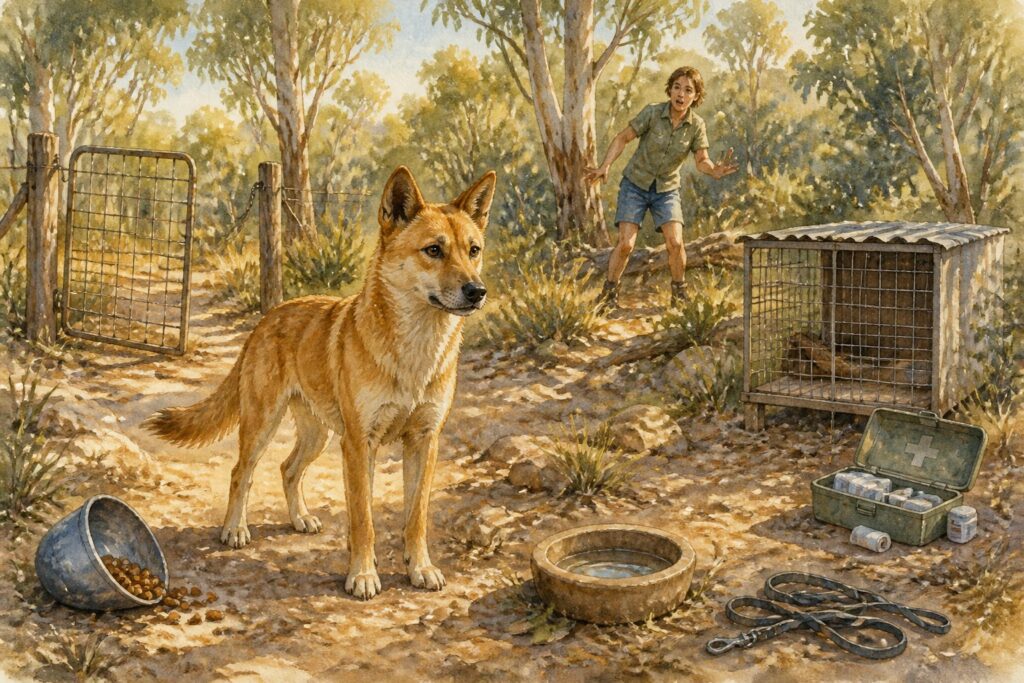
A dingo can look like an unusual dog, yet owning one involves wildlife laws, secure containment, careful handling, and respect for its native status. The biggest mistakes often happen before you bring the animal home, when you rely on online claims or assume ordinary dog rules apply.
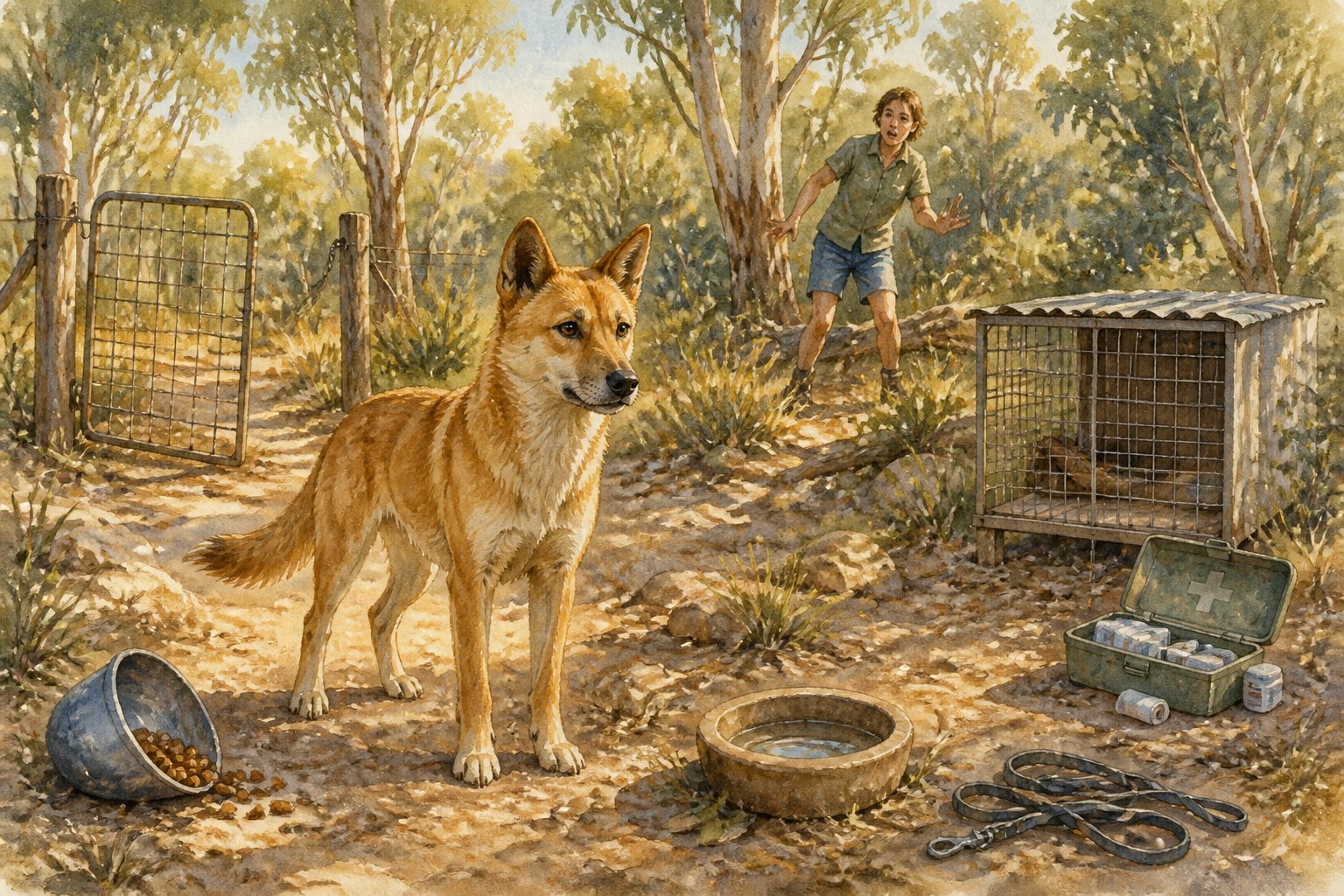
The seven mistakes below focus on the legal, welfare, safety, and conservation issues that deserve your attention.
1. Buying A “Pure Dingo” Puppy Through Facebook Without Verified Provenance
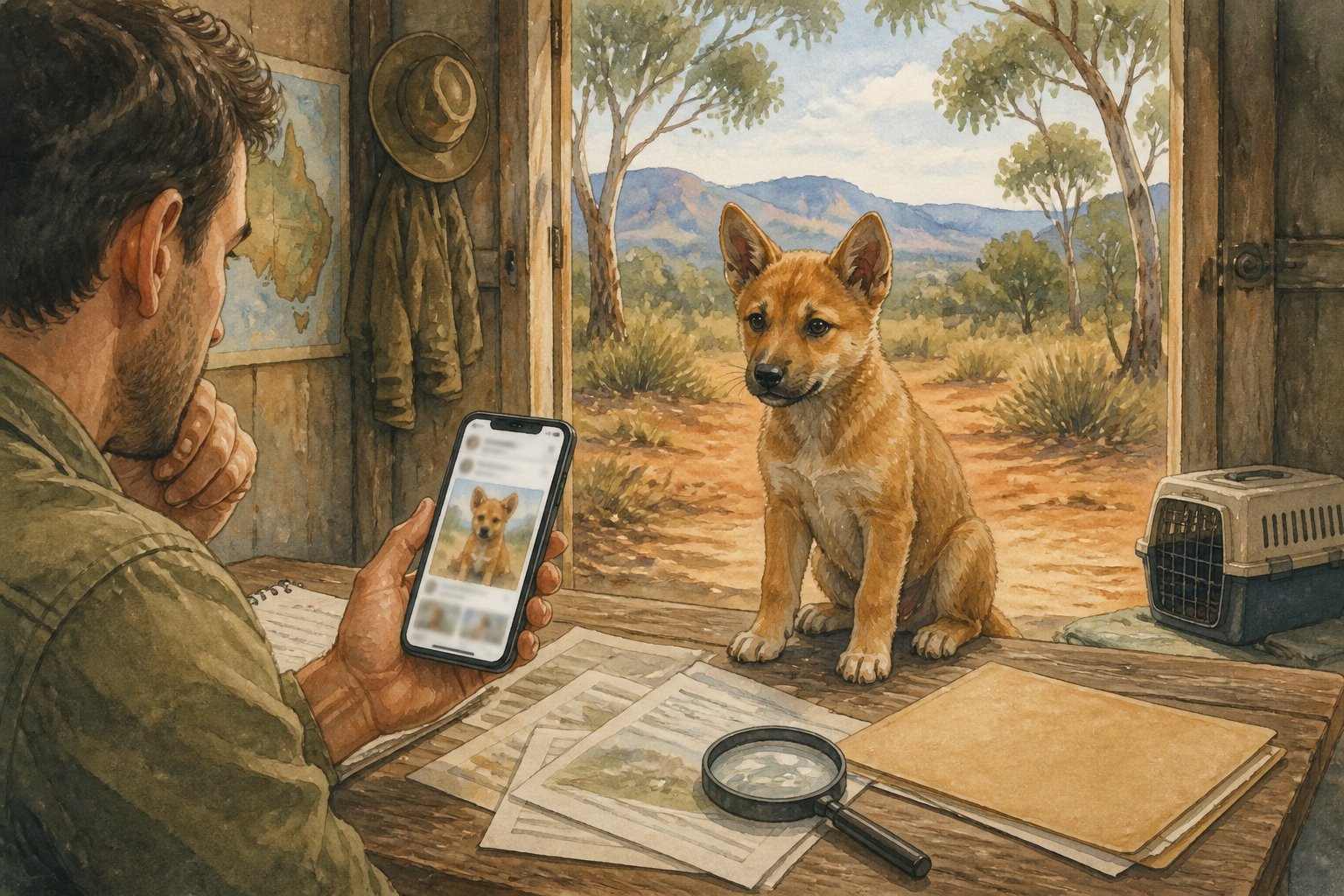
A social media listing may use “pure dingo” as a sales label without reliable proof. Appearance alone cannot confirm ancestry, and a puppy may be a hybrid, unlawfully sourced, or poorly socialized.
Before you pay, ask for:
- A clear chain of custody and lawful source
- Breeder or sanctuary records
- Permit details that match your state or territory
- Veterinary history, microchip information, and vaccination records
- Independent genetic evidence from a qualified laboratory
Treat pressure to pay quickly, vague paperwork, and changing stories as warning signs. Contact the relevant wildlife authority before collecting the animal.
A responsible seller should welcome verification rather than discourage it.
2. Keeping Or Rehoming A Found Dingo Pup Instead Of Contacting Wildlife Authorities
A lone pup may be separated from its mother, injured, or part of a monitored wild family. Taking it home can disrupt natural care and may breach wildlife rules.
Keep your distance, prevent dogs and children from approaching, and note the location without chasing the pup. Call the state wildlife agency, a licensed wildlife rehabilitator, or local ranger for instructions.
Do not feed it, bottle-raise it, or advertise it for adoption unless professionals direct you. If you already have the pup, record when and where you found it, limit handling, and seek urgent advice.
Early professional assessment gives the animal a better chance of proper reunification or rehabilitation.
3. Assuming Queensland’s “Wild Dog” Rules Do Not Apply To Dingoes
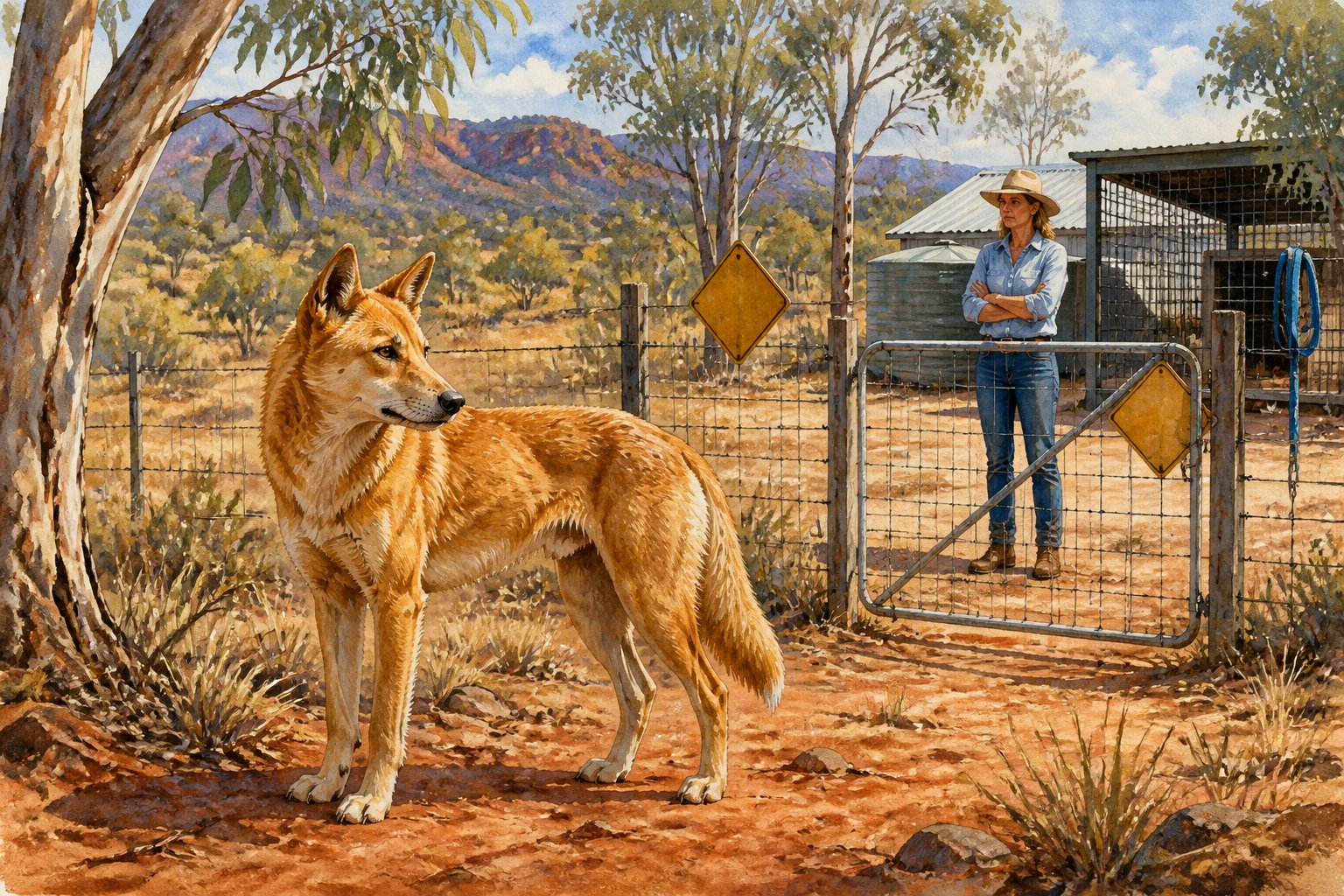
In Queensland, you cannot assume a dingo is exempt because you regard it as native wildlife. State rules can place legal duties on landholders to manage wild dogs, and definitions may depend on location, land type, and the animal’s status.
Check current Queensland requirements before you acquire or keep a dingo. Ask specifically about:
- Private ownership and prohibited areas
- Registration, permits, and transport
- Enclosure standards
- Duties to prevent escape and attacks
- Rules for control near livestock
Do not rely on a breeder’s interpretation or an old online post. Keep written confirmation from the responsible agency, and review local council requirements as well.
A secure enclosure and careful records do not replace legal approval.
4. Ignoring Private Dingo Ownership Restrictions In South Australia And Tasmania
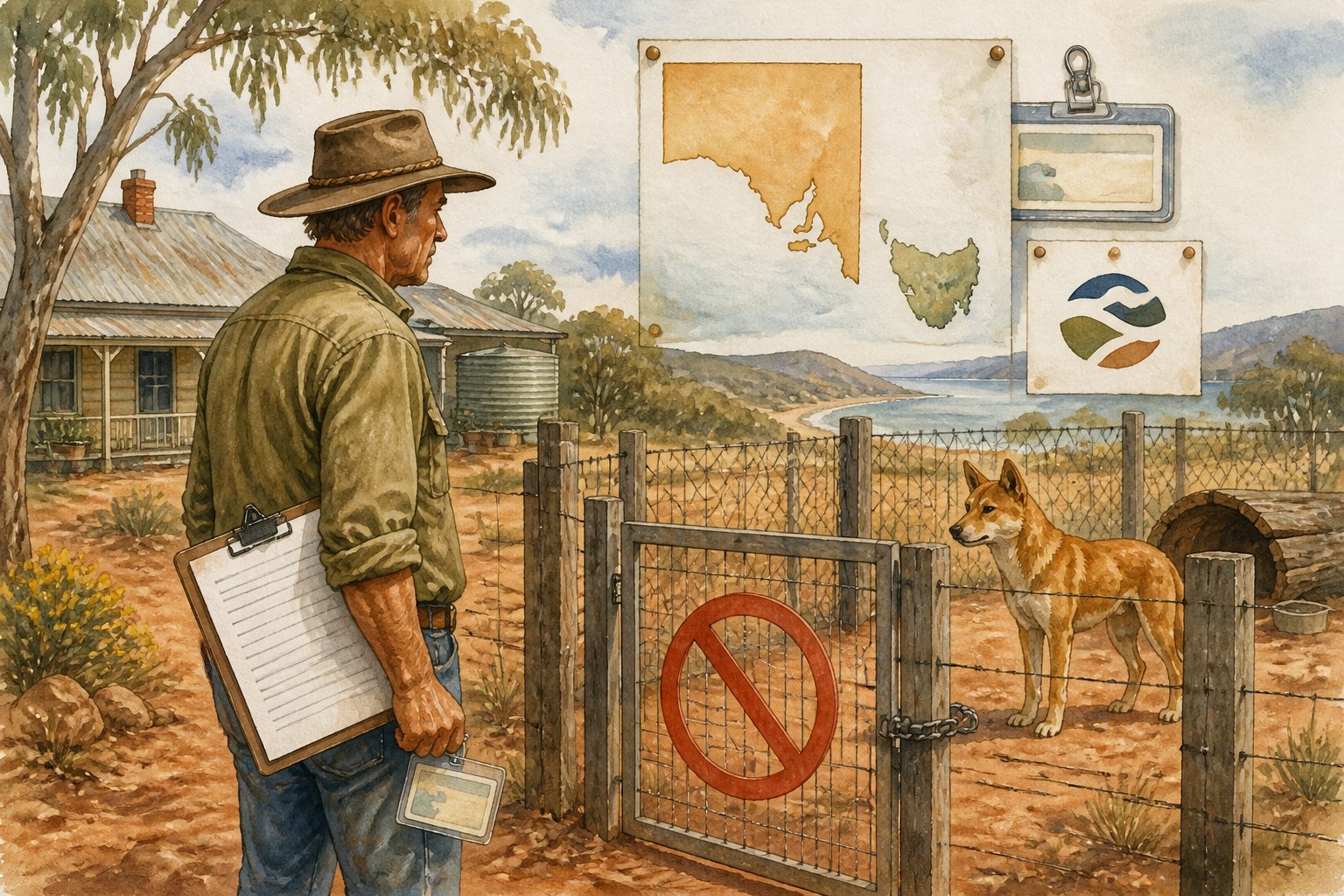
South Australia and Tasmania have strict restrictions that can prevent private dingo ownership. Rules may differ for wildlife parks, approved institutions, rescue facilities, and private homes, so a permit from another state does not transfer automatically.
Before making travel or purchase plans, contact the relevant state authority and ask whether private possession is allowed at your address. Confirm whether the animal is classified as a dingo, wild dog, hybrid, or protected native animal.
Never transport a dingo across state lines on the assumption that your existing paperwork remains valid. If ownership is not lawful, contact an approved sanctuary or wildlife service for a legal rehoming pathway.
Avoid surrendering the animal to an unverified individual through social media.
5. Taking A Dingo To An Off-Leash Dog Park Or Treating It Like A Pet Dog
A dingo has different instincts, movement patterns, and stress responses from a typical companion dog. An off-leash park can expose it to crowding, unfamiliar dogs, escape routes, and conflict.
Use a secure, escape-resistant enclosure and follow professional handling advice. If approved outdoor exercise is possible, choose controlled areas with strong fencing and low traffic.
Inspect gates before every release, since dingoes can climb, dig, squeeze through gaps, and learn routines quickly. Do not assume early socialization removes risk.
Watch for freezing, pacing, stiff posture, repeated scanning, resource guarding, or sudden withdrawal. A qualified wildlife veterinarian or dingo behavior professional can help you build a safe routine that protects the animal, visitors, and other pets.
6. Using Poison Baits, Traps, Or Lethal Control Around A Kept Dingo
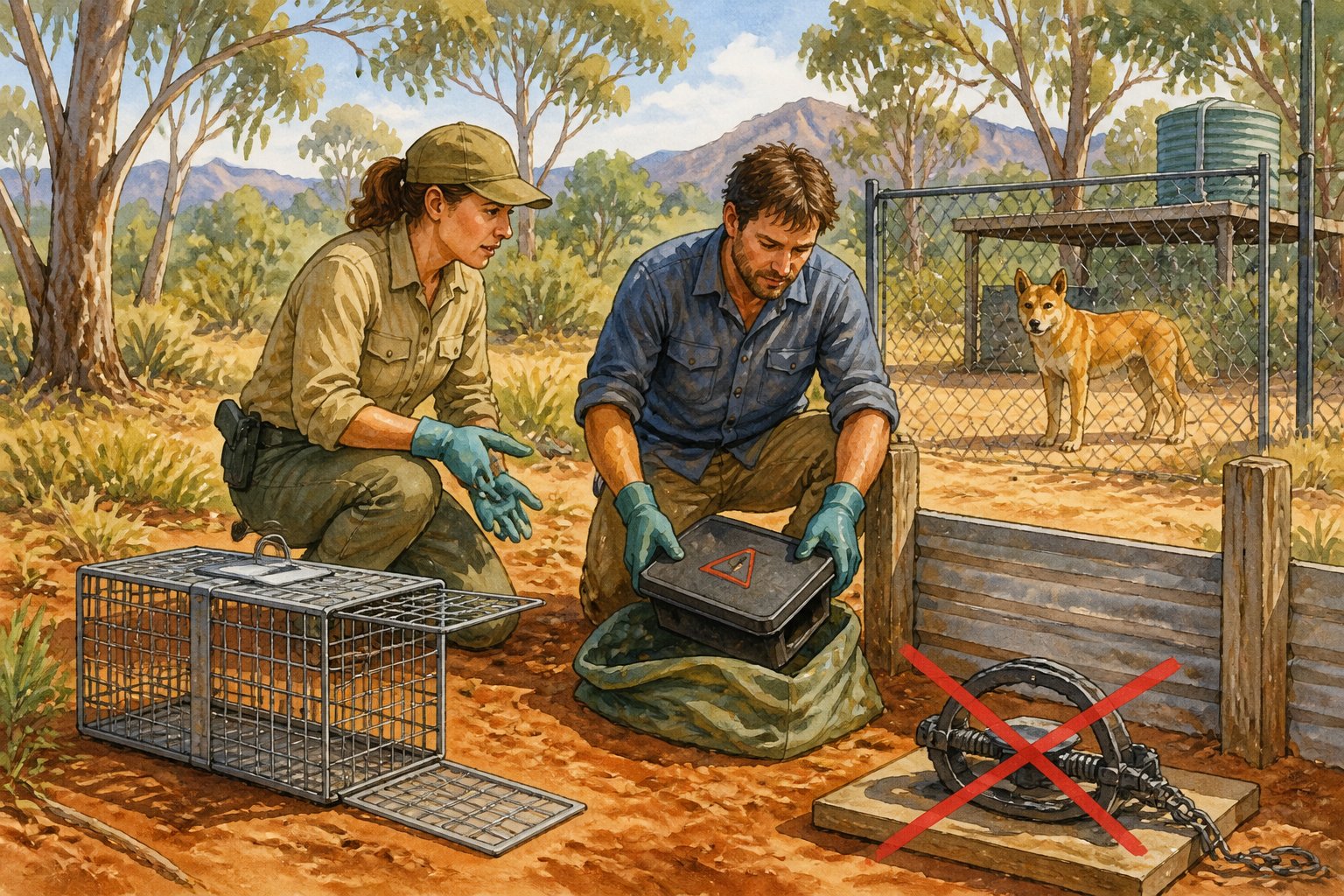
Poison baits and traps can kill or seriously injure a kept dingo, neighboring pets, and native wildlife. A dingo may find bait hidden beyond its enclosure or become exposed through contaminated prey.
Tell every neighbor, contractor, and pest controller that a dingo is kept on the property. Store hazardous products securely, remove unauthorized control devices, and use non-lethal conflict prevention wherever possible.
Strong fencing, locked gates, livestock protection, waste control, and supervised movement reduce risk. If you suspect exposure, do not wait for symptoms.
Prevent further access, preserve the product packaging if safe, and contact an emergency veterinarian immediately. Never place a trap or bait near an enclosure without written advice from the relevant authority and a veterinarian.
7. Breeding Or Advertising Dingo Hybrids Without Legal And Genetic Verification
A dingo-looking animal is not automatically a genetically pure dingo, and a claimed hybrid is not automatically legal to breed or sell. Mislabeling can create welfare problems, mislead buyers, and trigger wildlife or dangerous-animal offenses.
Before breeding or advertising, verify:
- The legal status of both parent animals
- Ownership, permit, and breeding conditions
- Reliable genetic testing and sample records
- Veterinary screening and socialization plans
- A lawful, suitable destination for every offspring
Do not advertise puppies as pure, hybrid, native, or exempt based only on coat color, body shape, or seller claims. Ask a qualified genetic service and the relevant wildlife authority for written guidance.
Breeding should never proceed simply because buyers are available.
Before You Acquire A Dingo
Check State And Territory Laws First
Start with the government agency responsible for wildlife, conservation, or biosecurity in your location. Ask about private possession, import, transport, enclosure rules, registration, breeding, and escape reporting.
Confirm Permit, Enclosure, And Welfare Requirements
Get approval before you pay a deposit. Confirm enclosure dimensions, roof and dig protection, double-gate systems, shelter, enrichment, feeding, veterinary access, and emergency plans in writing.
Use Accredited Sanctuaries And Qualified Wildlife Contacts
Choose established sanctuaries, licensed rehabilitators, wildlife veterinarians, and recognized dingo specialists. Inspect records and facilities when possible, and avoid sellers who refuse independent checks.
Responsible Dingo Stewardship
Respect Cultural Significance And Traditional Owner Perspectives
Dingoes hold deep cultural meaning for many First Nations communities and have long been viewed as companions and protectors. Learn from local Traditional Owner perspectives, avoid treating the animal as a novelty, and support respectful conservation practices.
Prioritise Containment, Safety, And Non-Lethal Conflict Prevention
Keep gates locked, inspect fences often, and plan for digging, climbing, noise, visitors, fire, storms, and equipment failure. Use guardian animals, secure livestock, improved fencing, and other non-lethal measures where appropriate.
Keep Accurate Veterinary, Permit, And Provenance Records
Maintain copies of permits, microchip details, genetic reports, veterinary visits, vaccinations, transfers, and incident notes.
Update the records after every move or ownership change. Report escapes promptly to the proper authority.