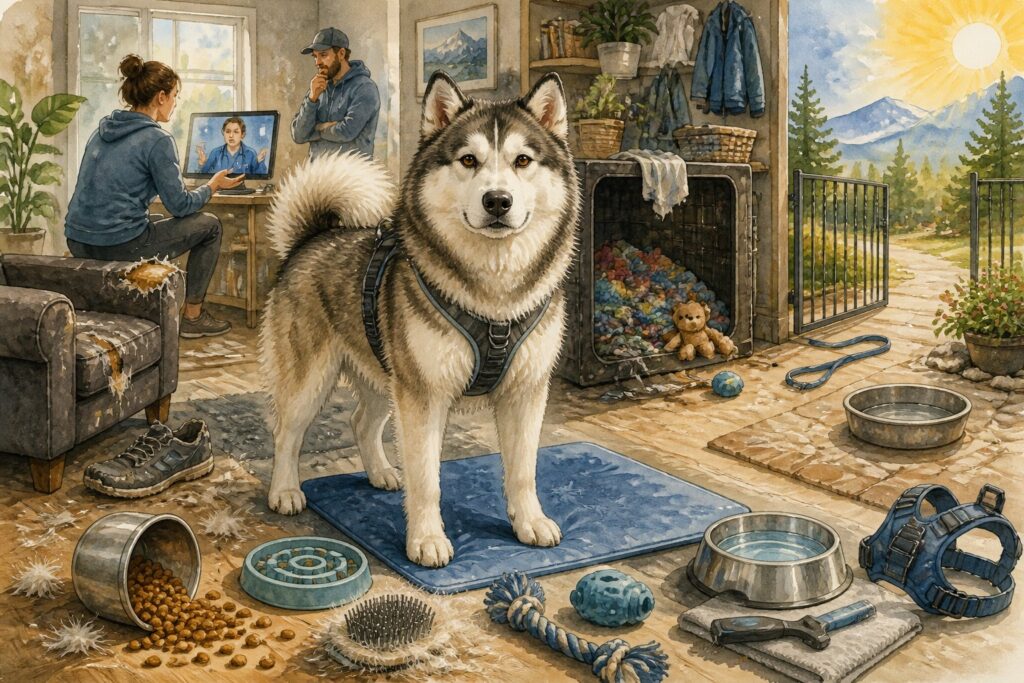
An Alaskan Malamute can be affectionate, funny, loyal, and full of adventure. You also get a powerful working dog with strong instincts, heavy seasonal shedding, a loud voice, and a talent for finding trouble when daily needs go unmet.
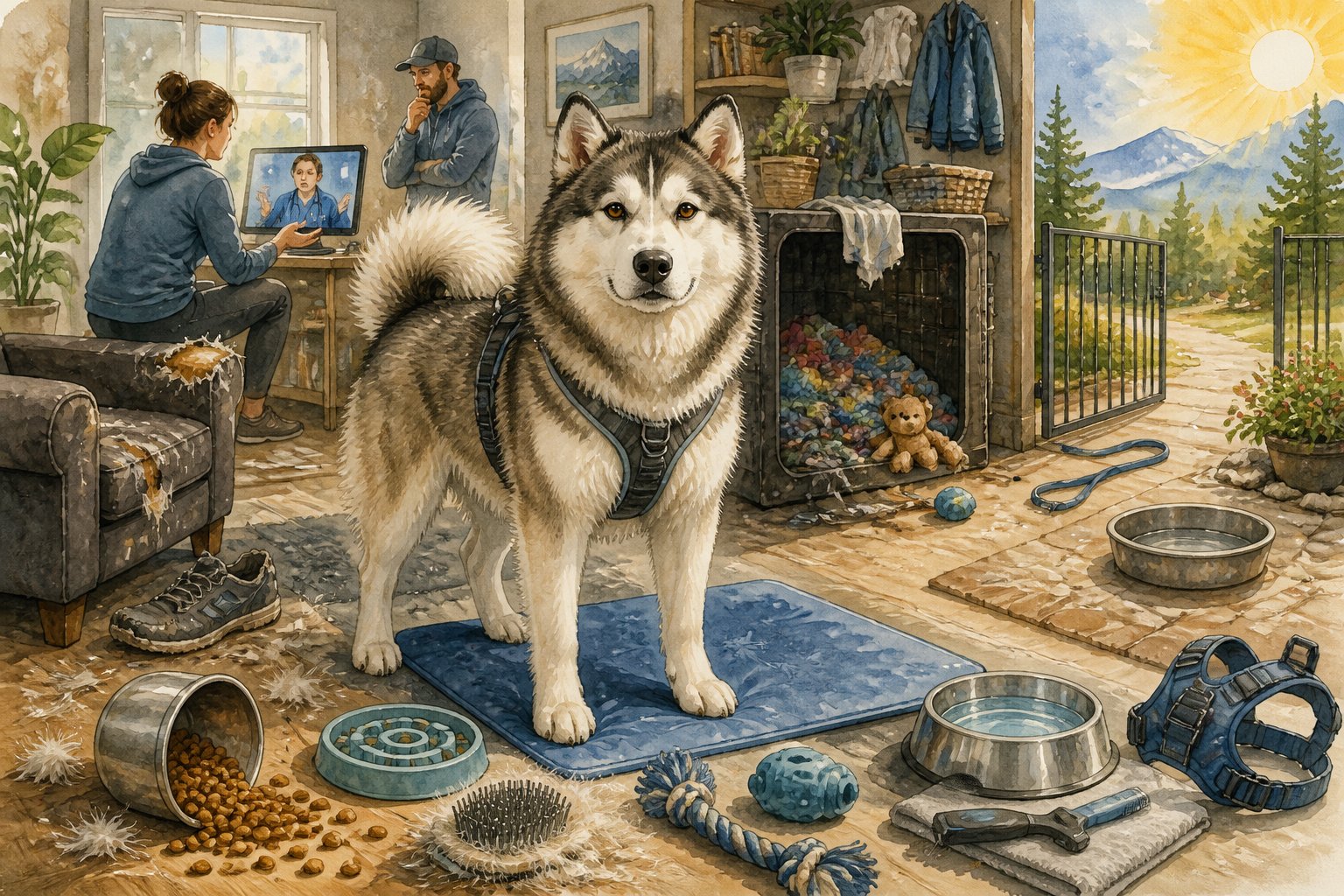
You can prevent most serious ownership problems by planning for exercise, secure housing, reward-based training, careful socialization, heat safety, grooming, and lifelong veterinary care before your Malamute arrives. These 10 critical Alaskan Malamute owner pitfalls are easy to overlook when you focus only on the breed’s striking looks.
1. Underestimating Daily Exercise And Pulling Needs
A short stroll rarely meets an adult Malamute’s needs. You should plan daily movement that combines brisk walking, hiking, structured play, training, and safe opportunities to pull.
Mental work matters too, since a tired body does not always mean a satisfied working dog. Start gradually with puppies and growing dogs.
Avoid forced running and repetitive impact until your veterinarian confirms that your dog’s joints are ready. Use equipment that gives you control without encouraging strain.
A well-fitted harness can support safe pulling practice, while loose-leash training teaches your Malamute when pulling is allowed. Watch for sore paws, stiffness, heavy panting, or reluctance to continue, and adjust the plan promptly.
2. Treating Recall As Reliable In An Unfenced Area
A Malamute may learn recall without choosing it every time. Prey interest, scents, wildlife, other dogs, and simple curiosity can overpower your voice.
You should treat recall as a trained skill, not a promise. Practice first indoors, then in a fenced yard, and later on a long line in quiet outdoor areas.
Reward fast responses with excellent treats, a favorite game, or permission to keep sniffing. Never punish your dog after it returns, even if the delay frustrated you.
Use a secure leash or fenced space near roads, trails, and unfamiliar property. A microchip, identification tag, and current contact information add protection if your dog slips away.
Reliable management prevents one exciting distraction from becoming a life-threatening escape.
3. Using Dominance-Based “Alpha” Training
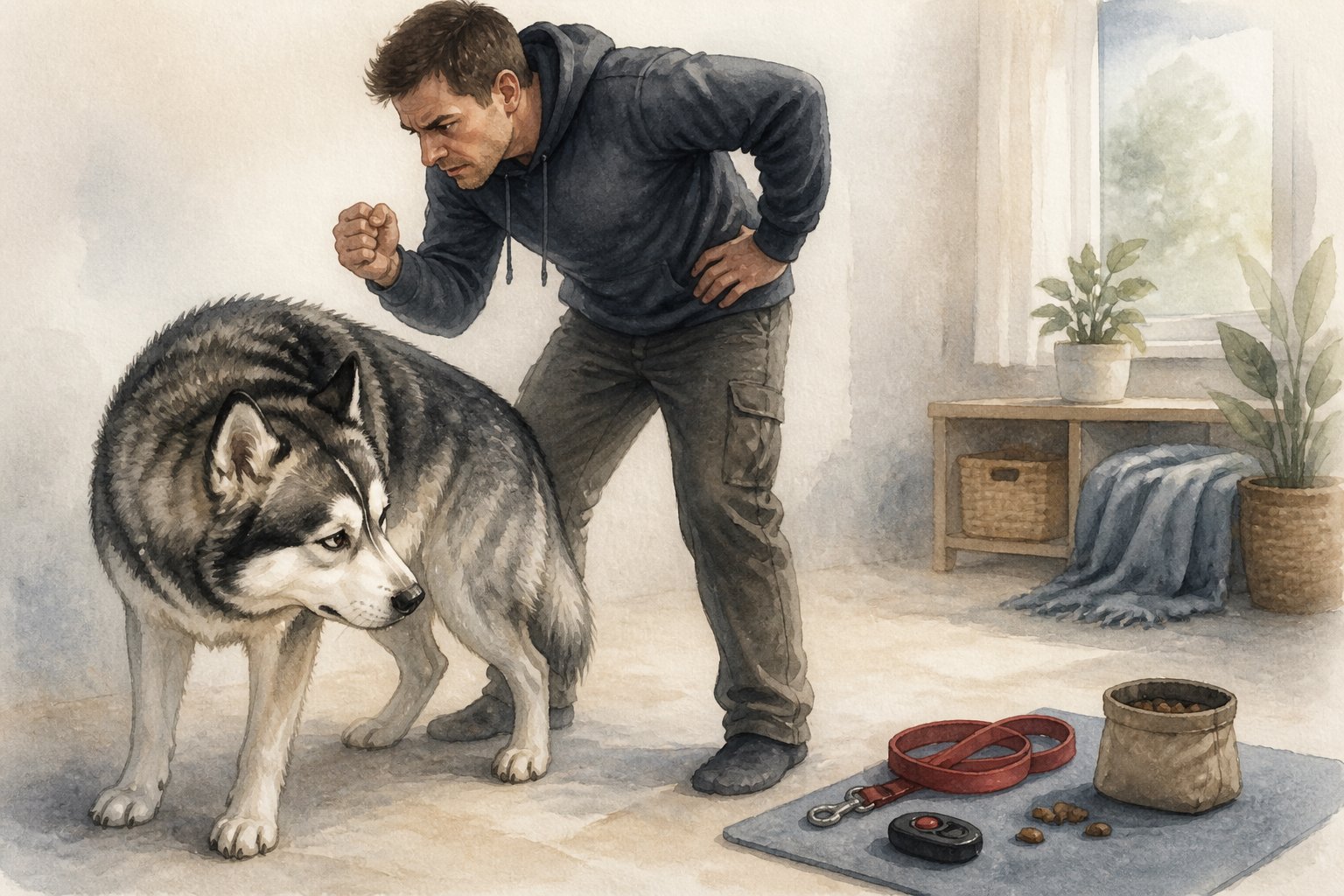
Forcing a Malamute into submission can create fear, resistance, or defensive behavior. You should avoid pinning, intimidation, leash corrections, hitting, and attempts to “show who is boss.”
These methods damage trust and can hide warning signals instead of solving the cause. Reward-based training works better for this intelligent, independent breed.
Mark the behavior you want, deliver a reward quickly, and keep sessions brief. Use daily routines, clear boundaries, and calm follow-through so your dog knows what earns access to food, play, doors, and attention.
If your Malamute guards food, toys, furniture, or people, do not grab items or confront the dog. Trade for something better and seek qualified help before the behavior escalates.
4. Skipping Early Dog-And-People Socialization
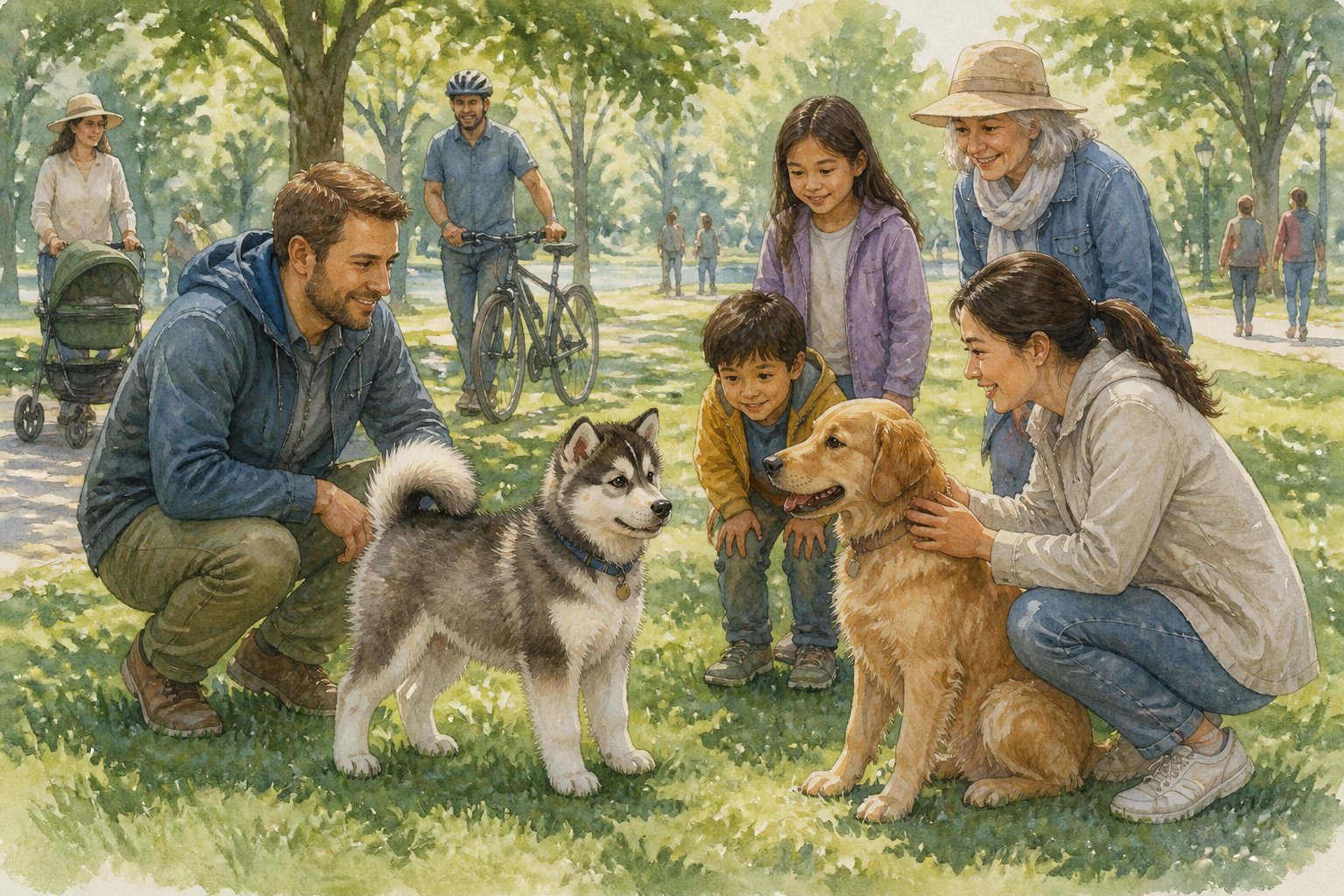
Socialization means teaching your puppy that new experiences can be safe, not forcing greetings with everyone. Introduce people, calm dogs, surfaces, sounds, vehicles, grooming tools, handling, and quiet public places at a pace your puppy can manage.
Reward relaxed behavior and give your dog space to observe. Puppy classes led by a skilled trainer can provide controlled practice, provided the setting follows sound vaccination and hygiene rules.
Keep socialization going through adolescence. A large, strong Malamute that feels trapped or overwhelmed can cause accidental injury even without bad intent.
Watch for freezing, hiding, hard staring, tucked posture, or repeated avoidance. Those signs mean you should increase distance and lower the pressure.
5. Leaving A Bored Malamute Alone Without Enrichment
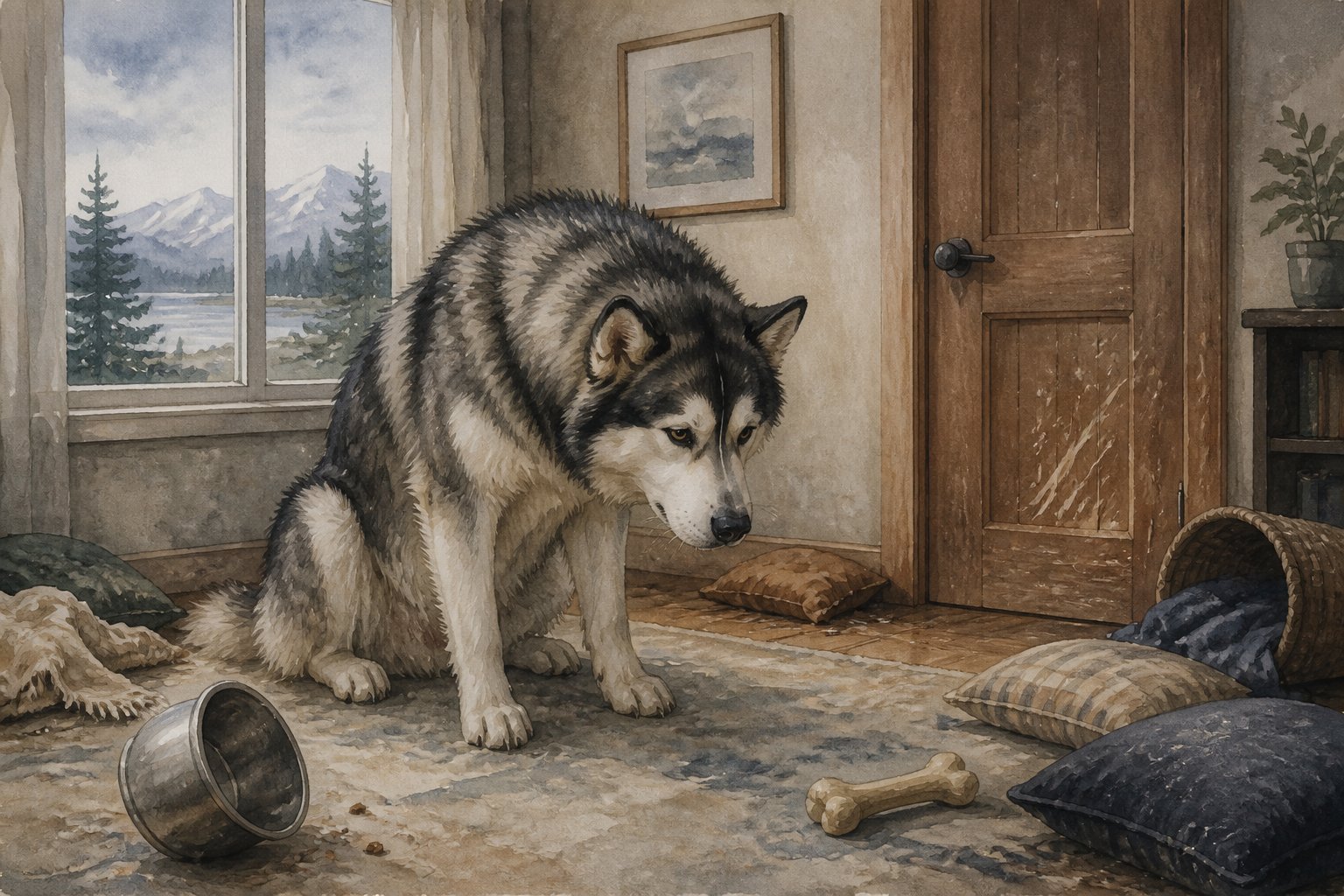
Boredom can appear as digging, chewing, howling, counter surfing, door testing, or destroying belongings. You should not expect toys alone to occupy a working dog for a full day.
Before leaving, provide exercise suited to your dog’s age and health. Rotate food puzzles, scent games, frozen stuffed toys, safe chew items, and short training exercises.
Hide small portions of food around a dog-safe room so your Malamute can search with its nose. Teach calm independence instead of making every departure dramatic.
A walker, trusted sitter, daycare, or midday enrichment visit may help when your schedule is long. Check toys and chews often, and remove anything that breaks into swallowable pieces.
6. Trusting A Standard Fence Against An Escape Artist
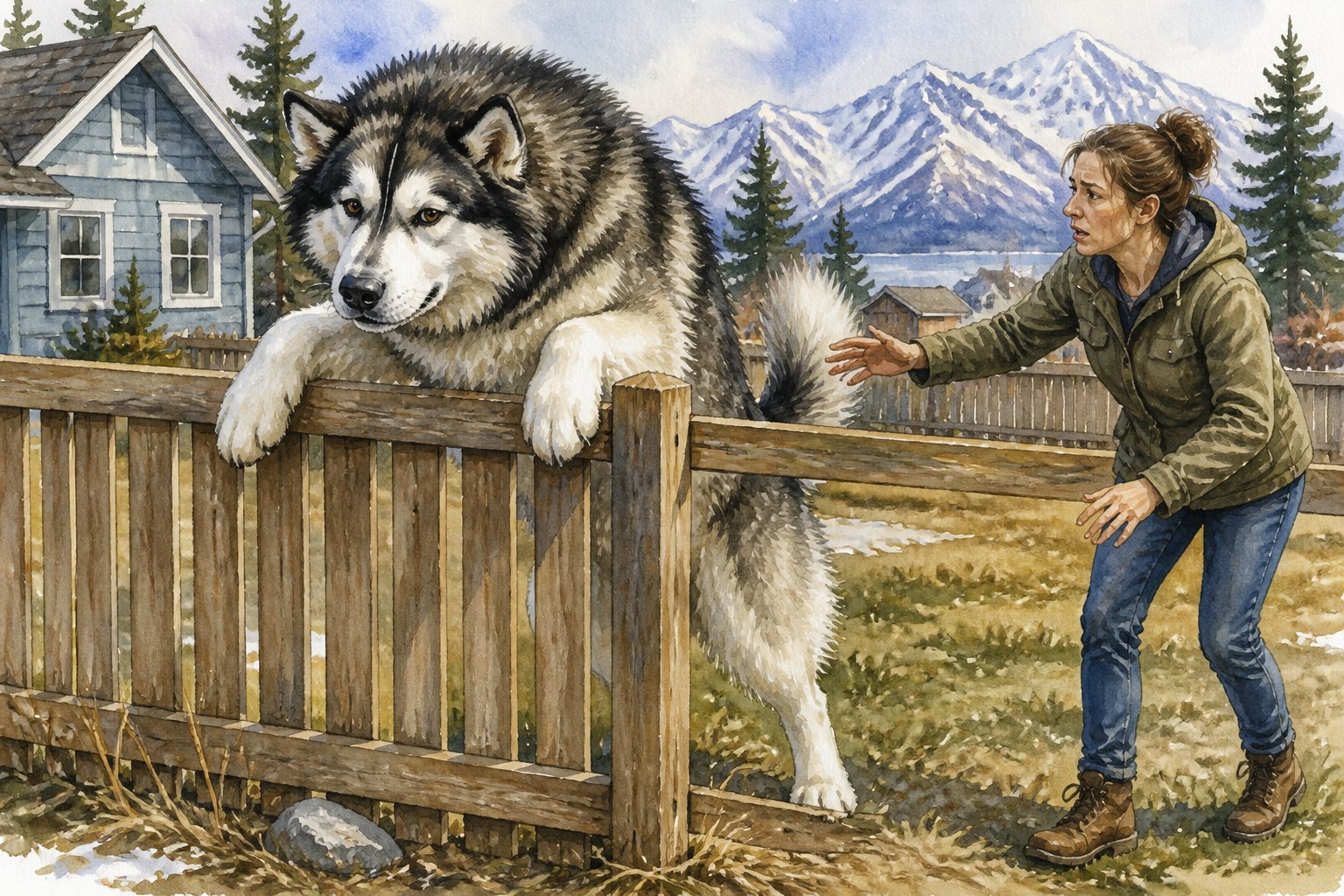
A Malamute may climb, dig, push, jump, or exploit a loose gate. Inspect your yard from your dog’s point of view.
Secure latches, reinforce weak panels, block digging zones, and remove objects that create a step near the fence. The fence should be tall enough for your individual dog, with no easy footholds.
Some homes need buried barriers, concrete edging, covered kennel runs, or a second gate before the dog reaches the exit. Never leave your Malamute outside for long periods without supervision simply because the yard is fenced.
Boredom, wildlife, weather, and neighborhood activity can trigger escape attempts. Check the yard after storms and each time construction, landscaping, or gate repairs occur.
7. Ignoring Seasonal Undercoat Blowouts
Malamutes shed throughout the year and often release large amounts of undercoat during seasonal changes. If you wait until hair covers your home, grooming becomes harder and your dog may develop mats in areas such as the collar, hindquarters, and tail.
Use a pin brush and undercoat tool carefully, working in small sections. Brush down to the skin without scraping or cutting the coat.
Regular nail trims, ear checks, paw inspections, and gentle handling should be part of the same routine. Do not shave a healthy Malamute for summer.
The double coat helps protect the skin and regulate exposure to heat and sun. Keep the coat clean, dry, and free of mats, and ask a professional groomer or veterinarian about skin changes, parasites, or severe shedding.
8. Choosing A Malamute Without A Heat-Management Plan
Your Malamute can struggle in hot, humid weather because its thick double coat and large body hold heat. Plan walks for early morning or evening, provide shade and constant access to cool water, and keep indoor spaces comfortably cool.
Pavement can burn paw pads, while humidity can make cooling difficult even when the temperature seems moderate. Use shorter outings, rest breaks, and indoor enrichment during heat waves.
Never leave your dog in a parked vehicle, even with windows open. Learn heat-stress warning signs, including heavy panting that does not settle, drooling, weakness, vomiting, confusion, bright or abnormal gums, collapse, or seizures.
Move your dog to a cool area, contact an emergency veterinarian, and follow professional instructions instead of relying on ice baths or waiting for improvement.
9. Letting Pulling Become A Habit On Every Walk
Pulling is natural for a sled dog, so you should teach a clear difference between work and ordinary walking. If your Malamute reaches interesting places by dragging you there, the behavior becomes rewarding and stronger.
Start in a quiet area. Reward a loose leash, change direction before tension builds, and pause when your dog pulls.
Resume movement when the leash relaxes. Keep sessions short enough that your dog can succeed.
A front-clip harness or other properly fitted equipment may improve control, yet equipment does not replace training. Avoid retractable leashes near traffic and crowded areas.
Because an adult Malamute can overpower you, practice safe handling before allowing children or inexperienced walkers to hold the leash.
10. Buying From An Untested Breeder And Skipping Health Screening
A low price or appealing photo should not decide where you get your Malamute. Ask for verifiable health testing, clear records, a written contract, and information about the parents’ temperament and health history.
Discuss screening relevant to the breed, including hips, elbows, eyes, and inherited concerns identified by your veterinarian or a responsible breed organization. Meet the mother when possible, observe the living conditions, and notice whether the breeder asks you detailed questions too.
Red flags include pressure to pay quickly, refusal to show records, many available litters, no return policy, poor sanitation, or claims that veterinary screening is unnecessary. If you adopt, ask the rescue for medical, behavior, and bite-history information.
A careful start reduces avoidable costs and surprises.
Building A Responsible Malamute Ownership Plan
Time, Exercise, And Enrichment Budget
Set aside time each day for movement, training, grooming, feeding, cleanup, and companionship. Budget for durable equipment, food puzzles, professional training, boarding, grooming help, and emergency care.
Include a reserve fund or pet insurance that fits your finances.
Secure Housing And Climate Readiness
Confirm that your lease, homeowners association, and insurance allow a large dog. Inspect fencing before arrival, secure gates, prepare cool indoor areas, and create a winter plan for paws, ice, and safe outdoor exercise.
Training, Socialization, And Veterinary Costs
Schedule a reward-based puppy or adult-dog class, routine veterinary visits, vaccines, parasite prevention, dental care, and age-appropriate screening. Keep records and monitor weight, movement, skin, eyes, appetite, and energy so you can report changes early.
When To Seek Professional Help
Certified Positive-Reinforcement Trainer
Contact a qualified trainer when pulling, jumping, guarding, barking, escape attempts, or poor leash control exceed your ability to manage safely. Choose someone who uses rewards and humane methods, and avoid anyone promising instant results through fear or physical force.
Veterinary Behaviorist
A veterinary behaviorist can help with aggression, severe fear, separation distress, compulsive behavior, or repeated conflict with people and animals. Medical issues, pain, and anxiety can affect behavior, so a veterinary evaluation is an important first step.
Urgent Veterinary Red Flags
Seek urgent care for collapse, breathing trouble, severe heat stress, repeated vomiting, a swollen abdomen with unproductive retching, seizures, uncontrolled shaking, sudden weakness, inability to walk, or major injury.
Do not wait for symptoms to pass, especially after heat exposure or possible toxin ingestion.