Akita Inus are loyal, intelligent, powerful dogs with strong instincts and clear personal boundaries. Those traits can make daily life rewarding, yet they also make careless handling harder to correct as your dog grows.
You can prevent many serious Akita Inu owner mistakes by starting socialization early, using steady rules, teaching leash skills, supervising interactions, and budgeting for lifelong care. A calm plan helps you build trust without trying to suppress your dog’s natural character.
1. Delaying Puppy Socialization Beyond The First Months
Your Akita Inu needs safe, positive exposure during puppyhood. Introduce different people, surfaces, sounds, car rides, handling routines, and calm dogs gradually.
Keep each experience brief enough that your puppy stays relaxed. Avoid forcing greetings or flooding your puppy with busy environments.
A frightened puppy may learn that strangers, children, or unfamiliar places are threats. Reward calm observation instead.
Ask your veterinarian about safe socialization options before your puppy has completed its vaccination series. Controlled puppy classes and carefully chosen adult dogs can provide useful practice without creating chaotic encounters.
2. Assuming An Akita Will Be Naturally Friendly With Every Dog
Your Akita may enjoy selected canine companions without welcoming every dog. Same-sex tension, guarding behavior, and a preference for personal space can appear as your dog matures.
Skip crowded dog parks if they create stress or unpredictable interactions. Instead, arrange parallel walks or short play sessions with stable dogs, using secure equipment and plenty of distance.
Watch for a stiff body, fixed stare, raised hackles, closed mouth, or sudden silence. Calmly increase distance before your dog reaches its limit.
Do not wait for barking or lunging to begin.
3. Using Inconsistent Rules And Letting Commands Become Optional
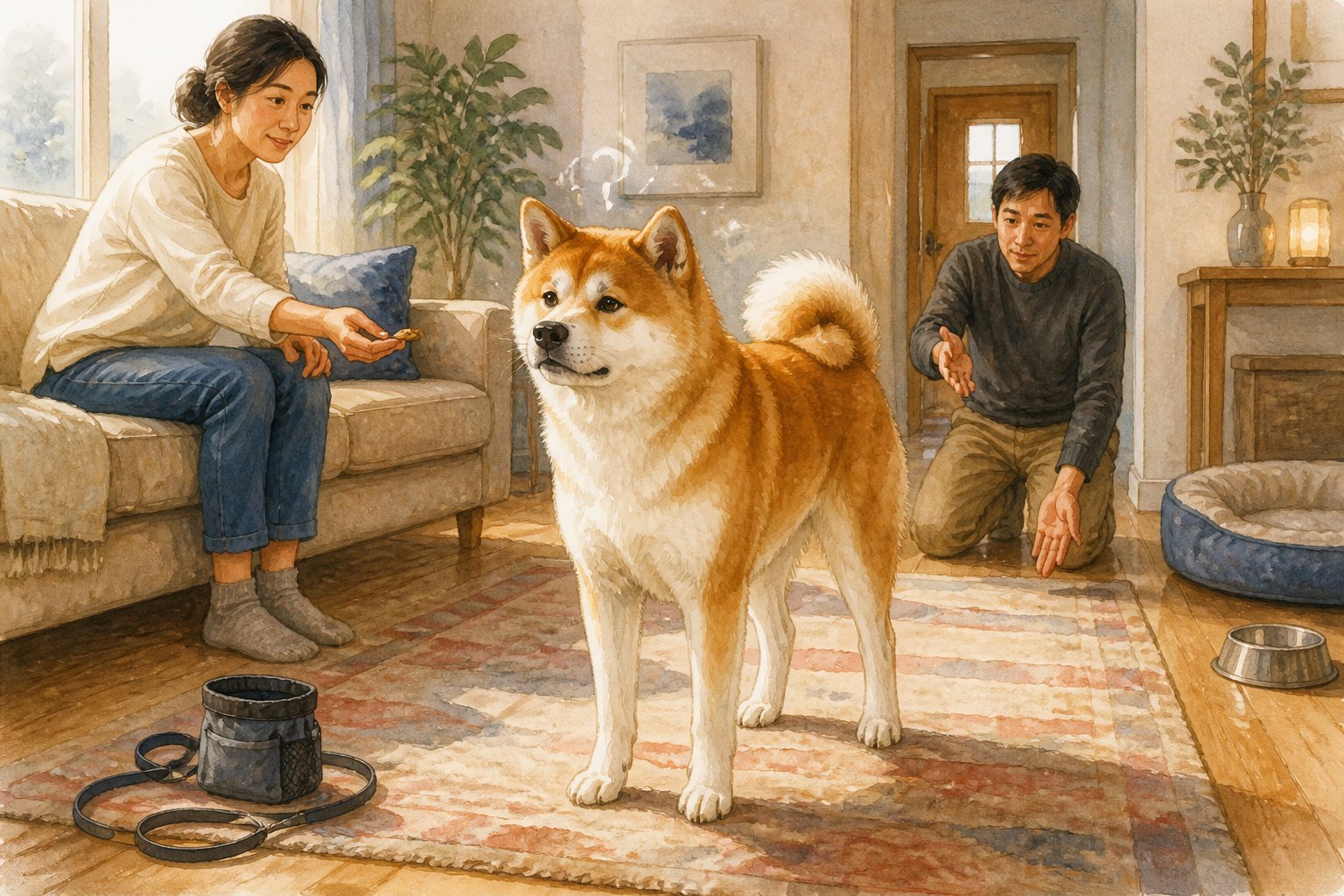
Your Akita learns faster when every person uses the same words, boundaries, and rewards. If jumping is allowed with one family member but punished with another, your dog receives confusing information.
Choose simple cues such as “come,” “leave it,” “wait,” and “place.” Practice them during calm moments, then use them around mild distractions.
Reward the response immediately. Avoid repeating a command several times.
Give the cue once, help your dog succeed, and reduce distractions if needed. A written household plan can keep visitors, children, and caregivers consistent.
4. Choosing An Akita As A First Dog Without Experienced Support
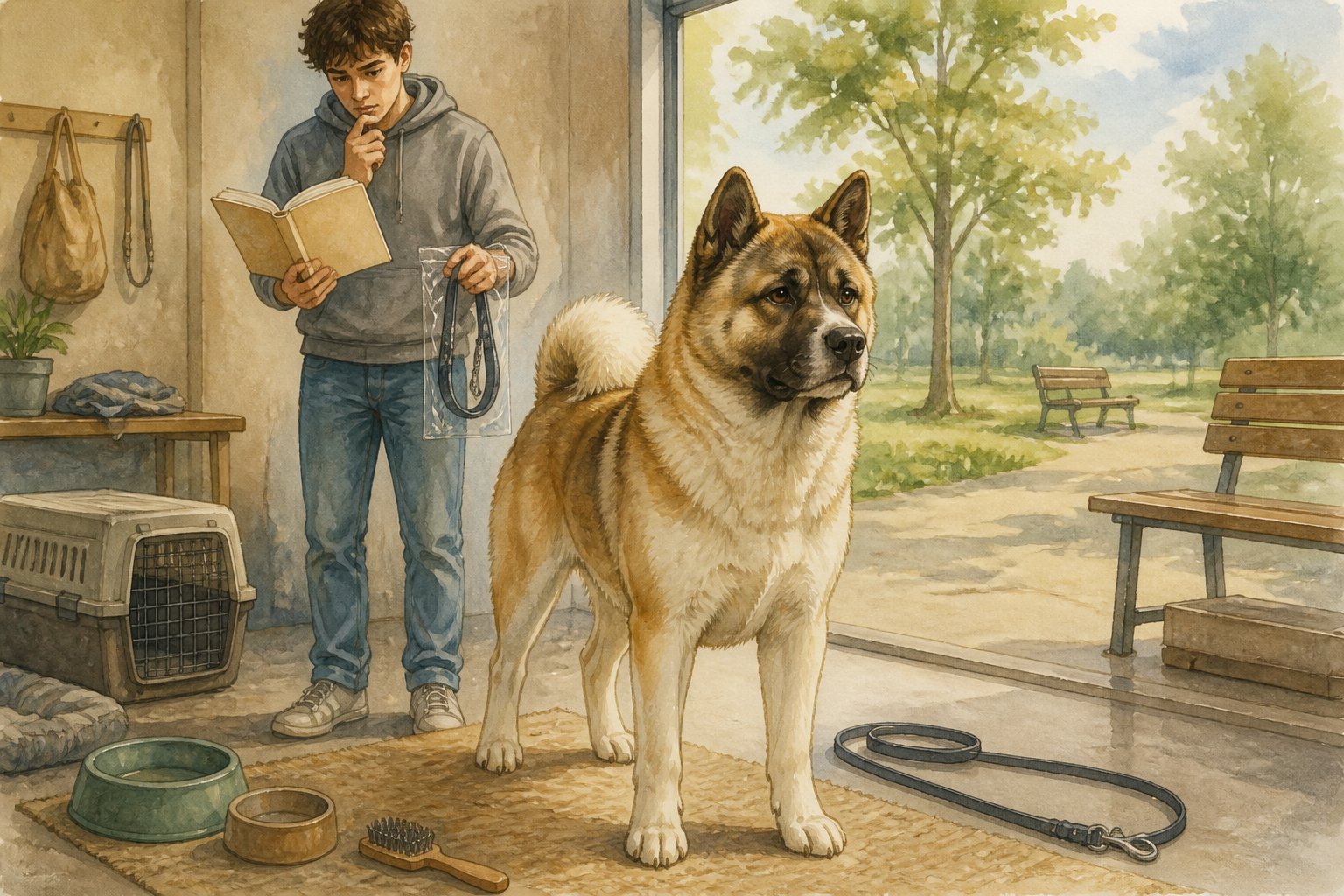
An Akita Inu can be a poor match for a first-time owner who expects easy obedience or constant sociability. The breed’s size, confidence, independence, and guarding instincts require thoughtful management.
If you are new to dogs, arrange support before bringing one home. Meet adult Akitas, speak with reputable breeders or rescues, and hire a qualified trainer who has handled powerful, independent breeds.
Plan for secure fencing, controlled introductions, daily training, and safe visitor routines.
5. Skipping Leash Training Until The Dog Is Full-Grown
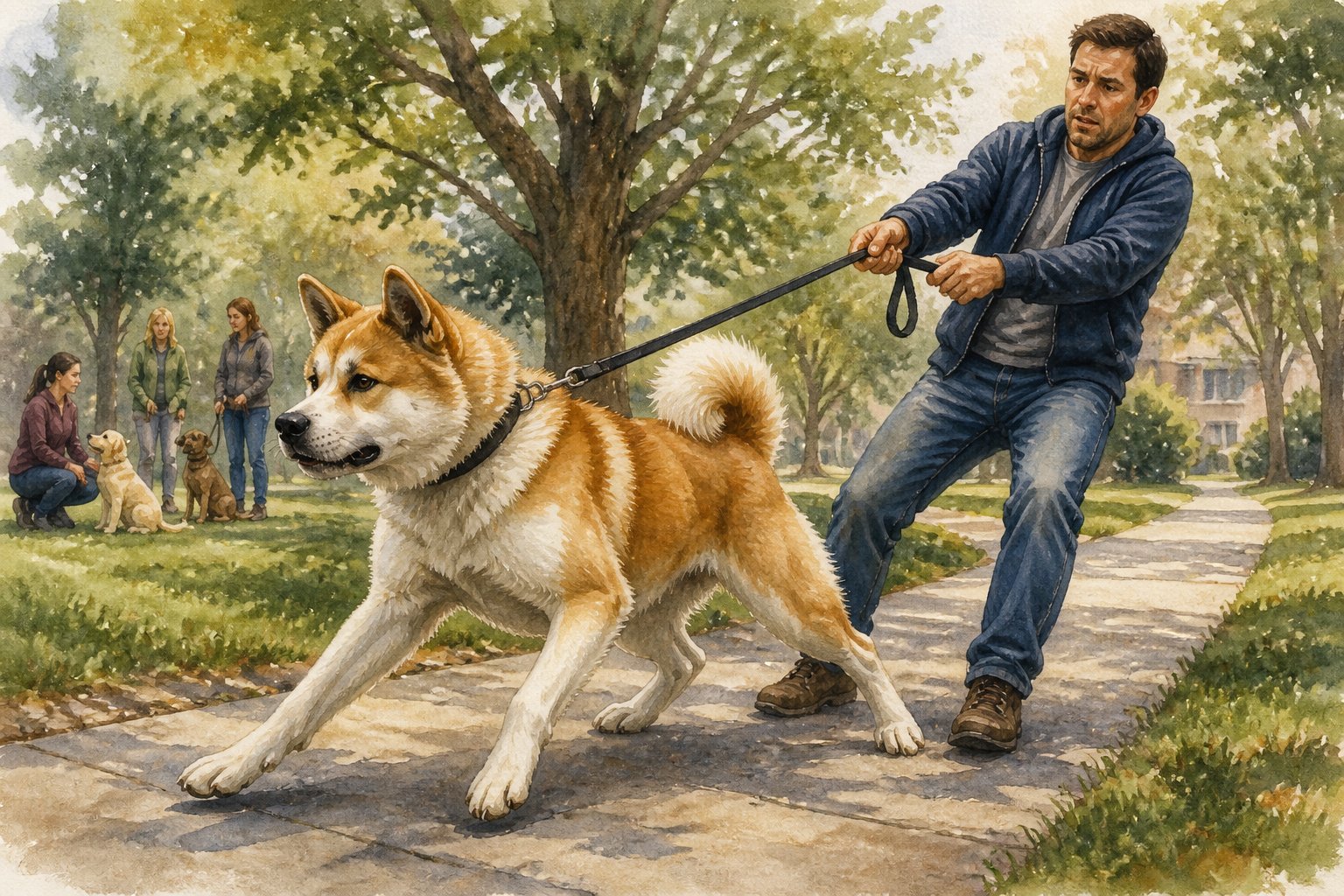
A small puppy pulling may seem harmless until that puppy becomes a strong adult. Start leash training at home, then practice in quiet outdoor areas before adding traffic, dogs, and crowds.
Reward your Akita for checking in, walking beside you, and relaxing when the leash stays loose. Change direction early instead of yanking when your dog moves toward a distraction.
Use equipment that fits securely and gives you control without causing pain. Practice emergency cues such as “turn” and “let’s go.”
A reliable recall is valuable, though an Akita should remain leashed outside secure areas unless you have exceptional control.
6. Leaving An Akita Unsupervised With Small Pets Or Young Children
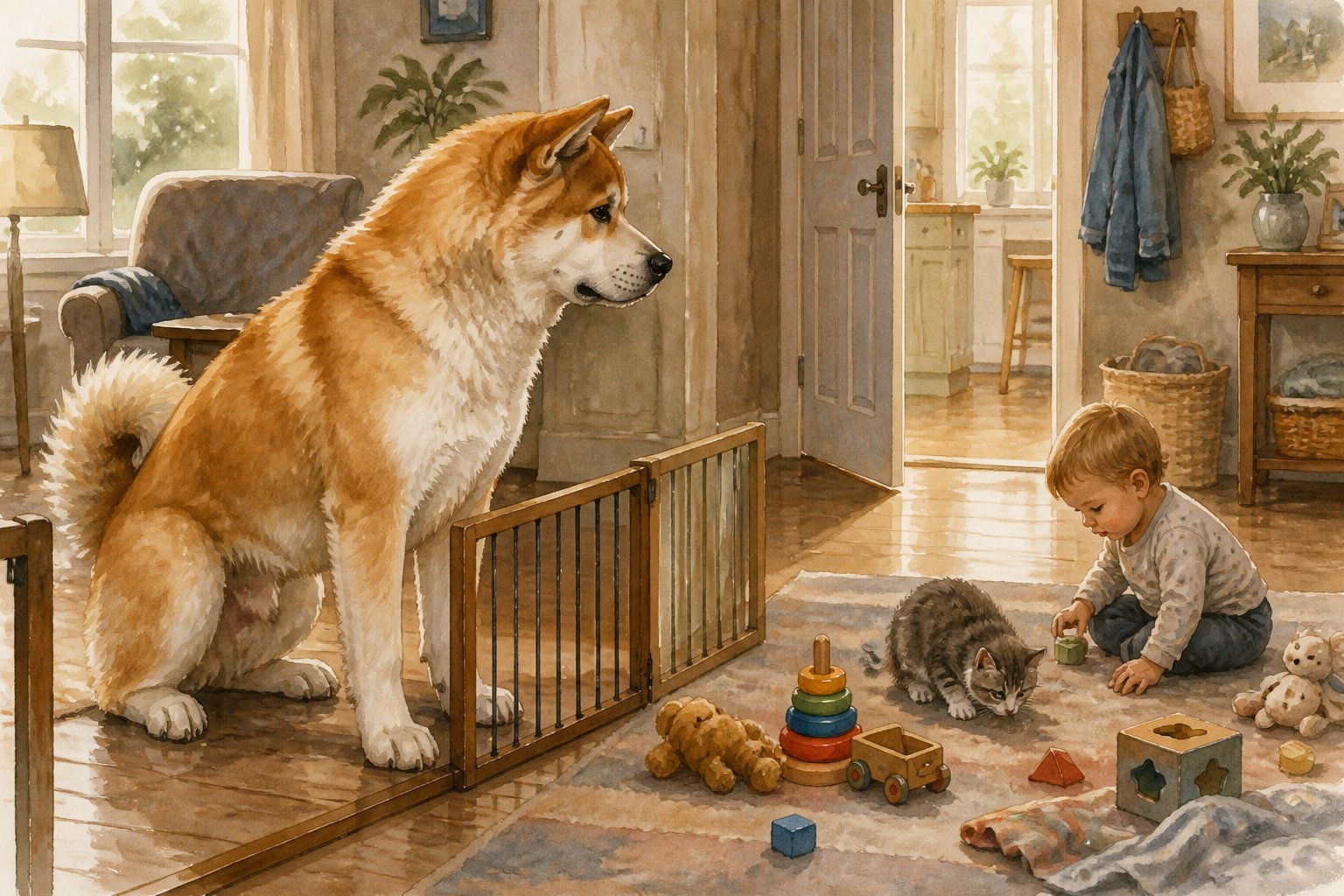
Never assume affection removes risk. An Akita’s size, chase instincts, guarding behavior, or discomfort with rough handling can create danger around toddlers, cats, rabbits, and other small pets.
Use gates, crates, separate rooms, and closed doors when you cannot actively supervise. Teach children not to climb on, hug, disturb, or approach your dog while it eats or rests.
Introduce animals slowly through scent exchanges, barriers, and controlled sessions. Watch body language closely.
Even a dog that has behaved well for years still needs supervision around vulnerable family members and smaller animals.
7. Underestimating Seasonal Coat Blowing And Grooming Needs
Your Akita’s double coat may shed heavily during seasonal coat blows. Loose fur can collect on floors, furniture, clothing, and in air filters within days.
Brush regularly with tools suited to a dense undercoat, increasing sessions during heavy shedding. Work in short, calm periods and reward cooperation around the neck, legs, tail, and paws.
Do not shave the coat unless a veterinarian gives a medical reason. The coat helps protect your dog from weather and sun.
Check skin, ears, nails, and paw pads during grooming, and arrange professional help if mats, pain, or handling resistance makes home care unsafe.
8. Using Harsh Corrections Instead Of Reward-Based Training
Harsh corrections can increase fear, resistance, or defensive behavior in a powerful dog. Physical punishment and intimidation also damage the trust you need for safe handling.
Reward-based training gives your Akita a clear way to earn food, play, access, or praise. Mark the behavior you want, deliver the reward quickly, and keep practice short.
When your dog makes a poor choice, remove access to the reward and guide it toward an easier behavior. If your Akita ignores a cue, reduce the distraction rather than escalating pressure.
Calm repetition usually produces better results than confrontation.
9. Ignoring Early Signs Of Resource Guarding Or Reactivity
Growling, freezing, hovering over food, turning away, hard staring, and sudden barking are signals that your dog feels worried or protective. Do not punish these warnings, because suppressing them may leave you with less visible notice before a bite.
Manage the situation immediately. Feed your dog behind a barrier, keep children away from valued items, and avoid taking objects by force.
Trade for something better when your dog can remain calm. Record what happens before each reaction, including location, distance, item, and body language.
Early help from a qualified behavior professional can prevent a manageable concern from becoming a serious household risk.
10. Failing To Budget For Large-Breed Veterinary Care And Emergencies
An Akita Inu needs routine preventive care, parasite control, dental care, vaccines, and age-appropriate screenings. Large-breed emergencies can also involve costly diagnostics, surgery, hospitalization, or specialty treatment.
Create a monthly veterinary fund and keep an emergency reserve separate from normal expenses. Compare pet insurance plans before problems appear, paying attention to deductibles, reimbursement limits, exclusions, and waiting periods.
Ask your veterinarian which health checks fit your dog’s age, family history, and lifestyle. Keep medical records, medication details, and an emergency clinic’s contact information easy to access.
Building A Responsible Akita Ownership Plan
Daily Exercise And Enrichment Routine
Give your Akita a predictable mix of walks, sniffing, training, and quiet rest. Mental work such as food puzzles, scent games, and “find it” exercises can tire your dog without encouraging frantic activity.
Training And Socialization Support
Schedule short training sessions throughout the week and practice calm exposure at your dog’s pace. Keep contact information for a reward-based trainer before you need urgent help.
Grooming, Insurance, And Emergency Budget
Set a brushing schedule, track nail and dental care, and review your insurance coverage each year. Maintain funds for routine visits, unexpected treatment, boarding, secure equipment, and professional behavior support.
When To Get Professional Help
Certified Trainer Or Behavior Consultant
Contact a certified trainer or qualified behavior consultant when your Akita shows repeated lunging, guarding, fear, escape attempts, or conflict with people or animals. Choose someone who uses humane, reward-based methods and has experience with large, independent breeds.
Seek help early rather than waiting for a bite. Bring notes or video recorded from a safe distance, and follow management instructions between appointments.
Veterinary Assessment For Sudden Behavior Changes
A sudden change in aggression, withdrawal, touch sensitivity, sleep, appetite, or activity can signal pain or illness.
Arrange a veterinary assessment instead of assuming the problem is stubbornness or disobedience.
Share when the change began and what triggers it.
Also mention medications, injuries, appetite shifts, and bathroom changes.