An Akbash can be a loyal, calm, and impressive guardian. Your dog’s instincts do not switch off when you bring it home.
This independent Turkish livestock guardian was developed to make decisions, watch territory, and respond to danger without waiting for constant direction.
The mistakes below often start small, then become difficult to manage when your dog reaches full size and confidence.
1. Skipping Early Stranger And Dog Socialization
An Akbash does not need to greet every person or dog. Your goal is calm neutrality, not forced friendliness.
Without careful exposure during puppyhood, unfamiliar people, dogs, vehicles, and places may seem threatening. Introduce new experiences gradually.
Pair a distant stranger, calm dog, or busy sidewalk with treats and quiet praise. Let your puppy watch without pulling it toward people.
Short, successful sessions work better than overwhelming visits. Continue this practice as your dog matures.
Supervised walks, controlled guests, and rewards for checking in with you help build reliable habits.
2. Treating An Akbash Like An Eager-To-Please Companion Breed
Your Akbash may understand a cue without seeing a reason to follow it. This breed often thinks independently, so repeating commands louder usually creates frustration rather than cooperation.
Use brief training sessions with clear rewards. Practice recall, leash manners, place, leave it, and a calm release cue in low-distraction areas before adding harder challenges.
Food, praise, play, and access to preferred spaces can all reinforce good choices. Set rules that every person follows.
If jumping, door rushing, or blocking pathways is allowed sometimes, your dog receives mixed information. Calm consistency gives an independent guardian useful boundaries without demanding robotic obedience.
3. Allowing Unmanaged Territorial Barking At Visitors And Boundaries
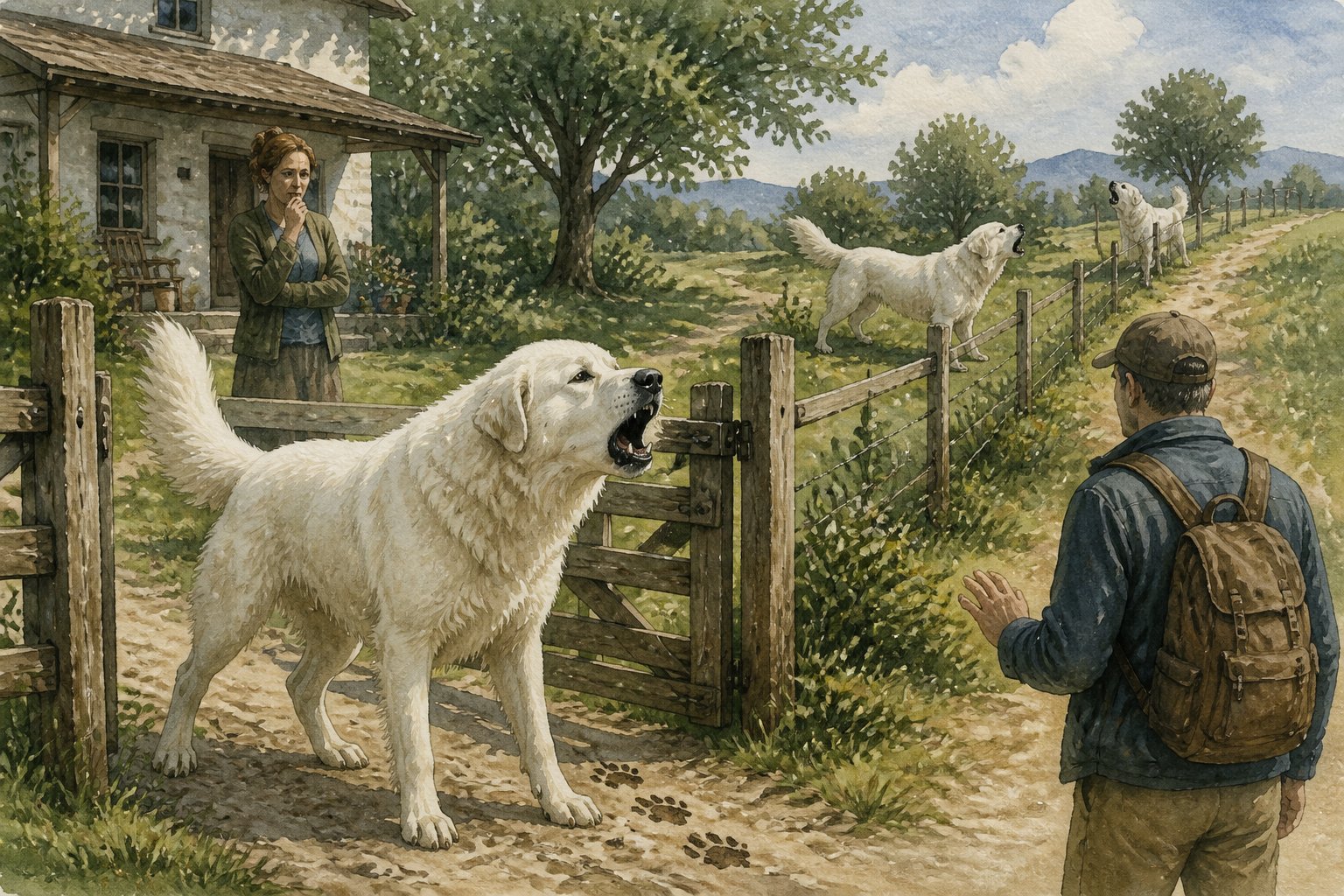
Barking is part of an Akbash’s job, yet unlimited alarm barking can disturb neighbors and make visitors unsafe. Do not wait until your dog is charging the fence or door.
Create a visitor routine before guests arrive. Put your dog behind a secure barrier, ask visitors to ignore it, and reward quiet observation.
Teach your dog to move to a mat or kennel when the doorbell rings. You can then release it only when its body is relaxed.
Reduce visual triggers with solid fencing, window film, or a designated lookout area. Avoid yelling over barking, since your dog may interpret your raised voice as participation in the alarm.
4. Letting An Akbash Roam On An Unfenced Property
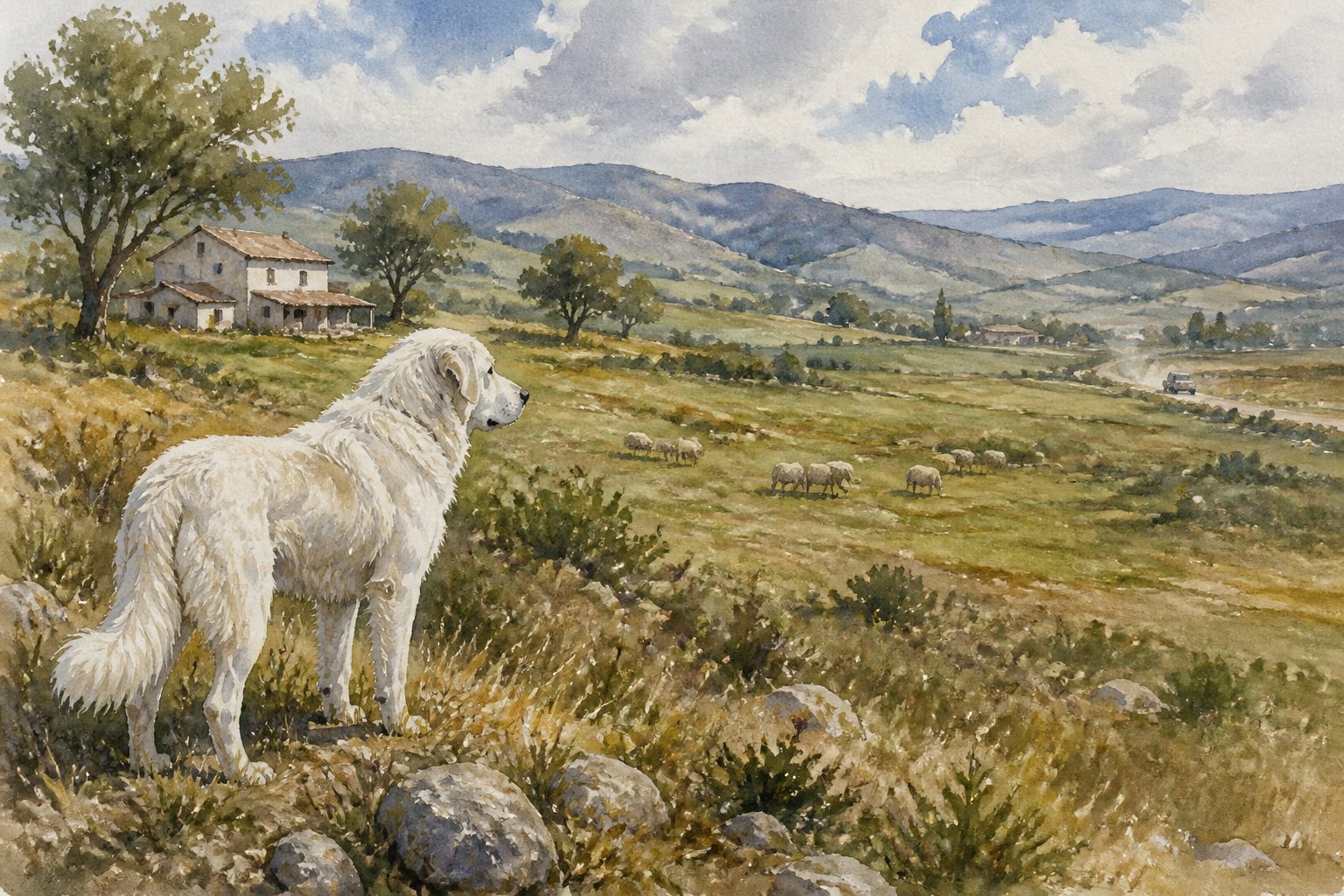
An Akbash may patrol far beyond the area you consider home. Roads, neighboring properties, wildlife, and unfamiliar dogs create serious risks when your dog can leave freely.
Use fencing designed for a large, athletic guardian. Check gates, digging points, loose boards, and spaces beneath the fence often.
A secure double-gate entry can prevent door and vehicle escapes. Microchipping and identification tags add protection, yet they do not replace containment.
Supervise outdoor time, especially during adolescence, when your dog’s confidence and range may expand.
5. Using Harsh, Confrontational, Or Dominance-Based Training
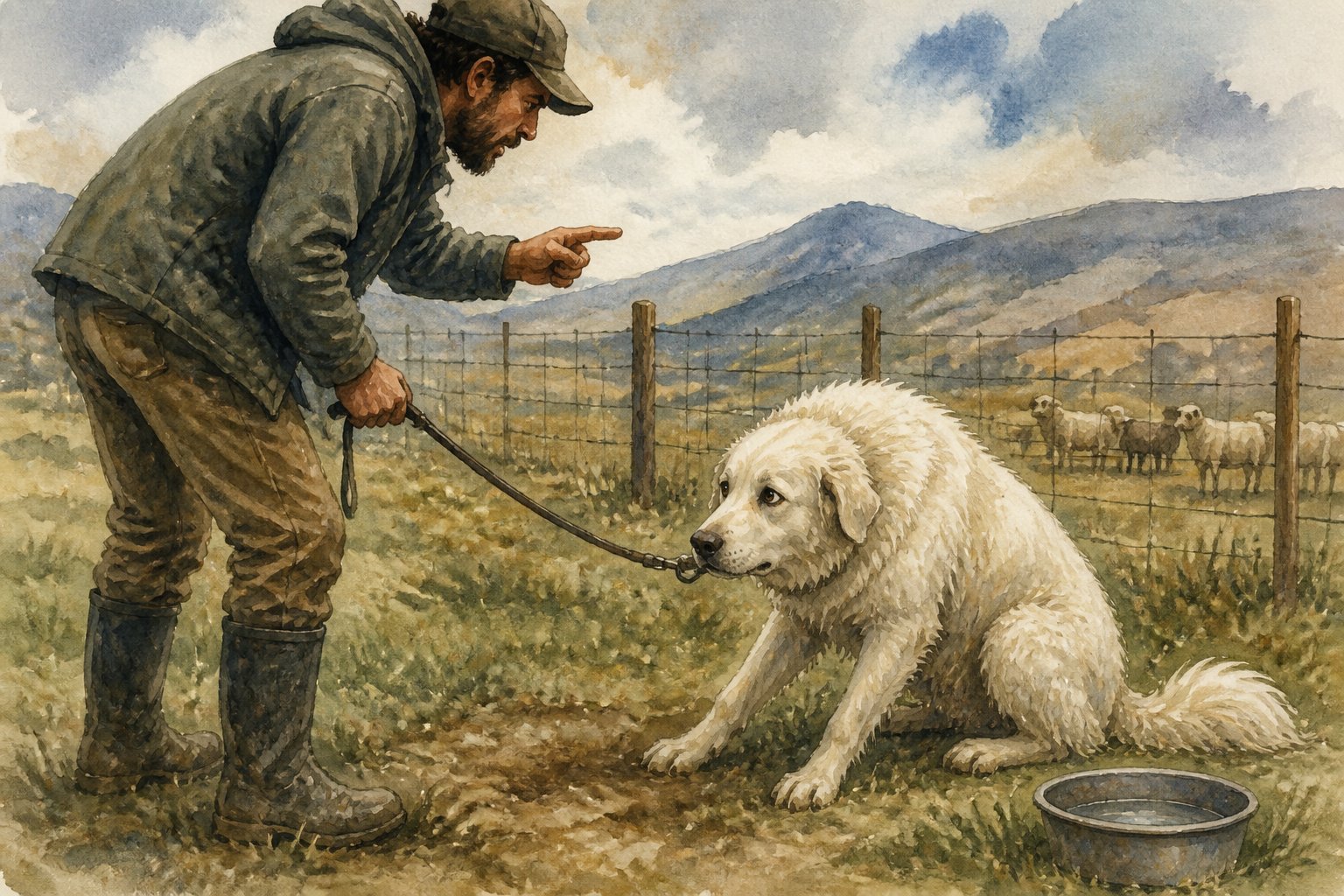
Physical corrections, intimidation, and confrontations can make a protective dog fearful or defensive. They may also damage the trust you need when handling a powerful animal.
Use reward-based training and clear management instead. Prevent rehearsal of unwanted behavior with gates, leashes, barriers, and planned routines.
When your dog makes a good choice, mark it quickly and reward it. If your Akbash ignores a cue, lower the distraction, improve the reward, or teach the skill in smaller steps.
A calm, confident handler earns better cooperation than someone trying to overpower the dog.
6. Ignoring Prey Drive Around Cats, Poultry, And Wildlife
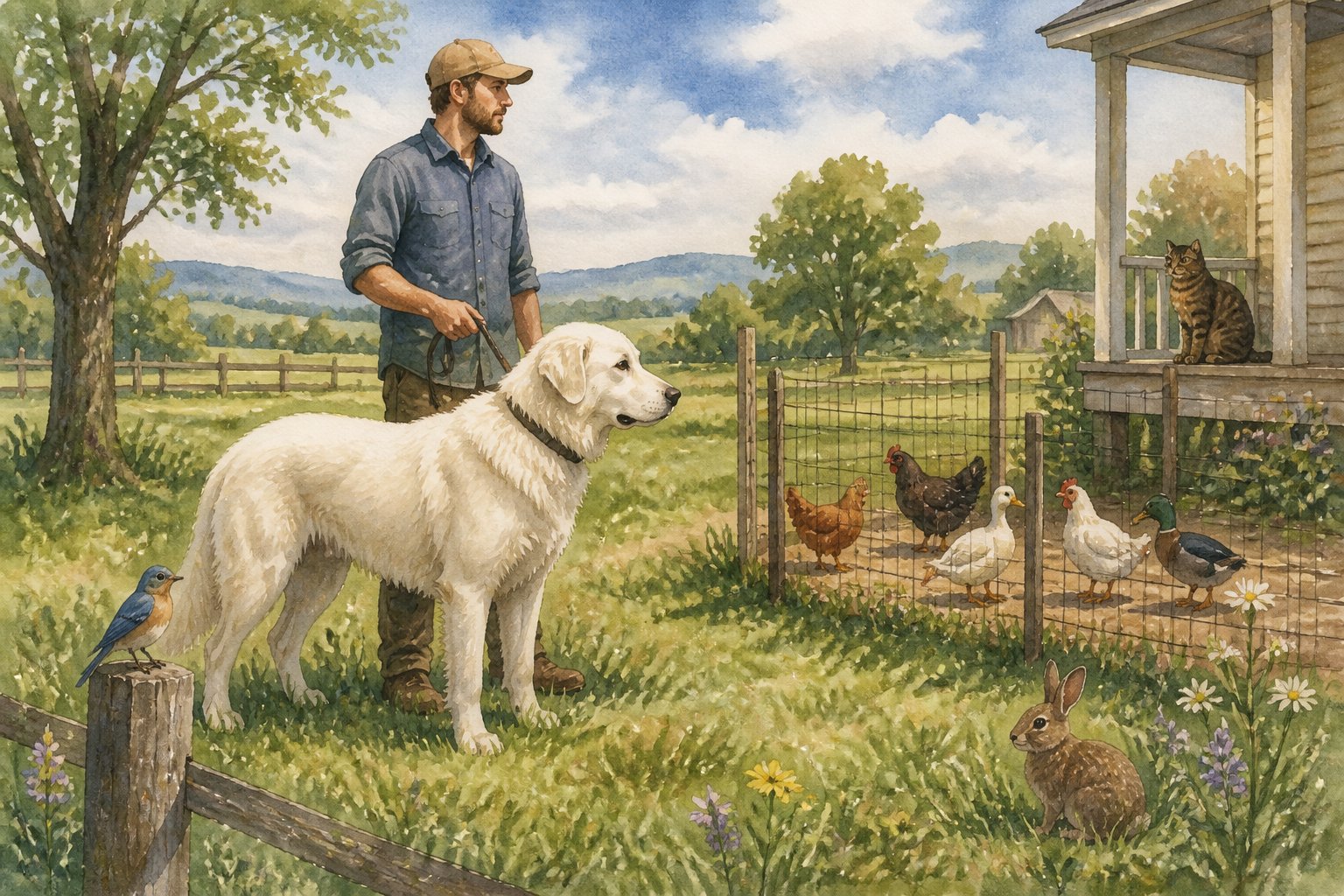
An Akbash may protect livestock, yet that does not guarantee safe behavior with every animal. Cats, chickens, ducks, rabbits, deer, and running wildlife can trigger chasing or grabbing.
Use secure separation during introductions. Reward your dog for looking away, returning to you, and walking calmly near animal enclosures.
Keep poultry behind strong fencing. Never leave uncertain animals together without supervision.
Watch body language closely. A stiff posture, fixed stare, silent stalking, or sudden forward movement deserves immediate distance.
A muzzle may provide temporary safety during professional assessment, but it does not replace training or management.
7. Getting An Akbash Without Livestock-Guardian Breed Experience
An Akbash is not simply a large white family dog. Its size, independence, guarding instincts, and need for secure management can surprise owners who have only lived with eager companion breeds.
Before choosing one, spend time with mature Akbash dogs and speak with experienced owners, breeders, and veterinarians. Ask how the dogs behave with visitors, delivery workers, children, pets, and confinement.
You also need a realistic plan for housing, fencing, training, grooming, veterinary care, and emergencies. A puppy’s quiet temperament can change as it reaches social maturity.
Choose support before problems appear, not after your dog has developed a strong guarding pattern.
8. Relying On Exercise Alone Instead Of Purposeful Mental Work
Physical activity alone will not give your Akbash a useful outlet. Long, repetitive exercise can create an overtired dog without teaching it how to settle, make safe choices, or respond around distractions.
Add short training games, scent searches, food puzzles, calm exploration, and supervised problem-solving. Practice finding treats in boxes, walking past triggers, or returning to a mat while household activity continues.
Give your dog quiet time as well. Many Akbash dogs enjoy observing their surroundings more than constant fetch.
A daily rhythm that includes movement, mental work, rest, and meaningful responsibilities usually produces calmer behavior than endurance exercise alone.
9. Introducing Livestock Responsibilities Too Fast
Placing a young Akbash directly with vulnerable livestock can lead to chasing, rough play, injury, or poor bonding. Guardian behavior develops with maturity, guidance, and careful supervision.
Start with secure, calm livestock and controlled contact. Use a smaller area where you can interrupt unwanted behavior safely.
Reward gentle investigation, resting near animals, and moving away when asked. Keep your dog separated when you cannot supervise.
Increase freedom only after repeated evidence of reliable behavior. An experienced livestock-guardian handler can help you select suitable animals, set boundaries, and recognize the difference between attentive guarding and dangerous predation.
10. Waiting Too Long To Address Guarding Or Aggressive Behavior
Do not dismiss growling, lunging, fence charging, snapping, or hard staring as a phase. These behaviors can become stronger when your Akbash practices them repeatedly.
Record what happens before each incident, including the person, animal, location, distance, and your dog’s body language. Prevent more rehearsals with secure barriers, a leash, visitor separation, and careful scheduling.
Arrange veterinary advice when behavior changes suddenly, since pain or illness can affect reactions. Seek qualified behavior help early, especially after a bite or near-bite.
Waiting for your dog to “grow out of it” can remove valuable training options.
Before Bringing Home An Akbash
Property Fencing And Secure Containment
Inspect your property before your dog arrives. Use strong, tall fencing with secure gates, reinforced corners, and no easy digging routes.
Plan a double-gate entry if your dog will pass through areas used by vehicles or visitors. Provide shade, water, weather protection, and a safe place to separate your dog from guests, children, livestock, or other pets.
Household, Visitor, And Pet Compatibility
Discuss rules with everyone in your home. Consider children’s ages, resident animals, delivery traffic, frequent visitors, and nearby pets.
An Akbash may accept household members while remaining reserved or protective with outsiders. Plan introductions slowly, using barriers and supervision.
Do not rely on size or a friendly puppy temperament to guarantee future compatibility.
Time, Training, And Professional Support
Budget for large-dog veterinary care, quality food, secure equipment, training, and emergency support. Schedule puppy classes or private coaching with someone familiar with guardian breeds.
Your daily plan should include socialization, boundary training, enrichment, rest, and safe handling. If you cannot provide those consistently, choose a breed whose needs fit your routine more closely.
When To Call A Qualified Behavior Professional
Warning Signs That Need Prompt Help
Seek help for repeated lunging, snapping, biting, fence attacks, uncontrolled chasing, guarding of food or space, or sudden behavior changes. A bite, even one that leaves a small mark, deserves prompt professional guidance.
Until you receive help, prevent contact with triggers. Use secure barriers, avoid punishment, and do not test whether your dog can “handle” a stressful situation.
Choosing A Guardian-Breed-Savvy Trainer Or Veterinary Behaviorist
Look for a reward-based professional who has handled large livestock-guardian breeds.
Ask about experience with Akbash dogs, aggression cases, safety plans, and methods before booking.
A veterinary behaviorist can assess medical factors and discuss treatment when fear, anxiety, or arousal is severe.
Your trainer should teach you practical skills while respecting the breed’s instincts.