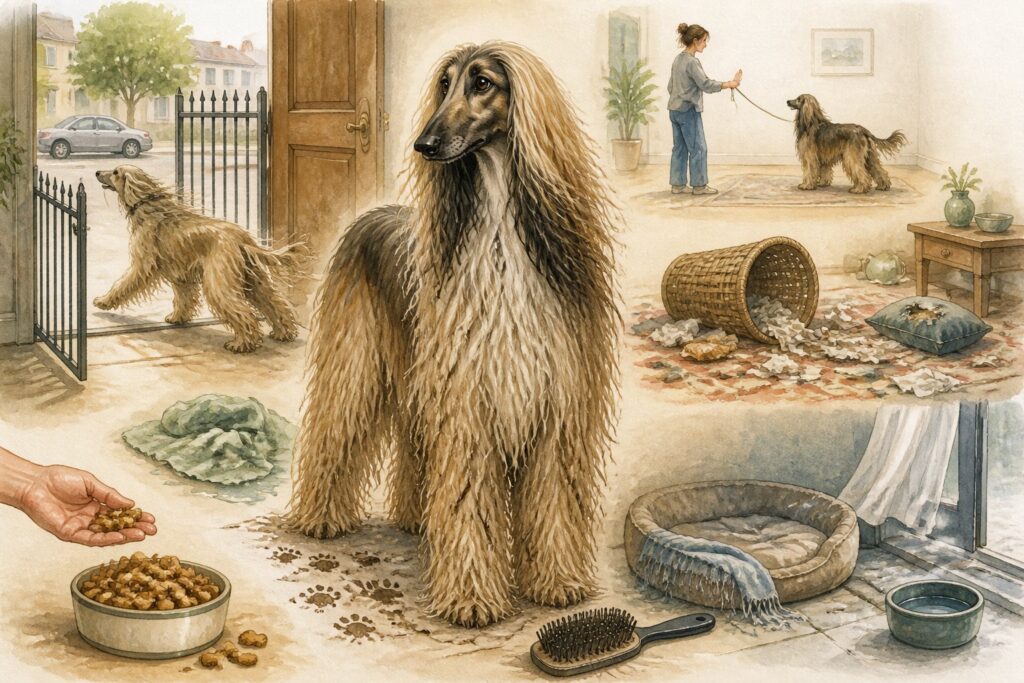
Afghan Hounds look like living silk, but their care needs surprise a lot of new owners. This breed combines a stubborn mind, a thick flowing coat, and a sighthound’s instinct to chase anything that moves.
Most Afghan Hound problems come down to a handful of avoidable mistakes, not bad luck or a “difficult” dog.
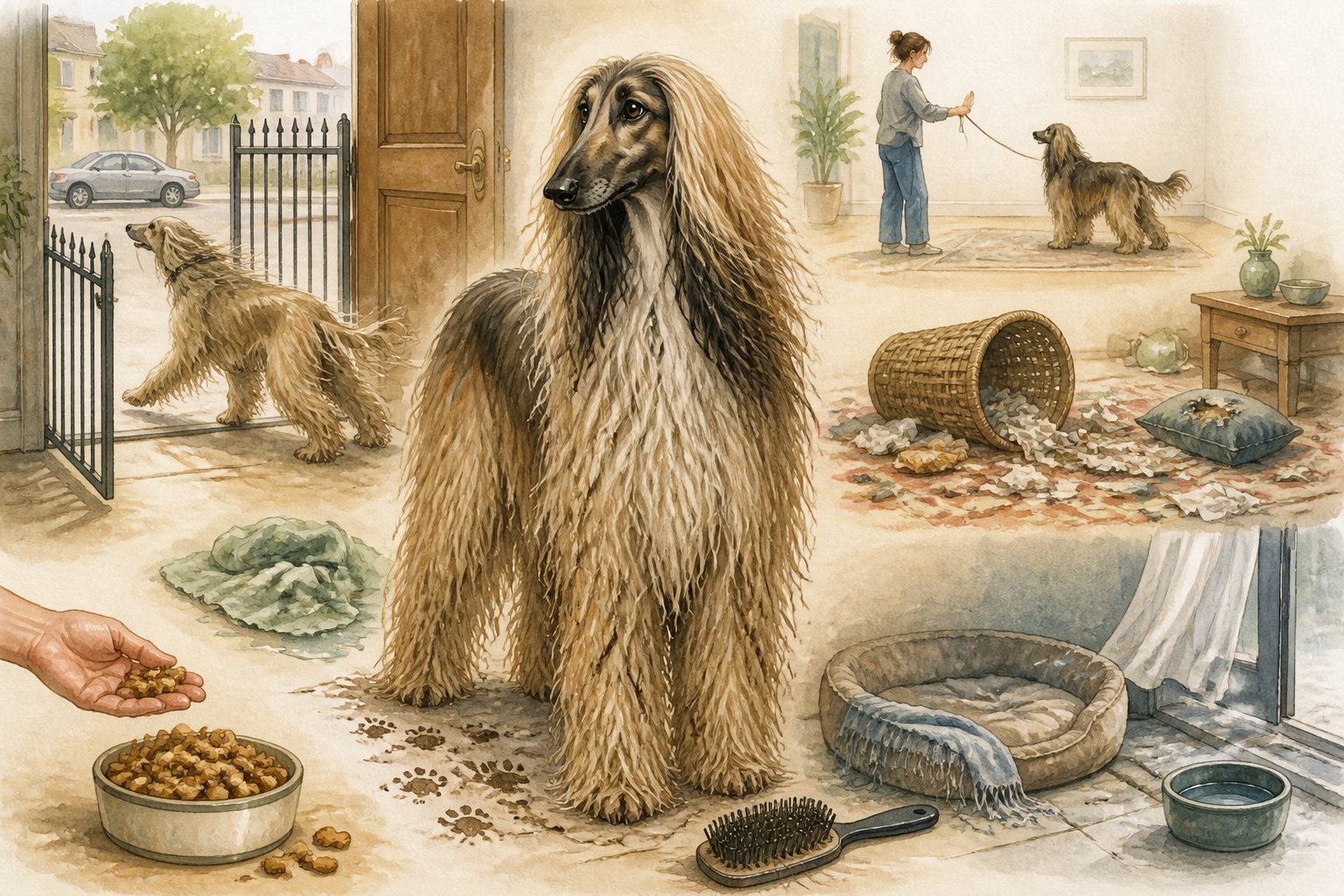
This guide walks through the seven pitfalls that trip up Afghan Hound owners most often. Some involve training and daily habits.
Others involve grooming, health, or picking the right breeder from the start. Spotting these issues early can save you months of frustration and keep your dog safer and happier.
1. Underestimating The Afghan Hound’s Independent Training Style
Afghan Hounds are smart, but they do not train like a Labrador or a Border Collie. They think for themselves and often decide a command is not worth their time.
Owners who expect quick obedience often get frustrated and give up too soon. Short, positive training sessions work better than long drills.
Keep sessions under ten minutes and end on a win. Treats, praise, and play work far better than firm corrections, which tend to make this breed shut down.
Patience matters more than repetition here. A bored Afghan Hound will simply walk away from training that feels pointless.
Mix in scent games or agility-style movement to keep their mind engaged while you build basic manners like sit, stay, and loose-leash walking.
2. Leaving An Afghan Hound Alone Long Enough To Trigger Separation Anxiety
Afghan Hounds bond closely with their families, and that attachment can turn into real distress when left alone too long. Excessive barking, chewed furniture, or pacing near the door are common signs.
Many owners miss these clues until damage or complaints from neighbors pile up. Start by leaving your dog alone for just a few minutes at a time.
Slowly build up the duration over days and weeks. This gradual approach helps them learn that alone time is normal and temporary.
Puzzle feeders and stuffed chew toys give them something to focus on besides your absence. A crate or a cozy designated space can also help, as long as it feels safe rather than like punishment.
If anxiety persists despite this approach, it may point to a deeper issue worth addressing with a professional.
3. Skipping Early Socialization With Dogs, Visitors, And Everyday Environments
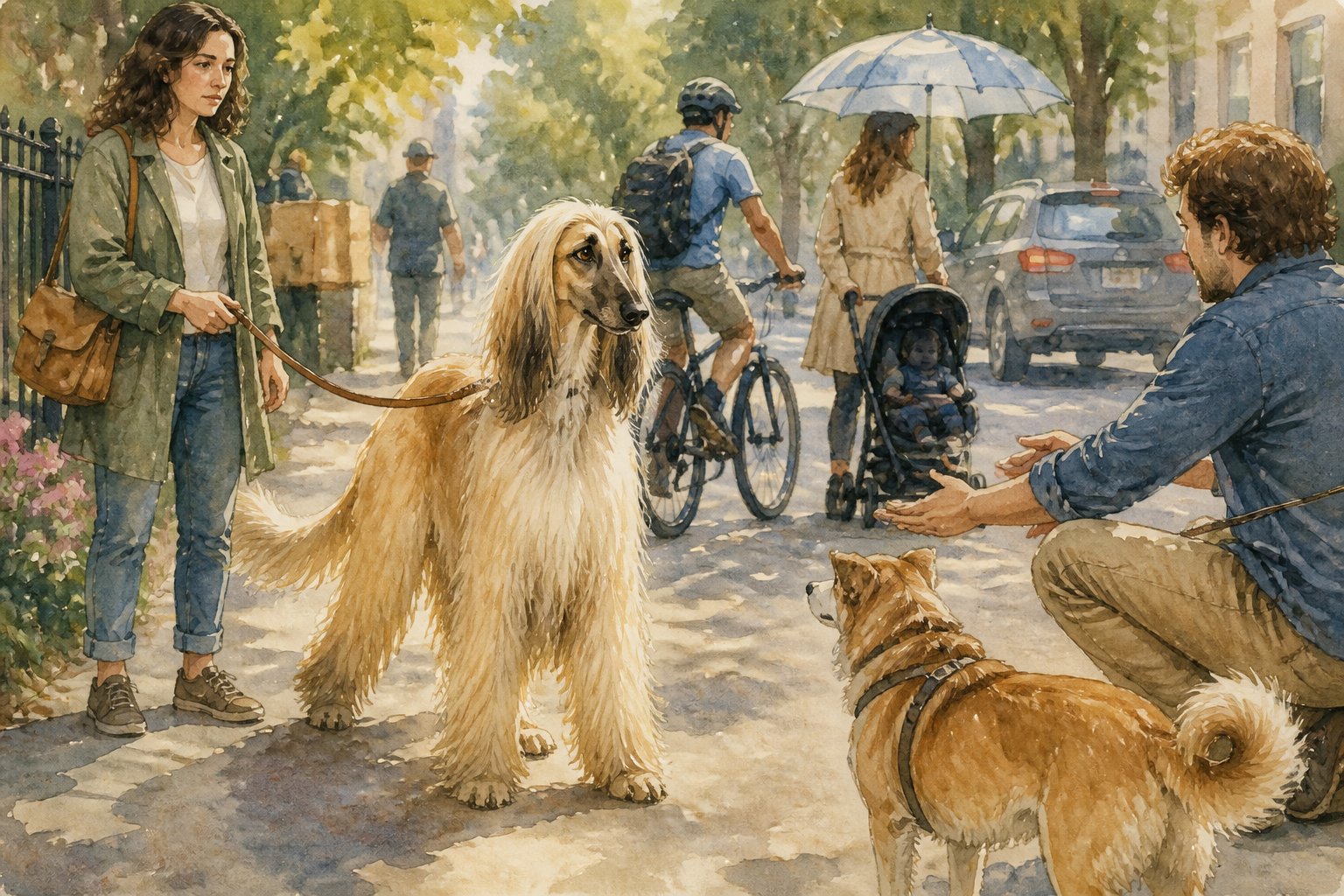
Afghan Hounds that miss out on early socialization often grow up wary of strangers, nervous around new dogs, or fearful in unfamiliar places. This is one of the most common regrets owners mention after the fact.
The fix is much easier during puppyhood than later. Introduce your dog to new people, sounds, and settings in small doses.
A trip to a quiet park, a calm visitor at the door, or a short car ride all count as valuable exposure. Keep these experiences positive with treats and a relaxed tone.
Puppy socialization classes offer a controlled setting to meet other dogs safely. Even adult Afghan Hounds can benefit from slow, structured introductions.
The goal is confidence, not forced interaction, so let your dog set the pace while you guide gently from the sidelines.
4. Trusting An Afghan Hound Off-Leash Despite Its Powerful Chase Drive
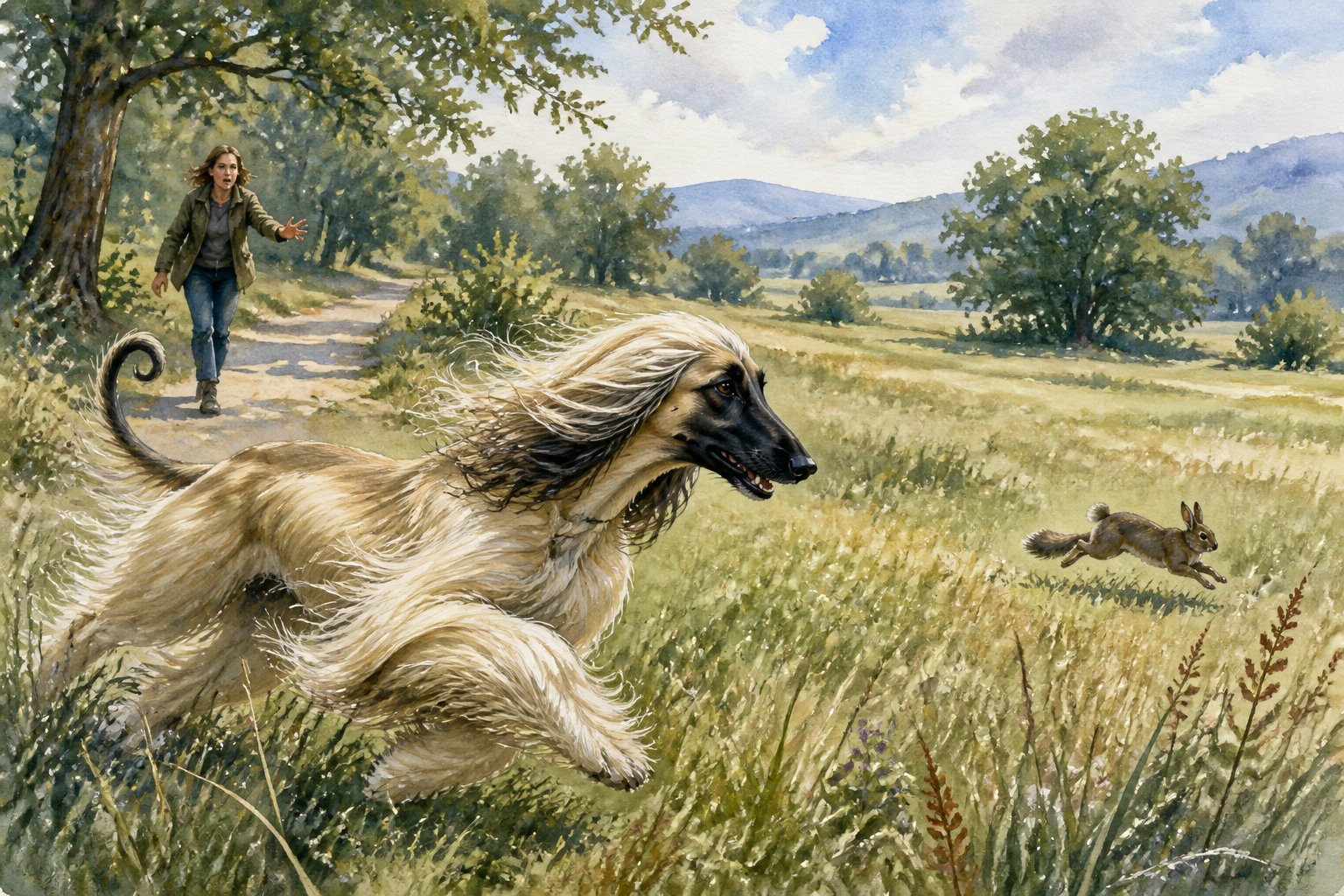
Afghan Hounds were bred to chase fast-moving prey across open ground, and that instinct never fully disappears. A squirrel, rabbit, or even a jogger can trigger a full sprint in seconds.
Recall training rarely overrides this drive once a chase begins. Off-leash freedom feels tempting, especially in a quiet park or backyard.
It only takes one moment of distraction for an Afghan Hound to bolt out of sight. Their speed makes catching up nearly impossible.
A securely fenced yard and a sturdy leash are non-negotiable tools for this breed. Long training leads work well for practicing recall in open spaces without risking a runaway.
Save off-leash time for fully enclosed areas built for dogs, never open fields or unfenced trails.
5. Falling Behind On Daily Coat Brushing And Mat Prevention
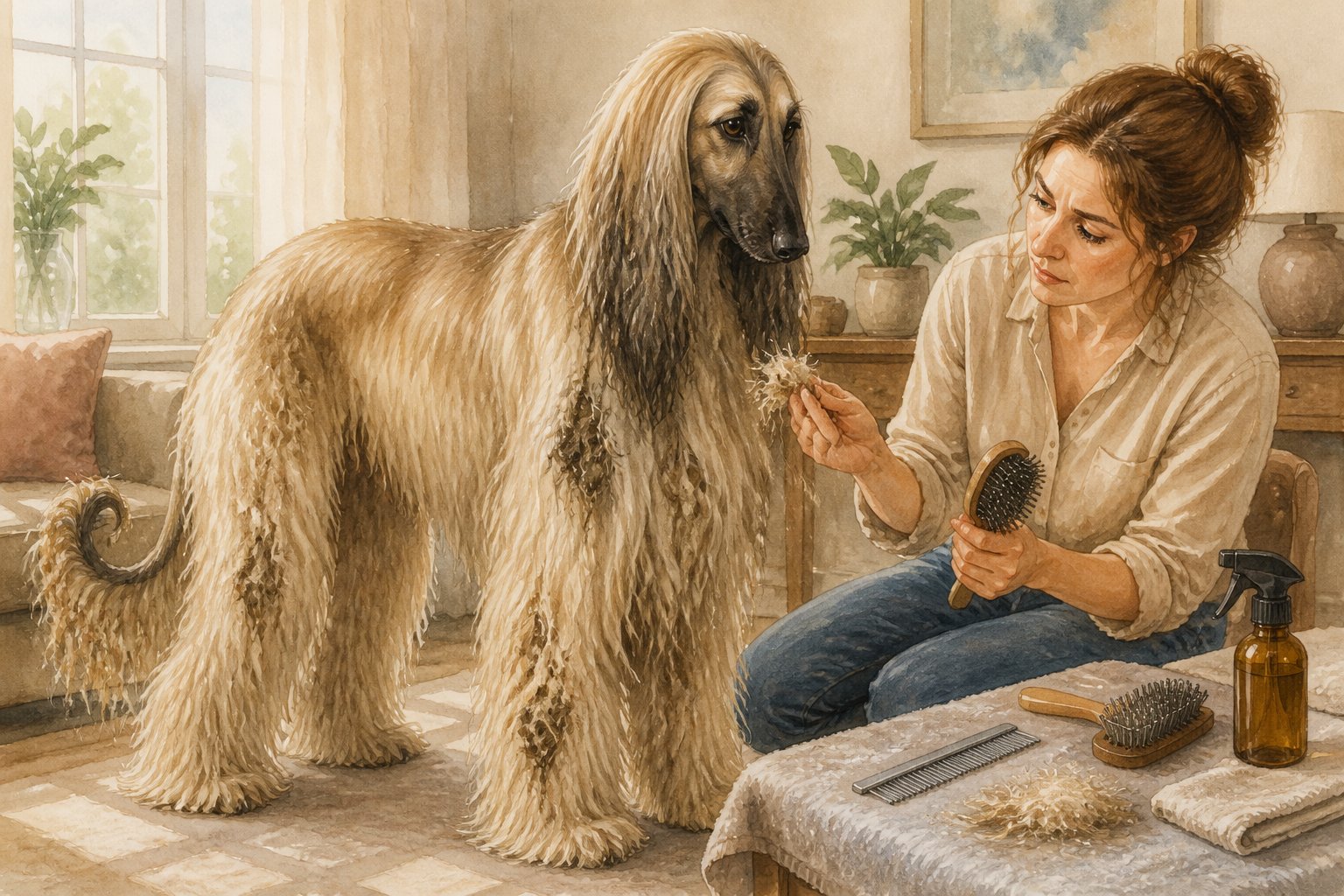
That famous flowing coat takes real daily work, not occasional attention. Skipping even a few days of brushing lets mats form fast, especially behind the ears, under the legs, and along the belly.
Once mats set in, they often require cutting out rather than combing. Daily brushing sessions of fifteen to thirty minutes keep the coat manageable.
A pin brush and a wide-tooth comb work well for reaching the undercoat. Some owners find a light conditioner rinse after baths helps reduce tangles between sessions.
Bathing needs attention too. Long, drooping ears trap moisture and debris, which can lead to irritation if they are not dried thoroughly.
Check paws and ears regularly for burrs or trapped debris, since this coat picks up outdoor material easily on walks.
6. Ignoring Deep-Chest Bloat Risk And Sudden Digestive Warning Signs
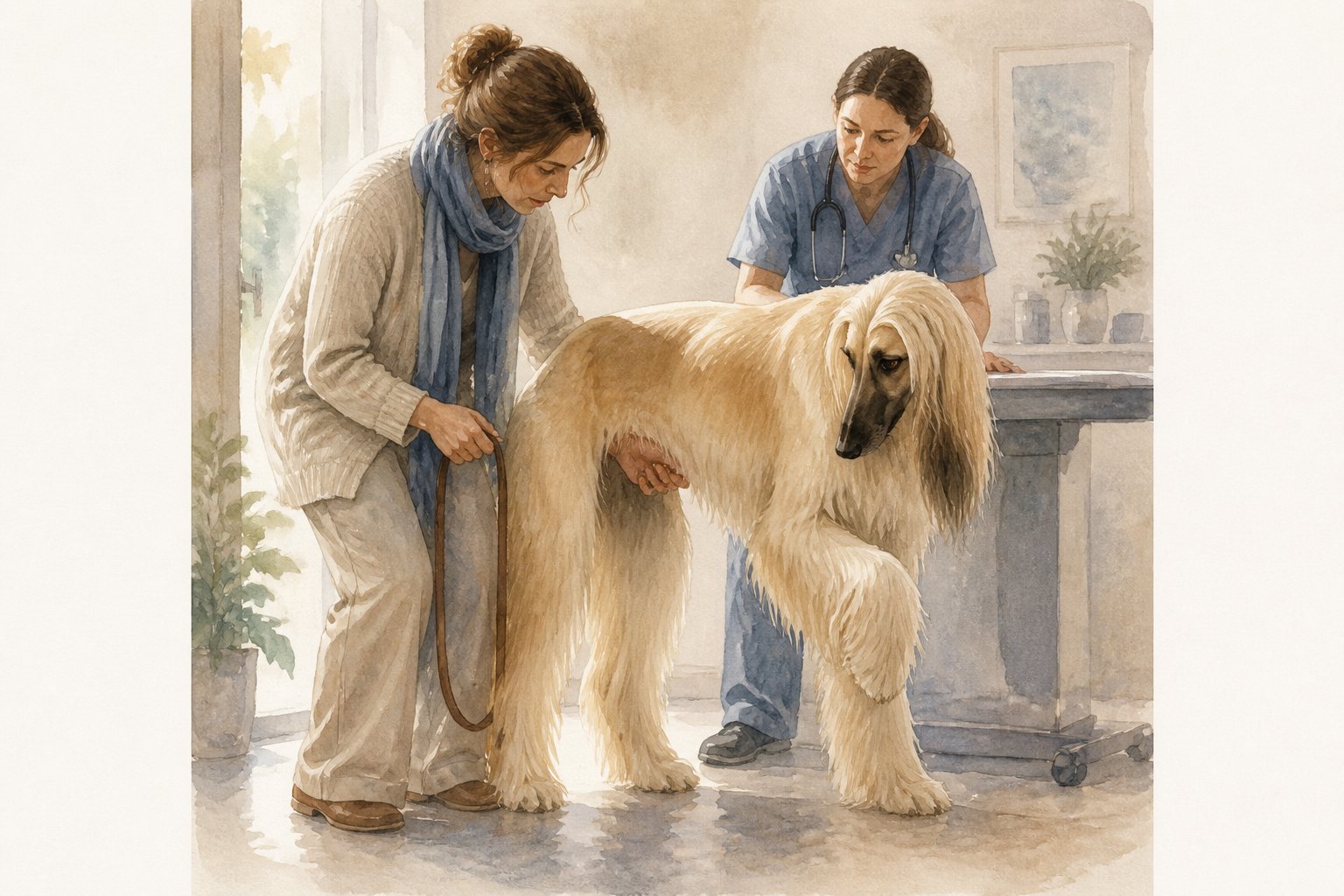
Afghan Hounds have a deep chest, a body shape linked to a higher risk of bloat. This condition can turn serious within hours, so knowing the warning signs matters more than most owners realize.
A swollen belly, restlessness, drooling, or attempts to vomit without success are red flags. Feeding smaller meals rather than one large portion can lower risk.
Avoid vigorous exercise right before or after meals. Slow feeder bowls also help dogs that tend to eat too fast.
Bloat is a medical emergency, not something to monitor overnight. If your dog shows these symptoms, contact a veterinarian immediately rather than waiting to see if things improve.
Fast action in the first hour often makes the biggest difference in outcome.
7. Choosing A Breeder Without Verifying Health Testing And Temperament Practices
Picking a breeder based on price or availability alone often leads to health and behavior surprises down the road. Reputable Afghan Hound breeders test for genetic conditions common to the breed and can explain results clearly.
Skipping this step increases the odds of inherited health issues later in life. Ask to see health clearances for the parents, not just promises.
A trustworthy breeder welcomes questions and shows you where puppies are raised. Puppies raised in a clean, socially active home environment tend to adjust better to new families.
Temperament matters as much as health. Ask how the breeder exposes puppies to sounds, handling, and new people before they go home.
A breeder who cannot answer basic questions about socialization or health testing is a sign to keep looking elsewhere.
How To Set Up An Afghan Hound-Friendly Home
Secure Fencing And Leash Management
A tall, solid fence with no gaps is essential for this breed’s chase instinct. Check for loose boards or gaps at ground level where a determined dog could squeeze through.
Always use a sturdy leash and harness combo during walks near roads or wildlife.
Grooming Space And Coat-Care Supplies
Set aside a dedicated grooming spot with good lighting and a non-slip surface. Keep a pin brush, wide-tooth comb, detangling spray, and ear-cleaning wipes within reach.
A raised grooming table can make daily brushing easier on your back and more comfortable for your dog.
Daily Exercise And Enrichment Routine
Afghan Hounds need daily physical activity paired with mental stimulation. A mix of leashed walks, safe fenced running time, and puzzle toys keeps both body and brain satisfied.
Rotate toys and activities weekly to prevent boredom from setting in.
When To Call A Veterinarian Or Qualified Behavior Professional
Urgent Health Symptoms
Contact a veterinarian right away for a swollen abdomen, repeated unsuccessful vomiting attempts, sudden lethargy, or labored breathing. These can signal bloat or other emergencies that need immediate care.
Do not wait to see if symptoms pass on their own.
Behavior Changes That Need Assessment
Sudden aggression, extreme fearfulness, or destructive behavior that does not improve with consistent training may point to an underlying issue. A sudden change in appetite or energy paired with behavior shifts is worth mentioning to your vet too.
Ruling out pain or illness first helps clarify whether the issue is medical or behavioral.
Finding Breed-Experienced Support
Look for trainers or behaviorists who have worked with sighthounds or independent breeds before.
Ask local Afghan Hound clubs or breed rescue groups for referrals.