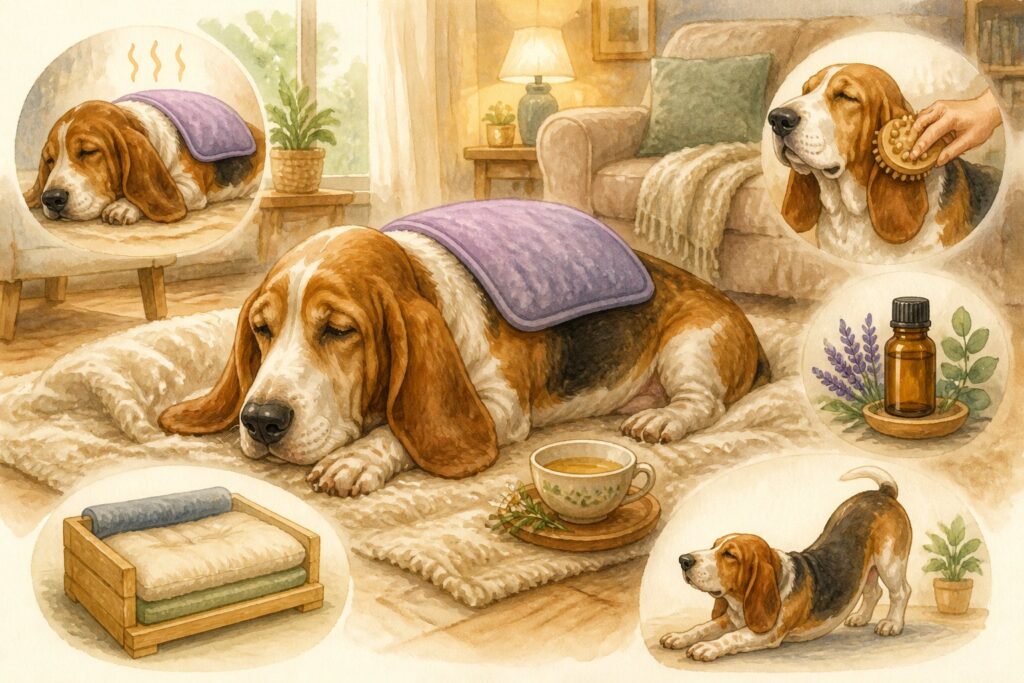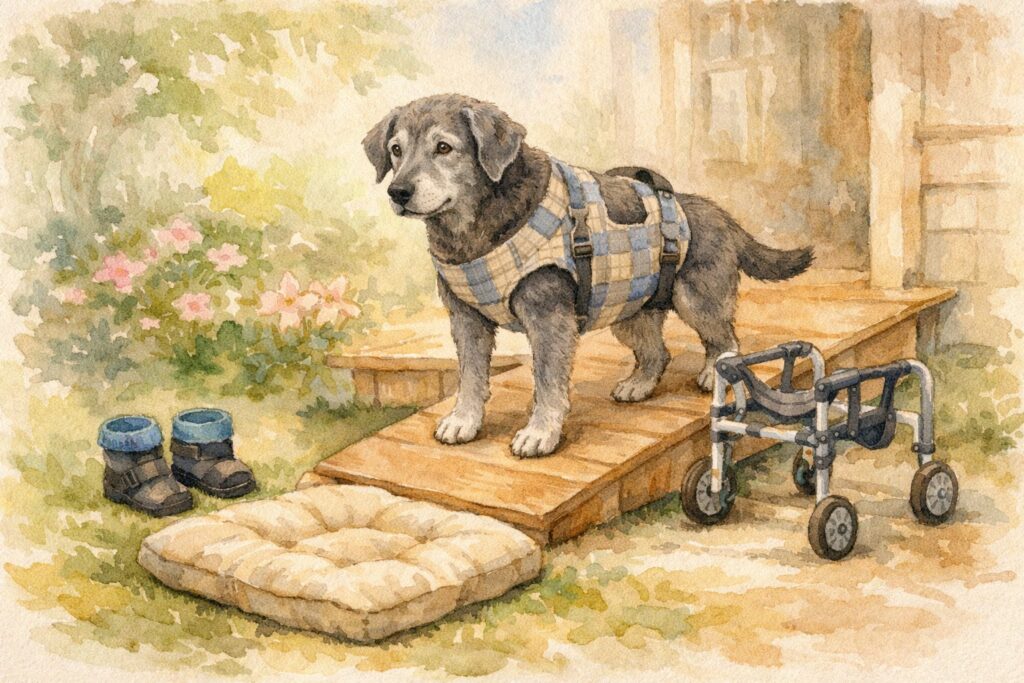
You want real ways to help your senior dog move with less pain and a bit more confidence. Here are seven easy DIY tricks and tweaks you can make at home—stuff that’ll help with walking, climbing, eating, and just getting comfy, so your dog stays safer and feels better.
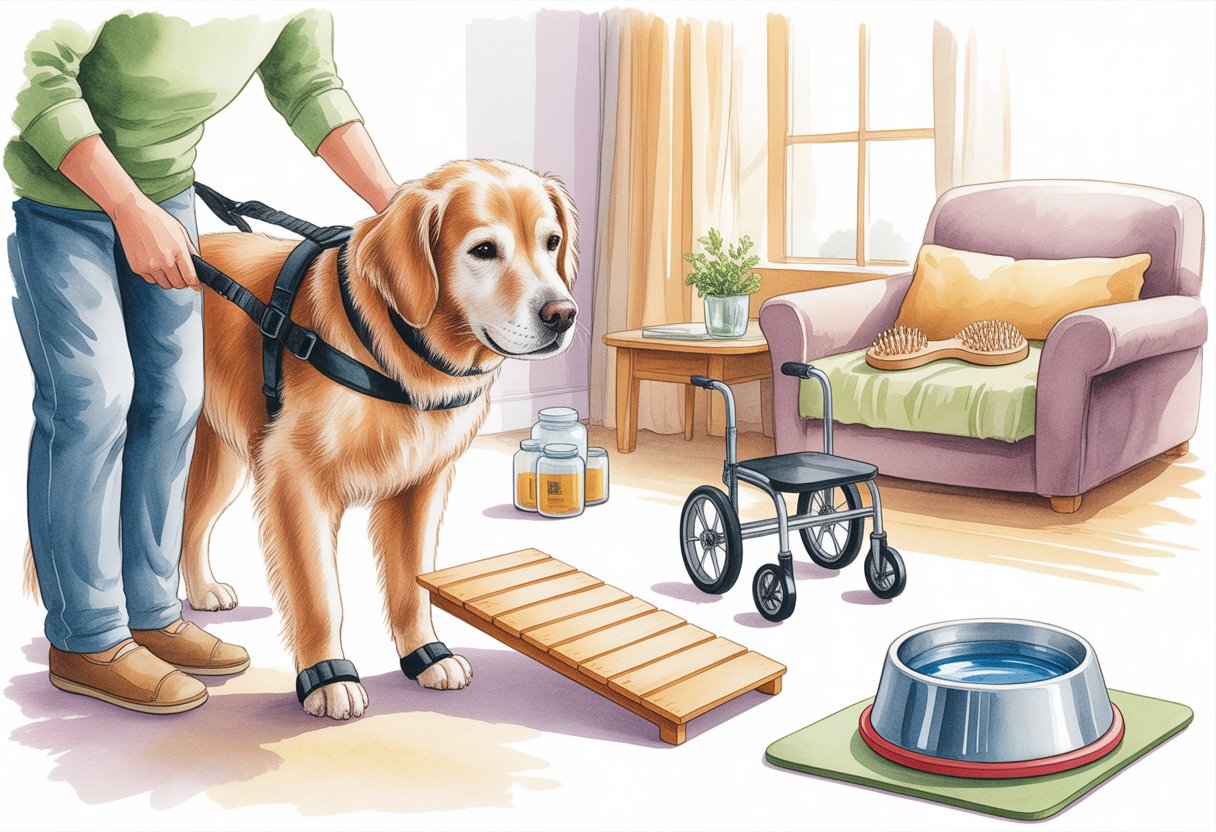
You’ll find simple projects and home changes that work for most budgets and skill levels. The ideas focus on traction, standing support, and joint relief, so you can get started right away.
Build a simple towel sling for support during walks
You can whip up a sling from a sturdy towel to help your dog walk without putting too much strain on either of you. Just fold the towel lengthwise until it’s about 6–10 inches wide, depending on your dog’s size.
Slide it under your dog’s belly or behind the hind legs, then pull the ends up on each side so you can hold them. Keep your back straight and lift with your knees.
Hold the towel close to your dog’s body for steady support—use both hands if your dog’s heavy. Walk slow and let your dog set the pace.
Check the towel for slipping and adjust if needed so you’re not rubbing sensitive spots. If your dog seems uncomfortable, stop and ask your vet about longer-term assistive gear.
Create homemade ramps to ease stair climbing
Ramps let your senior dog avoid steps that really strain those old joints. You can build one for a porch, a short stair, or even next to your bed so favorite spots stay accessible.
Use sturdy plywood for the surface and 2x4s for the frame. Add outdoor carpet, rubber matting, or traction tape so your dog doesn’t slip—especially if things get damp.
Try to keep the ramp angle gentle. A longer ramp is easier on the hips and knees, so measure the height and go for a gradual slope.
Secure the ramp so it can’t slide or wobble. Walk your dog up and down slowly, giving treats and encouragement until it feels normal.
Use non-slip rugs and runners on slippery floors
Put rugs or runners where your dog slips most—hallways, entryways, or by the bed. These add instant traction and help your dog move with a bit more confidence.
Pick rugs with low pile and rubber or non-slip pads underneath. Tape down the edges with double-sided rug tape so nothing bunches up and trips your pup.
Go for washable materials—seriously, it’ll save you time. Machine-washable runners are a lifesaver for fur and muddy paw days.
Measure doorways and furniture clearances before buying so you don’t block walkways. If one long runner won’t fit, stagger smaller mats along the route.
Not into full-room rugs? Small, well-placed mats can do the trick without a total floor makeover.
Construct pet stairs with plywood for safer access
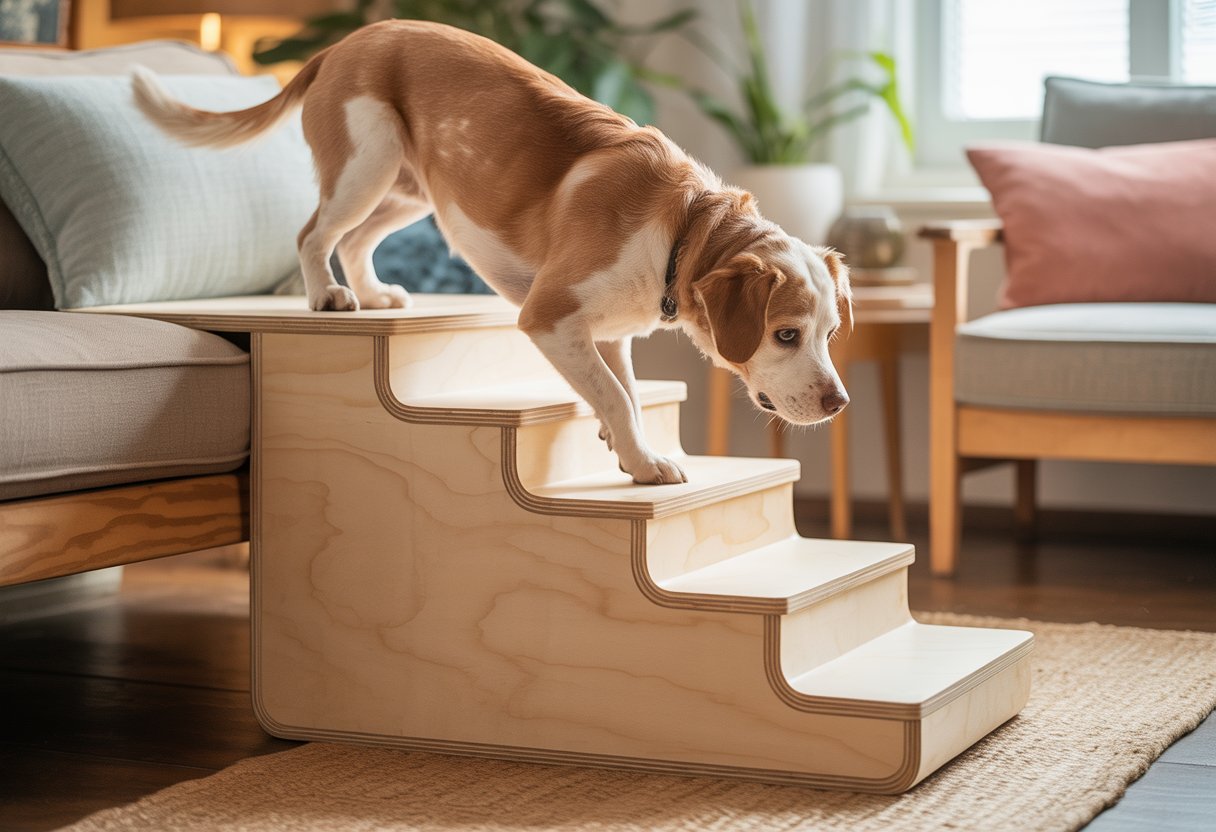
You can build simple pet stairs from plywood to help your senior dog reach beds, couches, or the car. Plywood’s cheap and easy to cut, so you can fit the stairs to your dog and your space.
Keep the steps shallow and wide so your dog can climb without too much effort. Measure so all four paws fit on each step.
Add non-slip carpet, rubber matting, or adhesive treads. Secure the covering and round off sharp edges so there’s nothing to snag or cut a paw.
Reinforce the stairs with cleats or extra supports under each tread. Sand everything smooth, paint or stain if you want, and test with something about your dog’s weight before you let them use it.
Make a mobility harness to assist with standing
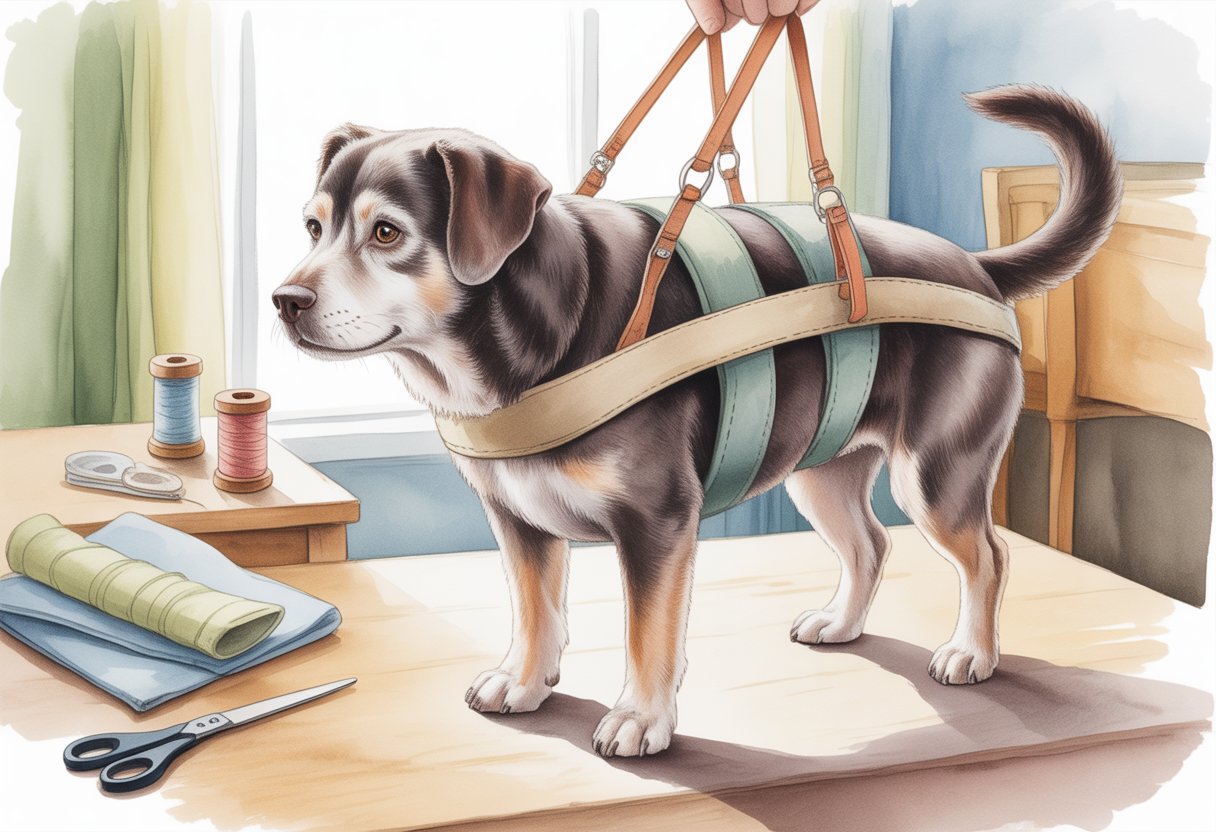
Make a simple harness for steady support when your dog stands up. Use wide, soft straps and a padded handle so you can lift without digging into bones or joints.
Measure around your dog’s chest and under the belly for a snug but comfy fit. Sew or use strong buckles—skip the thin rope, it’ll just cut into their skin. Add a back strap to keep the harness from slipping.
Put the handle over your dog’s lower back or under the belly, depending on where they need help. Lift smoothly with your legs, not your back.
Test the harness gently at home first. Watch for chafing or loose stitching and adjust if your dog seems uncomfortable.
Set up elevated feeding stations to reduce strain
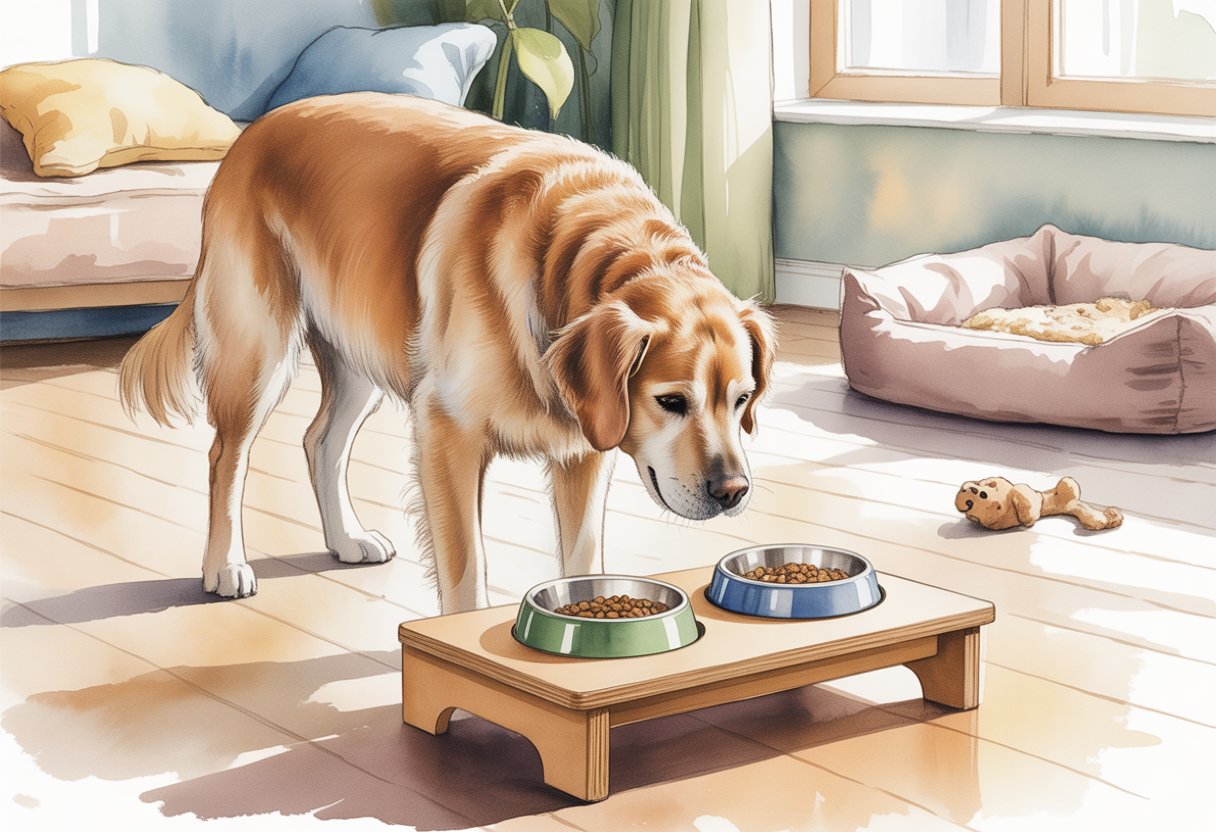
Raise your dog’s bowls to make eating and drinking easier. An elevated station keeps their neck and spine straighter, so there’s less strain on sore joints.
You can buy a feeder or build one from wood or sturdy stuff you have around. Aim for a height where your dog can eat with a straight back, not hunched or craning down.
Keep bowls stable—non-slip pads and snug openings help prevent spills and awkward reaching.
For seniors, use separate bowls for food and water and put them on a flat surface. Check the station for wear and adjust the height if your dog’s posture changes.
Install foam mats for cushioning joints
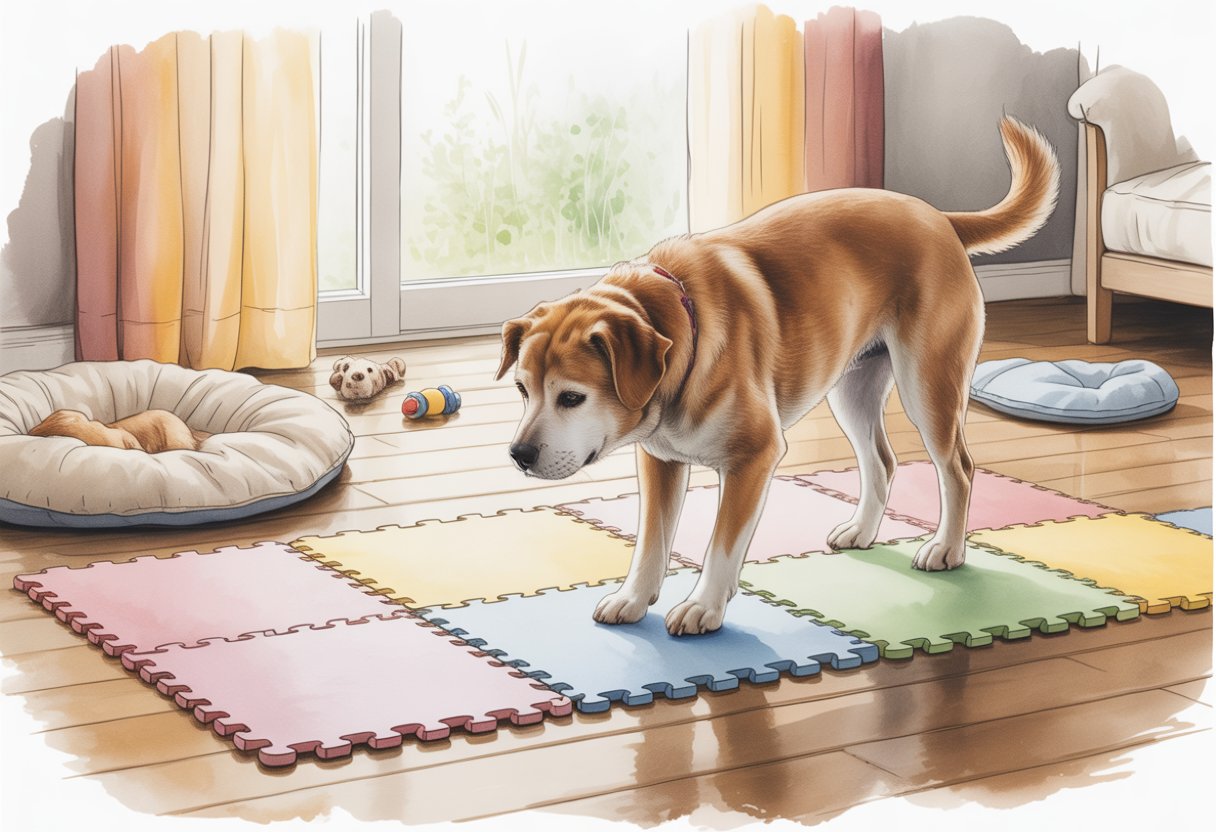
Lay foam mats where your dog hangs out most—by the bed, food bowls, or a favorite chair. The soft surface eases pressure on hips and knees and gives way better grip than hardwood or tile.
Go for interlocking EVA or closed-cell foam tiles. They’re tough, easy to clean, and you can cut them to fit weird corners.
Start in a corner and work outward so seams stay tight. If you can, use border strips for a neat edge and to stop curling.
Vacuum often to get rid of hair and grit that’ll wear the foam down. Replace mats if they get torn or squished flat—they lose their cushion and grip when they’re old.
Understanding Senior Dog Mobility Challenges
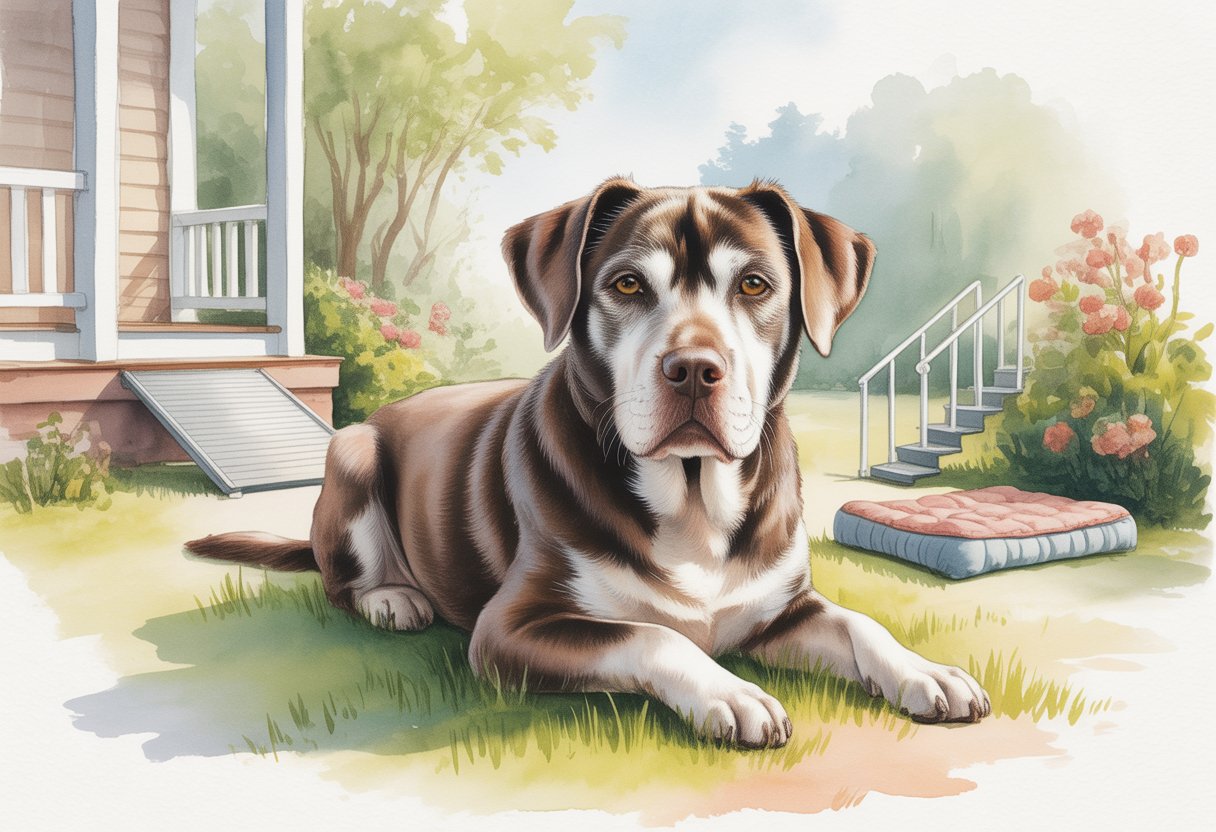
Senior dogs often face joint pain, muscle loss, nerve changes, and weight shifts. These can make walking, climbing, and standing a real struggle.
You’ll want to know what usually causes these problems and how to spot them before things get worse.
Common Causes of Mobility Decline
Arthritis is the main culprit. As cartilage wears out, bone rubs on bone, especially in hips, knees, and the spine.
Large breeds often get hip and elbow arthritis, but little dogs aren’t immune.
Muscle loss and weakness creep in as dogs move less with age. Muscles shrink, so your dog gets tired faster and stability drops.
Spinal issues like disc disease or spondylosis can press on nerves and cause weakness or sudden hind-leg collapse.
Obesity piles on more stress. Hypothyroidism and other endocrine issues can sap muscle and slow metabolism. Neurological conditions and old injuries add to the challenge.
Recognizing Early Signs of Mobility Issues
Watch for stiffness after naps, slower rising, or hesitation to jump into the car or onto the couch. These often show up before obvious limping.
Notice changes in how your dog walks—shorter steps, dragging back feet, or stumbling. Sometimes they lose interest in walks or get cranky if you touch a sore spot.
Check for muscle loss along the back or hips and uneven paw pad wear. Jot down changes in how far your dog walks, how long it takes to get up, or how often they balk at stairs. It helps to track this for your vet.
Enhancing At-Home Mobility Care
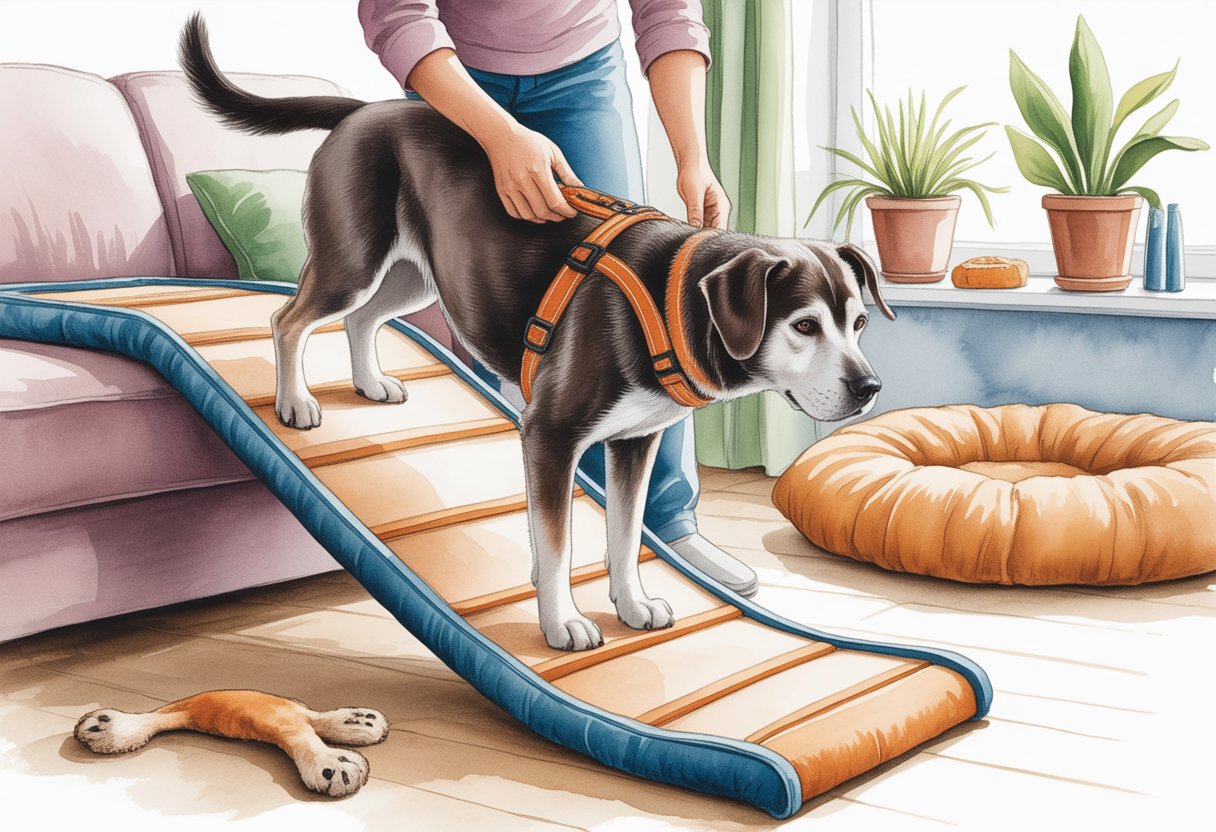
You can make small changes at home and keep tabs on your dog’s progress. Focus on traction, short ramps, and jotting down daily movement so you can spot improvements—or setbacks.
Adapting Your Living Space
Make main routes easier to cross. Put non-slip rugs or mats on slippery floors in entryways, hallways, and by beds.
Trim rugs or tape down edges so nobody trips. Set up a low ramp (4–6 inches rise) at door thresholds or by the couch or bed.
Move furniture to keep a clear path—at least 24–30 inches wide works for most dogs. Keep food and water bowls in one steady spot at a comfortable height.
Hang a harness near the main door for help with stairs or getting into the car.
Check lighting in hallways and stairways. Motion-sensor night lights make a big difference at dawn or dusk.
If you can, add stair treads or a ramp for stairs that are just too slippery.
Monitoring Progress and Adjusting Solutions
Jot down short, specific things every day: minutes spent walking, how many times your dog tackles the stairs, and any signs of pain like limping or hesitancy. I usually just use a notebook or a quick note on my phone—date, activity, and any little behavioral changes.
Take a look at your notes once a week. You might spot patterns you didn’t notice in the moment.
If your dog keeps improving, stick with the plan and try bumping up walks by 5–10 minutes. But if you notice more pain or stiffness, pull back on activity and check in with your vet.
If your dog doesn’t like a certain aid, swap it out or tweak it. Maybe a different harness fits better, or a ramp with a gentler angle, or just more traction under their paws.
Ask your vet or a canine rehab specialist for some safe, simple strength exercises or gait drills you can try at home. Keep track of how your dog reacts to each new device or exercise for at least a week, maybe a bit longer, before you decide if it’s actually helping.