When constipation hits, you want your dog feeling better—fast. You’re probably searching for safe, easy things you can try at home.
Here are six natural treatments that often help with mild constipation and get things moving again, without harsh chemicals.
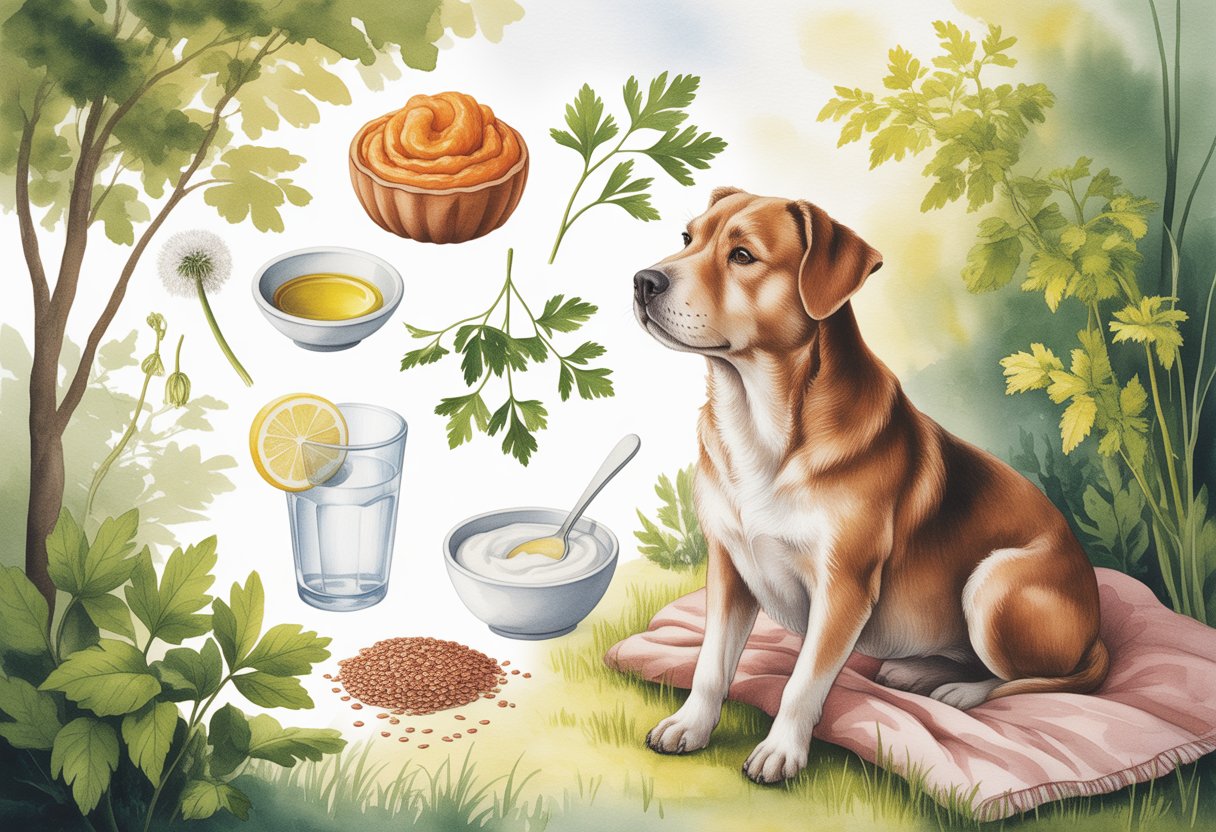
Let’s talk practical options—like gentle fiber boosts, ways to add moisture, and a few steps to support healthy gut bacteria. You’ll know what to try and when to call your vet if things don’t improve.
Pumpkin puree to add fiber and moisture
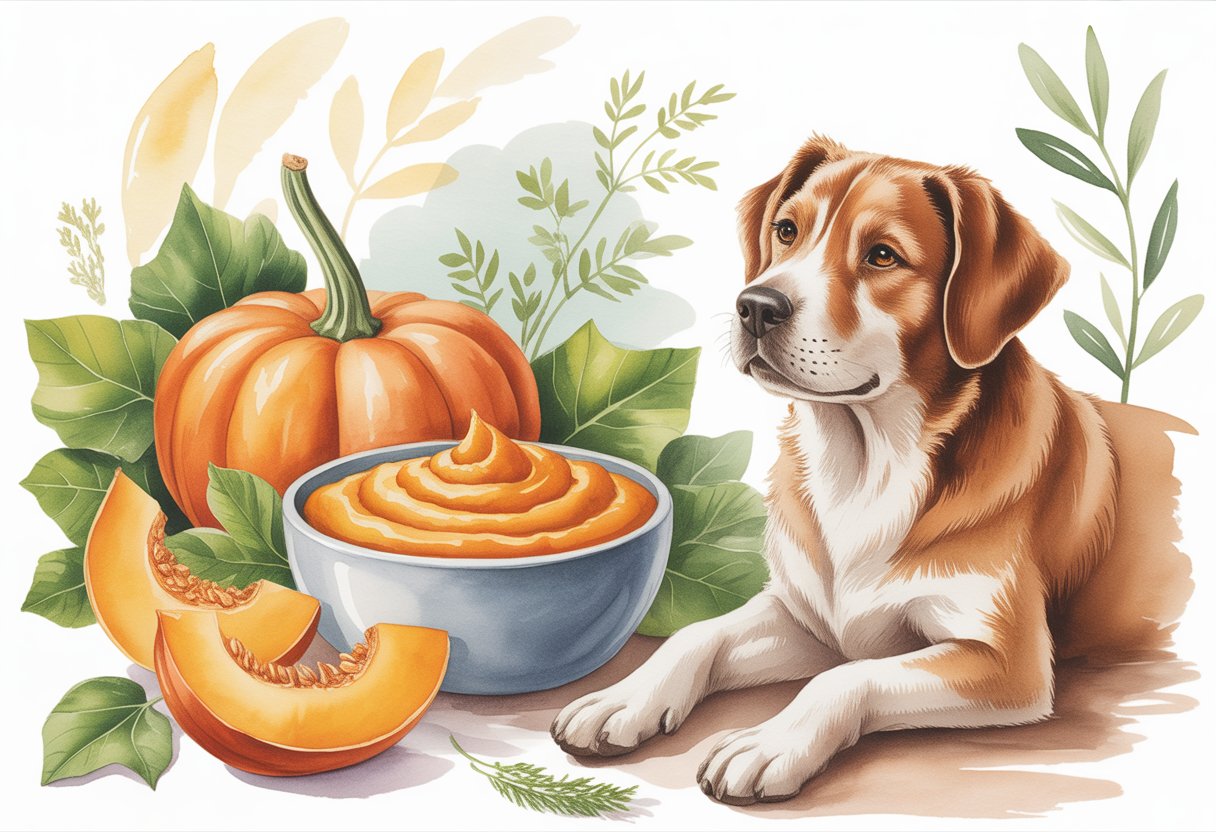
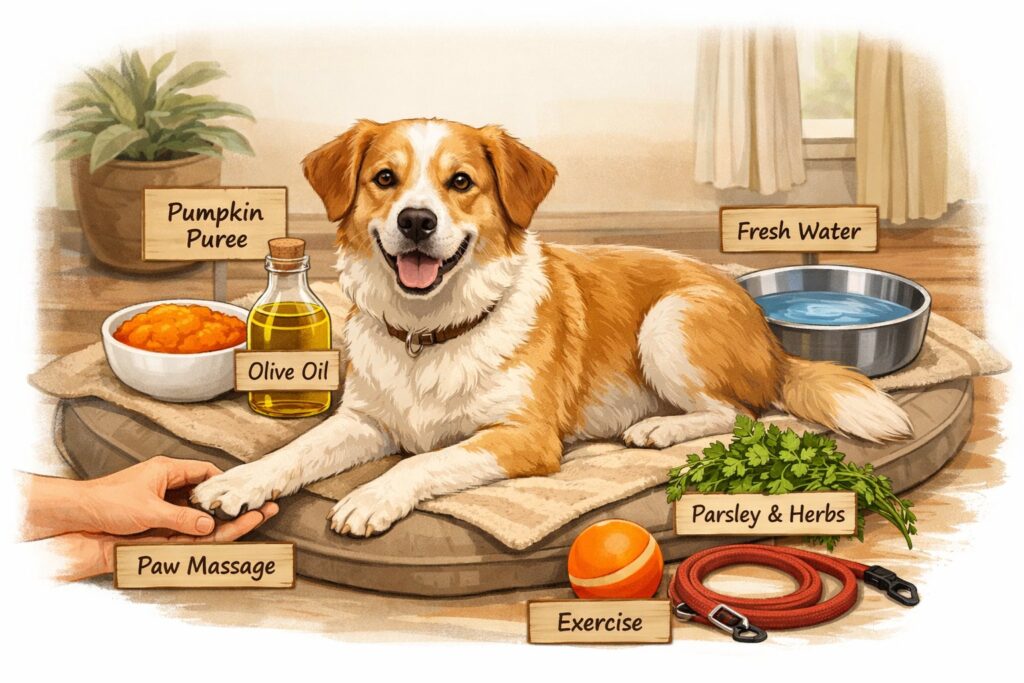
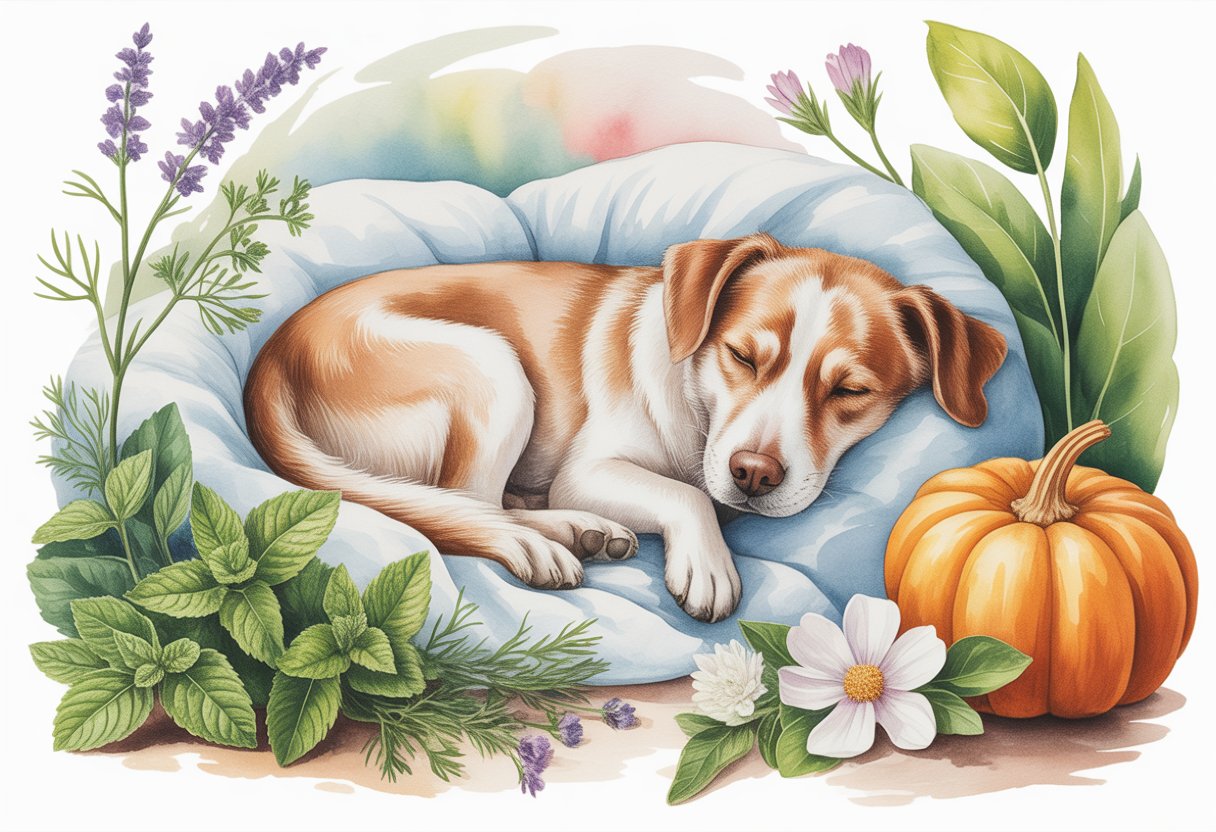
Plain canned pumpkin puree can help if your dog’s constipated. It’s loaded with soluble and insoluble fiber, which firms up stool and encourages regular bowel movements.
Start small—about a teaspoon to a tablespoon for little dogs, and 1–4 tablespoons for bigger dogs, mixed into food. Give it 24–48 hours to see if things improve.
Only use 100% pumpkin puree, never pumpkin pie filling (that stuff’s full of sugar and spices). Make sure your pup gets plenty of water along with the fiber.
If your dog has ongoing constipation, other health problems, or takes meds, check with your vet before making pumpkin a habit.
Olive oil as a natural lubricant for the digestive tract
A little olive oil can help soften your dog’s stool. The oil coats the intestines and sometimes makes going easier—no harsh meds needed.
Be careful with the amount; too much can cause diarrhea or upset stomach. Try a quarter teaspoon for small dogs, up to a teaspoon for big ones, just once a day.
Keep an eye out after the first dose for any vomiting or loose stools. If your dog’s symptoms get worse or last more than two days, stop and call your vet.
Skip olive oil if your dog has pancreatitis, fat-sensitive issues, or eats a vet-prescribed low-fat diet. Always check with your vet before starting, especially with puppies, seniors, or dogs with medical conditions.
Probiotics to promote healthy gut bacteria
Probiotics add good bacteria to your dog’s gut. They can help restore balance after stress, antibiotics, or a sudden food switch.
You’ll find probiotics as chews, powders, or mixed into certain foods. Pick a dog-specific product and follow the label for the right dose.
These friendly microbes may help with constipation by improving digestion and regularity. Water and a fiber-rich diet make them work better.
Some dogs get a little gassy or have softer stools at first. If things don’t settle or get worse, reach out to your vet.
Psyllium husks for gentle fiber supplementation
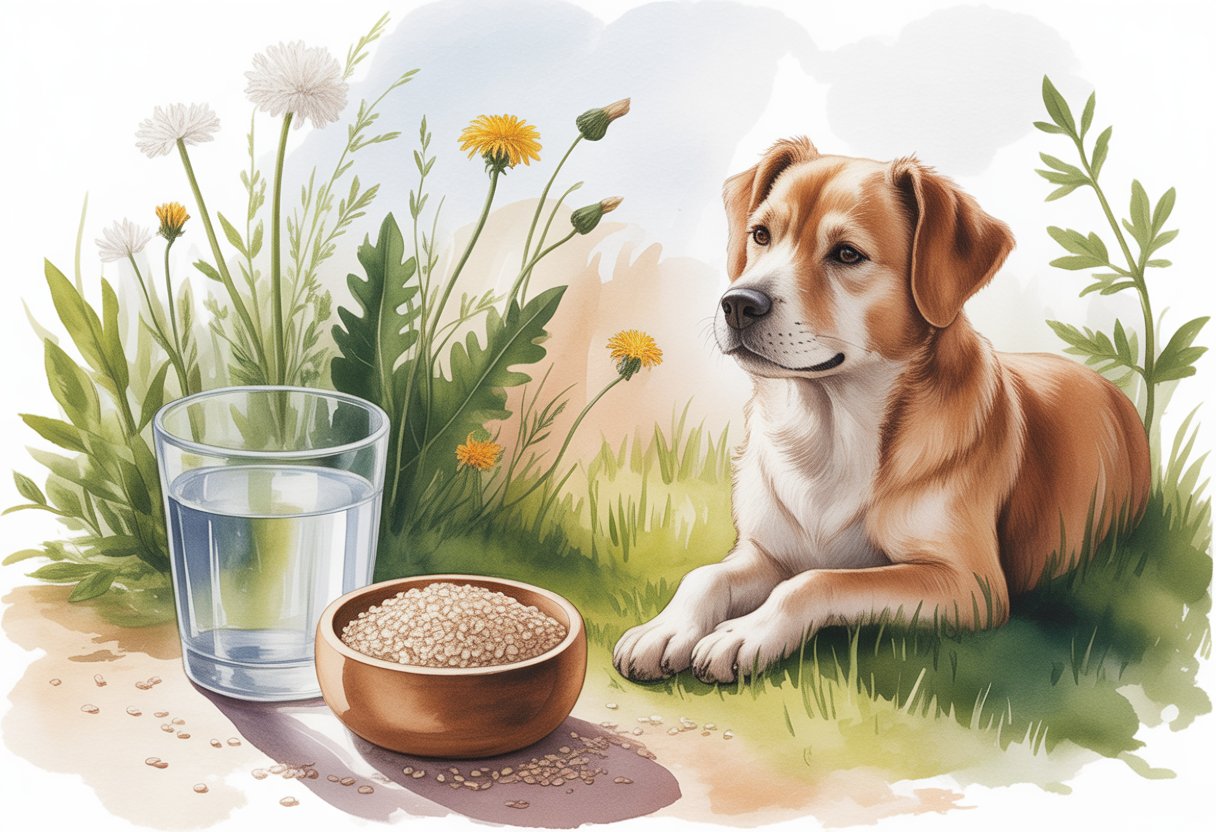
Psyllium husks provide soluble fiber. They soak up water and form a soft bulk in your dog’s gut, which can help with both constipation and mild diarrhea.
Mix a small amount of psyllium powder into food or water. Start low, based on your dog’s weight, and increase slowly while watching for changes in their stool.
Always offer plenty of fresh water when using psyllium. Without enough water, it can thicken and make things worse.
Check with your vet before starting, especially if your dog has other health problems or takes meds. They’ll help you find the right dose and check for underlying issues.
Warm belly compress to stimulate bowel movement
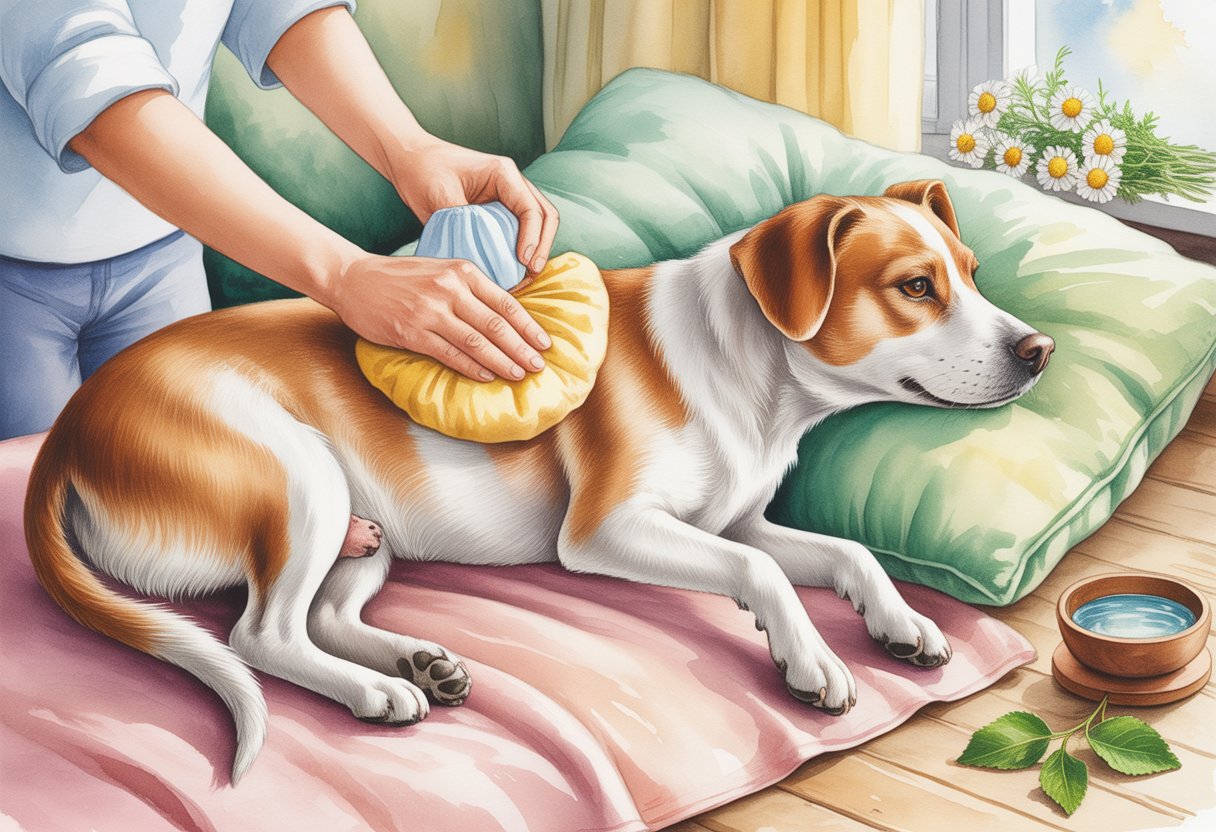
Try placing a warm, damp towel on your dog’s belly for 5–10 minutes. The heat can help relax abdominal muscles and increase blood flow, which might encourage a bowel movement.
Keep your dog calm and lying on their side or back if they’re okay with that. Gently stroke their belly in a clockwise motion while the towel’s on, following the intestines’ path.
Use water that’s warm—not hot—to avoid burns. If your dog’s sensitive, wrap the towel in a thin cloth. Check the skin often and stop if there’s any sign of pain or overheating.
Try this a few times a day, along with more fluids, fiber, and some gentle exercise. If constipation lasts over two days, or your dog vomits, seems lethargic, or looks uncomfortable, call your vet.
Increased water intake to prevent dehydration
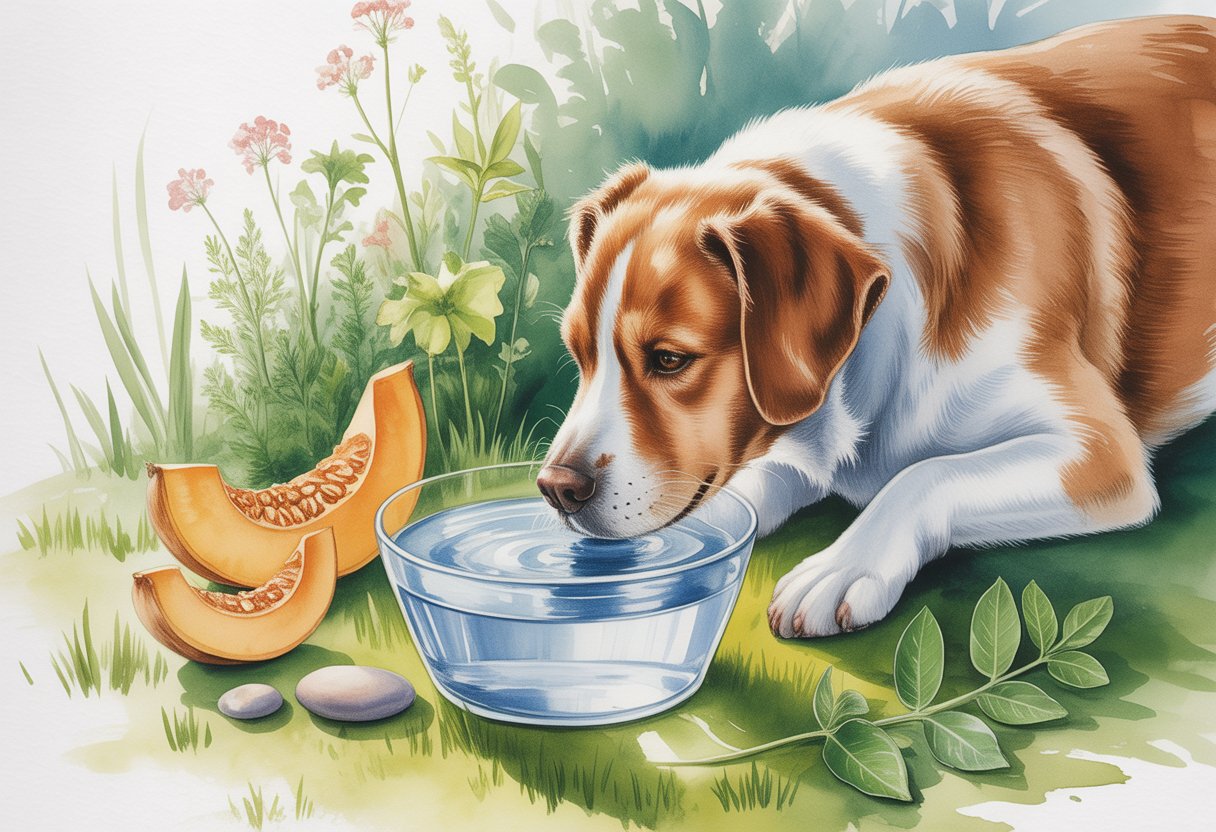
Keep fresh water out at all times so your dog can drink when thirsty. More water helps soften stool and keeps things moving.
You can add a splash of low-sodium chicken or beef broth to the water to make it tastier. Mixing a little water into wet food boosts fluids, too.
Offer water after walks and during hot days, when dogs lose more fluids. Bring a collapsible bowl for walks or trips and encourage your dog to sip along the way.
If your dog won’t drink or shows signs of dehydration—dry gums, sunken eyes, or lethargy—get to a vet right away. Sometimes, just a bit more water helps, but don’t wait if things look serious.
Understanding Dog Constipation
Constipation in dogs means they strain, pass small hard stools, or just don’t poop for over a day. Spotting the causes and signs early lets you try safe home fixes or call your vet before things get worse.
Common Causes
Diet tops the list. Too little fiber, too many bones, or fatty scraps can harden stool. Sudden food changes can also mess with digestion.
Dehydration dries out stool. Dogs who drink less—after exercise, illness, or hot weather—can end up with hard, dry poop.
Too little exercise slows things down. Older or mostly indoor dogs that don’t move much get constipated more often.
Medical issues sometimes cause constipation. Think anal gland problems, blockages from swallowed stuff, spinal injuries, or certain meds (like some painkillers or dewormers).
Age and breed play a role, too. Senior dogs and those prone to obesity can have slower guts. If constipation keeps coming back or comes with other symptoms, talk to your vet.
Symptoms to Watch For
Look for straining during bathroom breaks and only passing small, dry, pebble-like stools. Some dogs sit outside longer or make lots of attempts with no luck.
Watch for signs of discomfort—pacing, lip licking, whining, or a hunched back. If your dog loses their appetite, vomits, or seems really tired, the problem might be serious.
Check the rear for swelling, redness, or bleeding. These could mean impaction or infection.
Missed more than one normal poop or straining for over a day? That’s a reason to call your vet. Keep a quick note of changes to share at the clinic.
When to See a Veterinarian
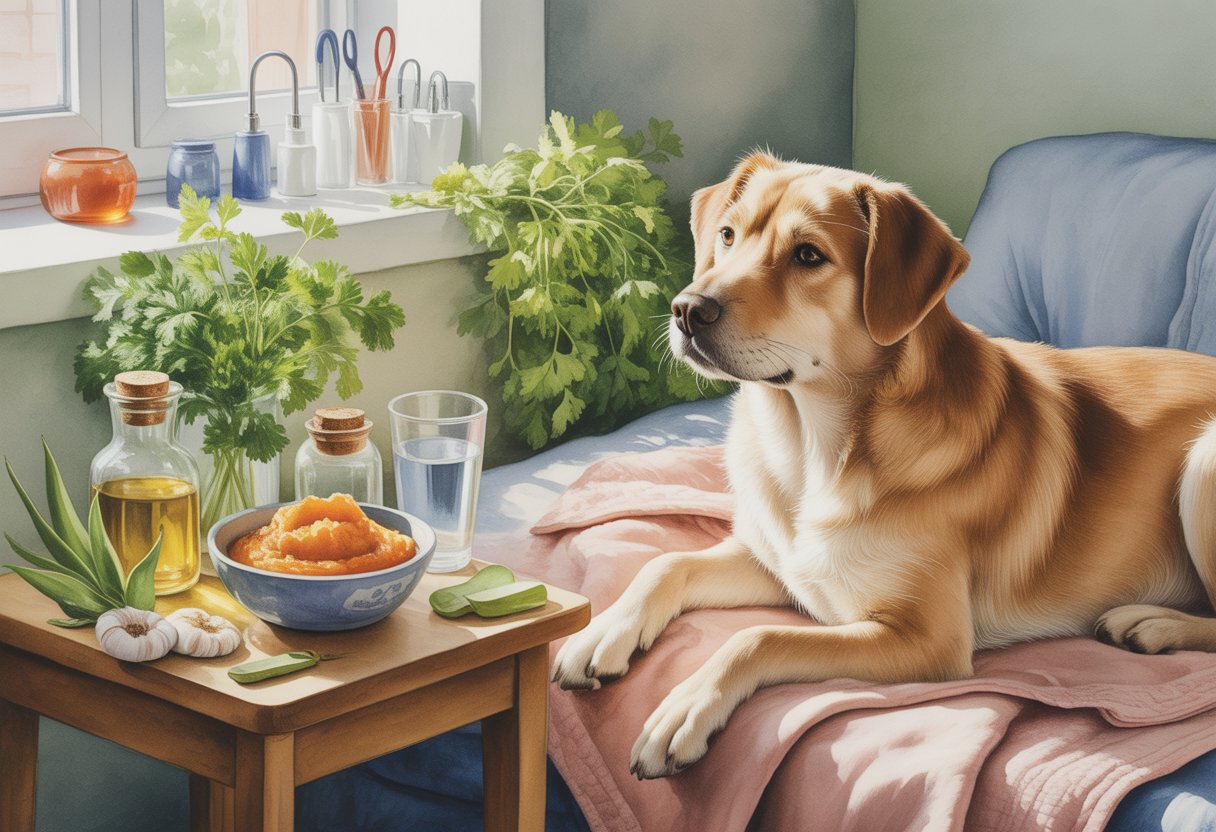
Move fast if your dog has severe symptoms, sudden changes, or obvious pain. Be ready to tell your vet exactly when things started, what you’ve tried, and anything your dog ate or chewed.
Warning Signs of Serious Issues
Repeated vomiting, a hard swollen belly, or refusing food for more than a day? Those could mean a blockage, twisted intestine, or severe dehydration—don’t wait.
Straining with little or no stool, or bloody stool, is a red flag. Lethargy, collapse, or new pain (whining, pacing, guarding the belly) also mean you should call the vet now. Puppies, seniors, and short-nosed breeds can go downhill quickly.
If you see fever, rapid breathing, or pale gums, head to the emergency clinic. Sometimes, they’ll need X-rays, fluids, or even surgery. Don’t wait if your dog looks really unwell.
Preparing for Your Vet Visit
Jot down a timeline—when did the constipation start? How often is your dog going, and what do the stools look like? Mention any home remedies you’ve tried.
Think about recent diet changes, new treats, or if your pup got into something odd like trash, bones, or toys.
If you can, bring a stool sample. Snap a few photos or a quick video of your dog’s behavior or how their belly looks.
Write down your dog’s weight, breed, and age. Don’t forget any chronic health issues or meds they’re on.
Ask the vet which tests they recommend. Should you skip food or water before coming in? Double-check costs and find out if you need an emergency clinic after hours.