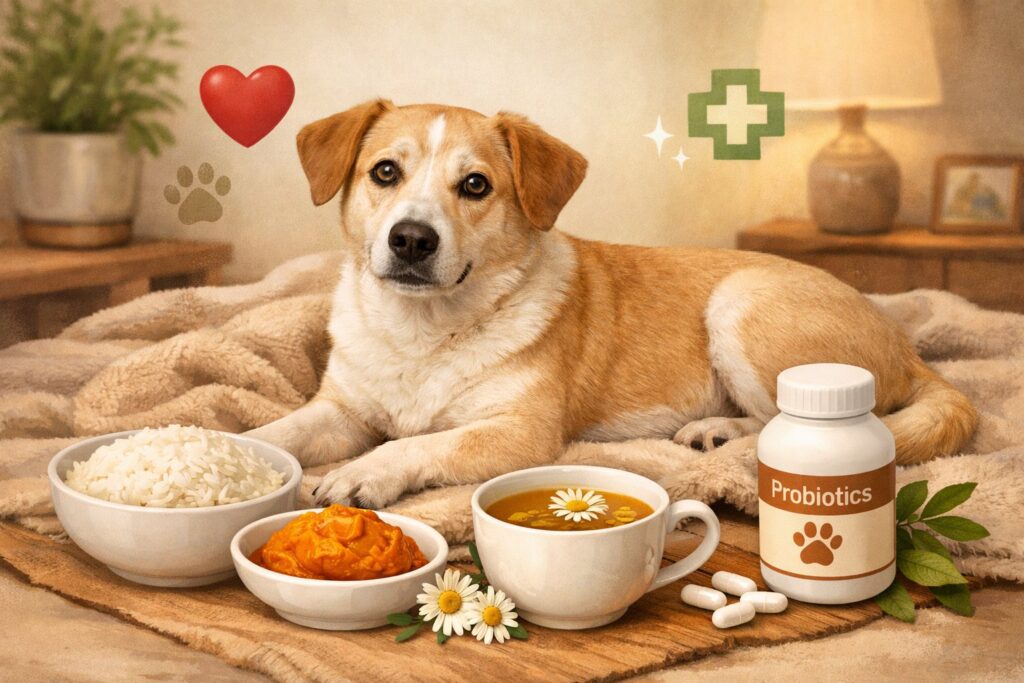
You want quick, safe ways to help your dog feel better when diarrhea hits—without accidentally making things worse. Here are seven practical home remedies you can actually try, plus a heads-up for when you really should call your vet.
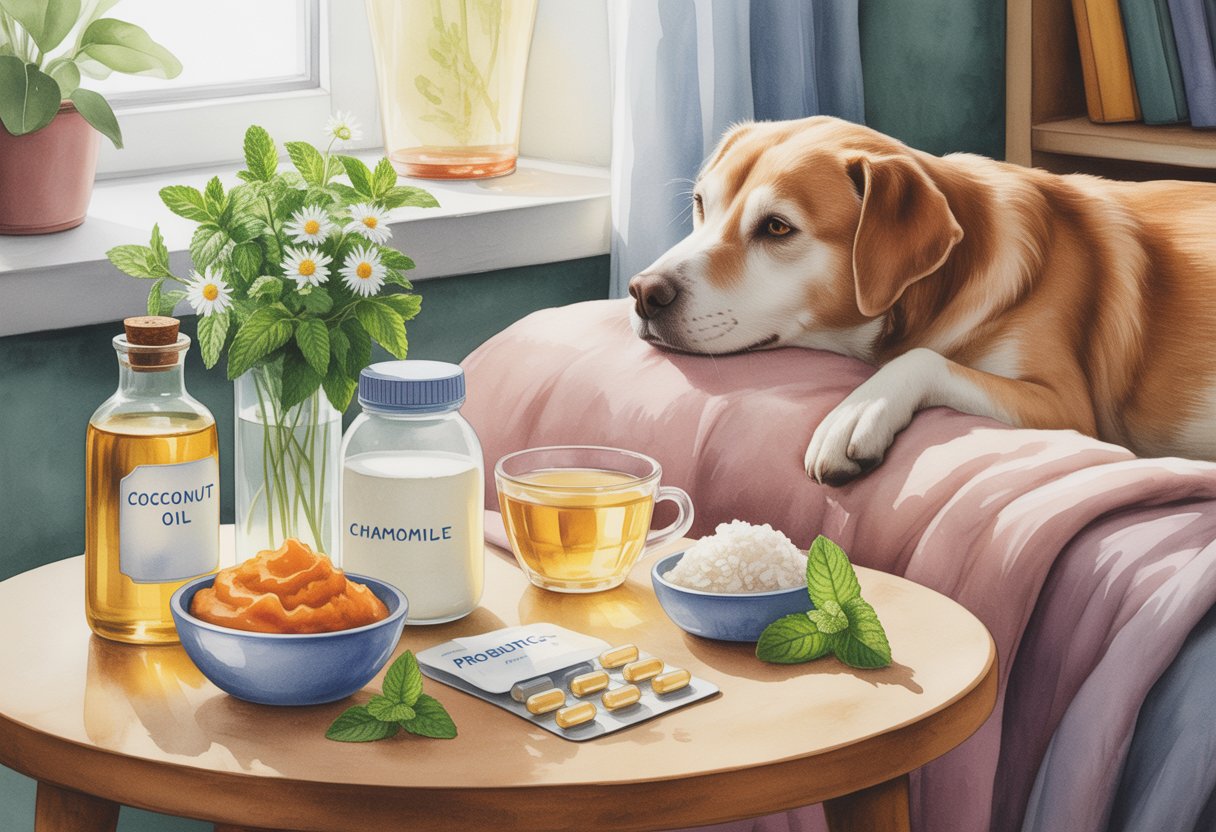
You’ll find tips to calm your dog’s stomach, keep them hydrated, and support healthy gut bacteria, all while steering clear of stuff that might make diarrhea worse. Each tip is pretty straightforward so you can act fast and protect your pet’s health.
Fasting your dog for 12-24 hours to rest the digestive system
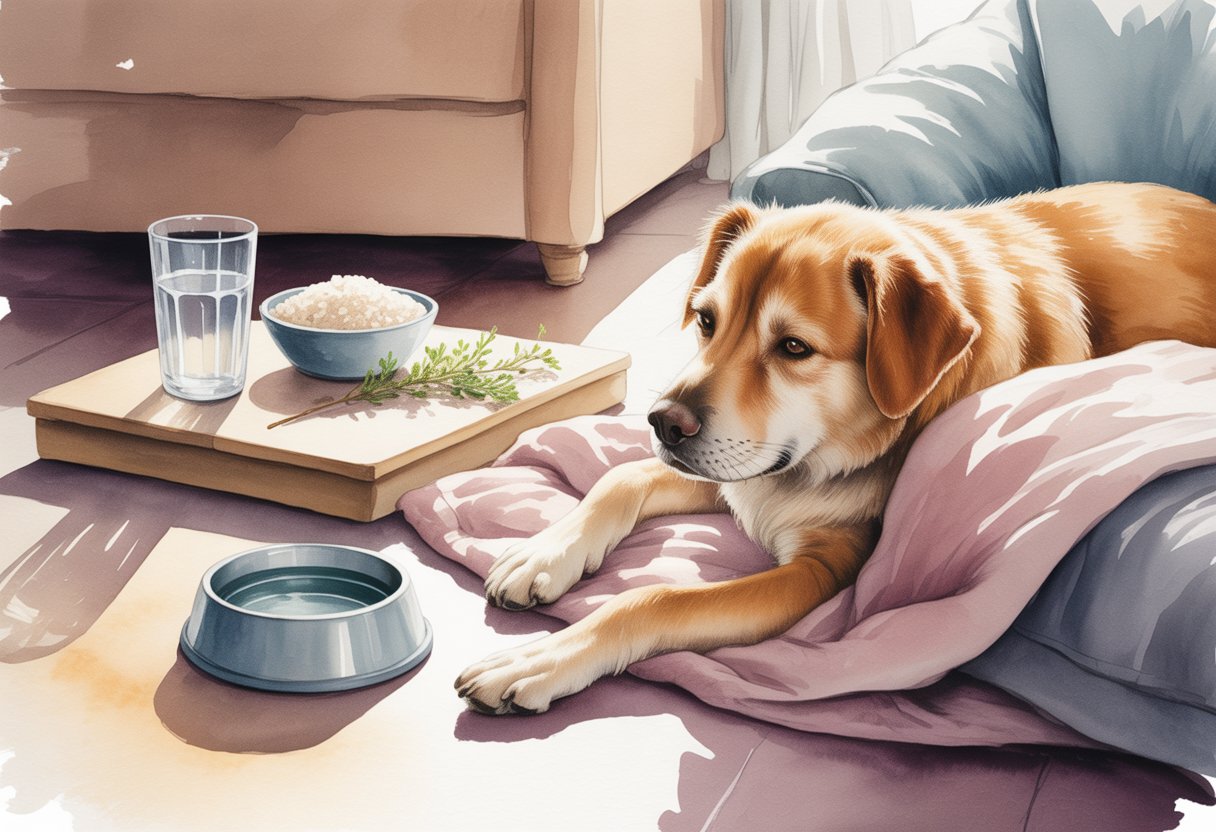
If your dog has mild diarrhea, try skipping food for 12–24 hours to let their gut chill out. Always offer fresh water so your dog doesn’t get dehydrated, and check the bowl often.
A short fast can help clear out irritants and slow things down in the gut. Keep things calm—no treats or table scraps sneaked under the table.
Once the fast is over, bring in a bland diet in small, frequent meals. Plain boiled chicken and white rice work well, or go with a vet-approved alternative.
Watch for improvement over 24–48 hours. If diarrhea keeps going for more than 24–48 hours, or your dog gets weak, vomits a lot, shows blood in the stool, or won’t drink, call your vet.
Puppies, seniors, and dogs with health issues shouldn’t fast—get the vet involved right away for them.
Providing plenty of fresh water to prevent dehydration
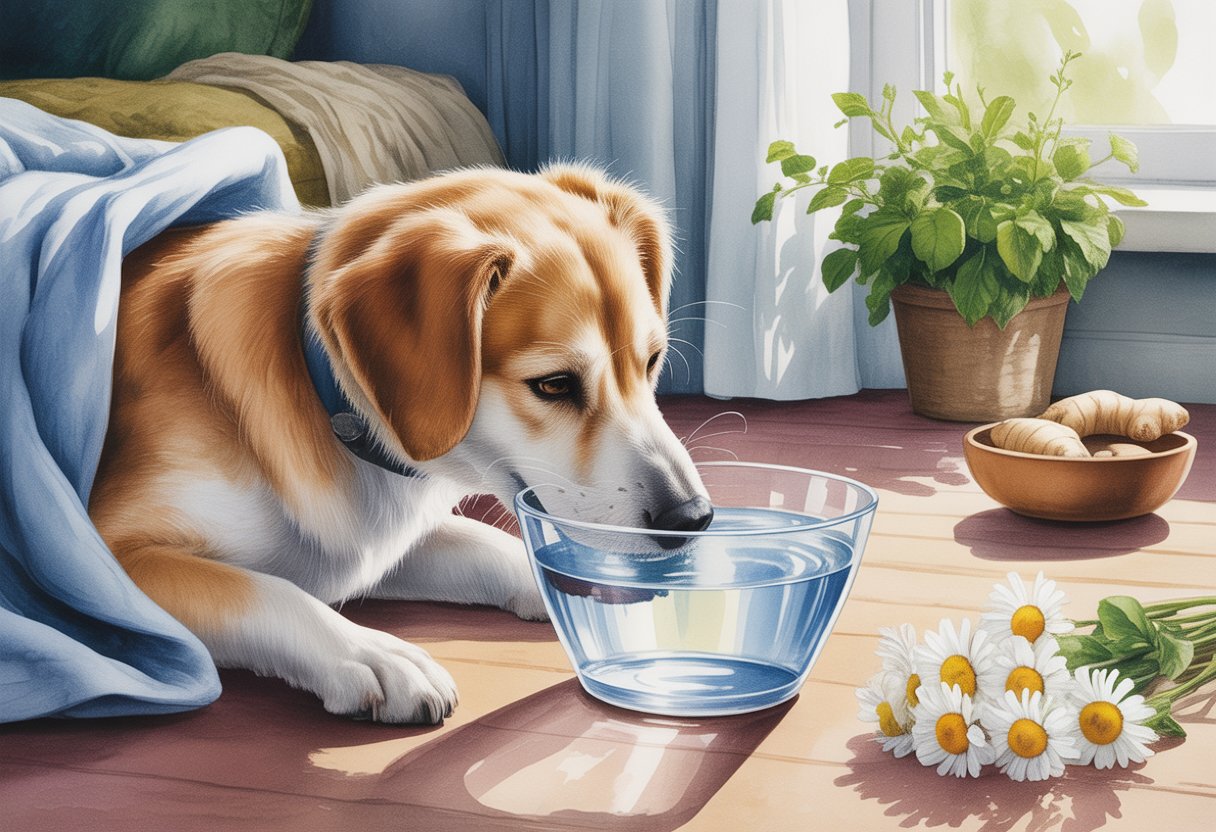
Keep fresh water available at all times. Diarrhea can dehydrate dogs quickly, so encourage your pup to sip water often.
Swap out the water regularly and give the bowl a good wash daily. Clean water just tastes better, and it’s less likely to harbor bacteria that could make things worse.
If your dog ignores the bowl, try offering water more often in small amounts. Sometimes an ice cube, a shallow dish, or even a syringe (no needle, obviously) does the trick.
You can add a pet-safe electrolyte solution or a little diluted, low-sodium chicken broth for mild dehydration. Skip the human sports drinks and anything with sugar or fake sweeteners.
Watch for dry gums, tiredness, sunken eyes, or less pee—these mean dehydration is setting in. If you spot these or diarrhea drags on, get your vet on the phone.
Feeding a bland diet of boiled chicken and white rice
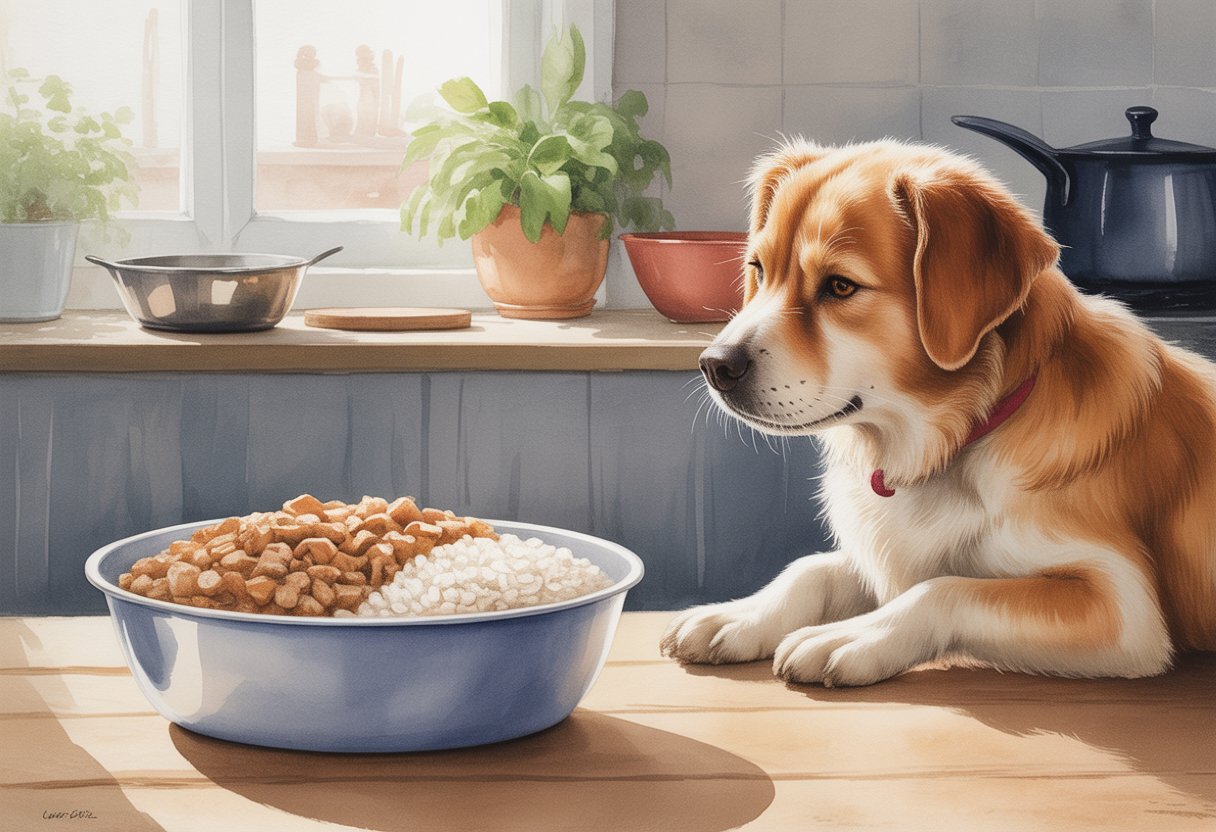
If your dog’s not throwing up, you can try a bland diet for a day or two. Boiled, skinless, boneless chicken breast with plain white rice is gentle on the stomach.
Go for about 75% cooked rice and 25% shredded boiled chicken. Offer small meals every 4–6 hours instead of one big heap.
Don’t add salt, butter, oil, or spices—just keep it plain. Warm it up a bit if your dog likes, but avoid microwaving in plastic or adding broths with onion or garlic.
Keep an eye on hydration and stool. If things don’t improve in 24–48 hours, or your dog is a puppy, senior, or seems really off, call your vet.
Adding plain canned pumpkin to soothe the digestive tract
Plain canned pumpkin can help firm up loose stool thanks to its soluble fiber. Make sure it’s 100% pumpkin—no pie filling, sugar, or spices.
Start with about 1 teaspoon per 10 pounds of body weight, once or twice a day. Watch for changes over 24–48 hours and tweak the amount if you need to.
Mix the pumpkin into your dog’s regular food. If your dog refuses food, vomits, has blood in the stool, or seems really sick, stop home remedies and call your vet.
Pumpkin’s good for quick support, but it doesn’t fix infections or parasites. Use it while you watch symptoms and reach out to your vet if things get worse or just don’t improve.
Using probiotic supplements to restore healthy gut bacteria
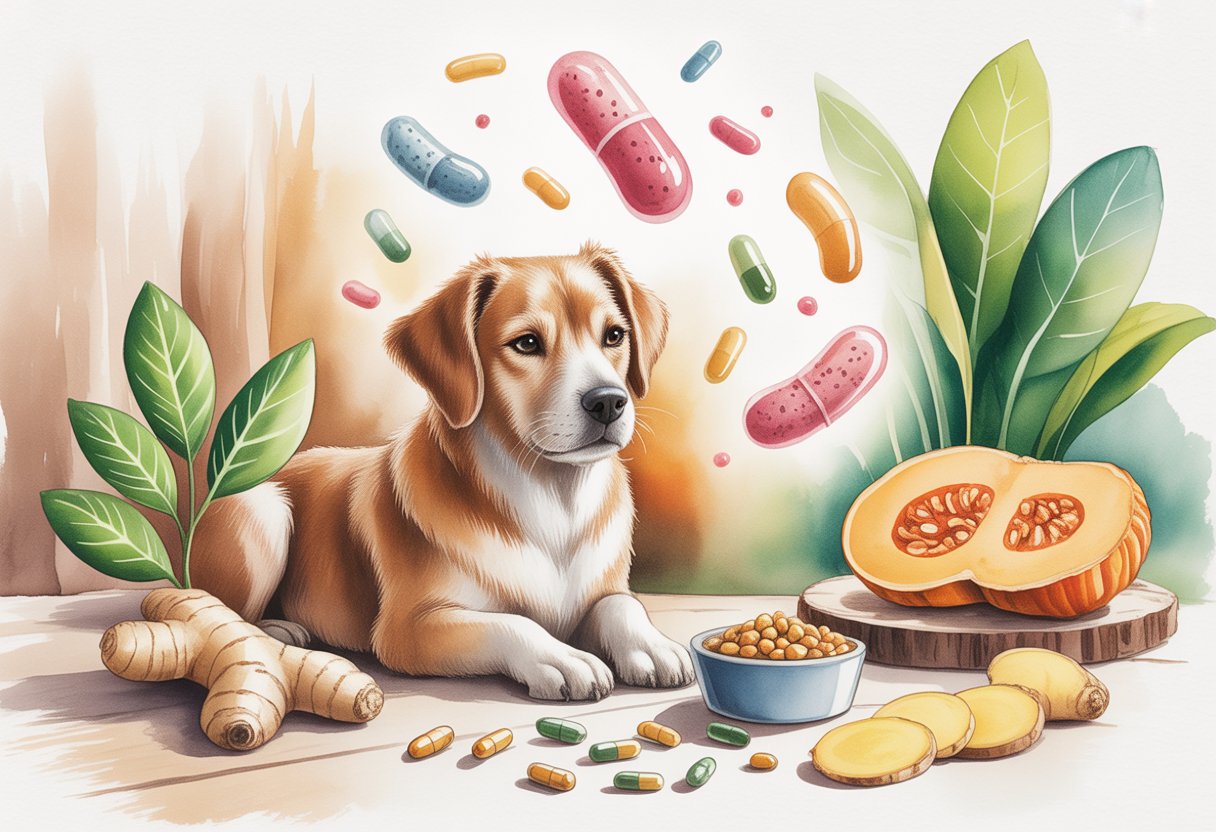
Probiotic supplements can help restore your dog’s gut bacteria after a bout of diarrhea. Pick products made for dogs with strains like Lactobacillus and Bifidobacterium—multi-strain is usually better.
Give the probiotic as the label or your vet suggests. Start low and watch for any changes in stool, appetite, or energy.
Probiotics might help your dog bounce back faster, but they’re not a replacement for the vet. If diarrhea sticks around, contains blood, or your dog seems super weak, call your vet.
Store probiotics how the package says to keep them working. If your dog’s on antibiotics, ask your vet about the timing so the supplement still helps.
Offering small, frequent meals instead of large portions
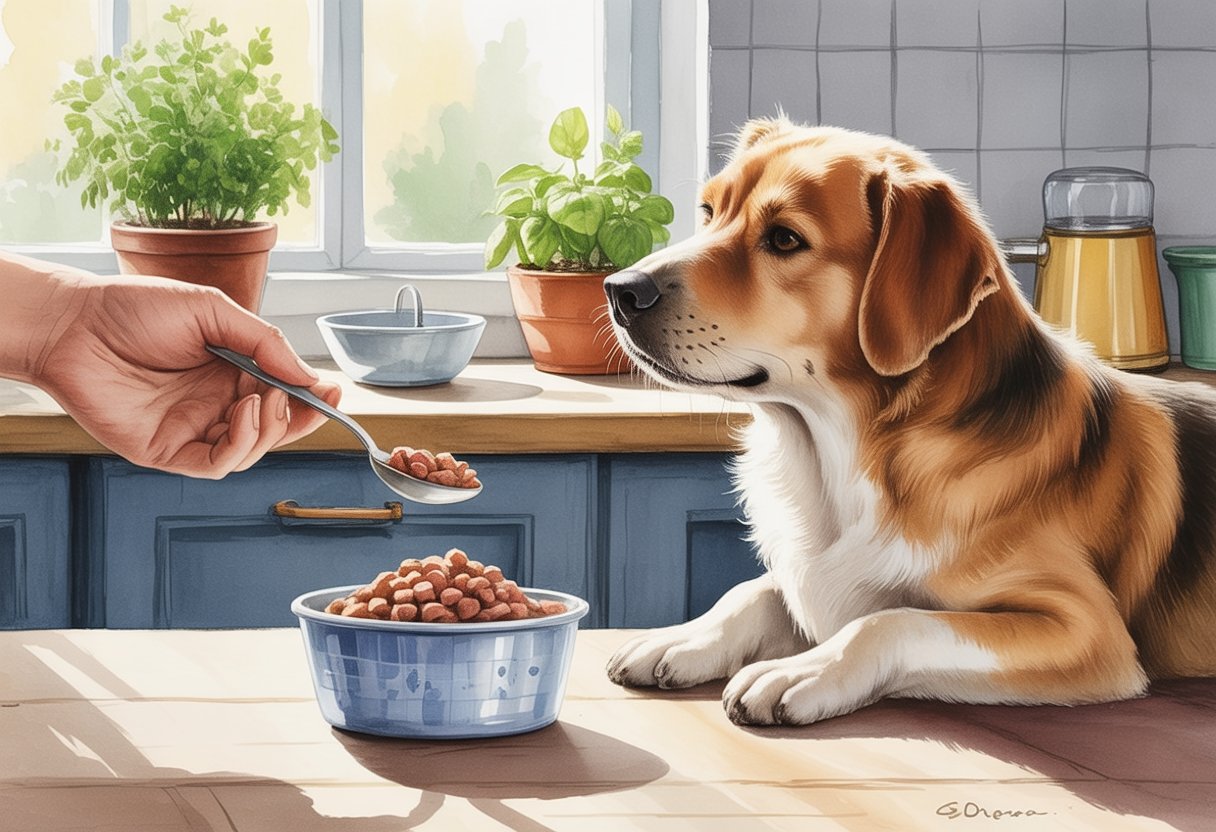
When your dog’s got diarrhea, offer smaller amounts of food more often. Big meals can overload the gut and make things worse.
Stick with bland, easy-to-digest foods and split the day’s food into a bunch of tiny meals. This helps digestion and lets you see how your dog handles each serving.
Feed every few hours, not just once or twice a day. If your dog keeps food down and stools improve, slowly bump up portion size and get back to normal feeding over a few days.
Keep an eye on your dog’s energy, thirst, and poop after each meal. If things go south—blood, sudden weakness, or signs of dehydration—don’t wait. Call your vet.
Avoiding fatty or spicy foods that can irritate the gut
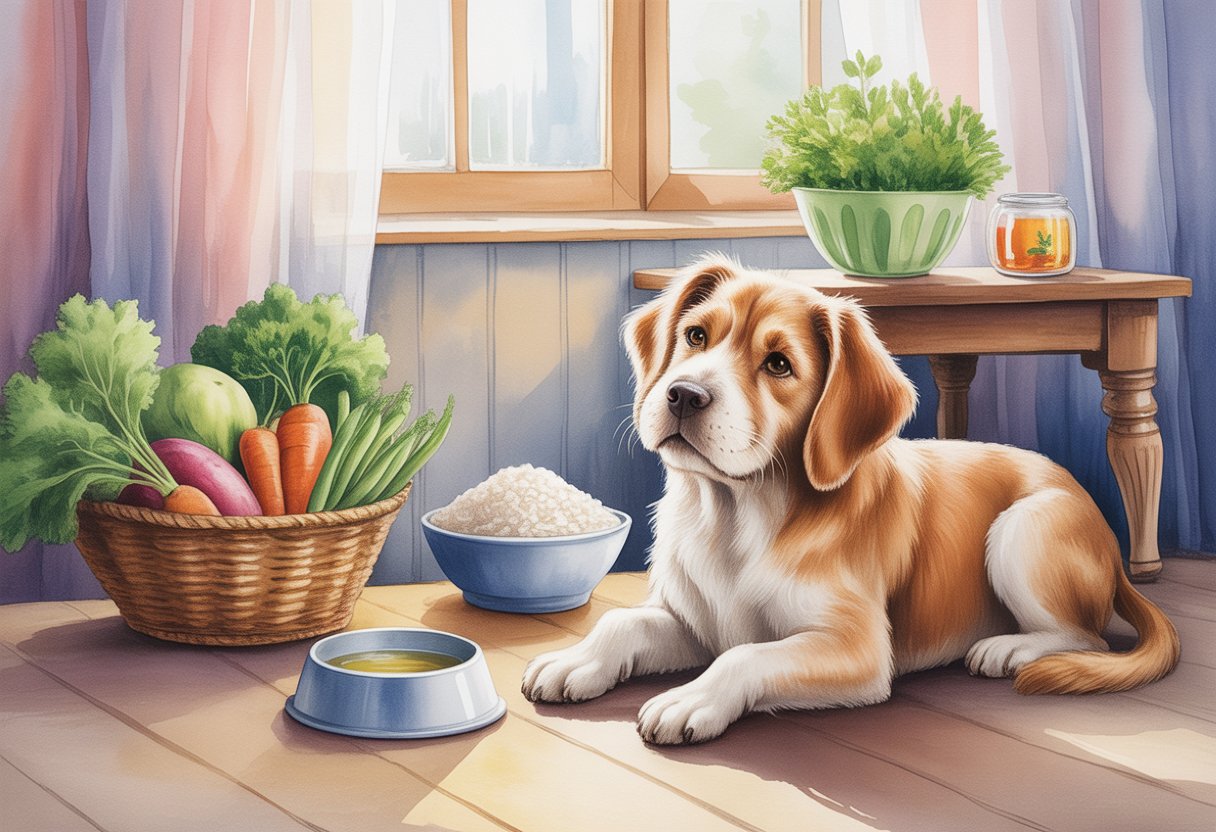
Skip fatty human foods like fried stuff, bacon, or rich sauces. These slow digestion and can make diarrhea worse for dogs.
Spicy foods aren’t any better—they upset the stomach and can inflame the gut. Even a tiny bit of chili, curry, or hot sauce can lead to pain and more loose stools.
Stick to bland, low-fat meals while your dog recovers. Plain boiled chicken and rice or a vet-approved prescription diet are your best bets.
Check treat and canned food labels. Some snacks sneak in spices, extra fat, or things like garlic and onion that can mess with digestion.
If your dog snagged something fatty or spicy and things get worse, call your vet for advice.
When to Consult a Veterinarian
If your dog has blood in the stool, keeps vomiting, runs a fever, or gets super lethargic, get help fast. If diarrhea lasts more than 24–48 hours, or your dog is a puppy, senior, or has other health issues, call your vet.
Warning Signs Not to Ignore
Watch for blood or black, tarry stool—these can mean gut bleeding and need a vet, pronto.
If your dog keeps vomiting or can’t hold down water, or seems really weak, these are big red flags for dehydration or worse.
If you can, check your dog’s temperature. Over 103°F (39.4°C) or too low? That’s a problem.
Changes like hiding, collapsing, or seizures mean you need immediate care.
Puppies, older dogs, or dogs with diabetes or immune issues can go downhill fast. If your dog ate something toxic or a weird object, or scarfed a bunch of fatty food, call your vet or an emergency clinic.
How to Prepare for a Vet Visit
Bring a fresh stool sample in a clean container or bag. The vet can run quick tests for parasites, blood, or bacteria.
Note when the diarrhea started, how often it happens, and any recent diet changes or weird exposures.
List out all meds, supplements, and foods your dog’s had lately—including any human food, bones, or trash. Jot down symptoms you’ve seen: vomiting, appetite changes, thirst, and odd behavior.
Be ready to share your dog’s weight, age, breed, and health history. If you can, snap a photo of the stool or a short video showing how your dog’s acting.
Ask about costs, what tests you might need, and if you should hold off on food or water before heading in.
Preventing Recurring Diarrhea in Dogs
Make small, steady changes to your dog’s food and home routine to keep diarrhea from coming back. Consistency in meals, safe treats, good hygiene, and quick vet care for warning signs really help.
Dietary Management Tips
Feed the same high-quality food at the same times every day to keep digestion regular. When you switch diets, take 7–10 days to mix in more of the new food slowly—no sudden changes.
Measure portions to avoid overeating. Use the bag’s feeding guide, but adjust for your dog’s activity and weight.
Ask your vet about adding a probiotic made for dogs, especially after antibiotics. Limit table scraps, fatty foods, and dairy. Try new treats one at a time, in small amounts, so you can spot what causes trouble.
Safe Home Environment Practices
Keep garbage, compost, and that houseplant your dog loves to chew out of reach. Snap lids on trash cans, and use gates or crates to block off spots where your dog sniffs out loose food.
Stash human food in cabinets or on high counters. No need to make it easy for curious pups.
When you’re outside, check your yard and walking routes for toxic plants, spilled chemicals, or dead animals. Scoop poop right away.
Wash food and water bowls daily with hot, soapy water. That’s the best way to cut down on germs.
If your dog eats something weird, don’t wait—call your vet or the pet poison hotline immediately.