
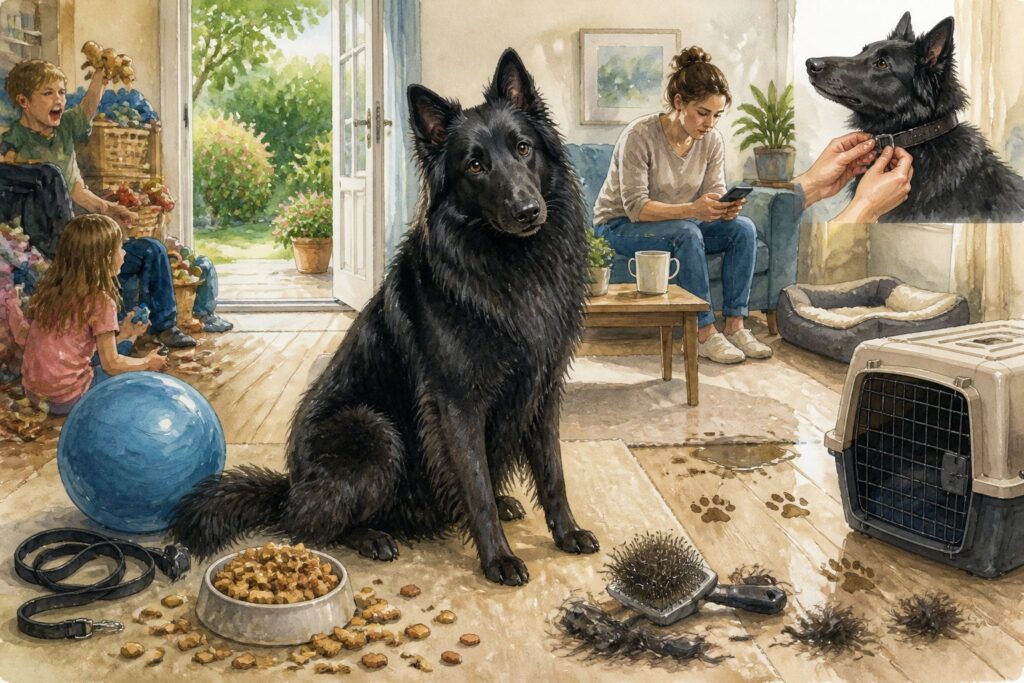
A Belgian Shepherd Groenendael is intelligent, energetic, sensitive, and bred to work closely with you. Those traits make the breed highly trainable, yet they also make careless handling show up quickly as barking, anxiety, pulling, reactivity, or destructive behavior.
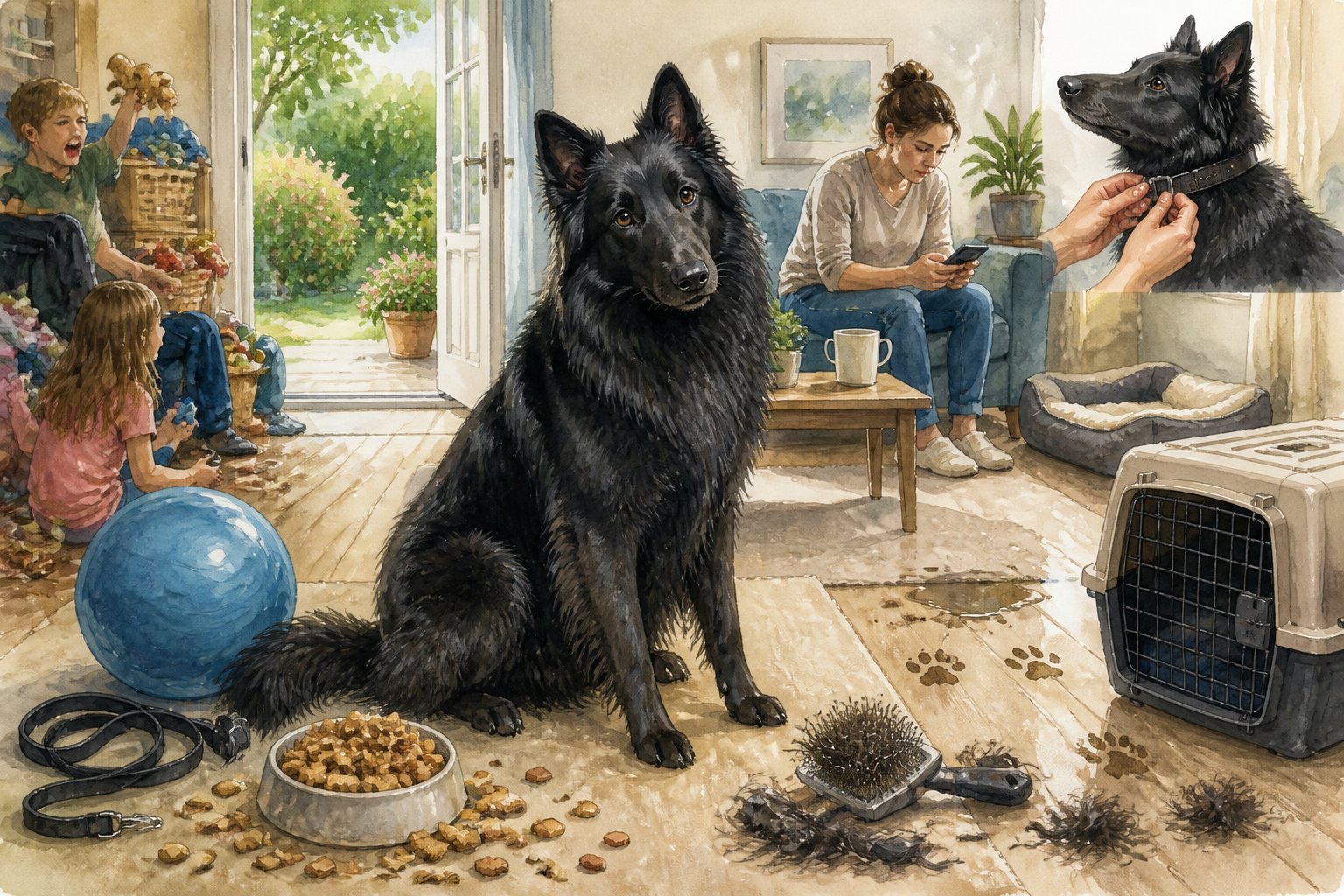
You need a realistic plan for exercise, grooming, visitors, and professional support.
1. Relying On “Dominance” Instead Of Reward-Based Training
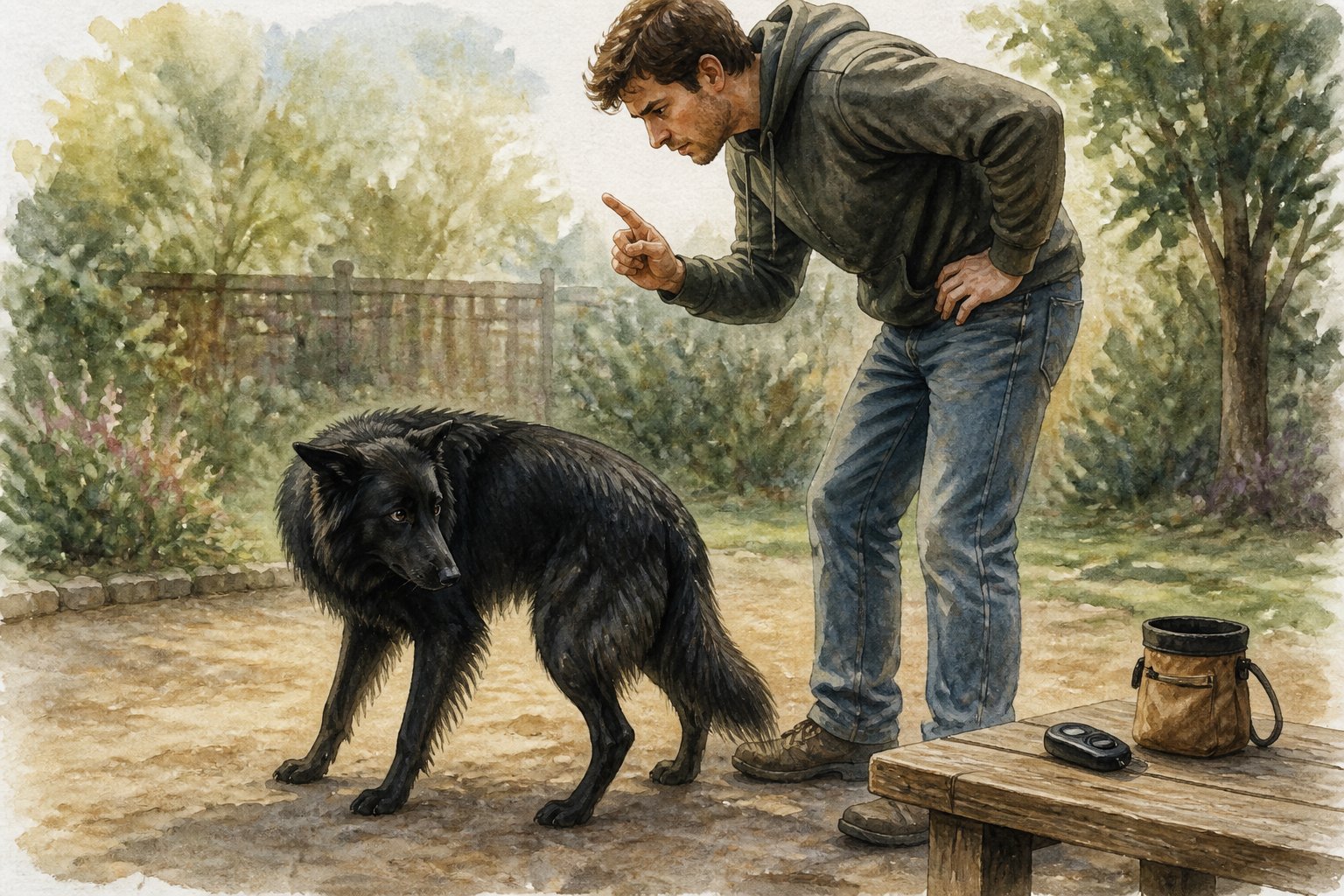
Trying to become your Groenendael’s “pack leader” through intimidation can create fear, resistance, or defensive behavior. This sensitive working dog learns best when you make the correct choice clear and rewarding.
Use short training sessions with treats, praise, toys, or access to something your dog wants. Teach practical cues such as come, stay, leave it, and settle, then reinforce them in different places.
Clear rules still matter, yet they should be fair, consistent, and easy for your dog to follow. If your dog ignores a cue, reduce distractions, improve the reward, or teach the skill in smaller steps.
Avoid forcing a behavior when your dog is confused or stressed. A calm training plan builds cooperation more reliably than confrontation.
2. Waiting Until Adolescence To Start Socialization
Socialization should begin during puppyhood, using safe and controlled experiences. Waiting until adolescence can leave your Groenendael unsure around strangers, dogs, traffic, household sounds, or unfamiliar places.
Introduce new sights, surfaces, people, friendly dogs, car rides, grooming tools, and handling at a pace your puppy can manage. Reward calm observation rather than pushing for direct interaction.
A brief visit that ends peacefully is more useful than an overwhelming outing. Watch for tucked posture, lip licking, freezing, hiding, or frantic barking.
Increase distance and give your dog time to recover. Socialization is not a requirement to greet everyone.
3. Trying To Tire Them Out With Walks Alone
Long walks can help, yet walking alone may not meet a Groenendael’s need to think, solve problems, and work with you. You may end up with a fitter dog that still demands attention at home.
Add sniffing time, obedience games, food puzzles, scent searches, trick training, and controlled play. Let your dog explore safe smells instead of turning every outing into a fast march.
Five focused minutes of training can be more tiring than several minutes of repetitive movement. Balance activity with rest.
Puppies and adolescent dogs need age-appropriate exercise, and too much forced running can stress developing joints. Teach a settle cue so your dog learns that relaxation is also part of the daily routine.
4. Skipping A Structured Job Such As Nose Work Or Agility
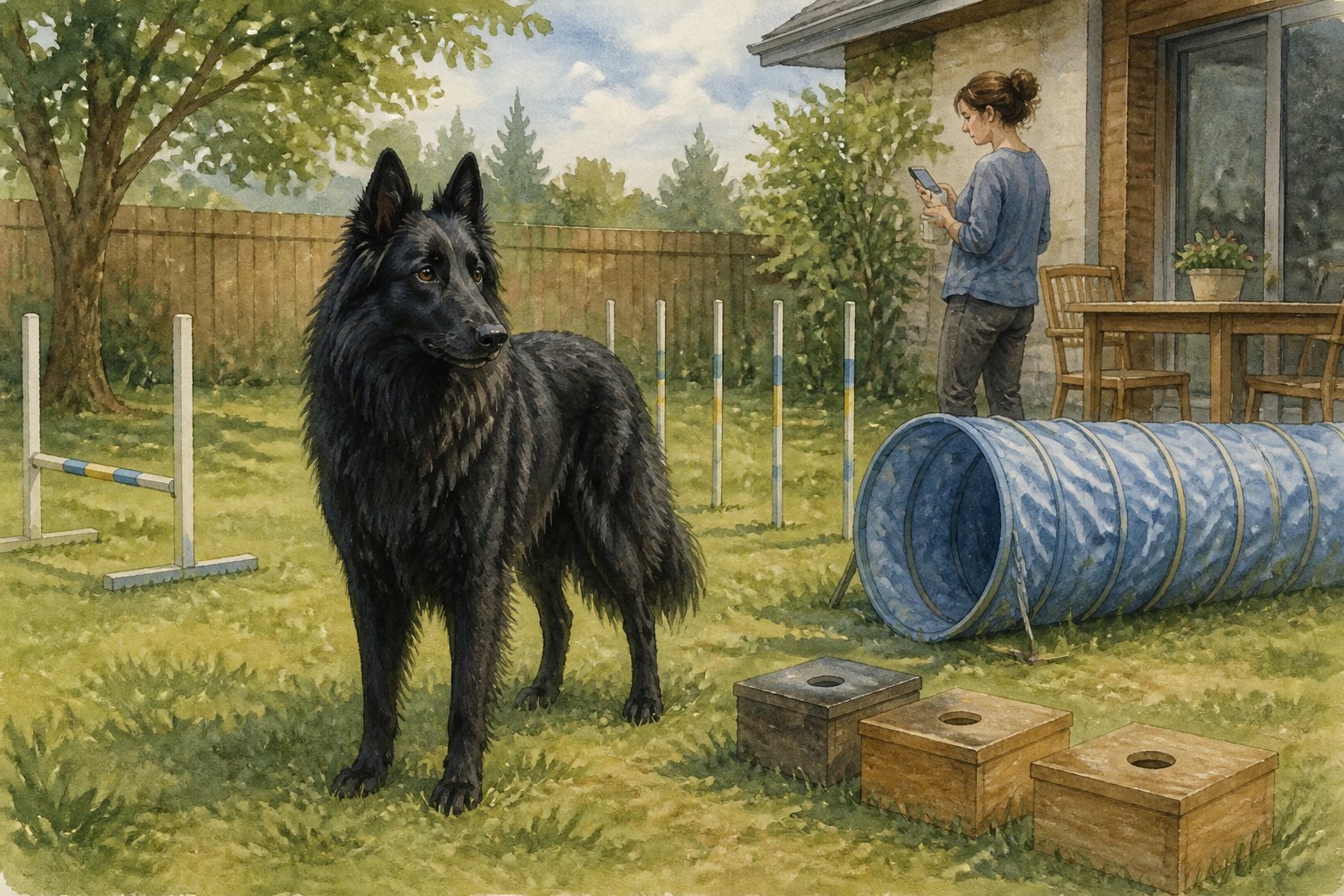
A Groenendael often thrives when you give its intelligence a clear outlet. Without a structured job, your dog may invent work through alert barking, shadowing, herding family members, chewing, or constant motion.
You do not need competitive goals or expensive equipment. Hide treats around a room, teach object searches, practice a simple trick routine, or create low jumps with professional guidance.
Rally obedience, tracking, nose work, agility, and canine sports can also provide useful structure. Keep sessions brief and successful.
Rotate activities so your dog stays interested, and include warm-ups, breaks, and calm recovery. The goal is to build focus, confidence, teamwork, and an appropriate way to use natural drive.
5. Using Harsh Corrections With A Sensitive Working Dog
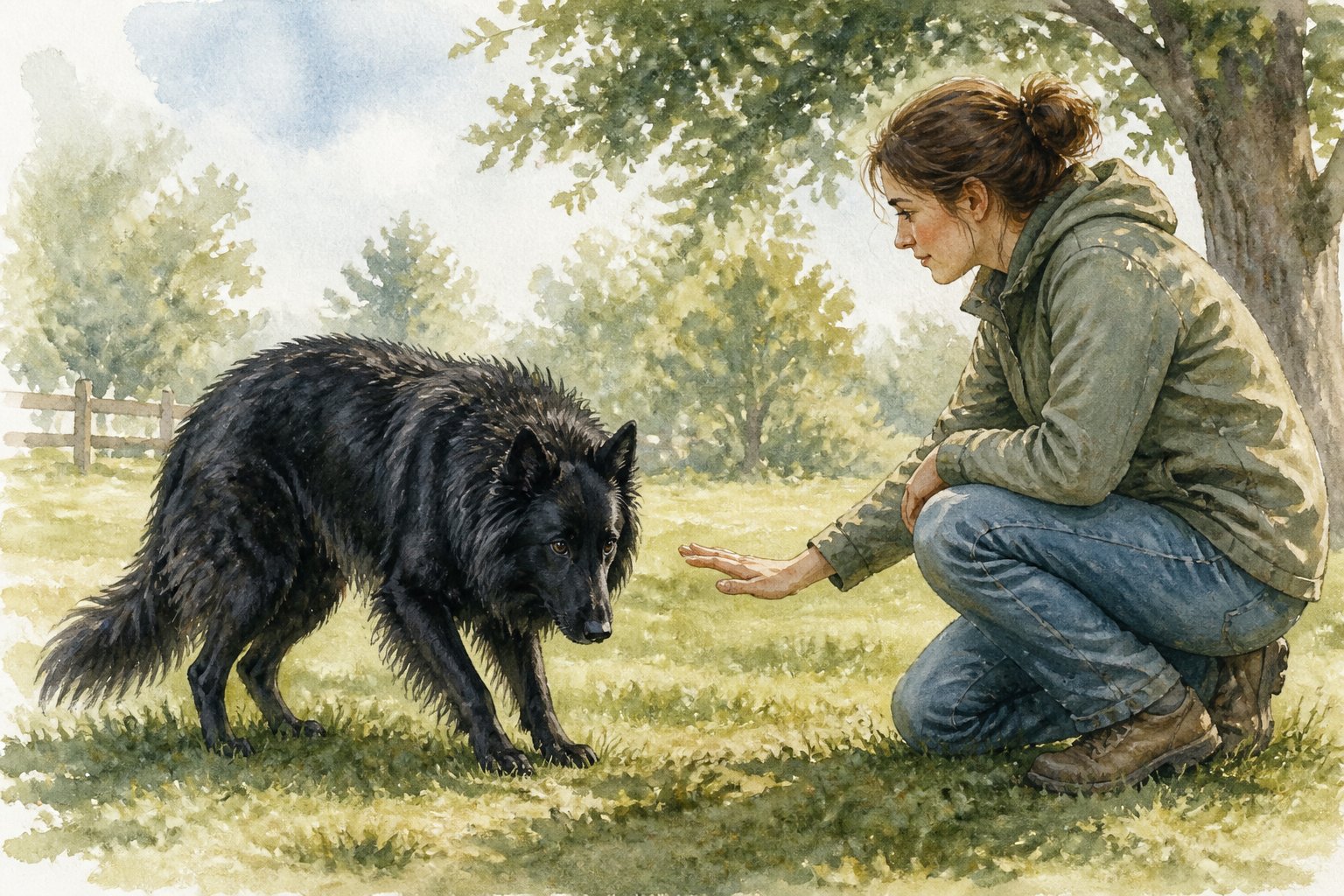
Leash jerks, yelling, intimidation, and physical punishment can damage trust and make behavior harder to read. A Groenendael may become shut down, avoidant, more reactive, or quicker to defend itself.
Use management first. Increase distance from triggers, prevent rehearsal of unwanted behavior, and reward the response you want.
If your dog barks at a stranger, for example, calmly move away and reinforce quiet attention rather than punishing the warning. Your timing matters.
Mark calm behavior immediately, then deliver a reward. If you feel frustrated, pause the session and reset.
A force-free trainer with working-dog experience can help you create a plan that protects safety while preserving your relationship.
6. Allowing Pulling And Reactivity To Become Leash Habits
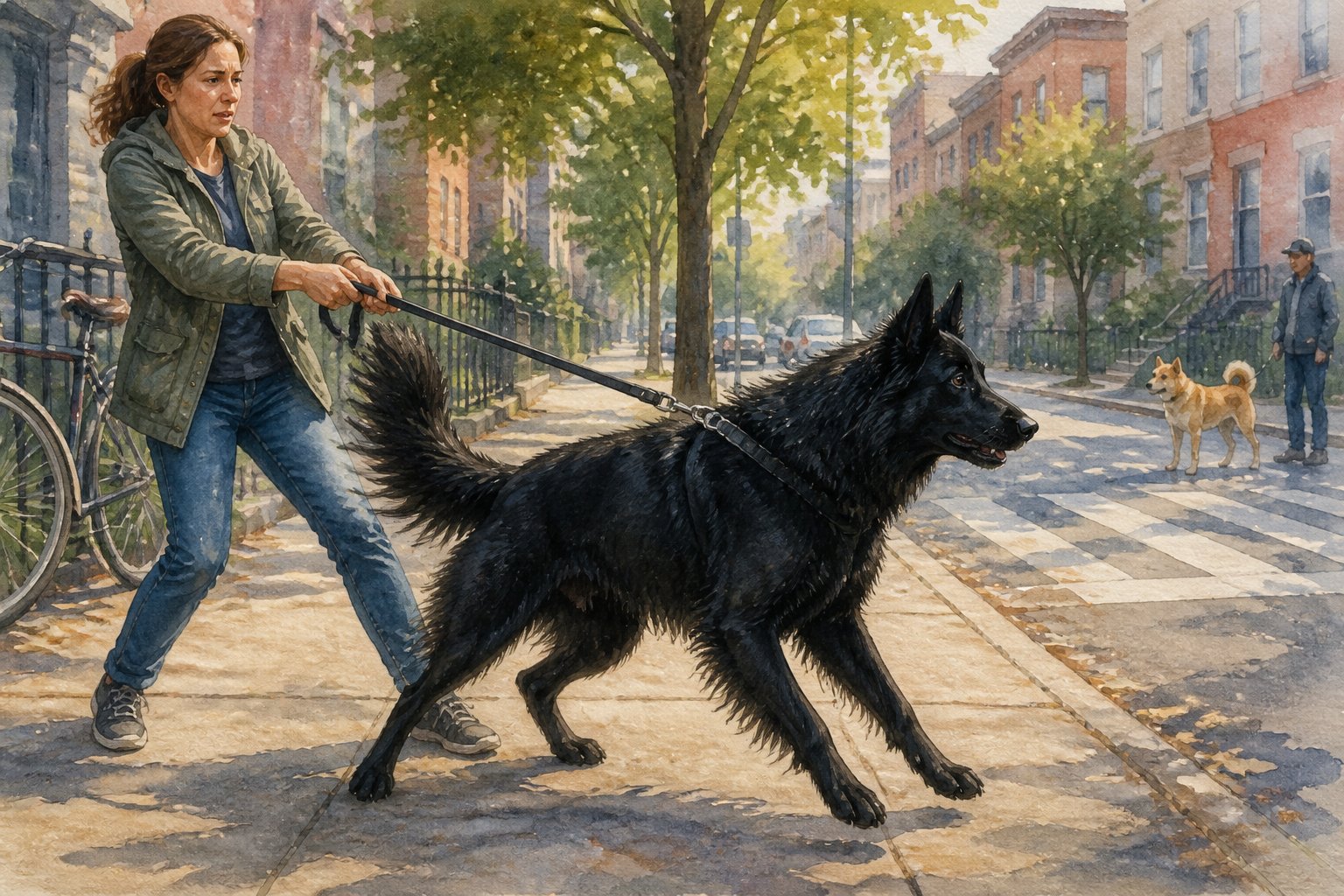
Every time your Groenendael reaches a dog, squirrel, or person while pulling, that behavior can become stronger. Reactivity may come from excitement, fear, frustration, or protective instincts, so you need to identify the trigger instead of treating every outburst the same way.
Start in a quiet area and reward your dog for checking in, walking beside you, and responding to their name. Use a well-fitted harness or collar and maintain enough distance for your dog to think.
If a trigger appears, turn away, scatter treats, or use a practiced emergency cue. Do not force greetings on leash.
Choose calm routes, walk at quieter times, and keep sessions short. Repeated lunging, snapping, or intense barking warrants help from a qualified behavior professional.
7. Leaving A Groenendael Alone Too Long Without Gradual Training
A Groenendael can form a strong attachment to you, and sudden long absences may trigger separation distress. Barking, pacing, destruction, drooling, escape attempts, or accidents can signal that your dog is struggling rather than being disobedient.
Build alone time in small steps. Begin with brief absences while your dog remains relaxed, then increase duration slowly.
Practice departures without dramatic goodbyes, provide a safe resting area, and use food puzzles only if your dog can eat when alone. A crate is not a solution for panic and should never be used as a place for prolonged distress.
Arrange a dog walker, sitter, or midday break when your schedule exceeds your dog’s current ability. Record occasional absences so you can see what happens after you leave.
8. Treating A Yard As A Substitute For Daily Engagement
A fenced yard provides useful space, yet it does not replace interaction, training, exploration, or companionship. Many Groenendaels simply patrol the fence, bark at passersby, or wait by the door when left outside without a purpose.
Spend time with your dog in the yard through recall games, scent searches, obedience practice, and controlled play. Bring enrichment indoors and vary the location of activities so your dog learns to focus in more than one setting.
Supervise outdoor time when barking, digging, fence running, or guarding is a concern. Secure fencing is essential because athletic, driven dogs may climb, squeeze through gaps, or chase wildlife.
Daily engagement should include both physical activity and mental work with you.
9. Underestimating The Time Needed For Coat Care And Shedding
The Groenendael’s long double coat needs regular care, especially during seasonal shedding. If you wait until mats form, brushing becomes uncomfortable and can make your dog resist grooming.
Brush several times each week with tools suited to a long, dense coat. Check behind the ears, under the legs, around the collar, and at the tail, where tangles often develop.
Introduce brushing, paw handling, nail trims, ear checks, and bathing gradually, pairing each step with rewards. Expect loose black hair in your home, car, and clothing.
A professional groomer can help with difficult tangles or a grooming routine, though shaving a double coat is generally unnecessary and may affect coat protection. Keep grooming calm, brief, and predictable from puppyhood.
How To Decide Whether A Groenendael Fits Your Lifestyle
A Belgian Shepherd Groenendael can be a remarkable companion when your schedule supports its physical, mental, and social needs. Before choosing one, assess your daily routine rather than focusing only on appearance or intelligence.
Daily Time For Training, Exercise, And Enrichment
You need time for more than a bathroom walk. Plan regular training, active exercise, sniffing, problem-solving, and recovery periods every day.
Puppies require supervision and frequent practice, while adults still need meaningful work.
Experience With Sensitive, High-Drive Dogs
You do not need to be a professional handler, yet you should be willing to learn reward-based training and read canine body language. A first-time owner can succeed with support, structure, and realistic expectations.
Household Routine, Visitors, And Other Pets
Consider how your dog will respond to children, guests, delivery workers, cats, and other dogs. You need management plans for introductions, door greetings, rest, feeding, and quiet time.
A predictable household often helps a watchful Groenendael feel secure.
When To Get Professional Help
Early guidance can prevent small problems from becoming established habits. Seek help when behavior affects safety, daily routines, or your ability to enjoy life with your dog.
Choosing A Force-Free Trainer With Working-Breed Experience
Look for a trainer who explains behavior clearly, uses rewards, and has experience with Belgian Shepherds or similar high-drive breeds. Ask what tools and methods they use, and avoid anyone who promotes fear, pain, or dominance as a primary strategy.
Behavior Signs That Need Early Intervention
Get support for repeated lunging, snapping, guarding, panic when alone, severe fear, escape attempts, compulsive behavior, or sudden aggression. Early behavior modification is usually easier than waiting through months of rehearsal.
When To Consult A Veterinarian Or Veterinary Behaviorist
A veterinarian should assess sudden behavior changes, pain-related irritability, sleep changes, or appetite shifts. Possible medical causes should also be considered.
A veterinary behaviorist can evaluate complex anxiety, aggression, or separation distress. They may combine behavior therapy with medication when appropriate.
I think you did a really good job describing how to handle and train our Breed the Belgian Sheepdog also known as the Groenendael.
– Member of the Belgian Sheepdog Club of America.