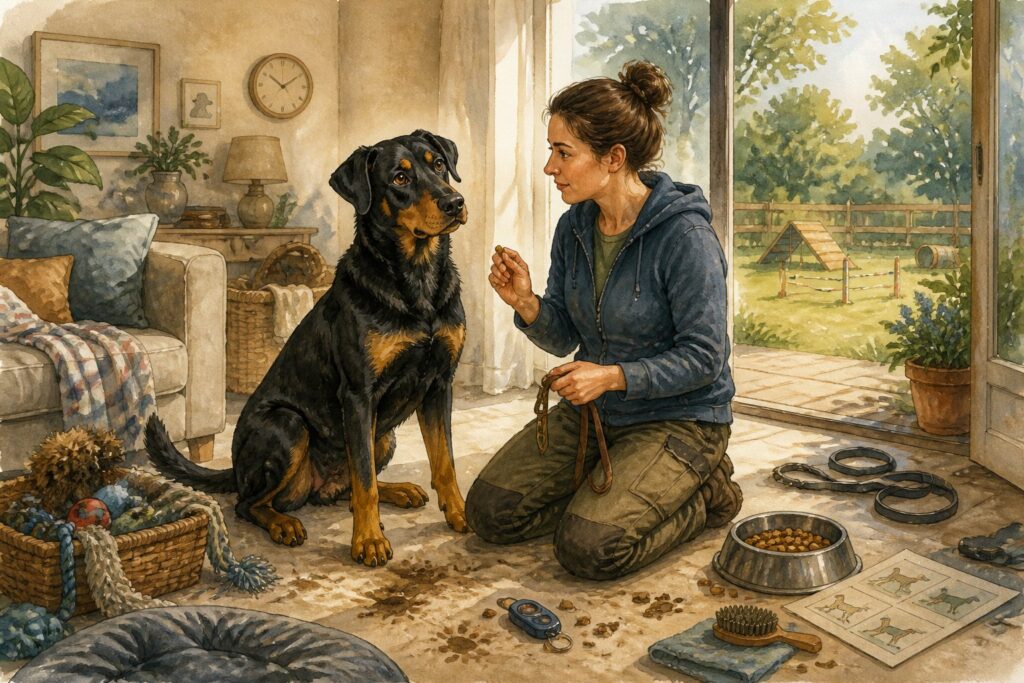
A Beauceron’s size, deep chest, athletic drive, and rapid puppy growth make routine care especially important. The most common owner slip-ups involve feeding, exercise, weight control, joint screening, and missed warning signs.
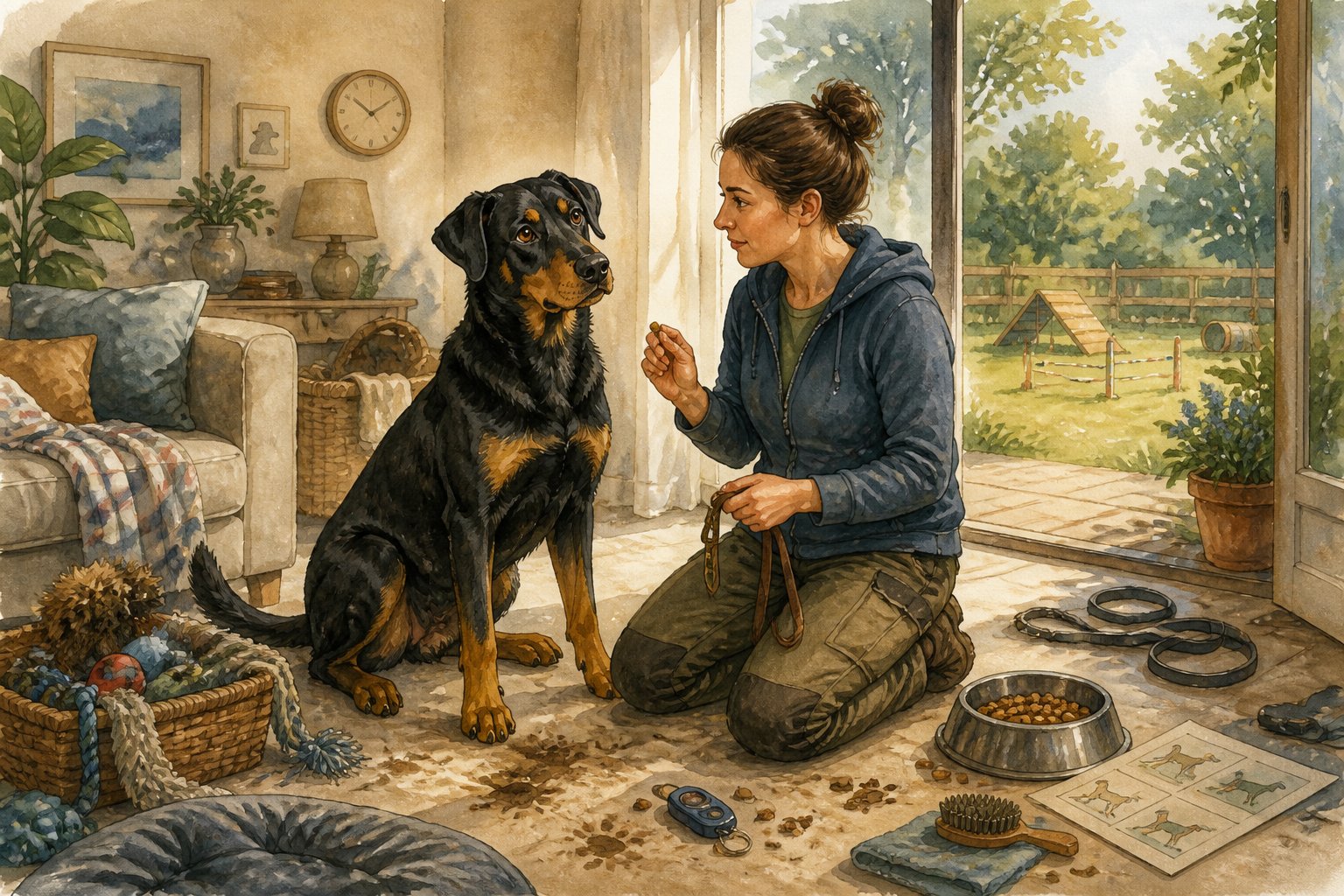
Small changes in your daily routine can protect your dog’s joints and help you respond faster to emergencies.
1. Failing To Treat Bloat Symptoms As An Immediate Emergency
Beaucerons have a deep chest, which raises the risk of gastric dilatation-volvulus, commonly called GDV or bloat. The stomach can fill with gas, twist, and cut off blood flow.
This can become fatal within a short time. Watch for repeated unproductive retching, a swollen or painful abdomen, pacing, heavy drooling, weakness, pale gums, or rapid breathing.
Do not wait to see whether symptoms improve. Call an emergency veterinarian while arranging immediate transport.
You can lower risk by feeding two or three measured meals instead of one large meal. Discourage rapid eating with a slow feeder, and ask your veterinarian whether preventive gastropexy is appropriate.
Keep your emergency clinic’s phone number and route available before a crisis occurs.
2. Letting A Beauceron Exercise Hard Right After A Full Meal
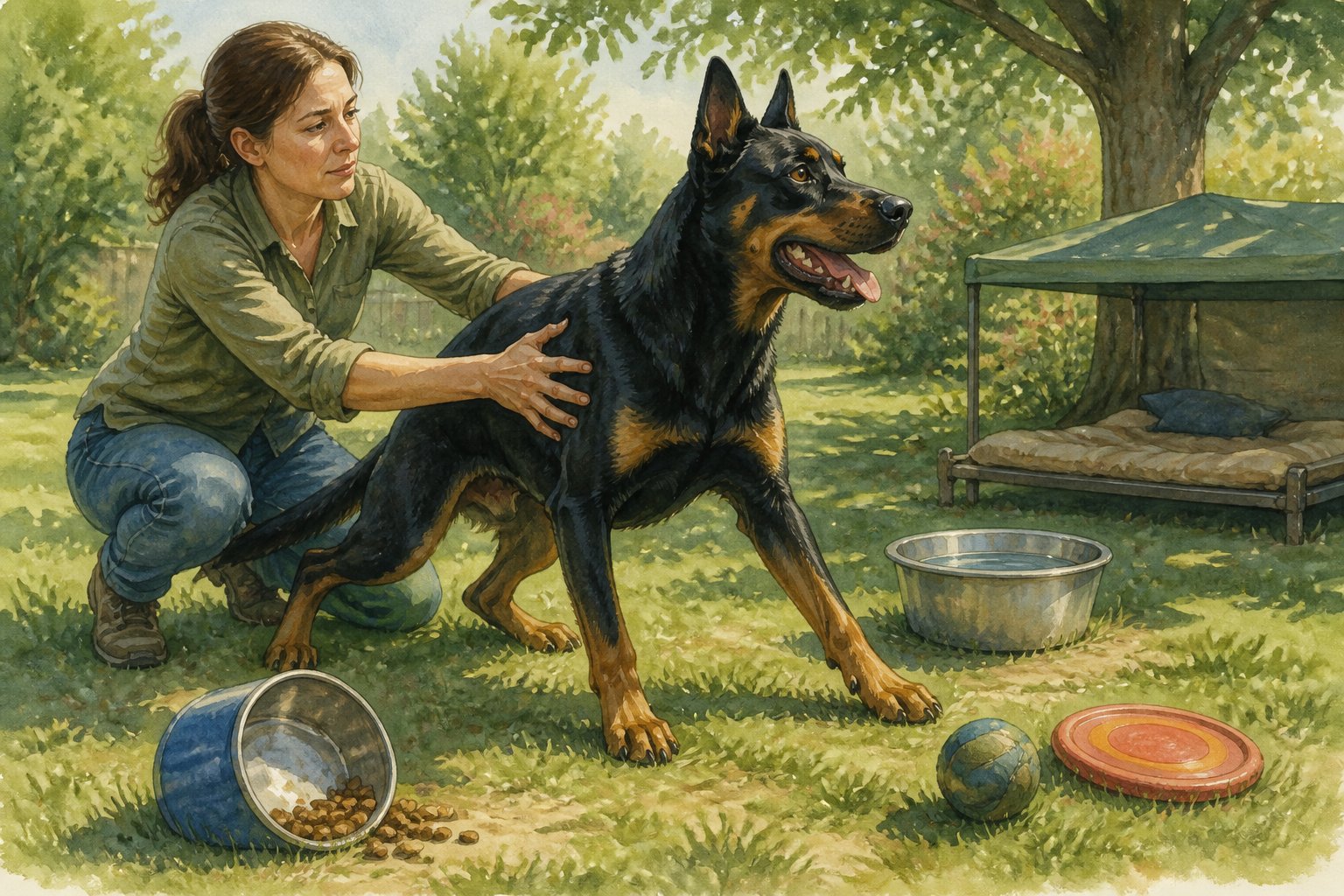
Hard running, rough play, jumping, or intense training immediately after eating may increase stomach stress and can contribute to GDV risk. This matters most after a large meal or when your Beauceron eats quickly.
Schedule vigorous activity before feeding or wait until your veterinarian’s recommended post-meal rest period has passed. A calm leash walk for bathroom needs is usually more suitable than fetch or protection work right after food.
Keep water available, though discourage frantic gulping after intense exercise. Splitting food into smaller meals, measuring portions, and using a slow feeder can also support safer digestion.
If your dog develops retching, abdominal swelling, distress, or sudden weakness after eating, treat it as an emergency.
3. Skipping OFA Hip And Elbow Screening After 12 Months
Hip dysplasia and elbow dysplasia can affect Beaucerons even when a young dog appears athletic. Screening at or after 12 months gives your veterinarian useful information about joint structure and helps guide exercise, weight, and breeding decisions.
Your veterinarian may recommend radiographs through the Orthopedic Foundation for Animals, known as OFA. Do not rely only on your dog’s energy level.
Dogs often hide discomfort, and early joint disease may appear as slower rising, reluctance on stairs, a shortened stride, or occasional lameness after activity. Arrange screening with your veterinary team and keep copies of the results.
If you are choosing a puppy, ask the breeder for documented hip and elbow evaluations of both parents, not just verbal assurances.
4. Overfeeding A Fast-Growing Beauceron Puppy
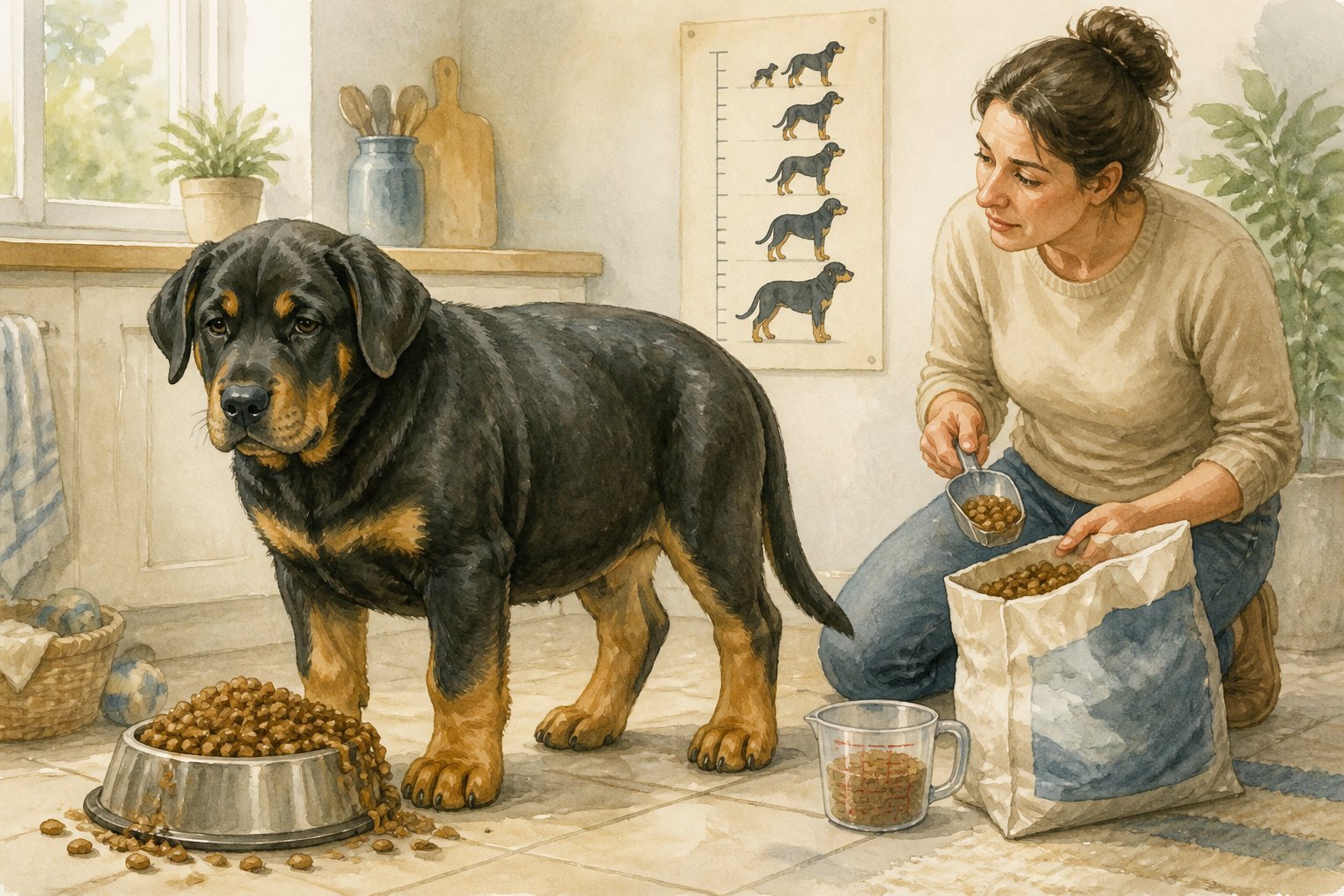
A Beauceron puppy needs steady growth, not maximum growth. Excess calories or an unbalanced calcium-to-phosphorus intake can add stress to developing bones and joints, increasing concern for orthopedic problems such as hip dysplasia, elbow dysplasia, and osteochondritis dissecans.
Use a complete large-breed puppy diet and measure every meal with a kitchen scale or accurate cup. Adjust portions as growth, activity, and body condition change.
Treats should fit within the daily calorie plan. Check your puppy’s body shape weekly.
You should be able to feel the ribs under a thin layer of tissue, see a waist from above, and notice an abdominal tuck from the side. Ask your veterinarian to review growth rate rather than trying to make your puppy look larger quickly.
5. Ignoring Early Limping Or Stiffness As “Normal Growing Pains”
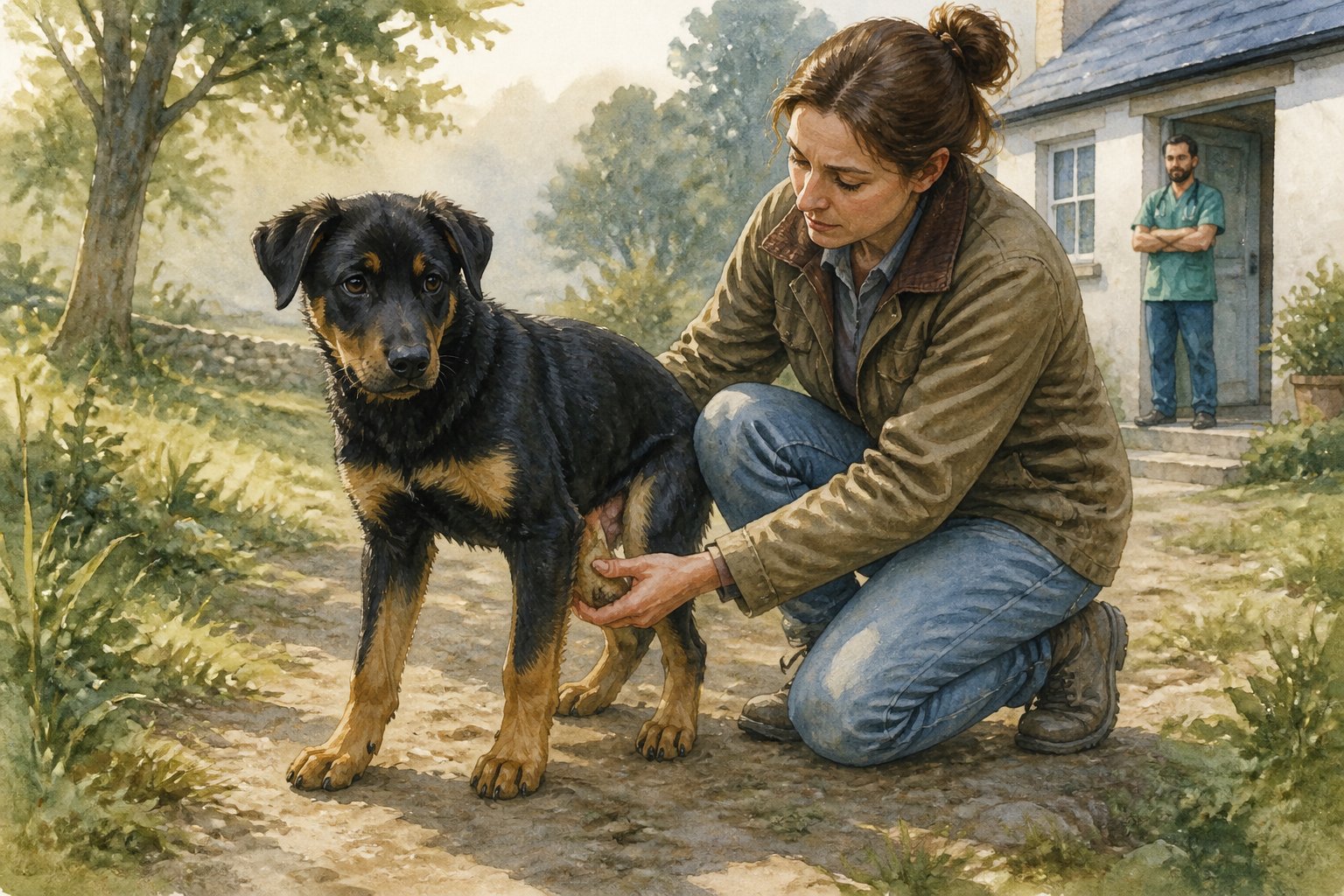
A brief limp may follow unusual activity, yet repeated or worsening lameness deserves a veterinary examination. Growing Beaucerons can develop joint problems, including hip or elbow dysplasia and OCD, which affects cartilage and bone inside a joint.
Record when the limp appears, which leg seems affected, and whether stairs, running, or rest change it. Until your appointment, replace hard exercise with controlled leash walks and prevent jumping from furniture or vehicles.
Do not give human pain medicine unless your veterinarian specifically prescribes it. Seek prompt care for swelling, severe pain, inability to bear weight, fever, or sudden weakness.
Early diagnosis can allow activity changes, weight control, medication, rehabilitation, or surgery before a manageable problem becomes lasting joint damage.
6. Missing Routine Heart Checks For Dilated Cardiomyopathy
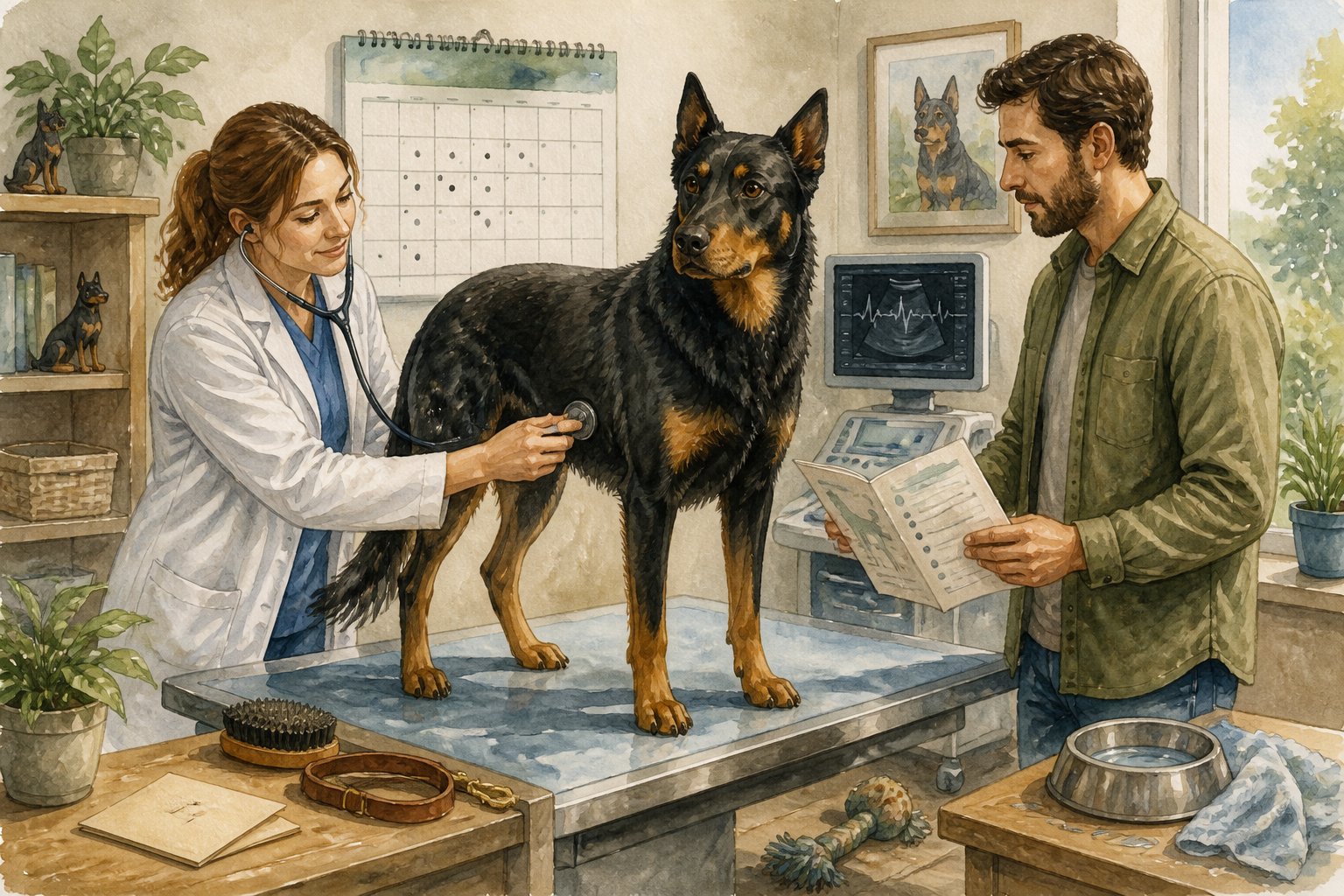
Dilated cardiomyopathy, or DCM, weakens and enlarges the heart muscle. Beaucerons may have inherited risk, and signs can develop gradually.
A routine examination lets your veterinarian listen for abnormal heart sounds and decide whether testing, such as an echocardiogram or electrocardiogram, is needed. Schedule regular wellness visits and mention any reduced stamina, coughing, breathing changes, fainting, or unexplained weight loss.
A dog that suddenly tires during normal walks should not be labeled lazy or out of shape without an examination. Do not change food, supplements, or medication in response to internet advice.
Your veterinarian can assess diet, family history, heart rhythm, and other causes before recommending a plan.
7. Allowing Extra Weight To Strain Hips, Elbows, And Joints
Extra body fat places added force on every step and can worsen pain from hip dysplasia, elbow dysplasia, arthritis, or past injuries. A Beauceron can look large and powerful while still carrying unhealthy fat around the ribs, waist, and tail base.
Check body condition regularly rather than judging weight by appearance alone. You should be able to feel the ribs without pressing hard, see a waist behind the ribs, and notice an abdominal tuck.
Ask your veterinarian to set a target weight and calorie range. Measure meals, count treats, and use short training sessions instead of frequent calorie-dense snacks.
Low-impact walks, swimming when safe, and controlled conditioning can support fitness. Reduce activity and seek veterinary advice if weight gain comes with stiffness, limping, coughing, or poor endurance.
When To Call A Veterinarian
Signs Of A Possible GDV Emergency
Call an emergency veterinary clinic immediately for repeated retching without vomit, a tight or enlarged abdomen, intense pacing, heavy drooling, pale gums, rapid breathing, collapse, or severe weakness. Do not offer food, water, or home remedies while delaying transport.
Joint, Mobility, And Growth Warning Signs
Arrange a veterinary visit for repeated limping, stiffness after rest, swollen joints, reluctance to climb stairs, difficulty rising, an unusual gait, or pain during handling. Prompt evaluation is especially important in puppies during rapid growth and in dogs with recurring symptoms after exercise.
Potential Heart And Eye Symptoms
Seek veterinary care for fainting, coughing, or labored breathing. Sudden exercise intolerance or a marked drop in energy may point to heart disease such as DCM.
Sudden vision changes, cloudy eyes, or unequal pupils also need prompt assessment. Eye redness or squinting should be evaluated by a veterinarian.