
An Affenpinscher‘s shaggy eyebrows and monkey-like expression can make it easy to forget this breed needs firm, consistent guidance. These little dogs are smart, bold, and stubborn in equal measure.
Small mistakes in daily handling can snowball into bigger behavior or health problems.
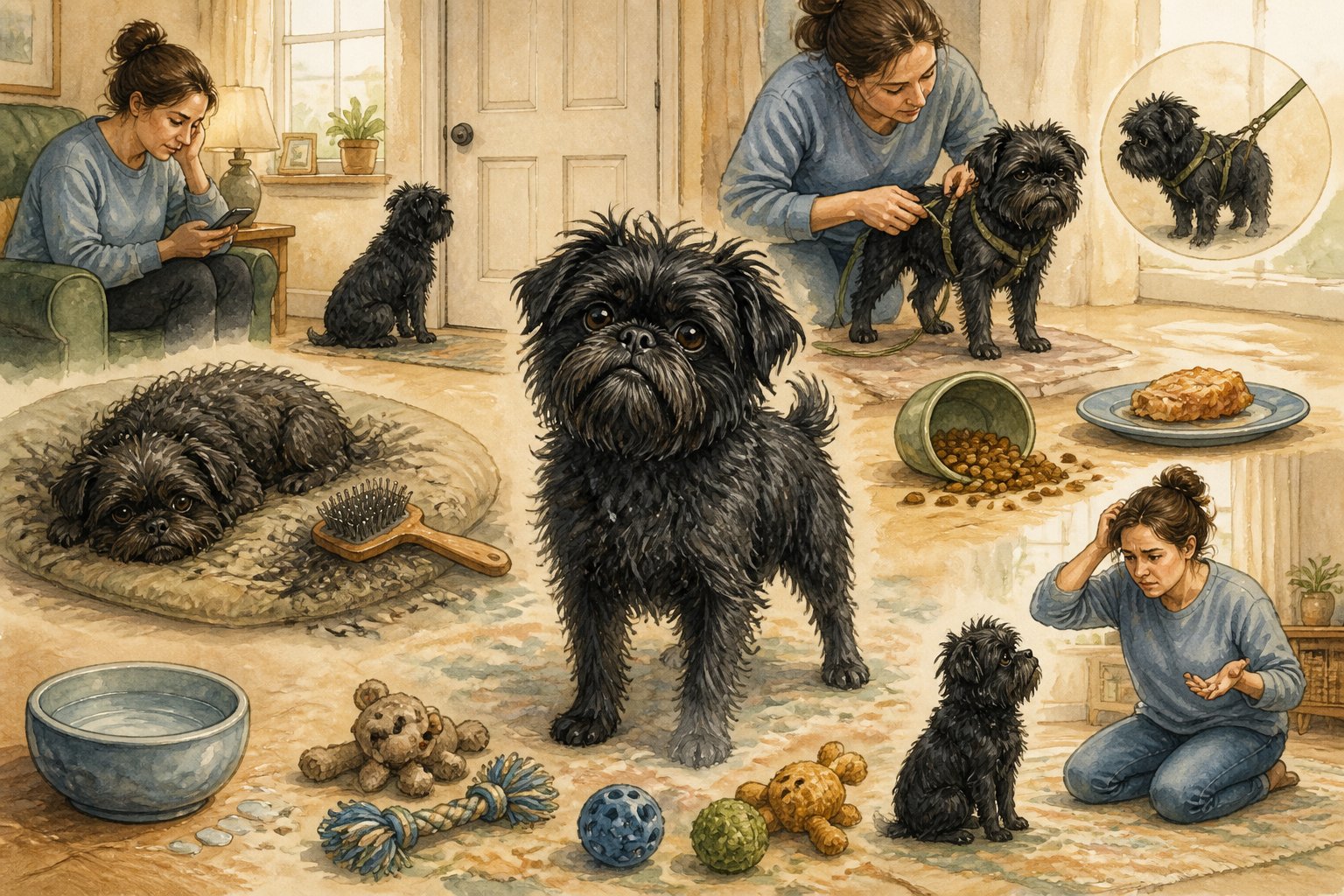
This breed was originally bred to hunt rats on German farms. That ratter instinct still shows up in modern homes.
Affenpinschers are alert, vocal, and fiercely loyal to their people. Knowing the common pitfalls ahead of time can save both you and your dog a lot of stress.
1. Letting Barking At Doors And Windows Become A Habit
Affenpinschers watch the world like tiny security guards. Every passing car, delivery truck, or squirrel can trigger a burst of barking.
The mistake many owners make is ignoring the first few barks or, worse, yelling back. Both responses tell your dog that barking gets a reaction, which only reinforces it.
Instead, teach a “quiet” cue early. Reward calm silence rather than reacting only when the barking stops on its own.
Try this simple approach:
- Notice what triggers the bark
- Interrupt with a calm cue before it escalates
- Reward the quiet moment immediately
- Repeat consistently across different triggers
Skipping this step lets a small habit turn into constant background noise in your home.
2. Using Inconsistent Rules With A Stubborn, Clever Dog
Affenpinschers are independent thinkers. They were bred to make quick decisions without waiting for instructions.
The common misstep is letting rules bend depending on mood or convenience. Allowing the dog on the couch one day and scolding it the next confuses your pup fast.
Clear, consistent boundaries work better than strict punishment. Short, positive training sessions using treats and praise build trust while respecting their sharp mind.
Every family member should follow the same rules. Mixed signals from different people are one of the fastest ways to create a dog that ignores commands altogether.
3. Leaving An Affenpinscher Alone Too Long Without Separation-Anxiety Training
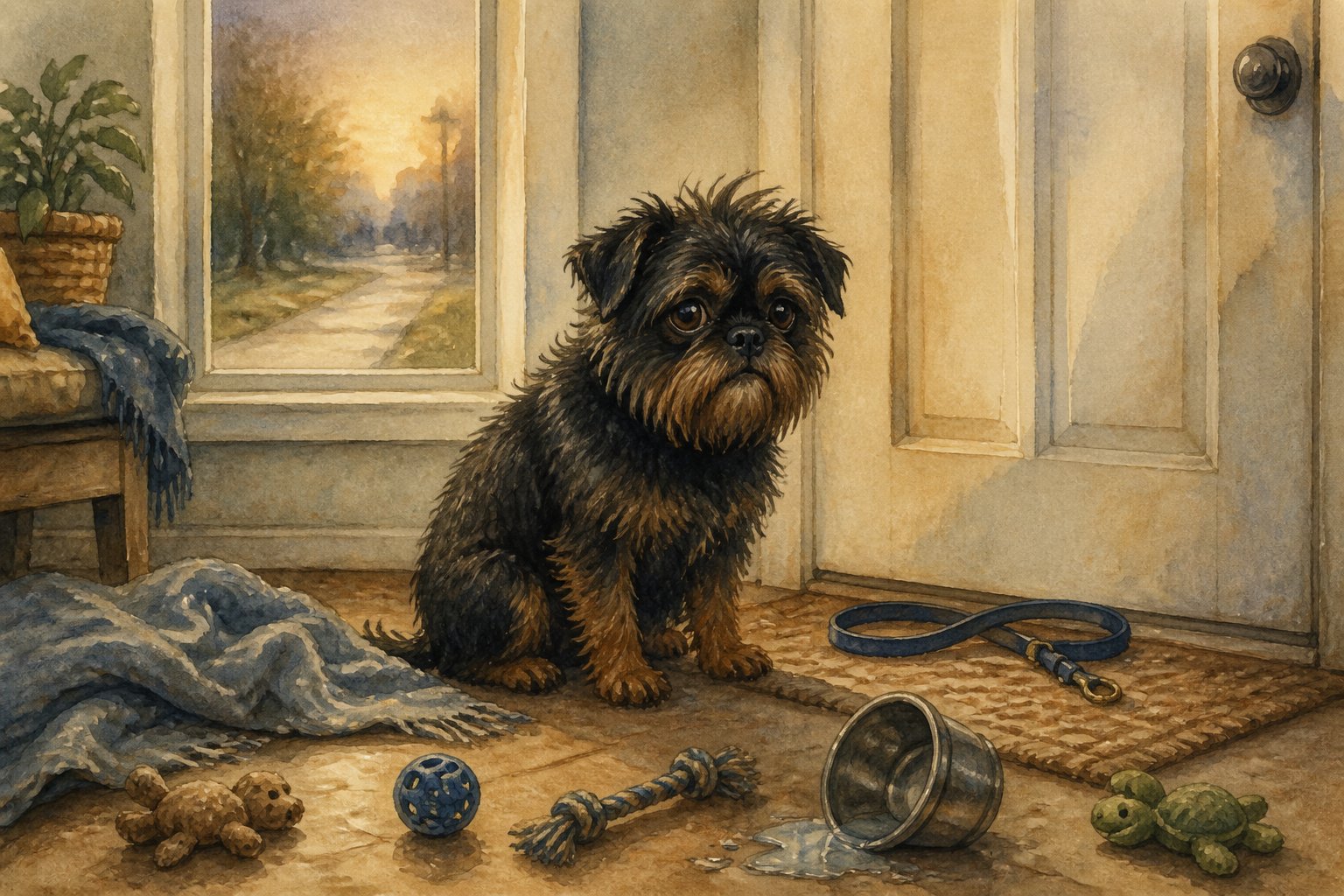
This breed bonds tightly with its people. Left alone too long without preparation, an Affenpinscher can develop real separation anxiety.
Signs include whining, pacing, chewing furniture, or accidents indoors. Owners often assume the dog is being naughty when it’s actually distressed.
Building tolerance takes time:
- Start with very short absences, just a few minutes
- Gradually stretch the time apart
- Leave a puzzle toy or safe chew
- Keep goodbyes and hellos low-key, not dramatic
Skipping this gradual process and jumping straight to full workdays alone sets your dog up to struggle.
4. Skipping Early Stranger, Dog, And Handling Socialization
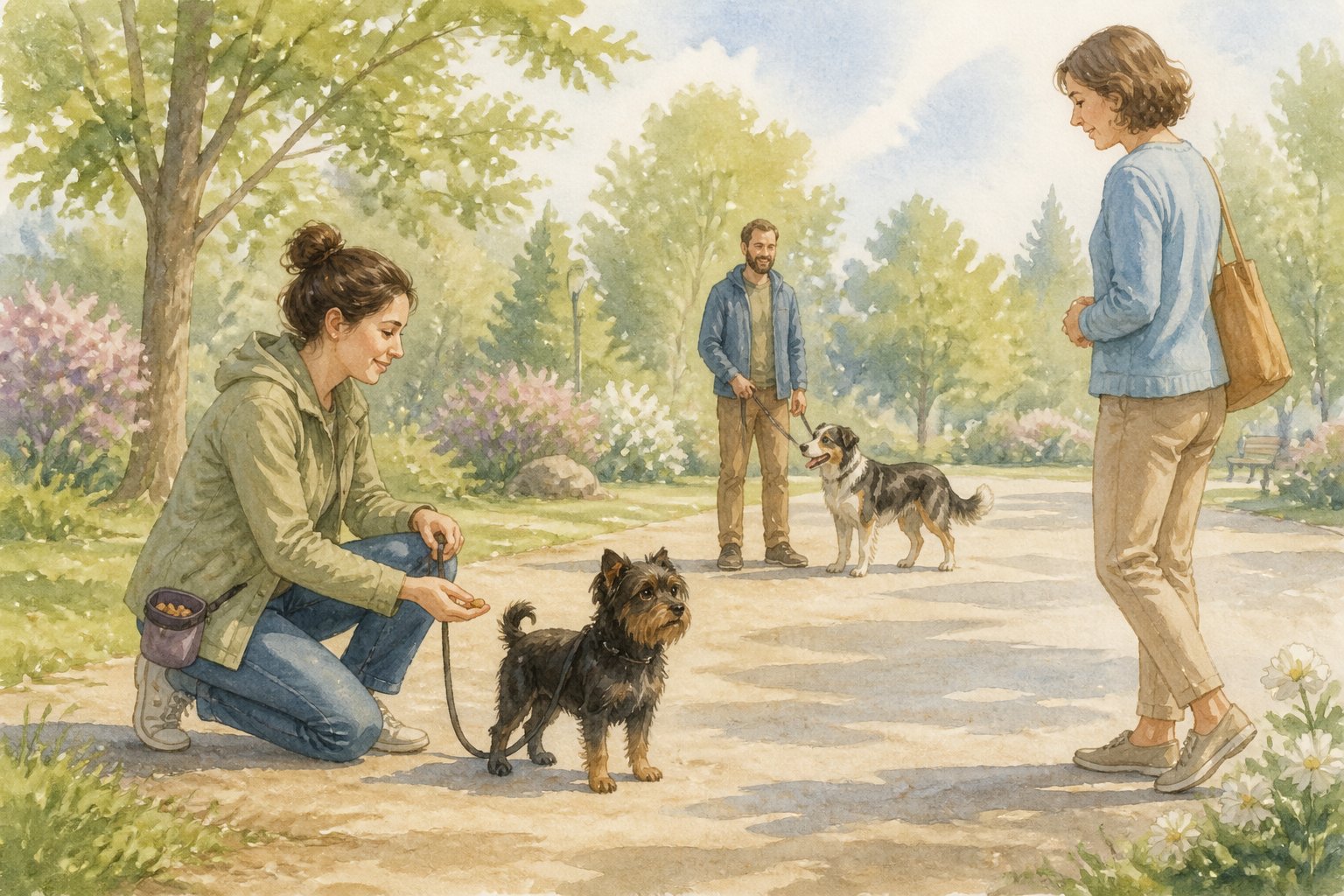
Affenpinschers can be wary of unfamiliar people and dogs if they aren’t introduced to new experiences early. Their protective instincts can tip into fearfulness or snapping without proper exposure.
Puppyhood is the best window for socialization, but adult dogs can still learn with patience. Skipping this step often leads to reactive barking or nervous behavior around guests.
Practice gentle handling too. Touch paws, ears, and mouth regularly so vet visits and grooming feel normal rather than scary.
Aim for positive, low-pressure introductions:
- New people in calm settings
- Friendly, well-mannered dogs
- Different sounds, surfaces, and environments
Rushing introductions or forcing interactions can backfire, making fear worse instead of building confidence.
5. Ignoring Toy And Food Guarding Behaviors
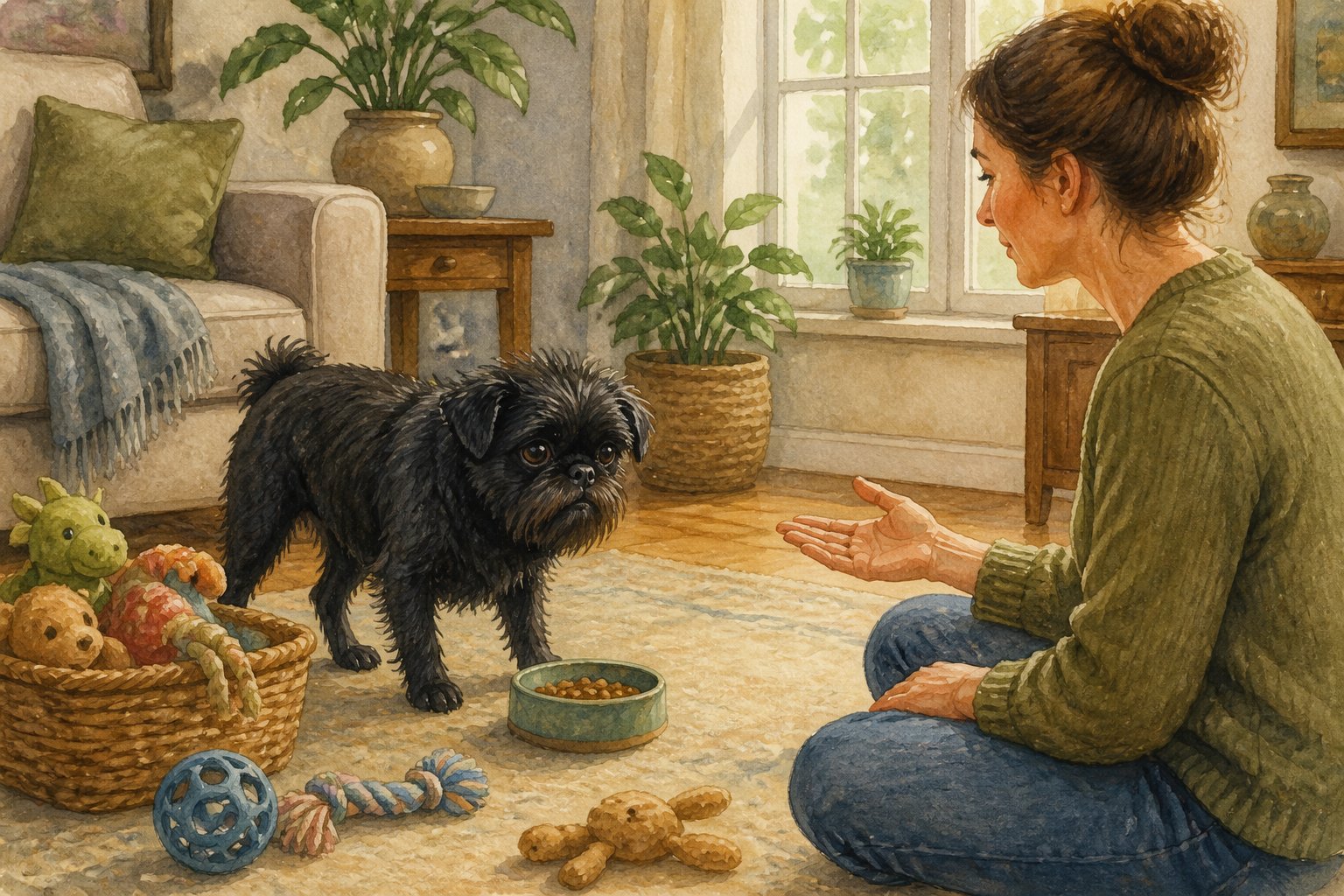
A little growl over a food bowl might seem harmless, but ignoring it lets guarding behavior grow. Affenpinschers can be surprisingly possessive of toys, chews, and meals.
The common mistake is either punishing the growl or reaching into the bowl to “show dominance.” Both reactions can increase anxiety around food and raise the risk of a bite.
Instead, build trust gradually. Add treats to the bowl while your dog eats, or trade a toy for something better rather than snatching it away.
Watch for stiffening, freezing, or a hard stare, since these often come before a growl. Addressing guarding early keeps mealtimes and playtime relaxed for everyone in the house.
6. Overheating A Short-Muzzled Dog During Exercise Or Travel

Affenpinschers have a somewhat shortened muzzle, which makes breathing less efficient in heat compared to longer-nosed breeds. Owners sometimes forget this during walks or car rides.
Heavy panting, drooling, or slowing down are early signs of overheating. Left unchecked, this can turn into heatstroke quickly, especially in summer months.
Keep outings safe with a few habits:
- Walk during cooler morning or evening hours
- Carry water on every outing
- Never leave your dog in a parked car
- Watch for excessive panting or wobbliness
A little planning around temperature protects your dog from a preventable emergency.
7. Missing Early Signs Of Patellar Luxation, Eye Injury, Or Airway Trouble
Affenpinschers face a few breed-specific health risks that owners often catch too late. Patellar luxation, a kneecap that slips out of place, can start as an occasional skip or hop in the back leg.
Their large, prominent eyes are also more prone to scratches and injury. A squinting eye, redness, or excessive tearing should never be brushed off as minor irritation.
Because of their compact airway, labored breathing, gagging, or noisy breathing after mild exertion can point to airway trouble. These signs are easy to dismiss as normal breed quirks, but ignoring them can let a treatable issue turn serious.
Regular vet checkups help track these areas before small changes become bigger problems.
When To Call Your Veterinarian Or A Qualified Trainer
Emergency Red Flags That Need Immediate Veterinary Care
Some symptoms in an Affenpinscher cannot wait for a routine appointment. Difficulty breathing, collapse, sudden inability to use a leg, or a swollen, painful eye all need urgent attention.
Seizures, extreme lethargy, or repeated vomiting also count as emergencies. Heatstroke symptoms like heavy panting paired with weakness or vomiting need immediate cooling and a vet visit.
Call right away if you notice:
- Blue or pale gums
- Sudden collapse or limpness
- Eye that is bulging, cloudy, or bleeding
- Non-stop coughing or gagging with breathing distress
Behavior Signs That Warrant Professional Training Support
Not every behavior issue can be solved with home training alone. Growling that escalates to snapping, severe separation anxiety, or fear-based aggression toward people or other dogs are signs to bring in a professional.
A certified trainer or behaviorist can assess the root cause and build a safe, structured plan. Waiting too long often allows these patterns to become more ingrained and harder to change.
How To Choose Reward-Based Help
Look for trainers who use positive reinforcement methods rather than punishment-based tools. Certifications from recognized training organizations are a good sign of proper education.
Ask about their experience with small, independent breeds specifically. A trainer familiar with Affenpinschers will understand their intelligence and sensitivity to harsh corrections.
Creating A Calm Daily Routine
Predictable Meals, Walks, Rest, And Alone-Time Practice
Affenpinschers thrive on routine. Feeding, walking, and resting at similar times each day helps reduce anxiety and unwanted behaviors like barking or guarding.
Build in short alone-time practice even if you’re home most of the day. This keeps your dog comfortable with solitude rather than only experiencing it during long absences.
Low-Stress Visitor And Doorway Management
Doorways and greetings are common flashpoints for barking and overexcitement. Teach a “go to your spot” cue so your dog has a job to do when guests arrive.
Keep initial greetings calm and quiet. Rewarding relaxed behavior at the door, rather than excitement or barking, sets a better tone for visitors long term.
Mental Enrichment For A Small, Busy Dog
A bored Affenpinscher finds its own entertainment, often through digging, chewing, or barking.
Puzzle feeders, scent games, and short training sessions keep that sharp mind engaged.
Rotate toys weekly to keep interest fresh.
![Are Male Dogs Stronger Than Female Dogs? [4 Facts To Know]](https://images.dog-breeds-expert.com/wp-content/uploads/2022/09/When-To-Stop-Giving-Puppy-Treats-For-Potty-Training-19.webp)